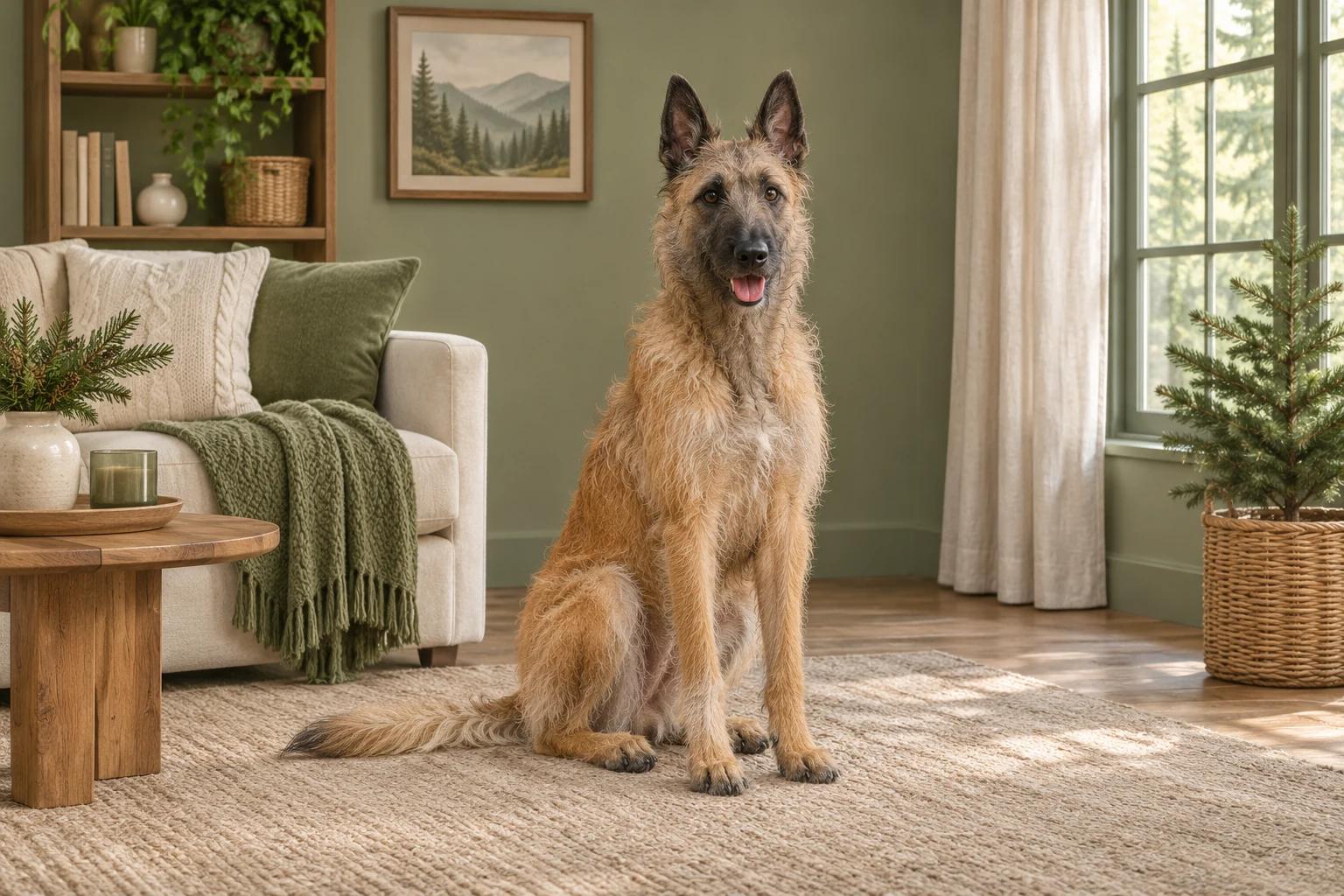
Belgian Laekenois
What changed for the Belgian Laekenois on July 1, 2020?
The Laekenois entered AKC Herding Group conformation competition in 2020 after years in Miscellaneous. That date marked recognition, not the start of the breed.
Read article →Explore the routines, questions, and small decisions behind life with a dog.
1268 articles to explore
The Laekenois entered AKC Herding Group conformation competition in 2020 after years in Miscellaneous. That date marked recognition, not the start of the breed.
Read article →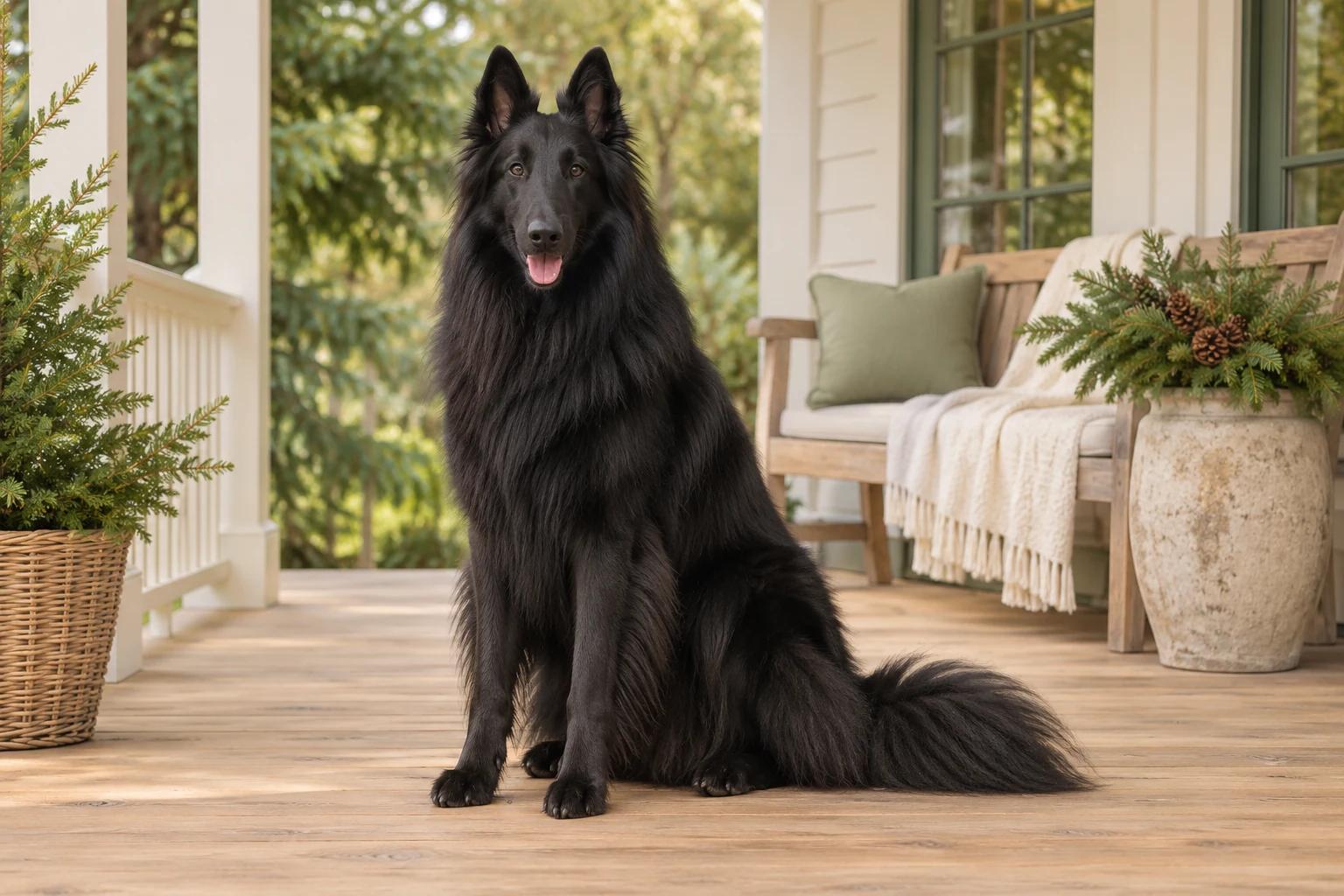
The black long-coated Belgian is called the Sheepdog in AKC usage and Groenendael within the FCI’s four varieties. Here is how to read those different names.
Read article →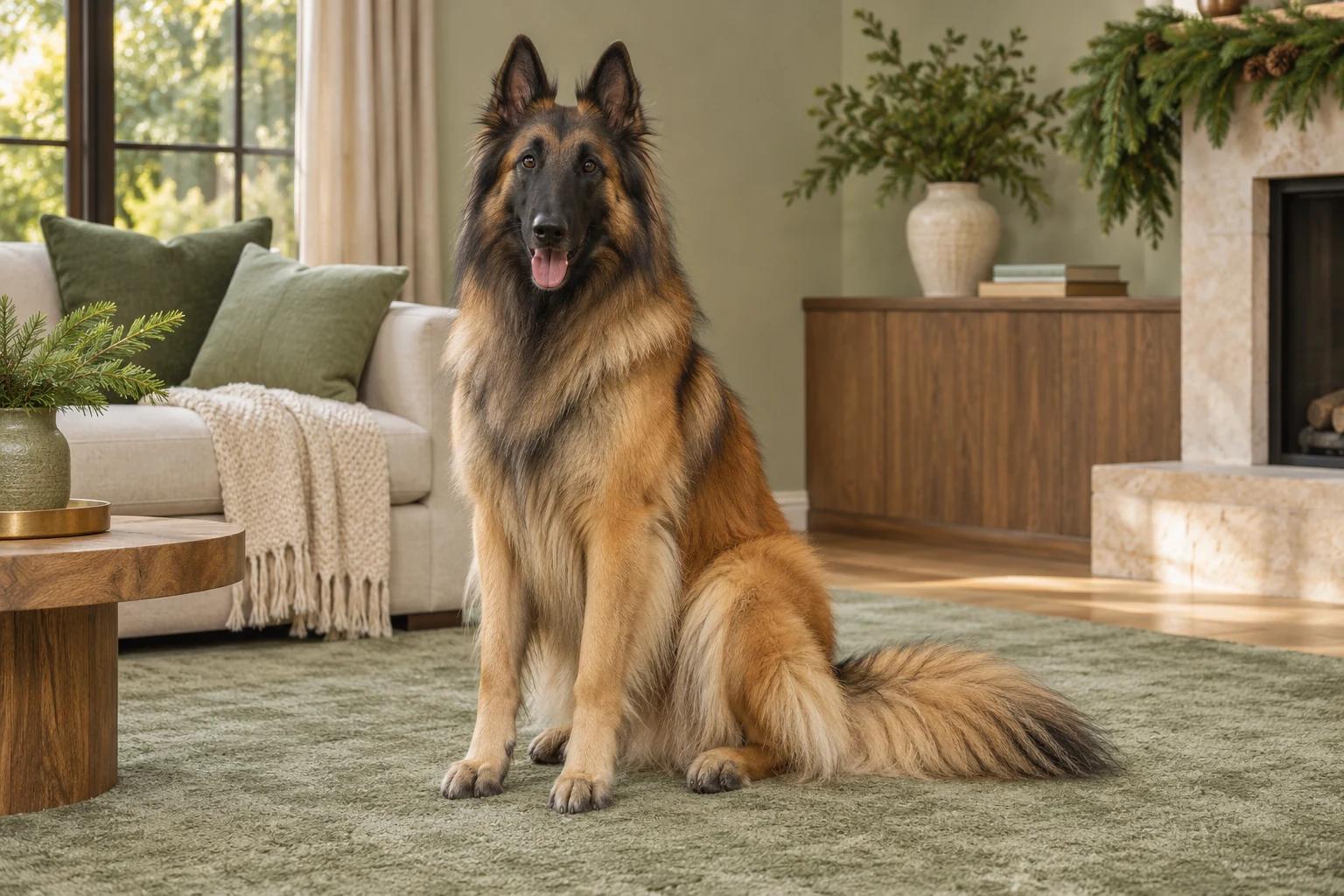
Black-tipped hairs create the Tervuren’s overlay, and its AKC standard accounts for age and sex. A puppy photograph is not a fixed adult color forecast.
Read article →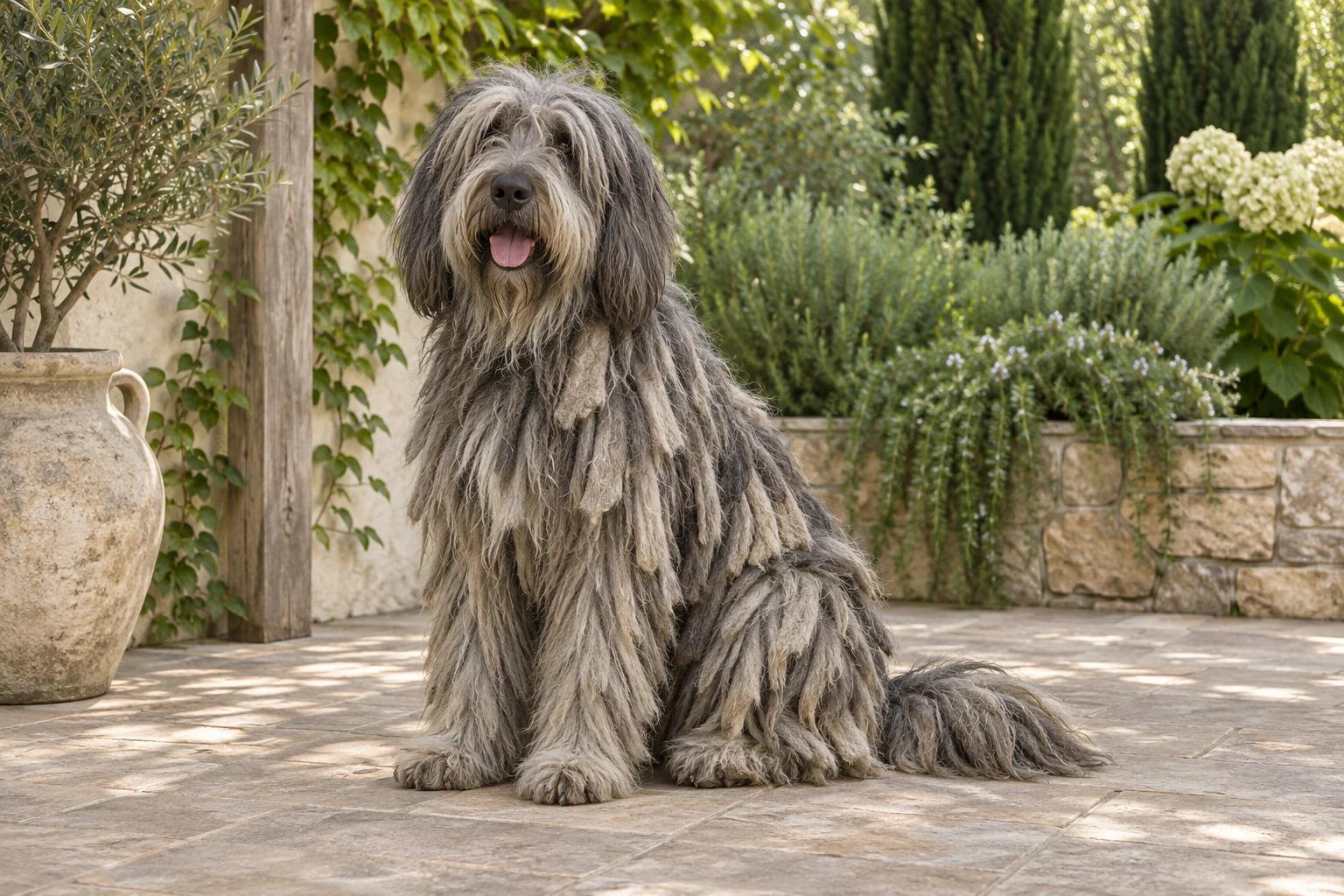
Puppy fluff, a changing adolescent coat and established flocks need different handling. The breed club’s staged guidance explains why timing matters.
Read article →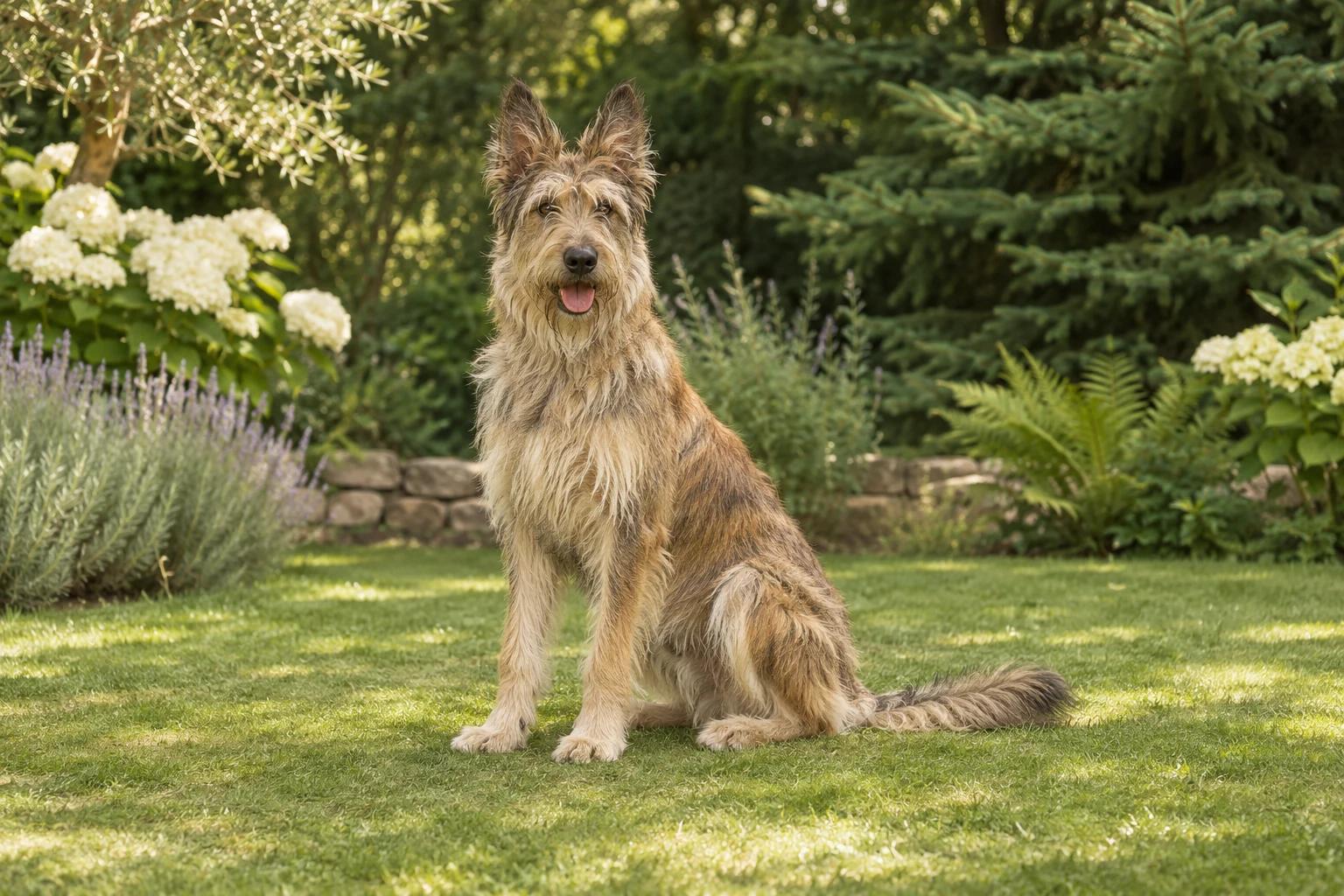
The 2005 film needed a scruffy-looking character and dogs that could stand in for one another. That casting problem helped introduce the Berger Picard to Americans.
Read article →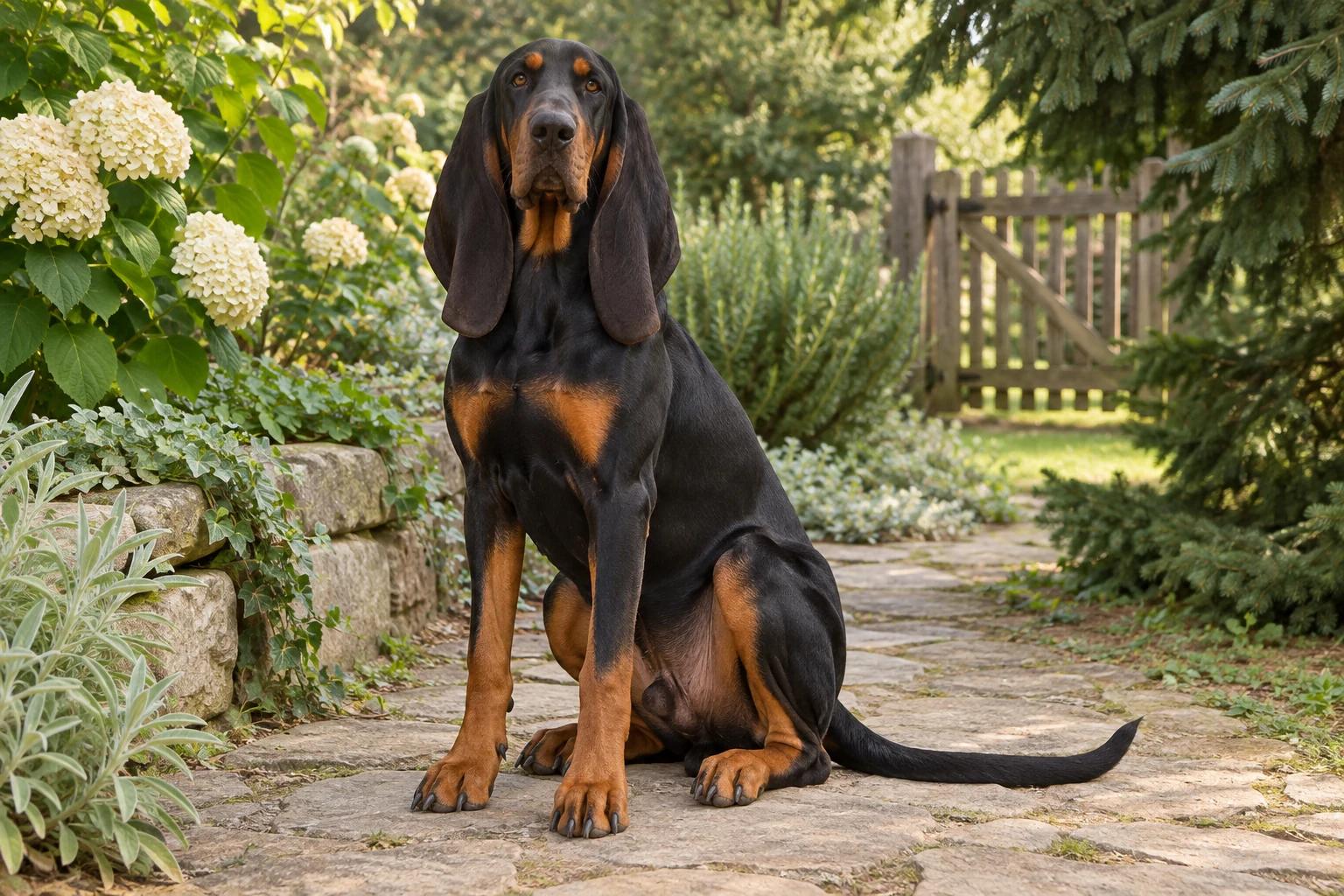
Both breeds can have black-and-tan coloring and long ears, but their standards describe different heads, eyes and neck skin. Look beyond the shared outline.
Read article →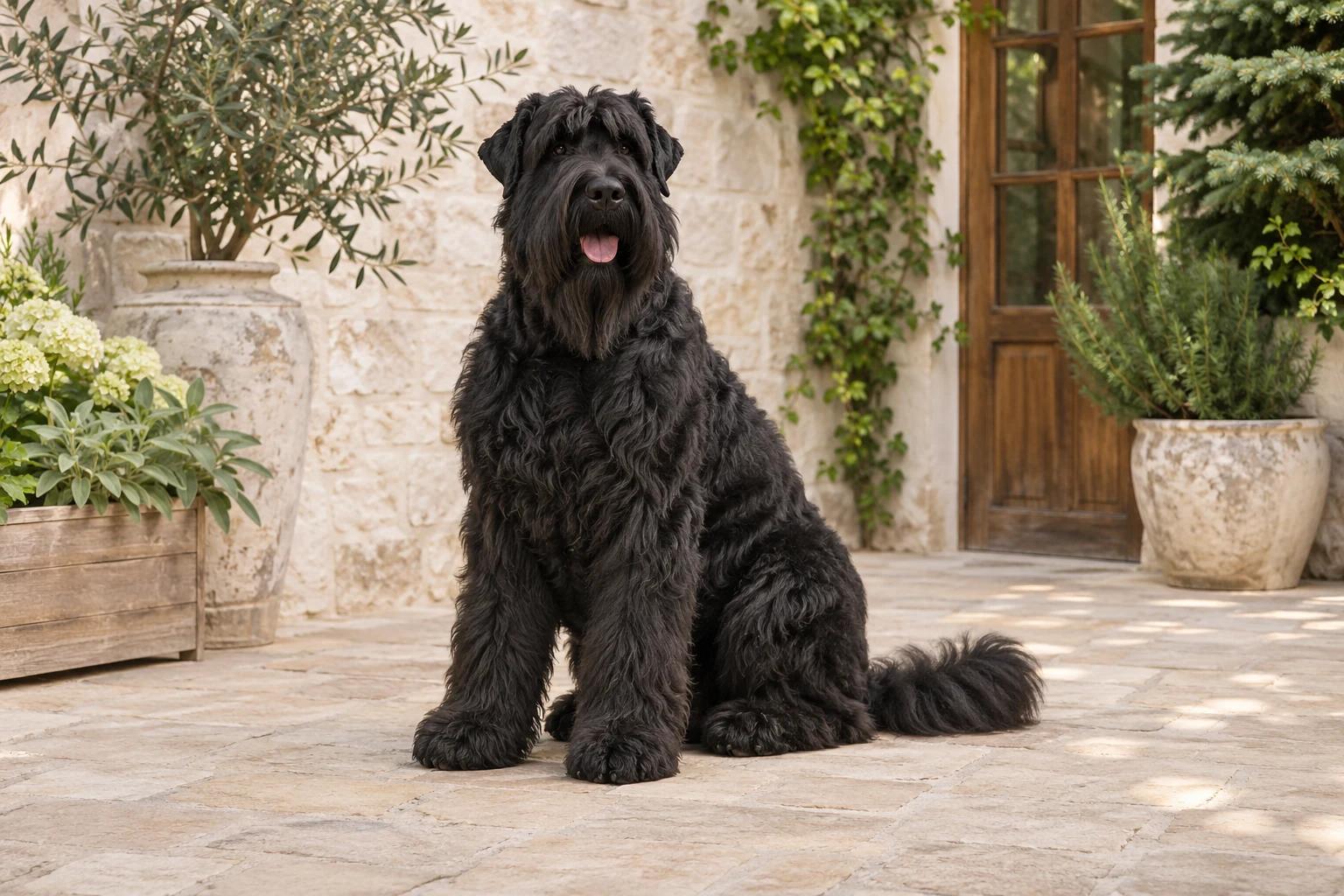
Red Star’s breeding program drew on several breeds to build a manageable working guardian. Its history explains why the Terrier name tells only part of the story.
Read article →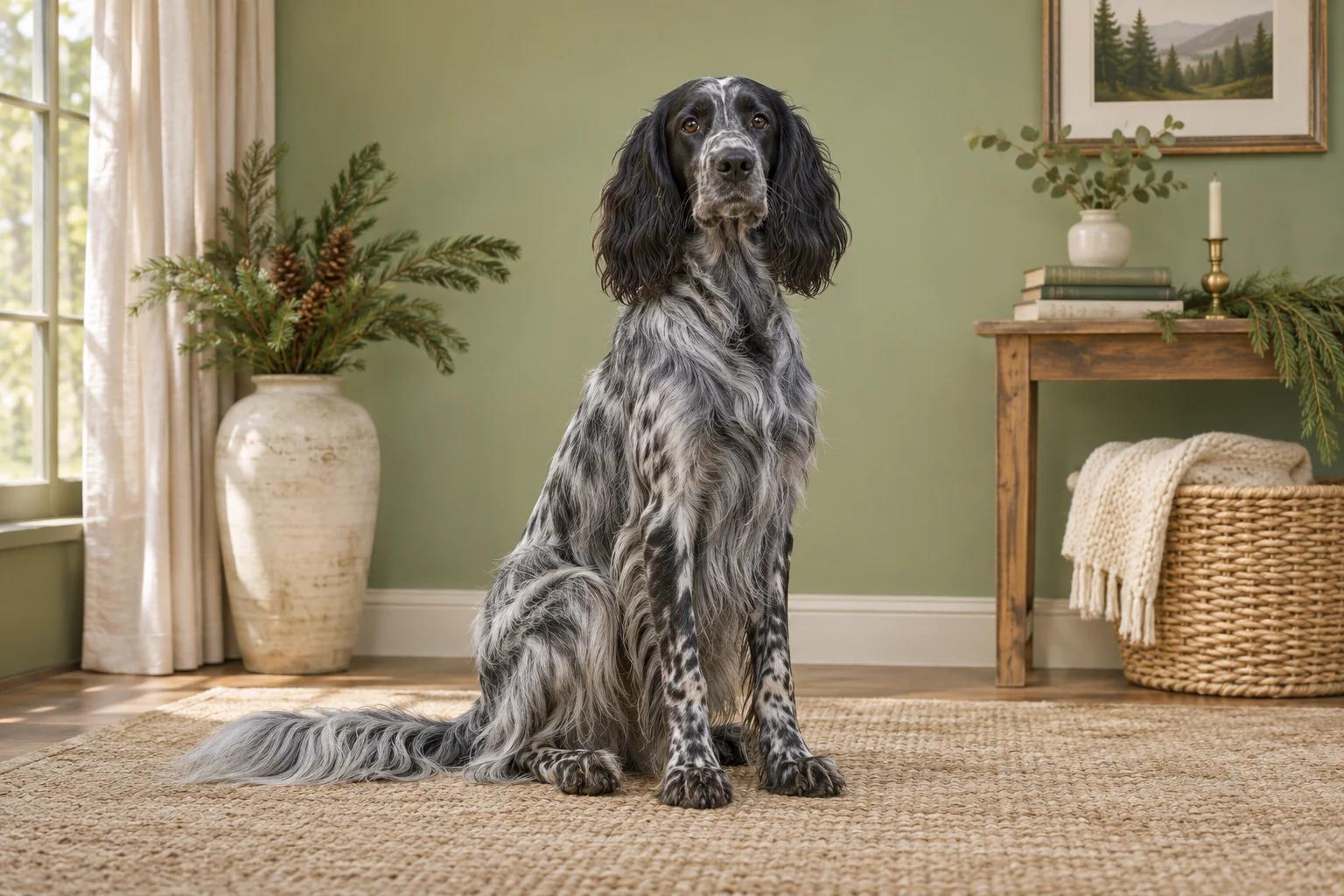
Spaniel does not always mean a flushing role. The Blue Picardy’s FCI classification and working description explain what the breed name alone leaves unclear.
Read article →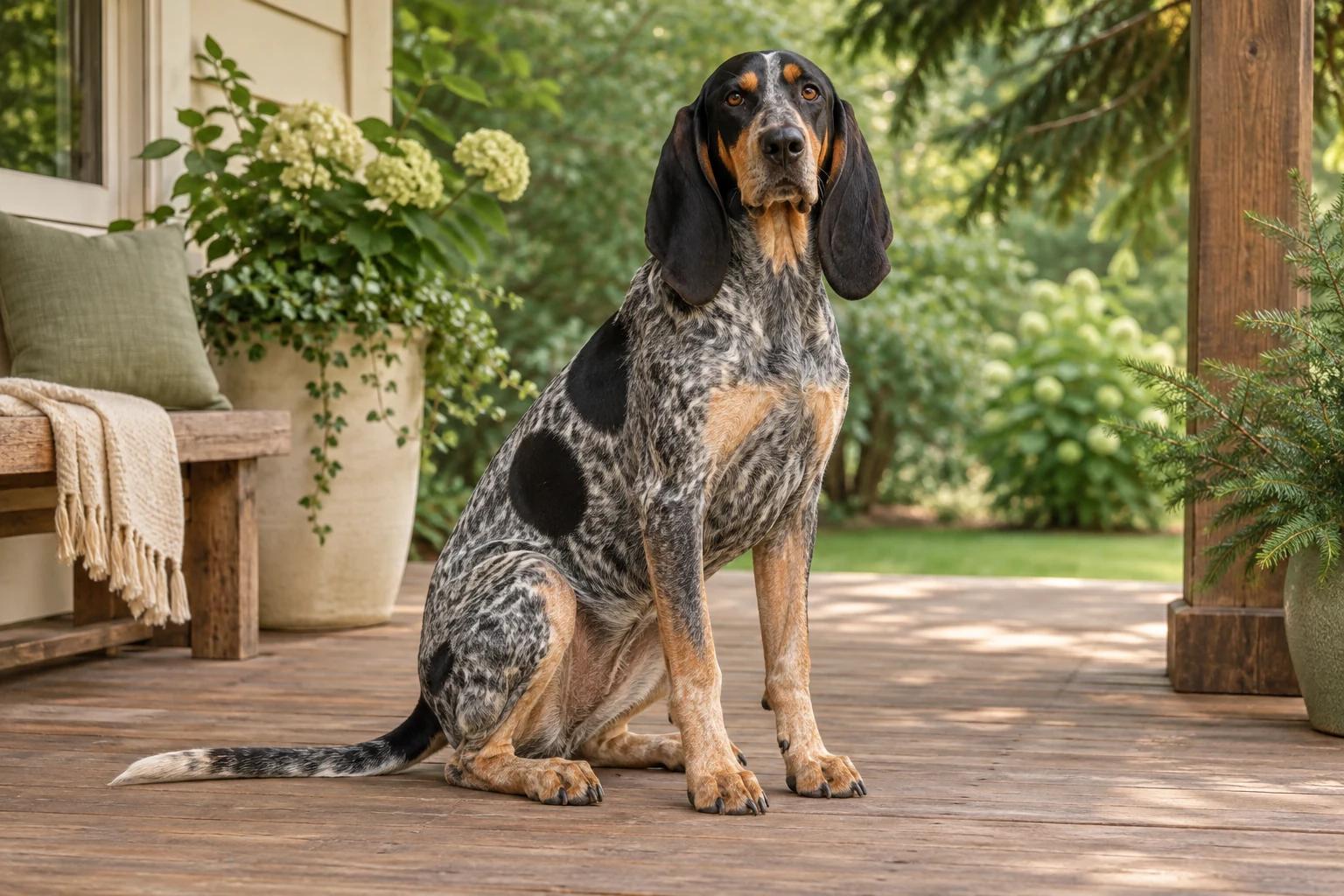
AKC and UKC descriptions allow variation in a Bluetick’s working voice. Learn why the change between trailing and treeing matters more than a fixed soundtrack.
Read article →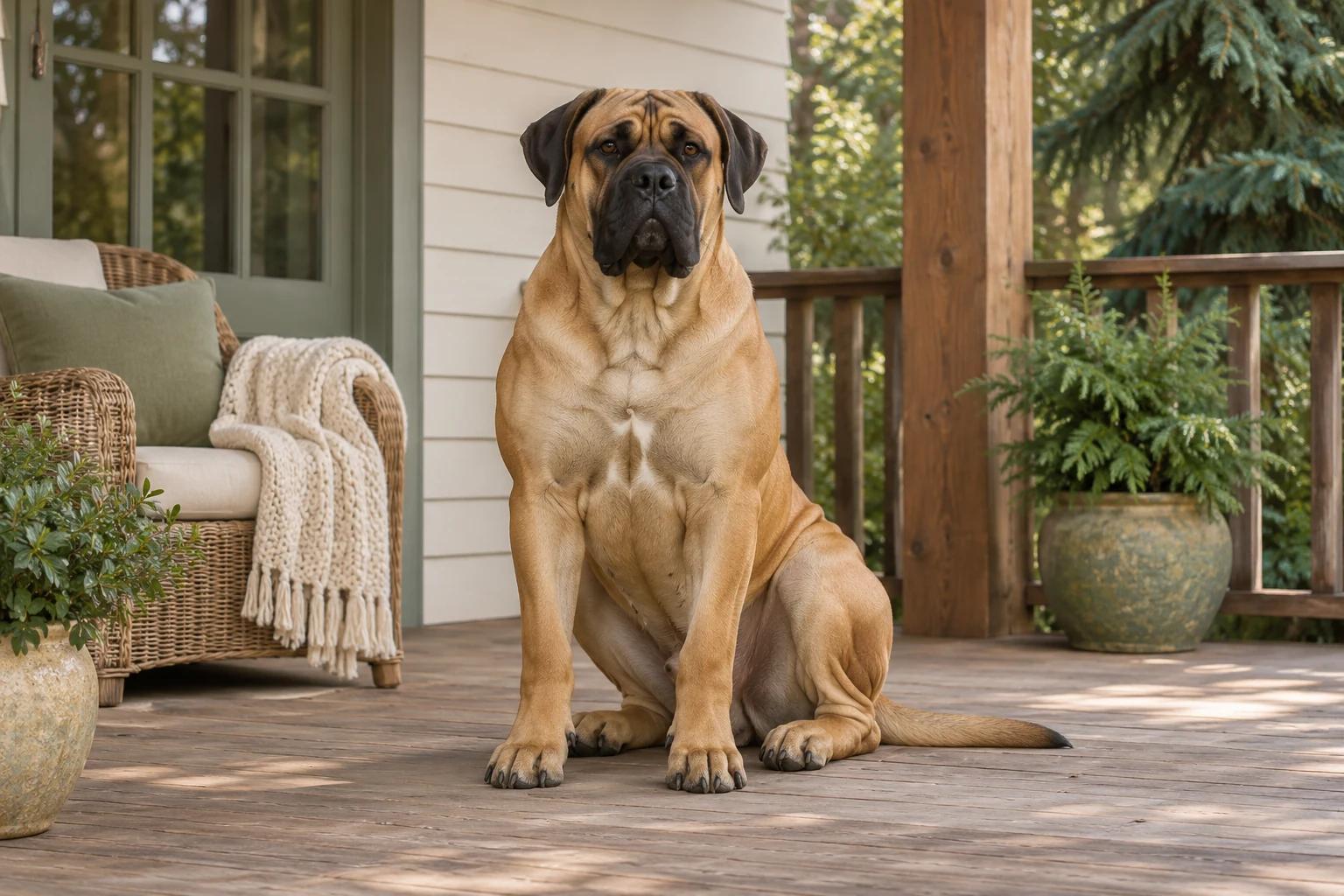
A Boerboel appraisal total combines differently weighted observations. Learn what the result sheet can explain and why health records remain a separate question.
Read article →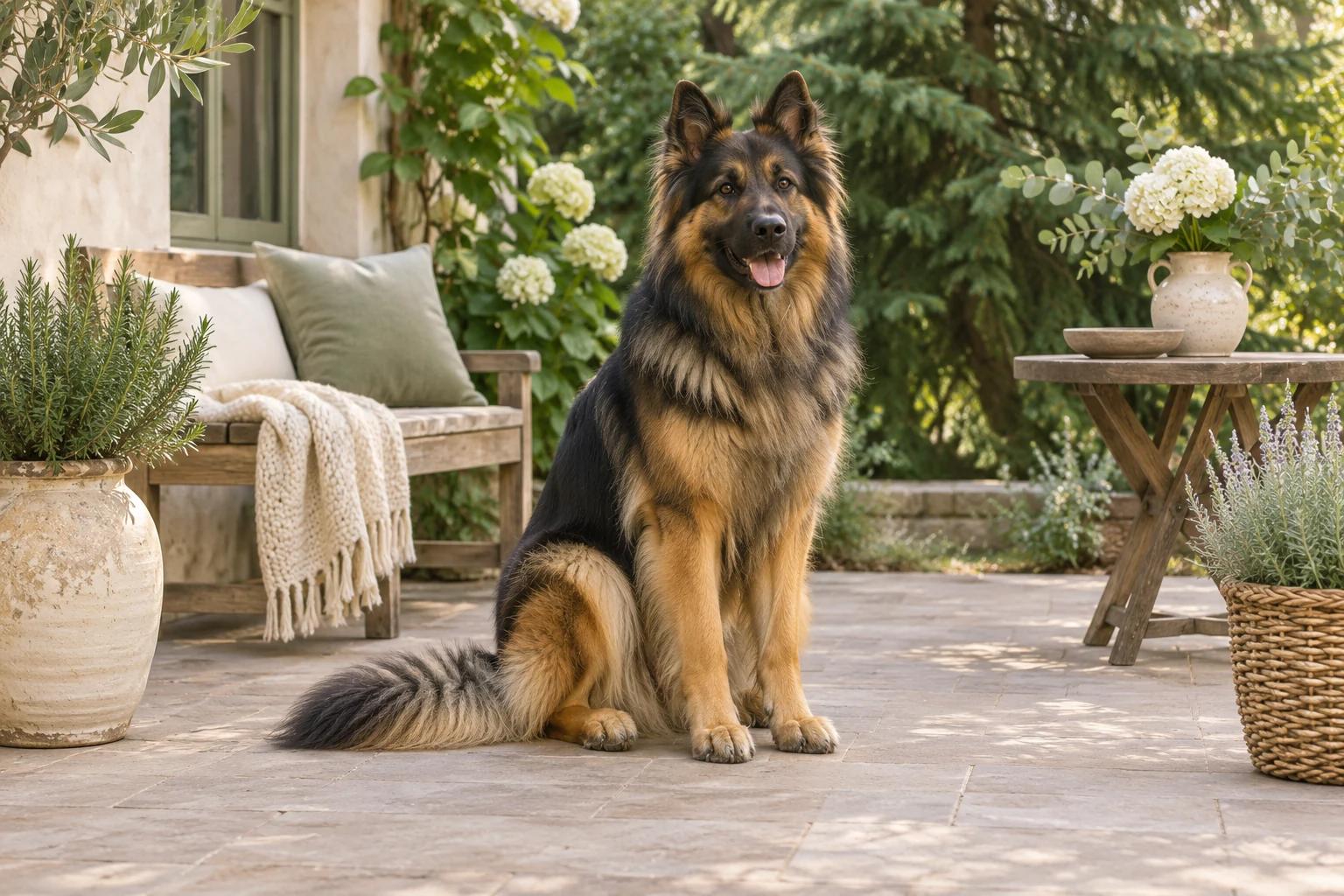
Regional stories and illustrations matter to the Bohemian Shepherd, but the FCI distinguishes them from ancestry records. The modern revival has its own dates.
Read article →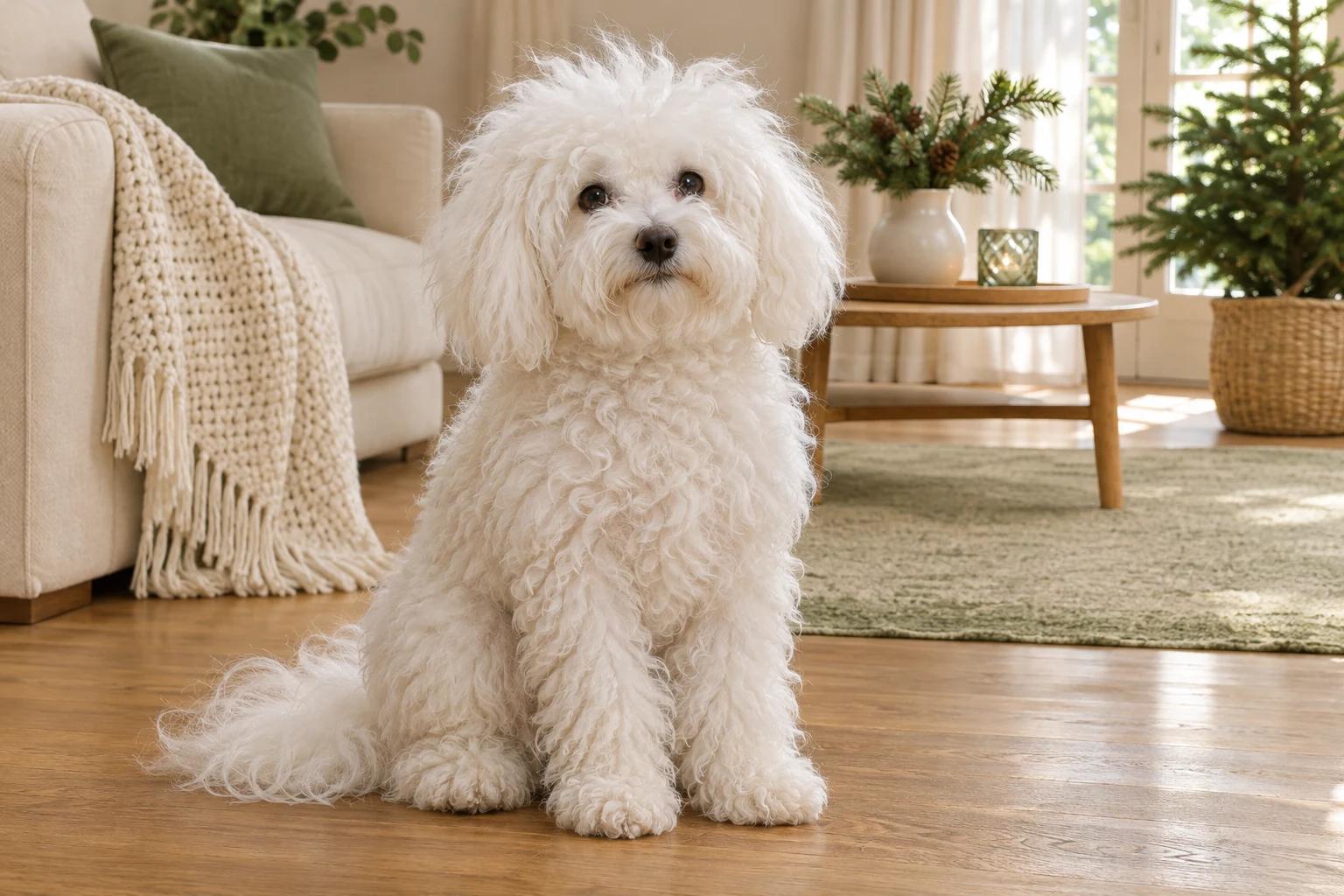
The Bolognese’s natural flocked appearance is compatible with a knot-free coat. Breed-club guidance separates everyday combing from show-ring finishing.
Read article →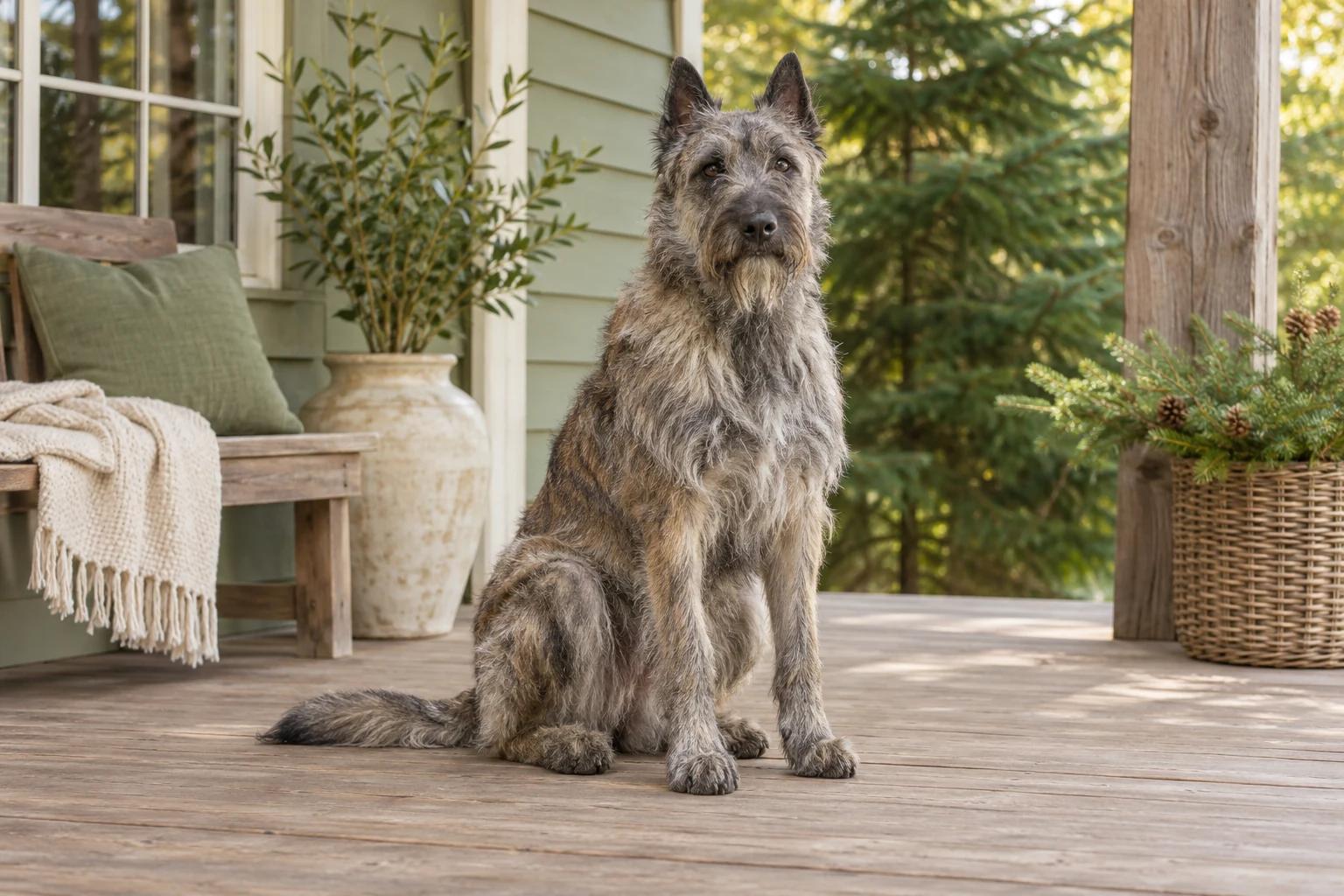
The Bouvier des Ardennes declined as farms and dairy herds disappeared. Its recovery story includes surviving working dogs and a second, overlooked breeding line.
Read article →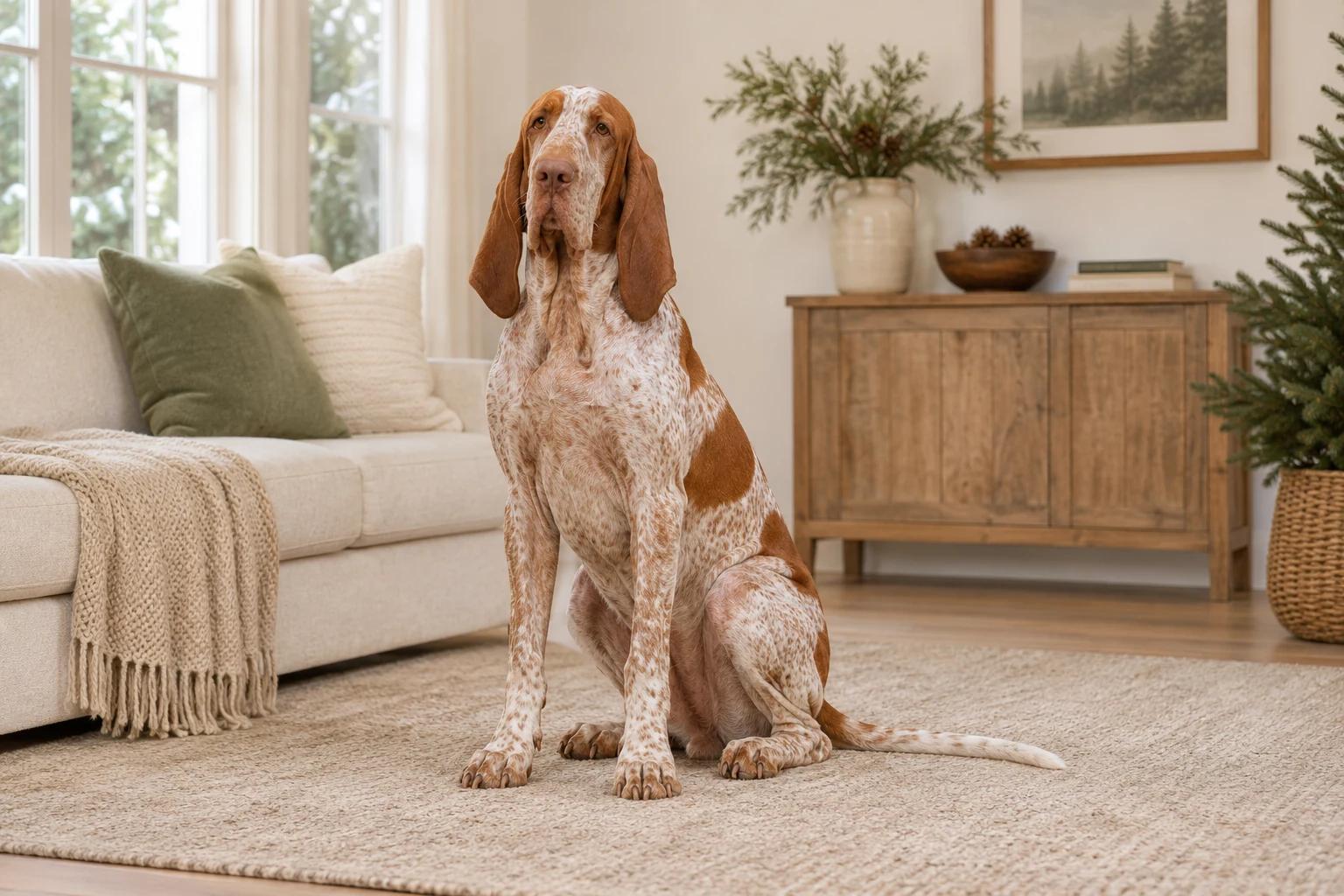
A Bracco’s field style includes an extended trot, a high head and a measured response to scent. Watch the whole search sequence rather than judging speed alone.
Read article →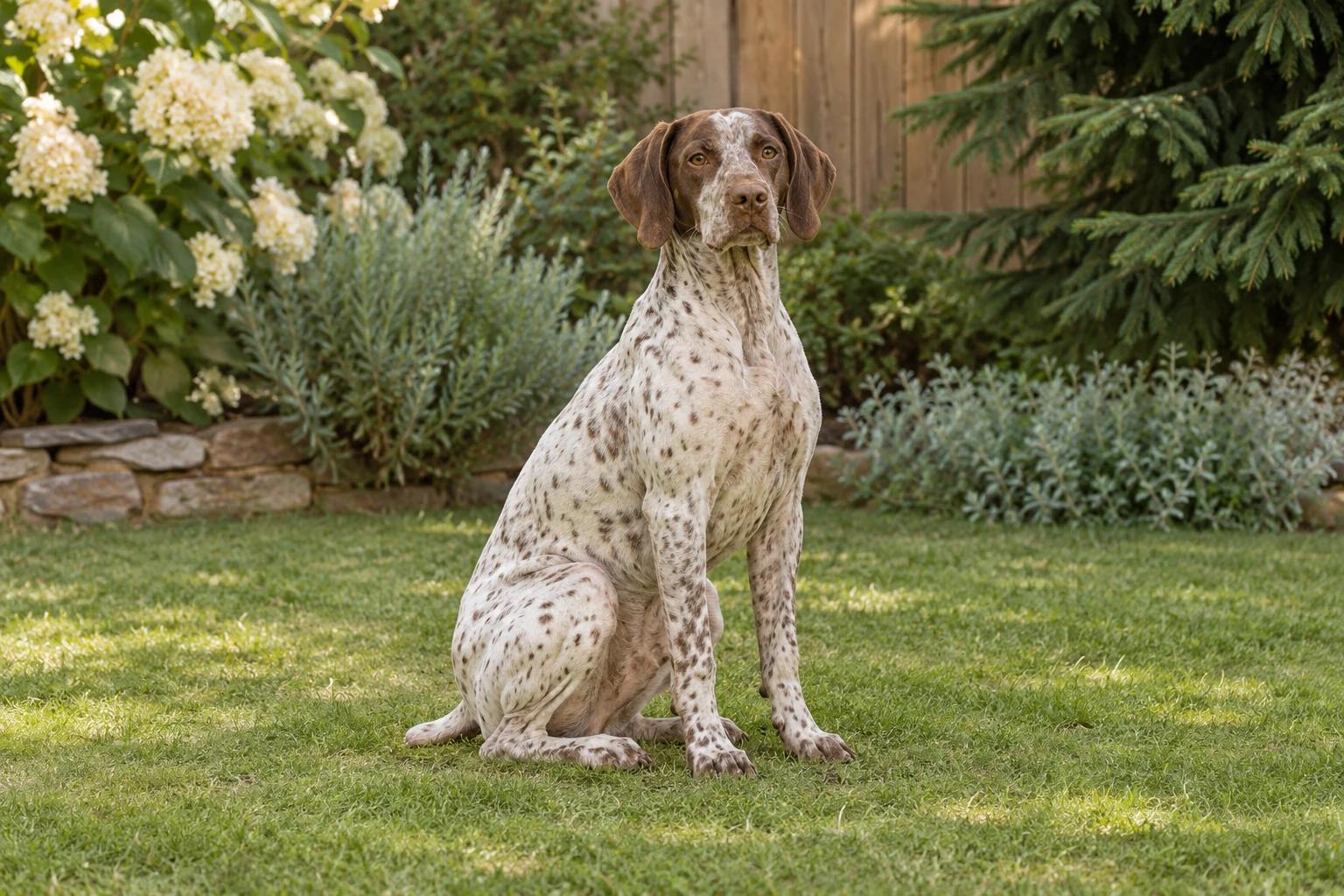
The breed’s FCI history describes the cost of insisting on one coat shade and a natural short tail. Its later standard allows a wider picture of breed type.
Read article →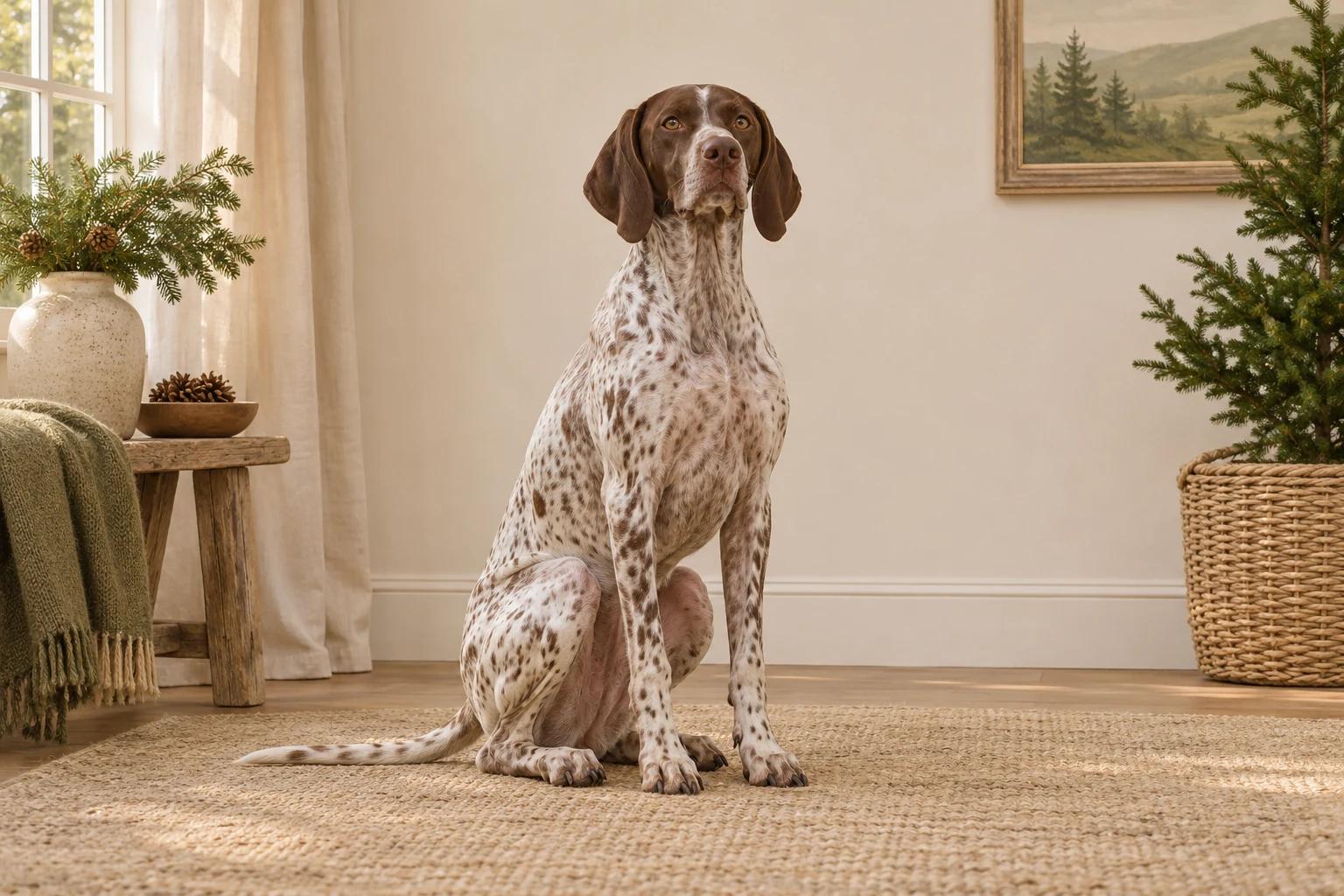
The two Braque Français types differ in size, skin, lips, ears and coat. Their FCI standards make the Pyrenean type’s lighter outline easier to understand.
Read article →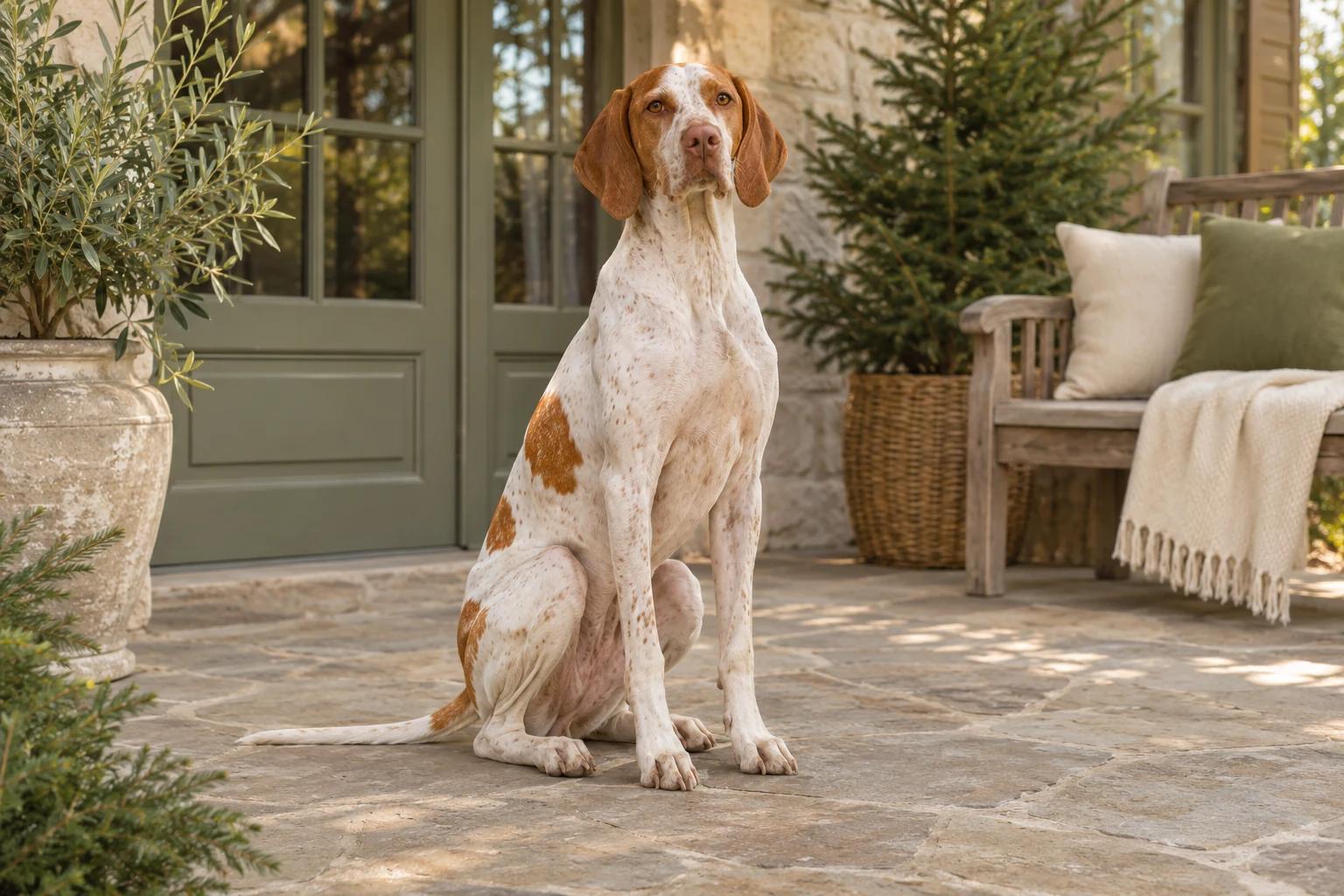
A dark-pink nose, golden-yellow eyes and orange-and-white coat are specified for the Braque Saint-Germain. Black pigment is not a universal breed ideal.
Read article →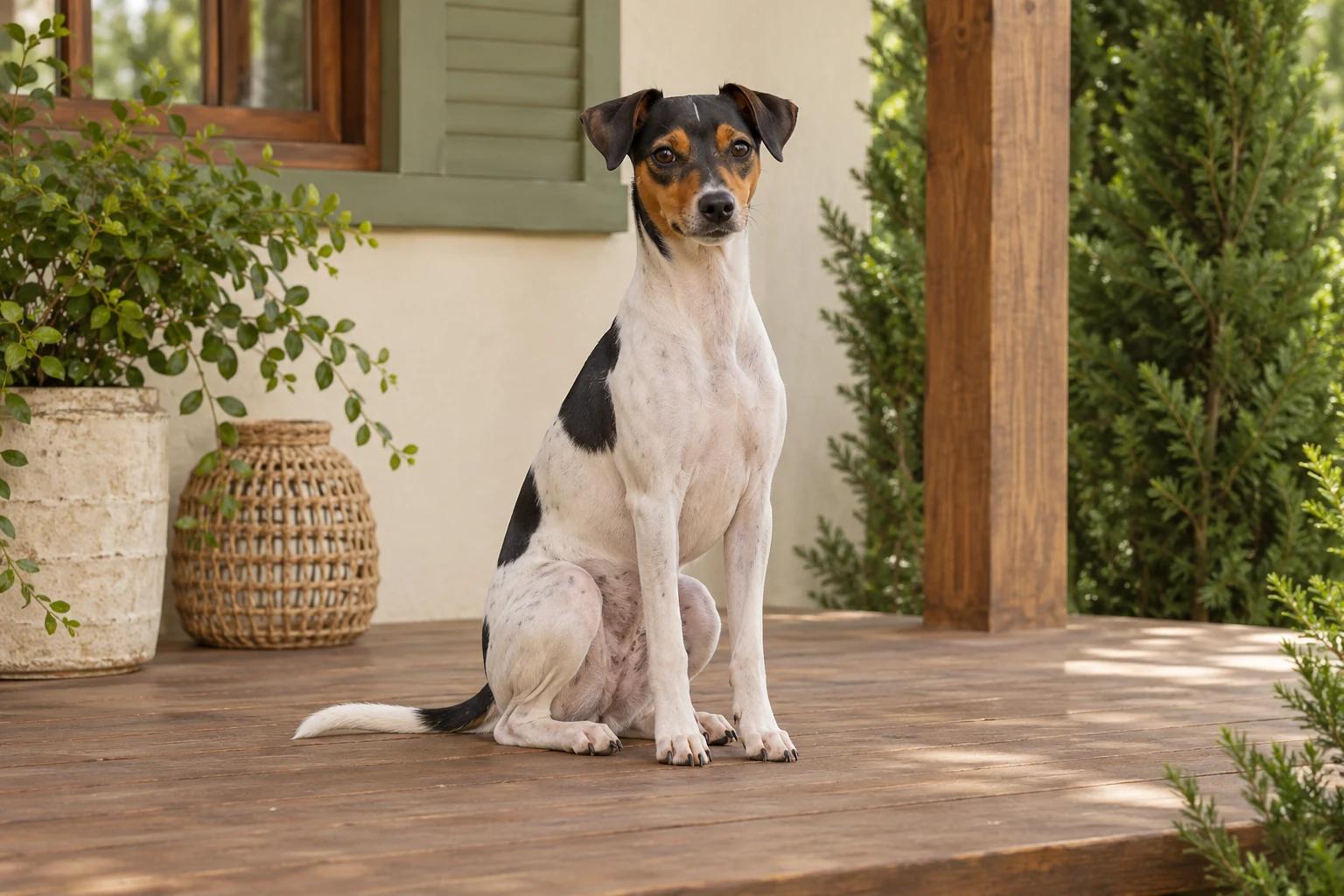
MPS VII has different known GUSB variants in Brazilian Terriers and German Shepherds. The test name alone is not enough to interpret a DNA report.
Read article →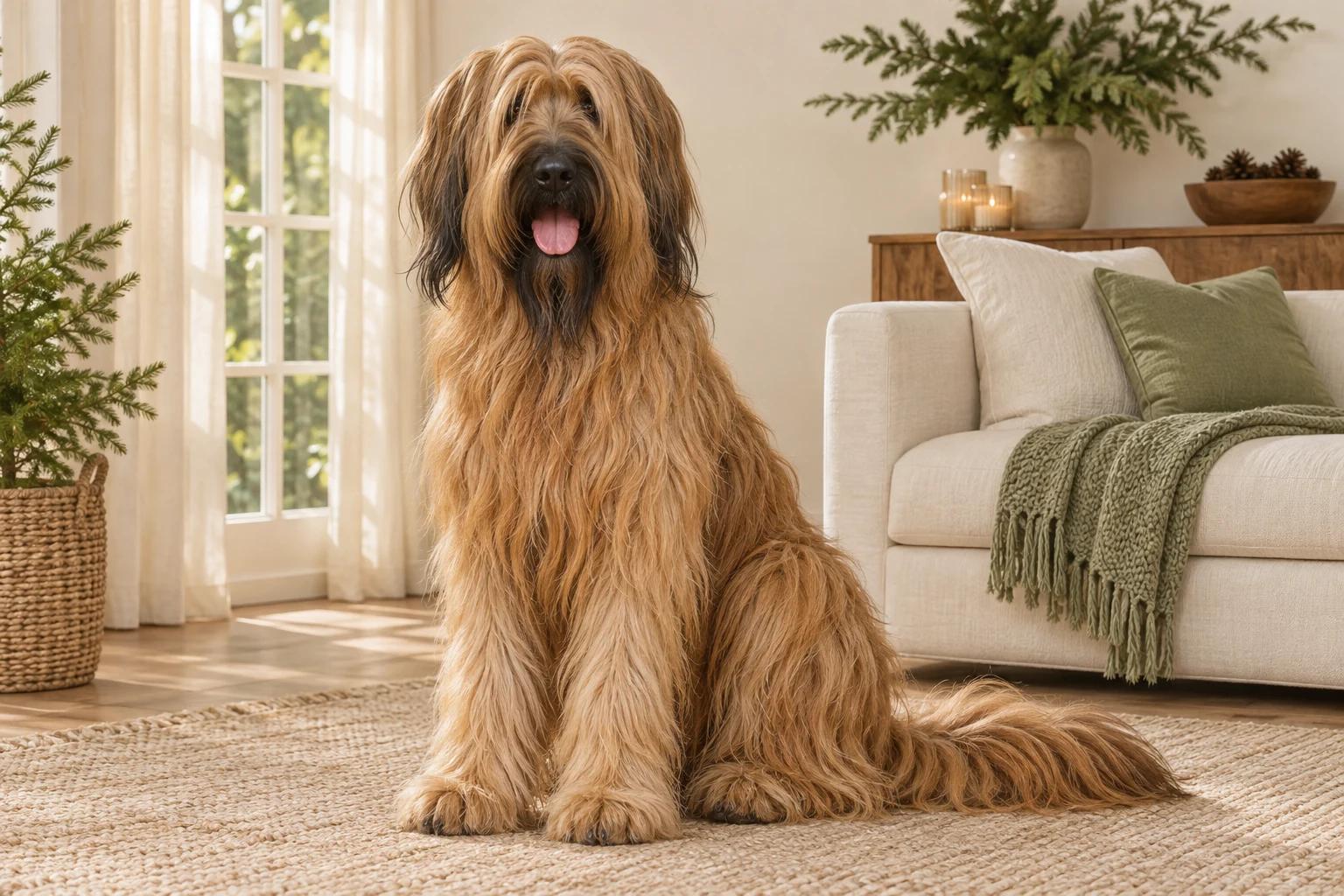
French farming gave Briards a boundary-tending job alongside gathering sheep. The layout of grazing strips explains the work better than a claim of automatic obedience.
Read article →
The Danish breed club records initial reactions and later recovery separately. Its behavior description gives a fuller picture than one label such as brave or timid.
Read article →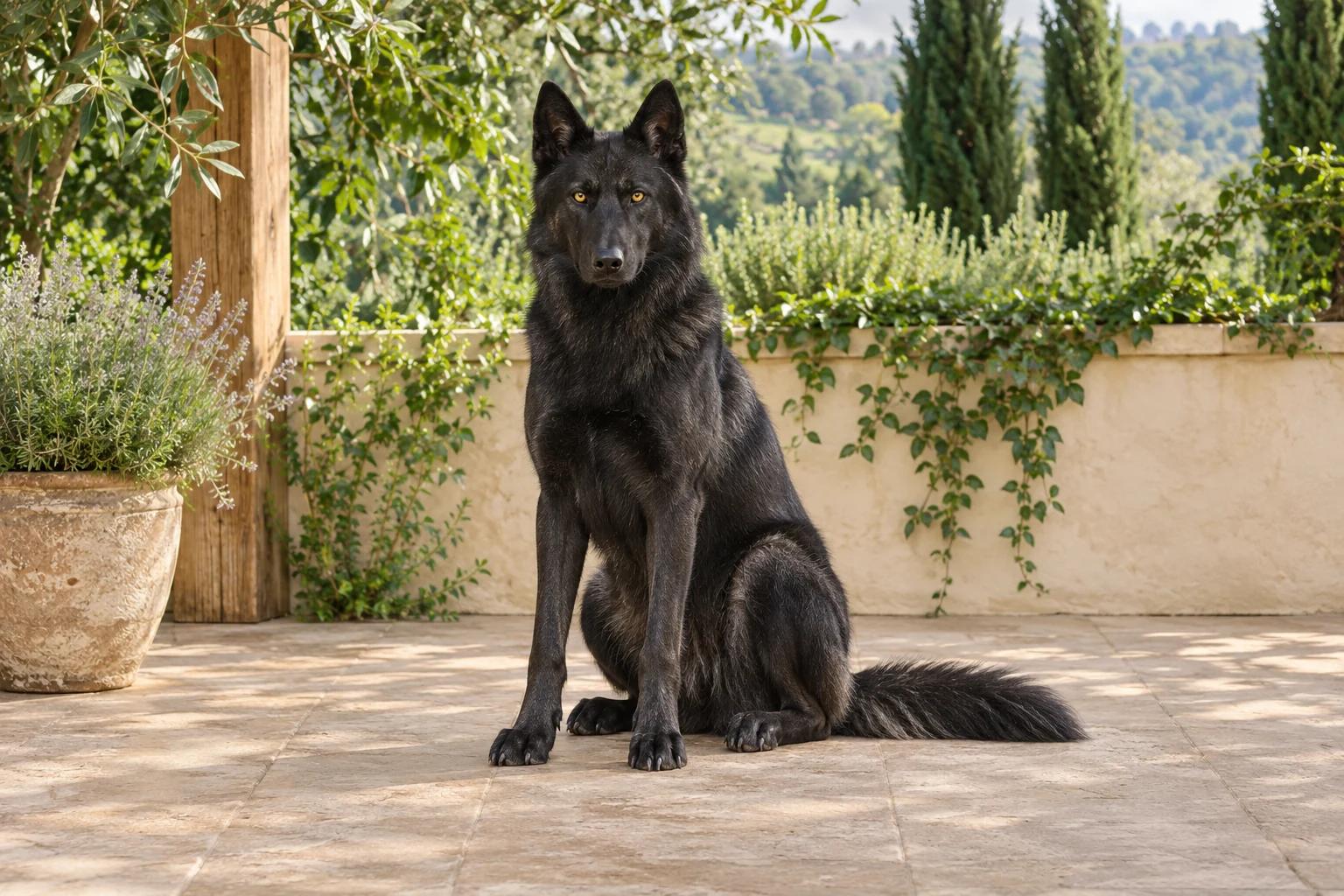
The Mexican federation describes a wolf-like outline with specific coat, eye and maturity details. Those appearance rules do not measure an individual’s ancestry.
Read article →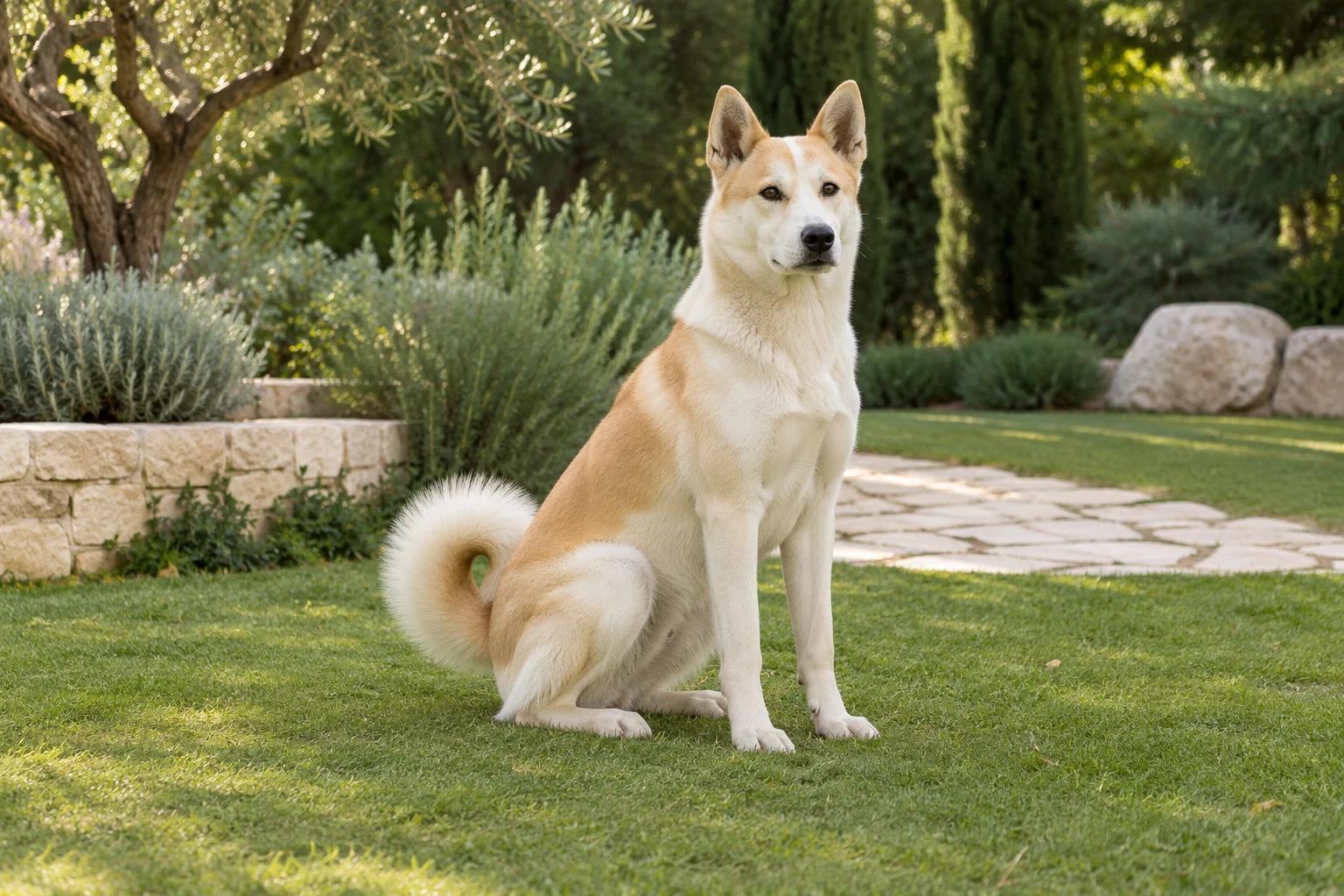
Use the Canaan club’s Meet-n-Greet program to explore stranger reserve, family attachment and alerting. Its directory roles separate adult visits from breeder discussions.
Read article →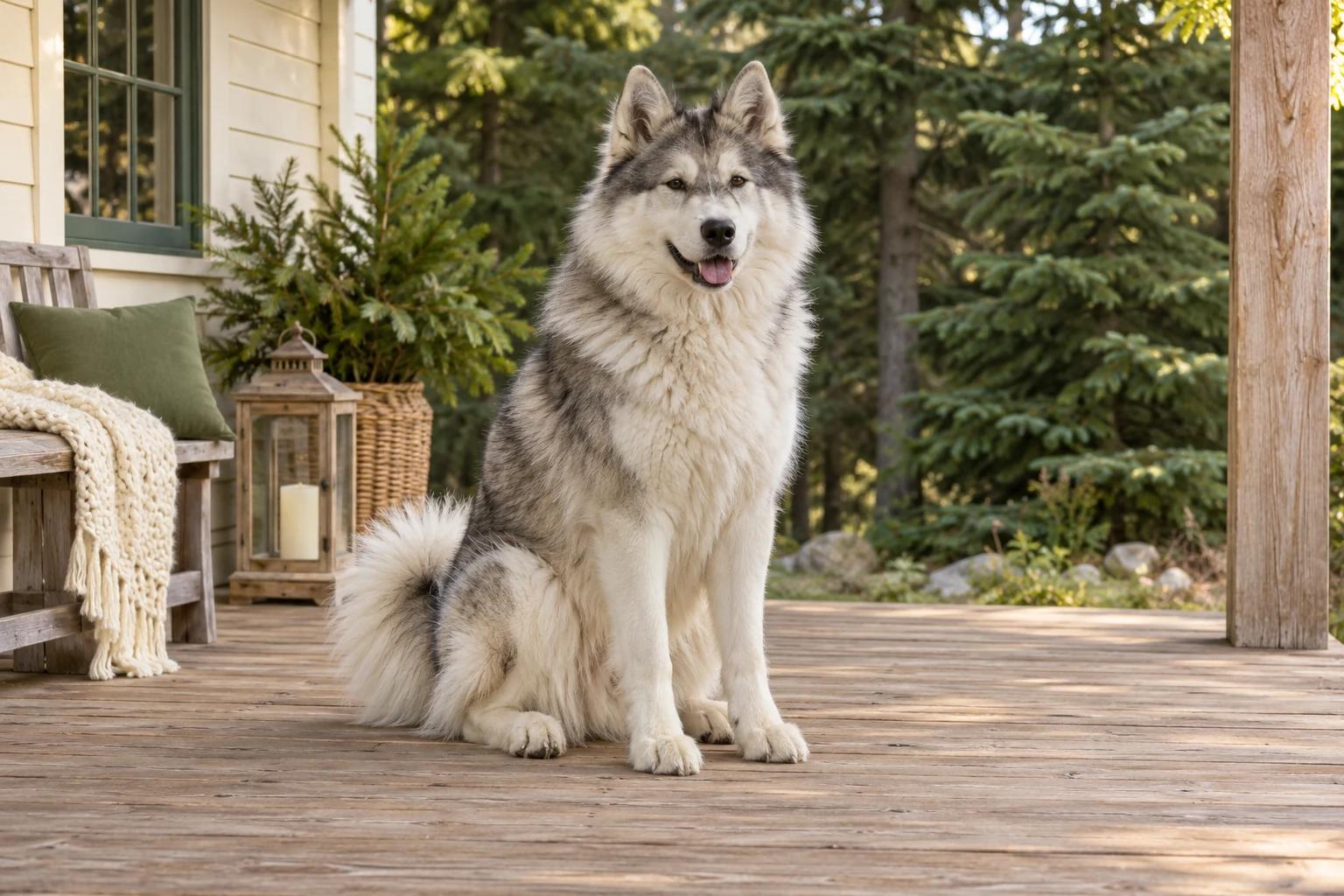
A fan hitch spreads a sled team across open terrain, while tandem arrangements suit narrow trails. Inuit sled-dog traditions give that geometry a human context.
Read article →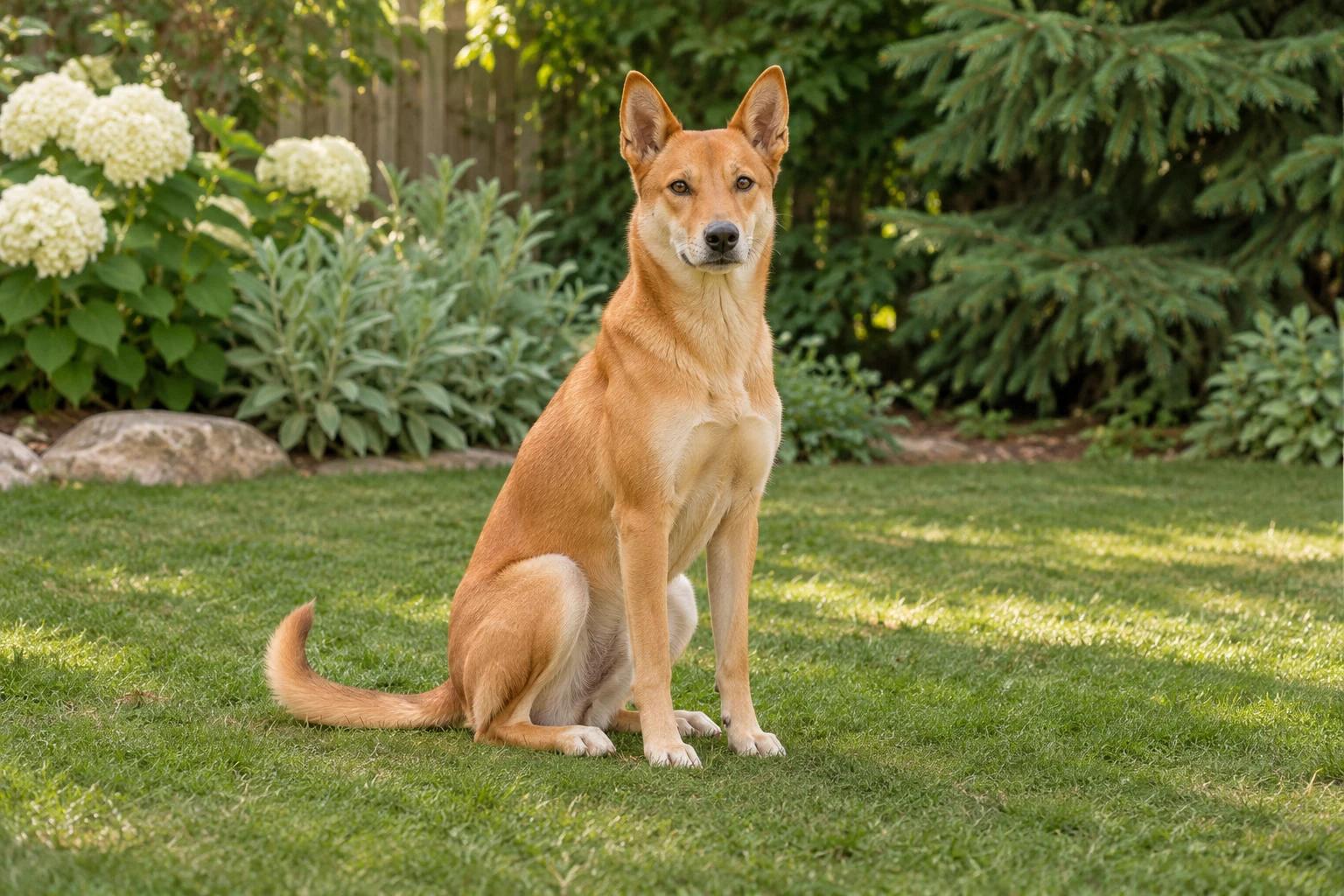
The UKC describes a hooked tail tip with several possible carriage positions. Shape and position are separate observations, and one photograph cannot show them all.
Read article →Get to know breeds, then consider your own everyday life.