When color and tail selection endangered the Braque du Bourbonnais
The breed’s FCI history describes the cost of insisting on one coat shade and a natural short tail. Its later standard allows a wider picture of breed type.
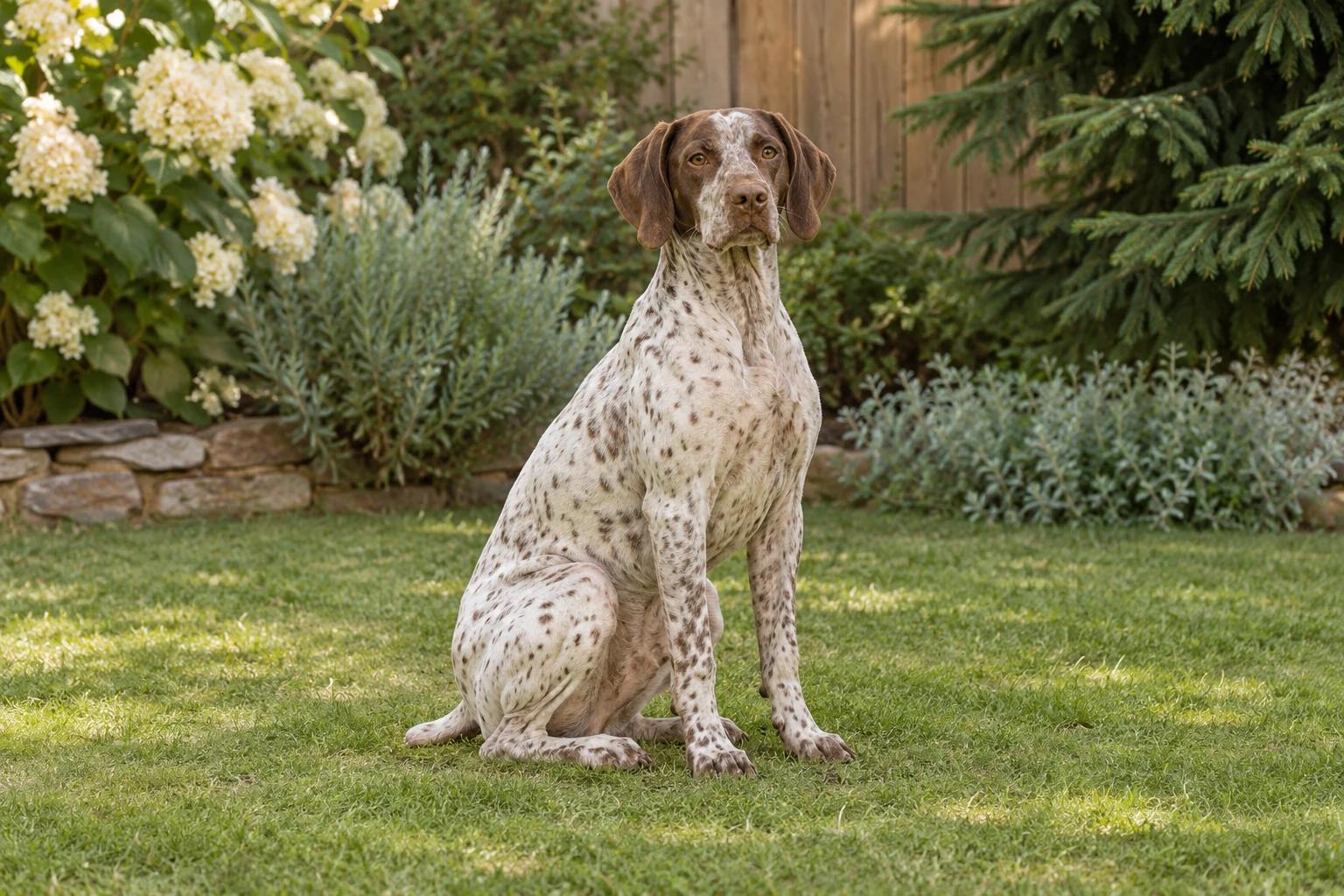
Two appearance rules became a problem
The Braque du Bourbonnais offers an unusually direct warning about narrow selection in its own breed standard. The FCI’s history says breeders in the 1930s insisted on a faded-lilac coat and a naturally short tail. It identifies that strict selection as a threat to the breed’s survival. A group of breeders began a recovery effort in the 1970s.
That account is more specific than saying the breed simply became unfashionable. It describes two preferred features becoming requirements that endangered the population. It does not supply a genetic-diversity measurement or establish that every dog excluded for those features was otherwise suitable for breeding.
Read the later description in full
The 2006 FCI standard describes a largely white coat with fine brown ticking or fawn flecking and also accepts roan, where white and colored hairs mingle. It acknowledges dogs born tailless as well as dogs with long tails, giving a carriage description for the latter in countries where docking is prohibited. This is not a rule that every Bourbonnais must be born with the same short tail.
A useful question for breed history
When someone presents one unusual feature as the entire definition of this breed, ask how that claim fits the documented recovery story and the complete standard. A single photograph may illustrate a striking example; it cannot explain all the variation described in the text.
The lesson is about how selection priorities are framed. Preserving a breed requires considering the dog as a whole. A memorable shade or tail shape makes a poor substitute for that wider discussion.
Sources behind this article
Article source checked: October 20, 2026. Source checked 2026-10-20
Keep reading
Braque du Bourbonnais temperament: a practical guide
Read article →