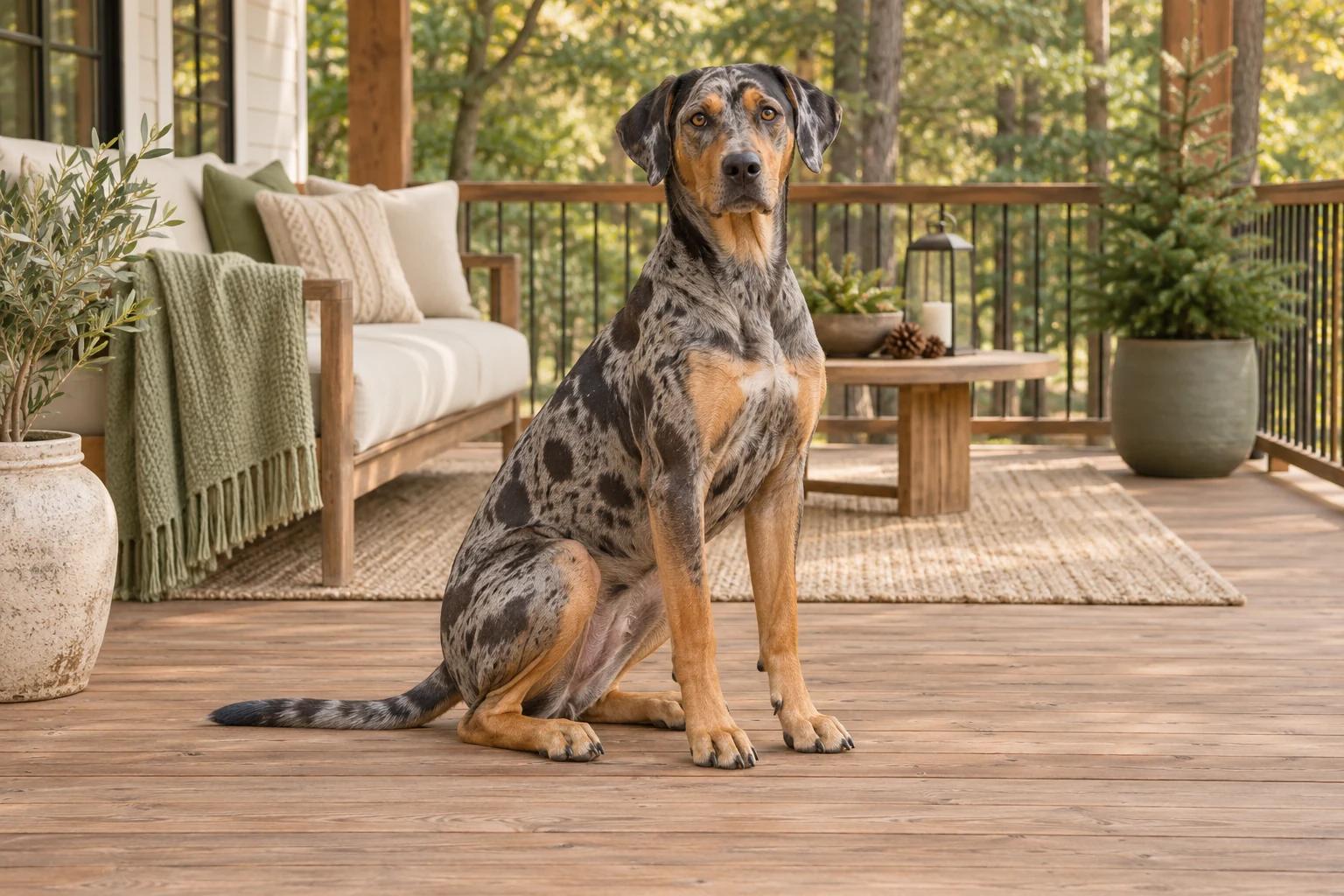
Catahoula coats include more than the leopard pattern
The UKC describes solid, brindle, patchwork and leopard Catahoulas, with no preferred eye color. A familiar spotted, blue-eyed portrait represents only part of the breed.
Read article →Explore the routines, questions, and small decisions behind life with a dog.
1268 articles to explore

The UKC describes solid, brindle, patchwork and leopard Catahoulas, with no preferred eye color. A familiar spotted, blue-eyed portrait represents only part of the breed.
Read article →
The FCI lists desirable heights and minimum weights, then requires balanced proportions and movement. Those labels matter when comparing large-dog size claims.
Read article →
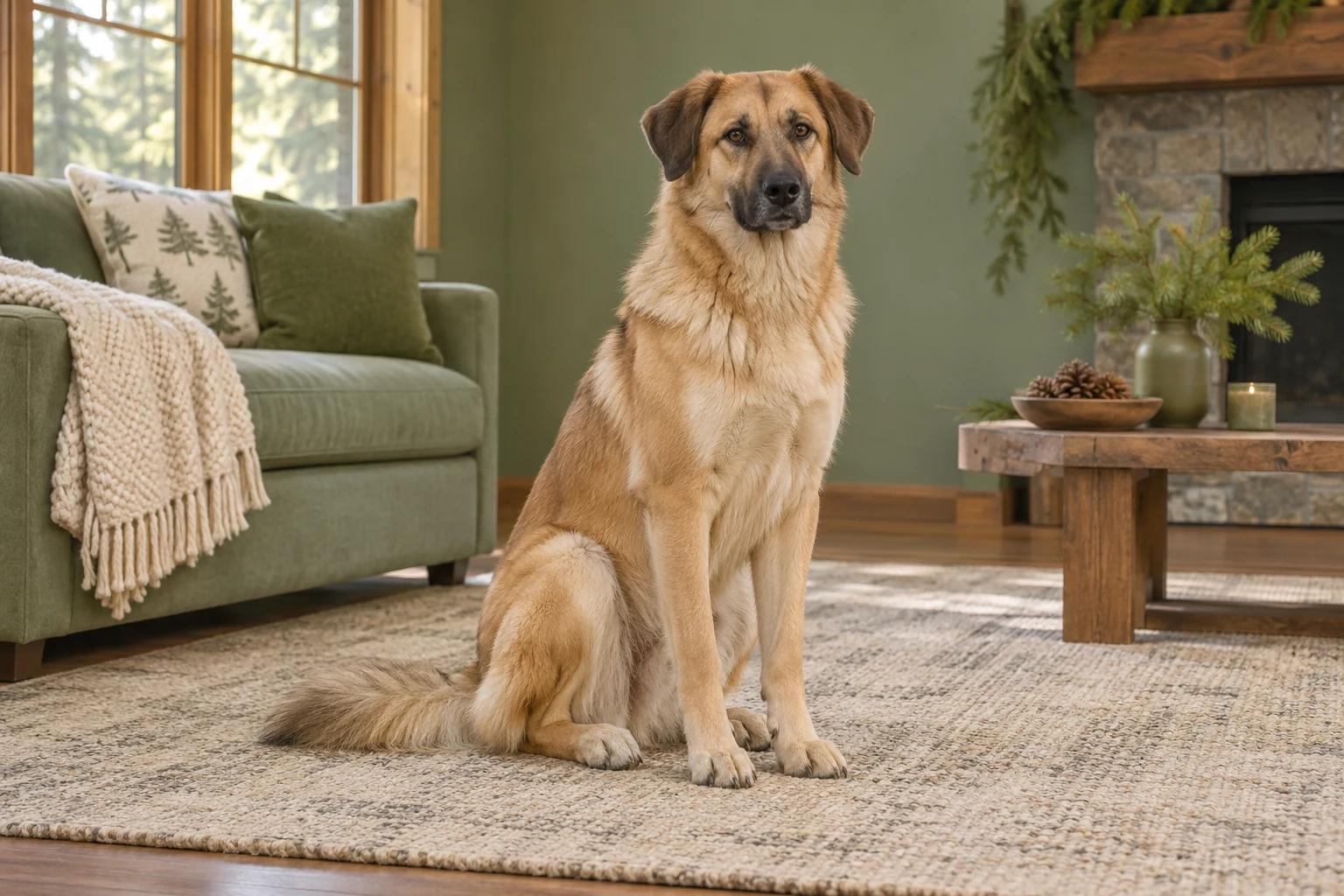
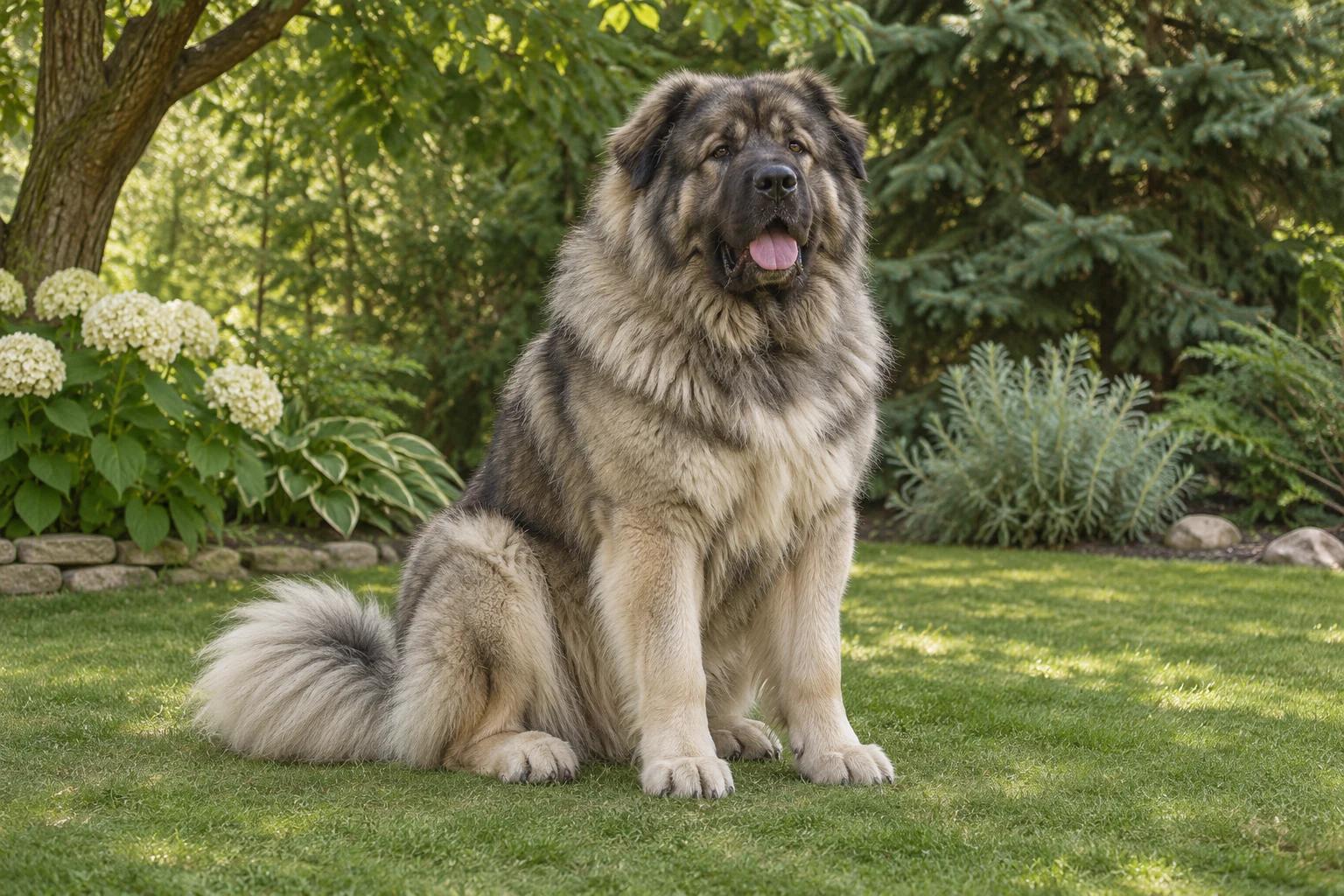
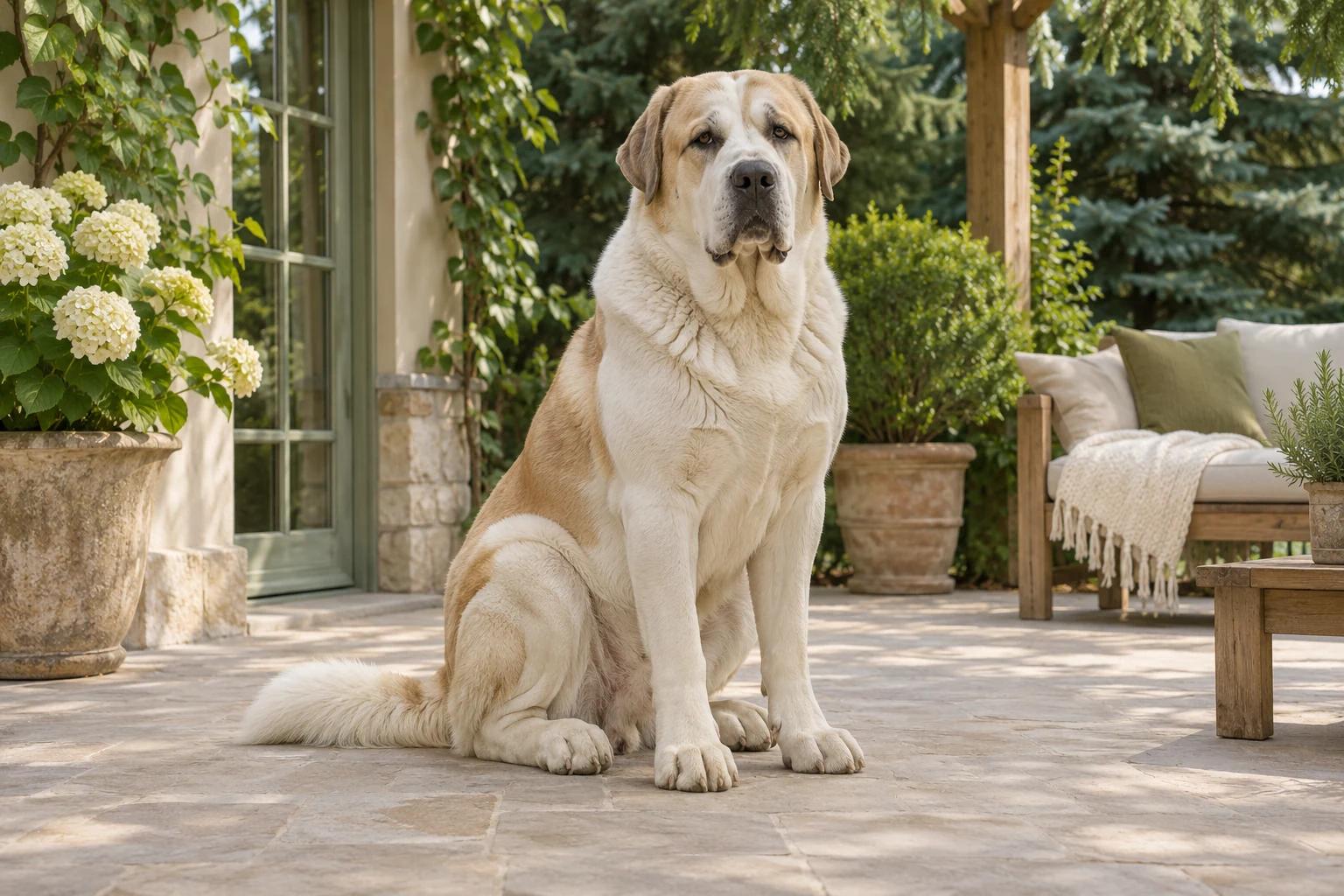
Staying with livestock and treating them safely are separate requirements. Examine roaming, fence behavior and rough handling with an experienced guardian-dog adviser.
Read article →
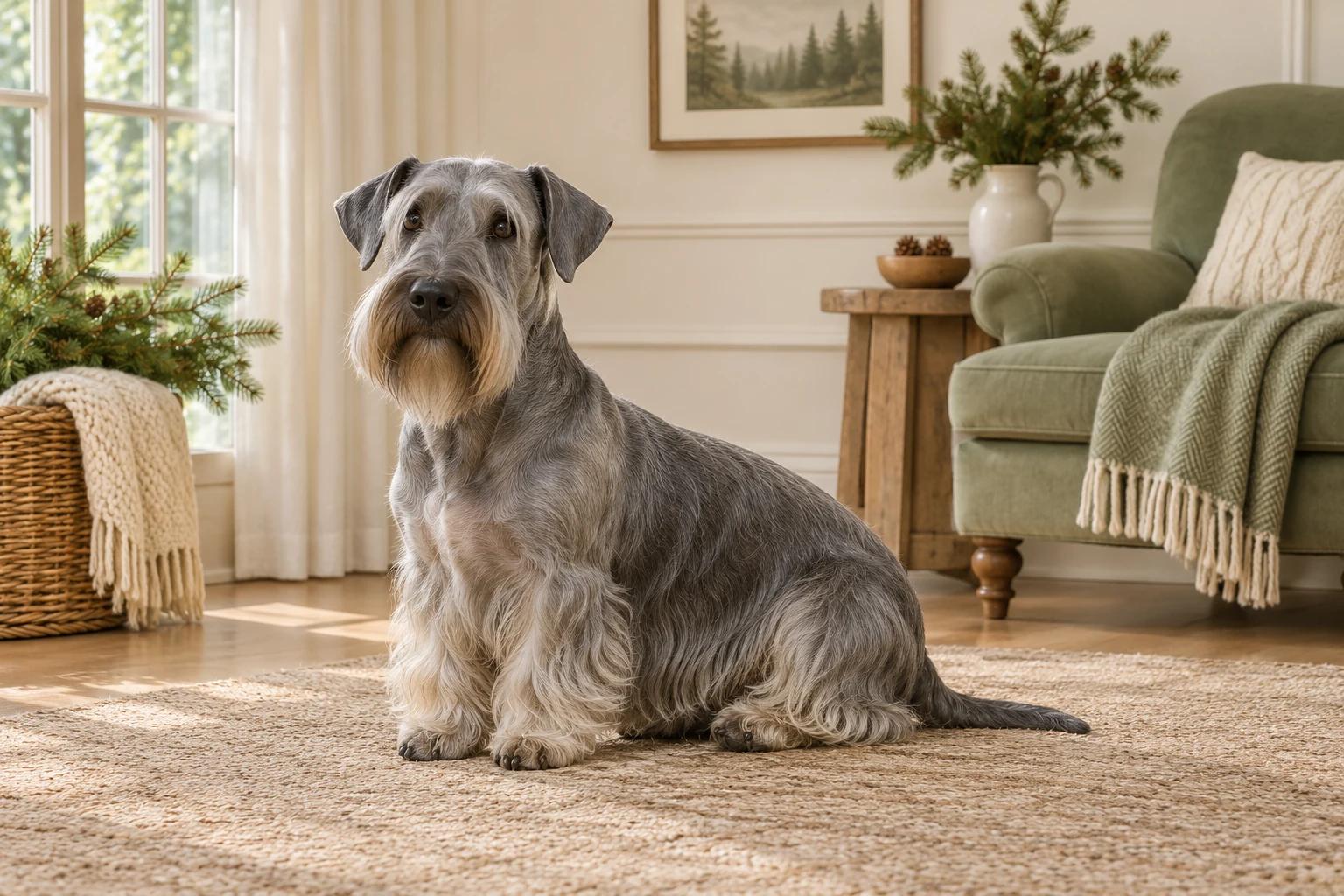
The Cesky’s standard explicitly describes a clipped outline with retained brows, beard and lower furnishings. Its silhouette depends on transitions as well as hair length.
Read article →
The Chinook Owners Association uses managed outcrossing to broaden its breed’s gene pool. Program goals, approved founders and later generations have different roles.
Read article →
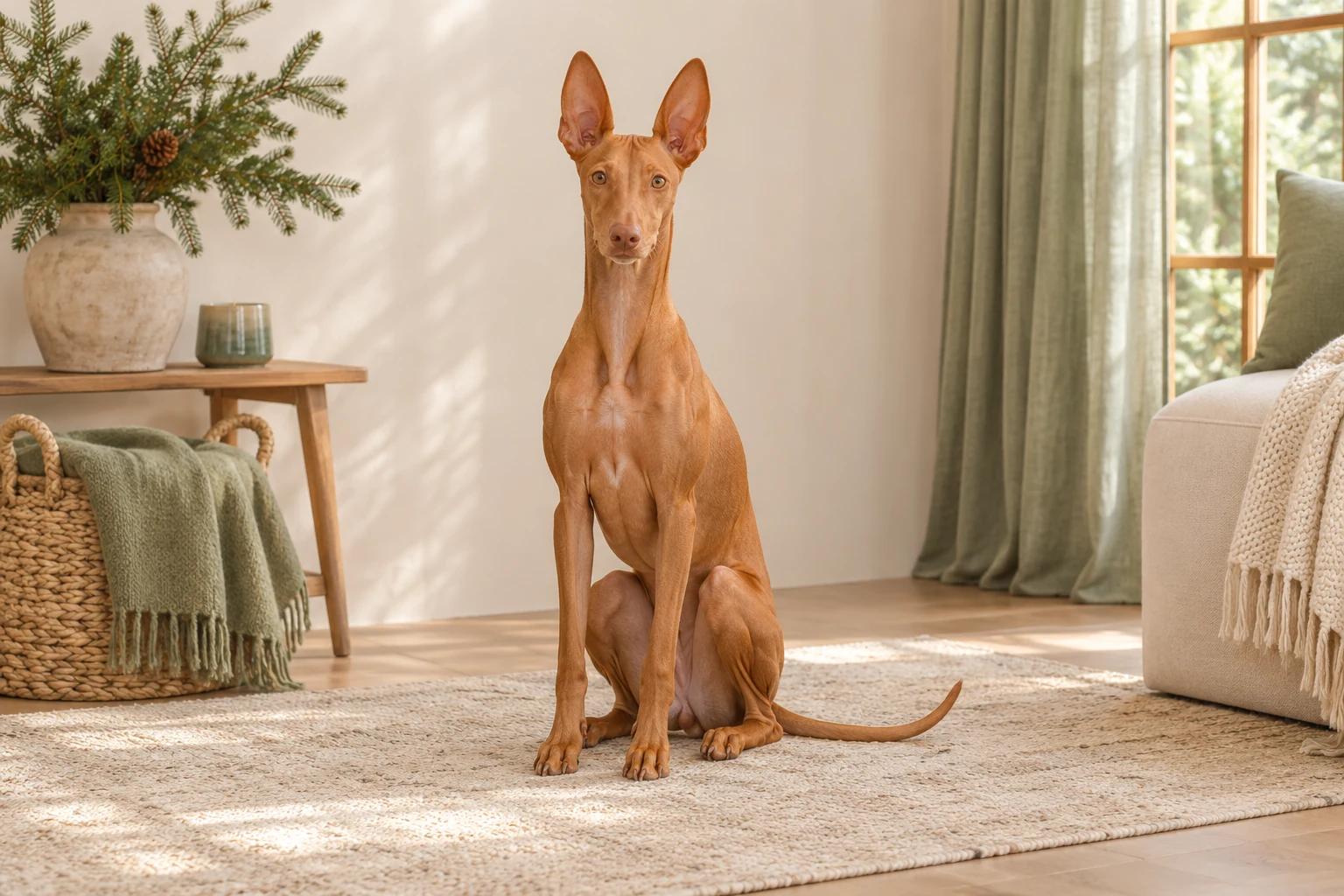
The Cirneco’s FCI description gives smell a central role in finding rabbits around Etna. Sight, hearing and sure-footed movement contribute to different parts of the search.
Read article →
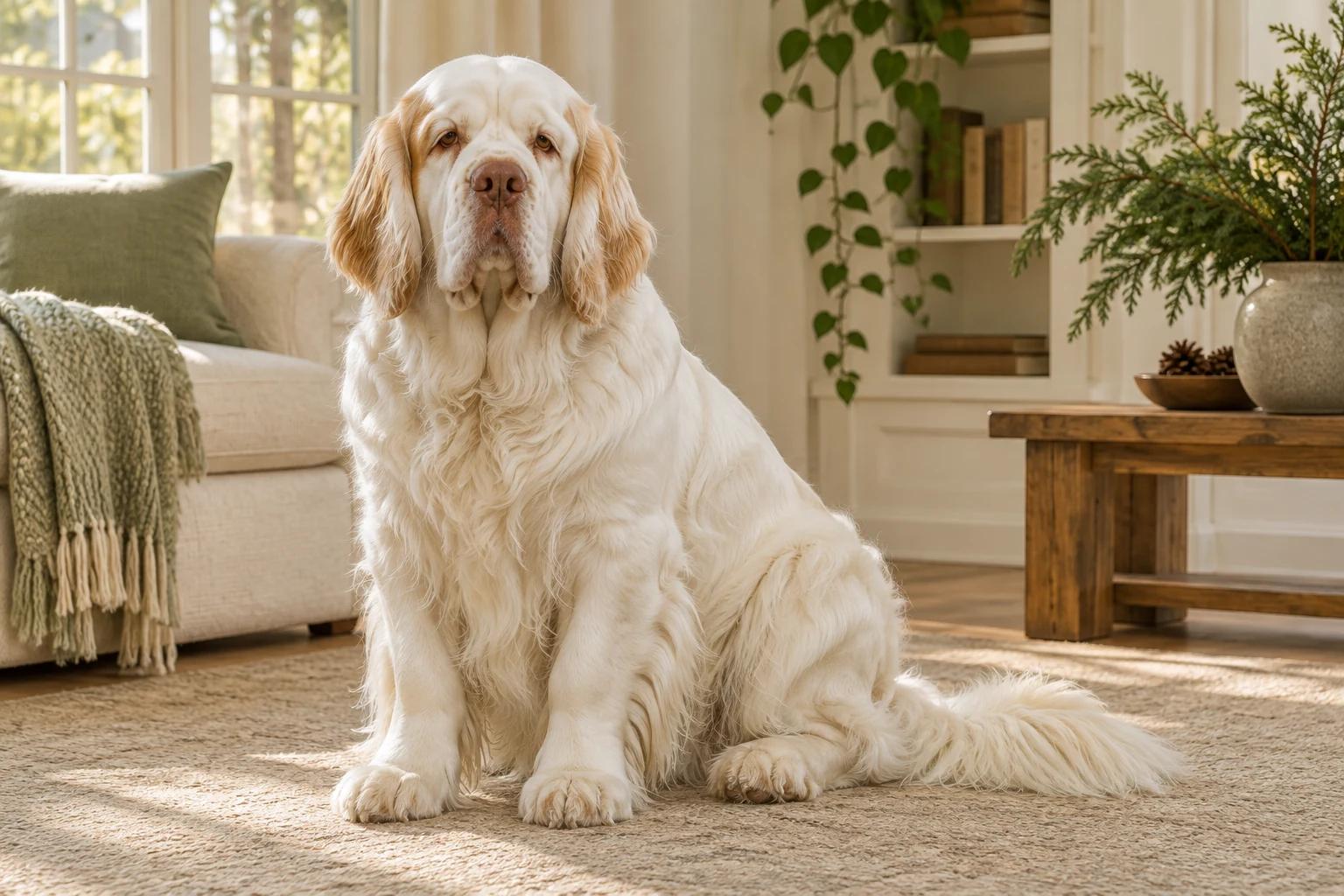
The American breed club rejects the familiar French Revolution escape story as unsubstantiated. Clumber Park and neighboring estates have firmer connections to the breed.
Read article →
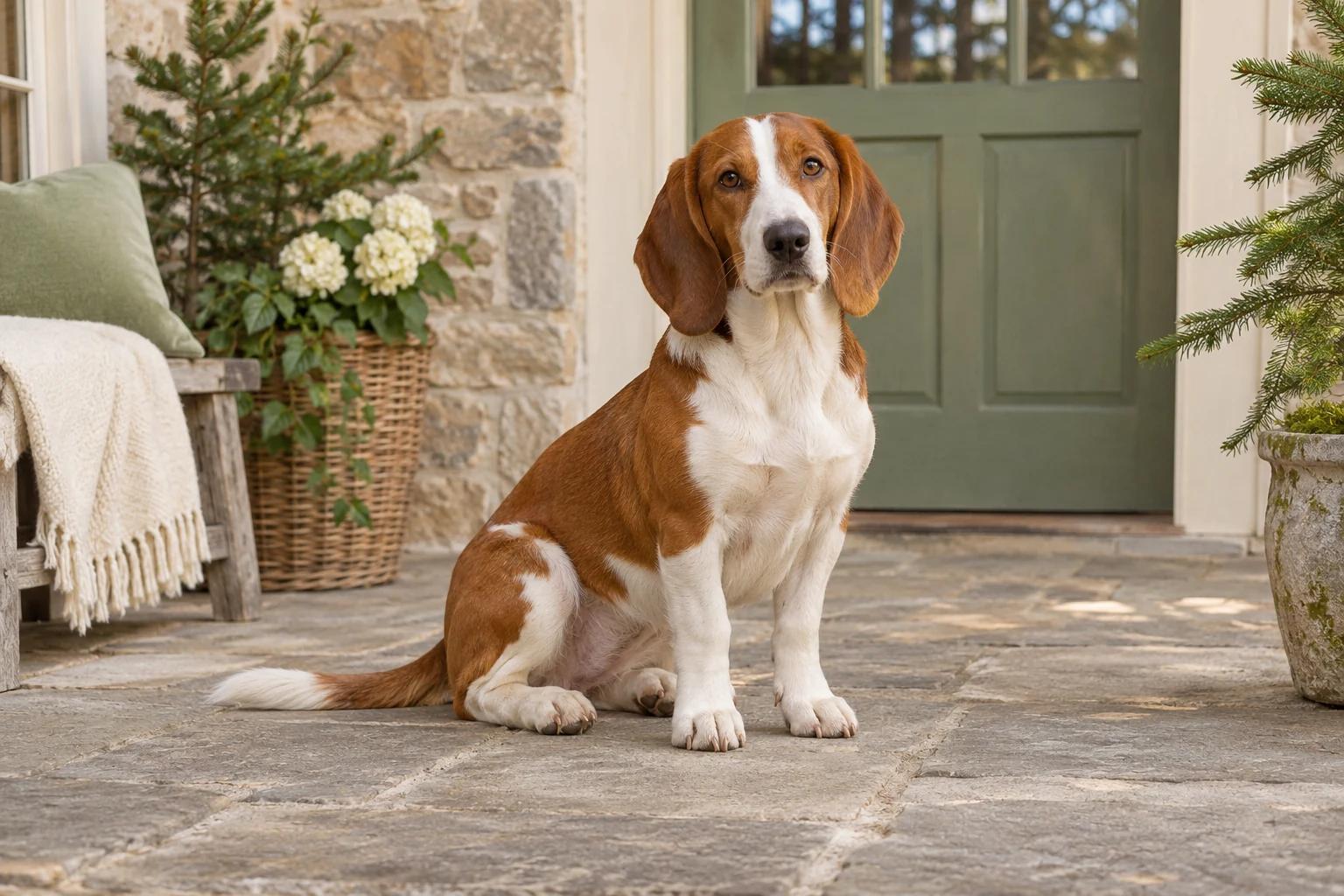
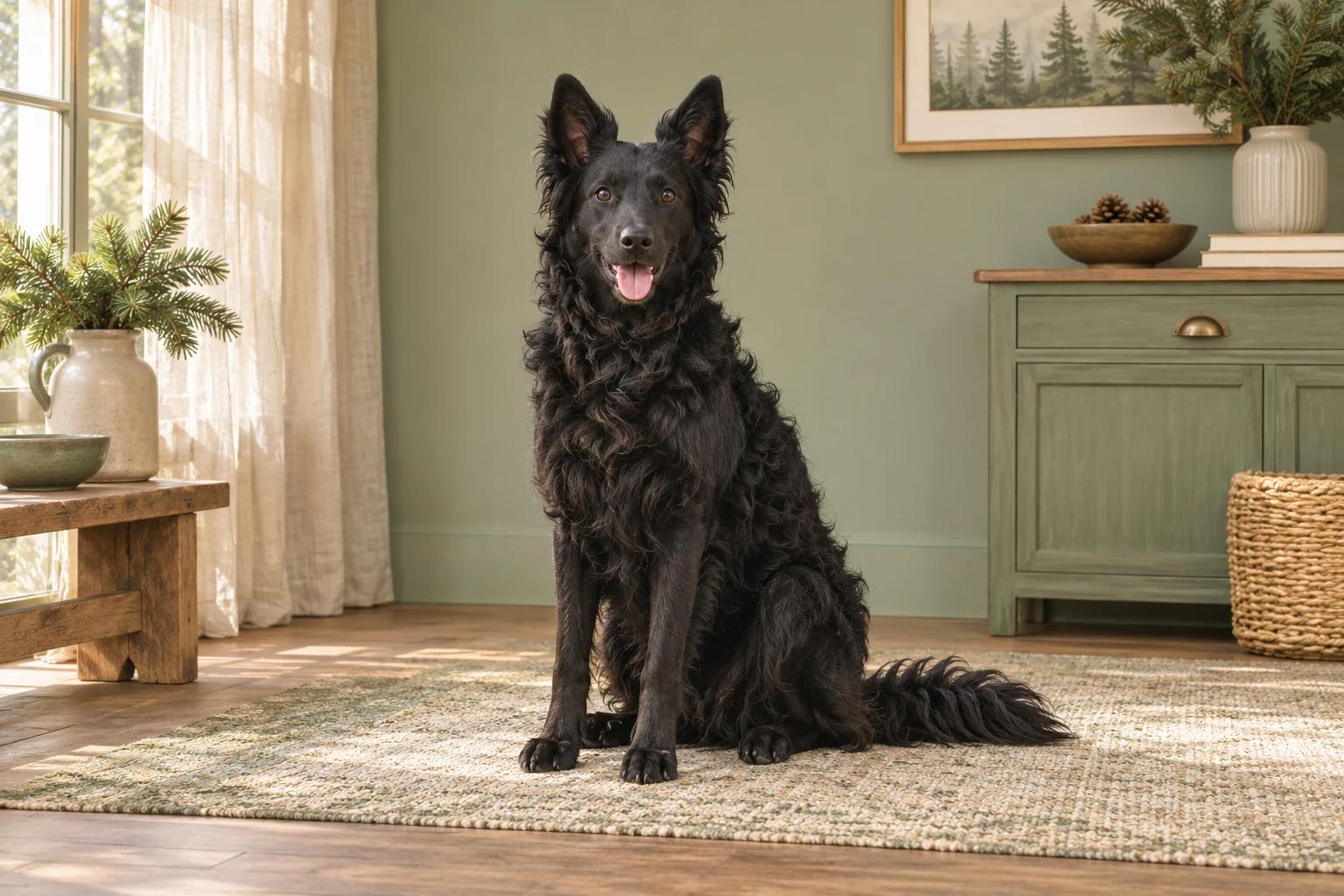
The FCI standard permits two ear forms for the Croatian Sheepdog and describes the tipped form precisely. Symmetry and proportion matter alongside whether the tips fold.
Read article →
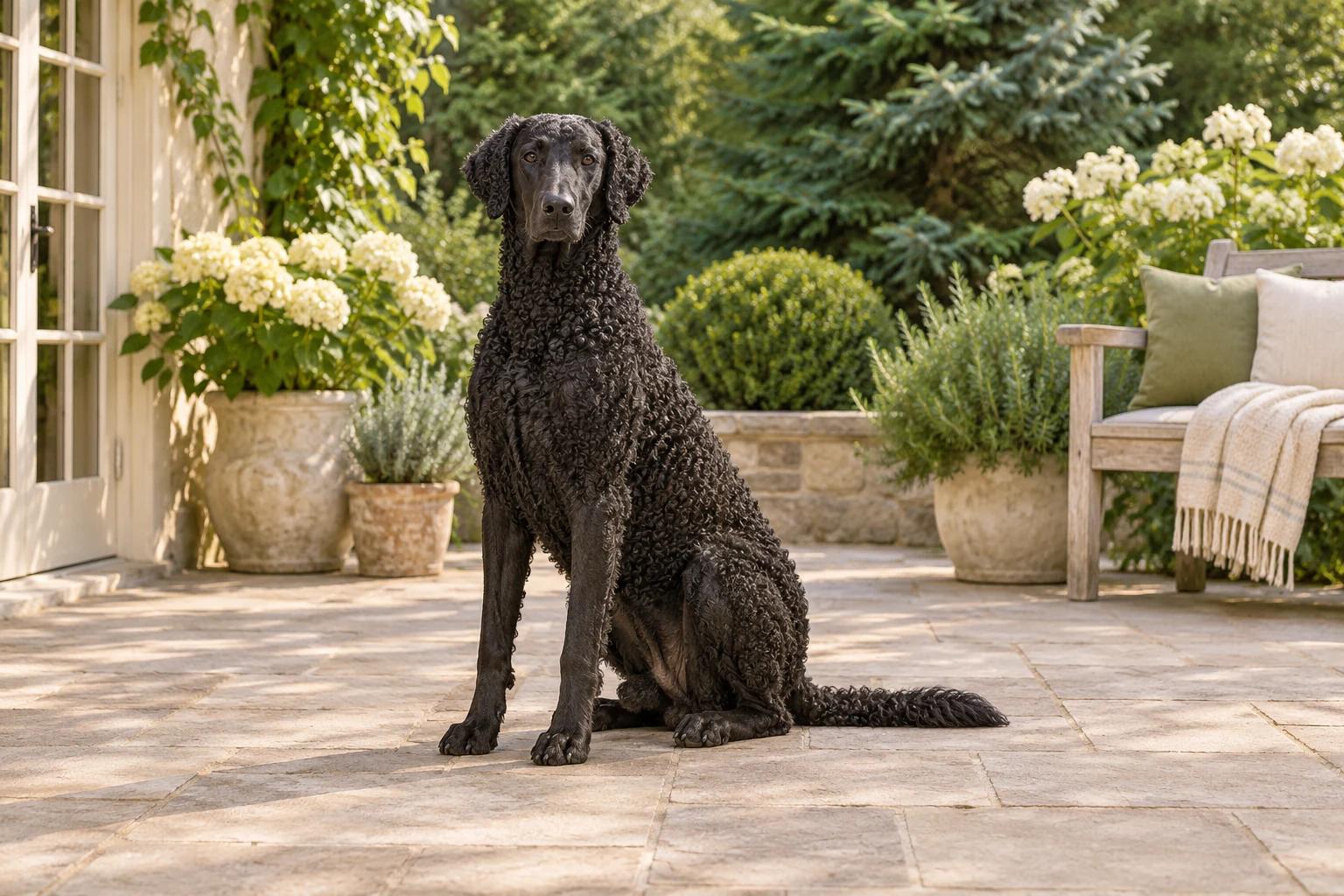
The breed club’s working certificates progress from simple land and water retrieves to more complex marks and handler-directed work. The letters describe different tests.
Read article →
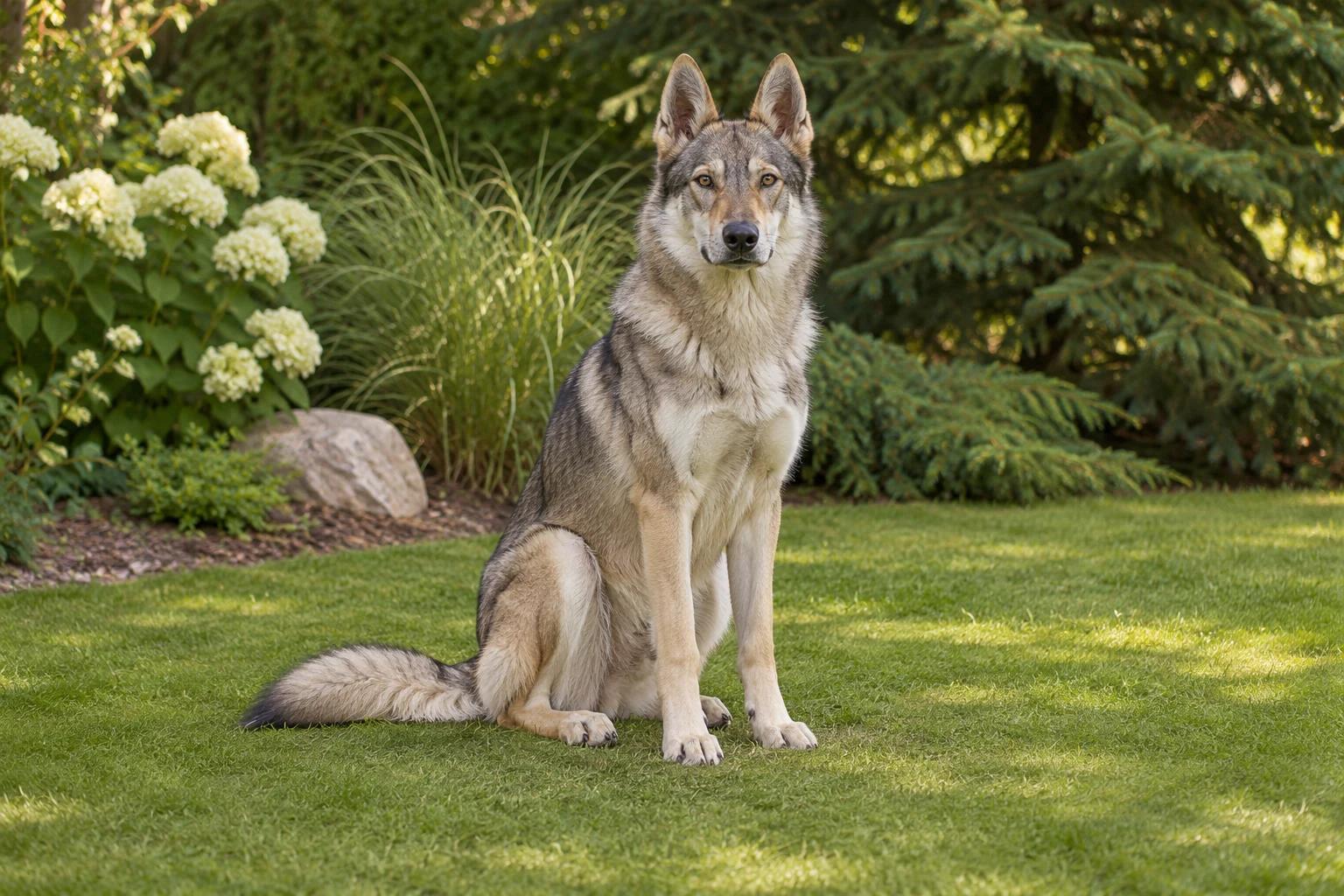
The FCI history distinguishes the 1955 experiment, a 1965 breeding plan and national recognition in 1982. Those milestones describe different stages of breed development.
Read article →
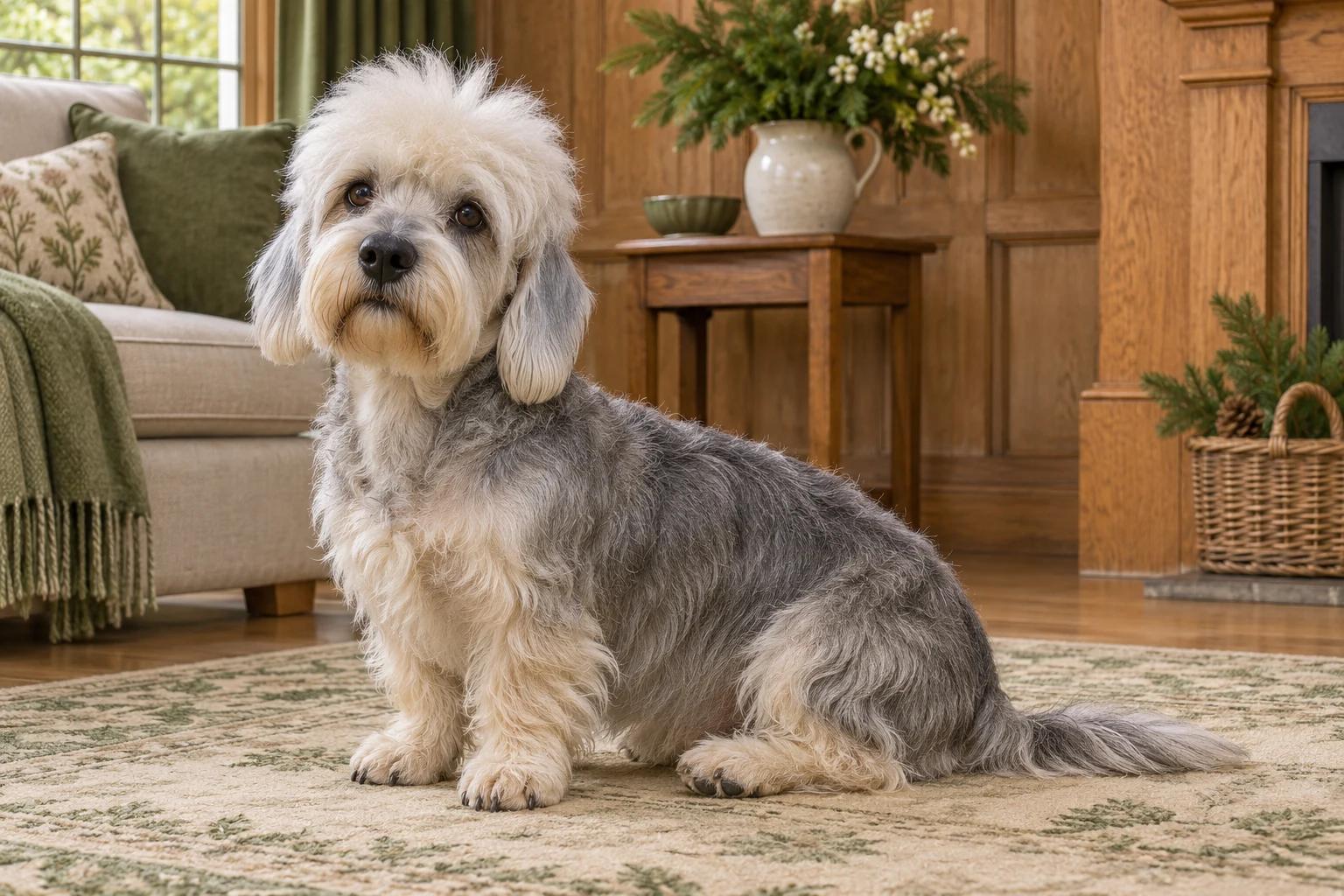
The Dandie Dinmont name comes from Guy Mannering. Pepper and mustard connect the novel’s terriers with the color language still used in the breed standard.
Read article →
The FCI describes a farm watchdog, ratter and companion, classified as a pinscher type. Those separate labels explain different parts of the breed’s background.
Read article →
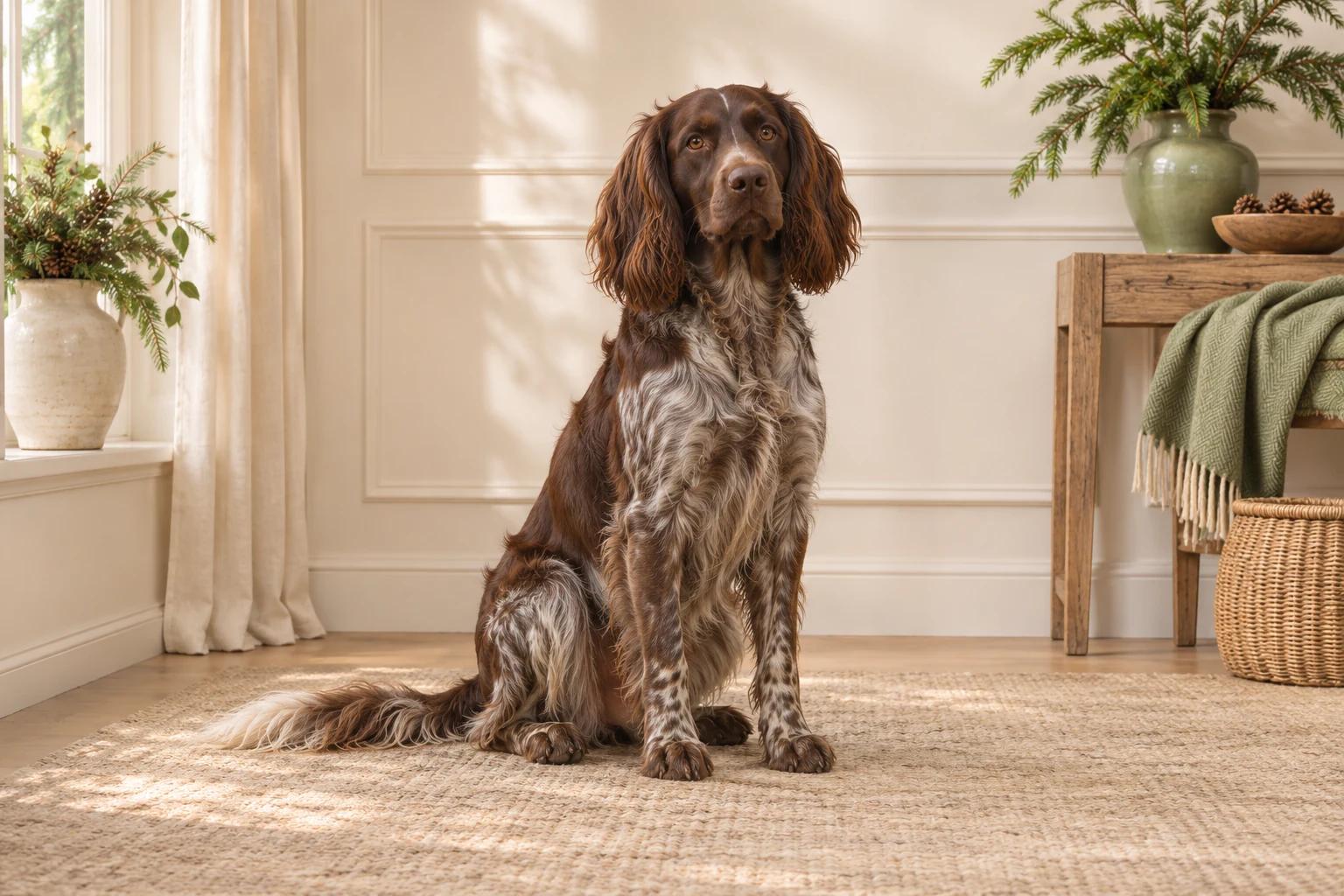
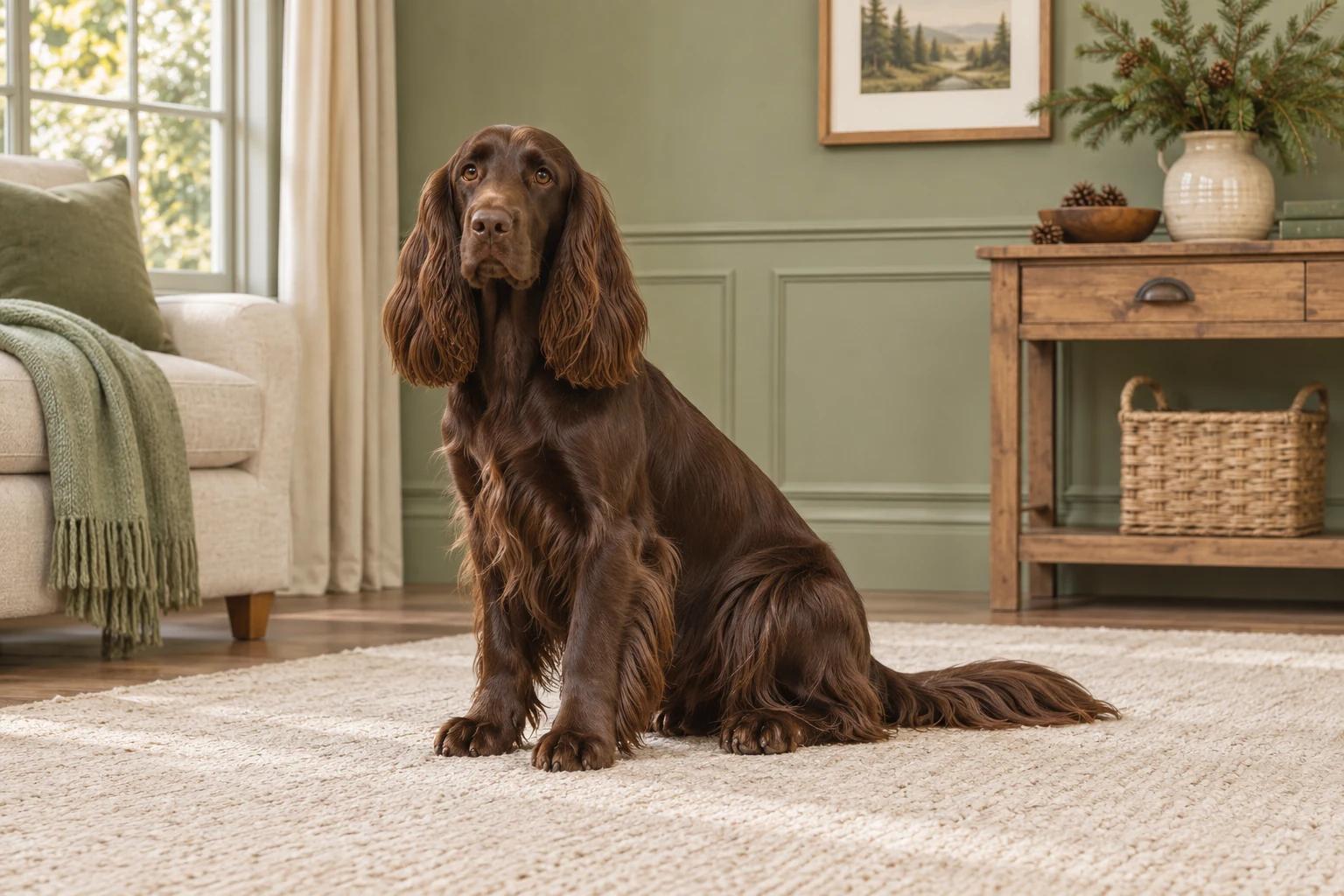
The Wachtelhund’s standard records historical brown and roan breeding strains, then explicitly warns that their old working differences no longer hold.
Read article →
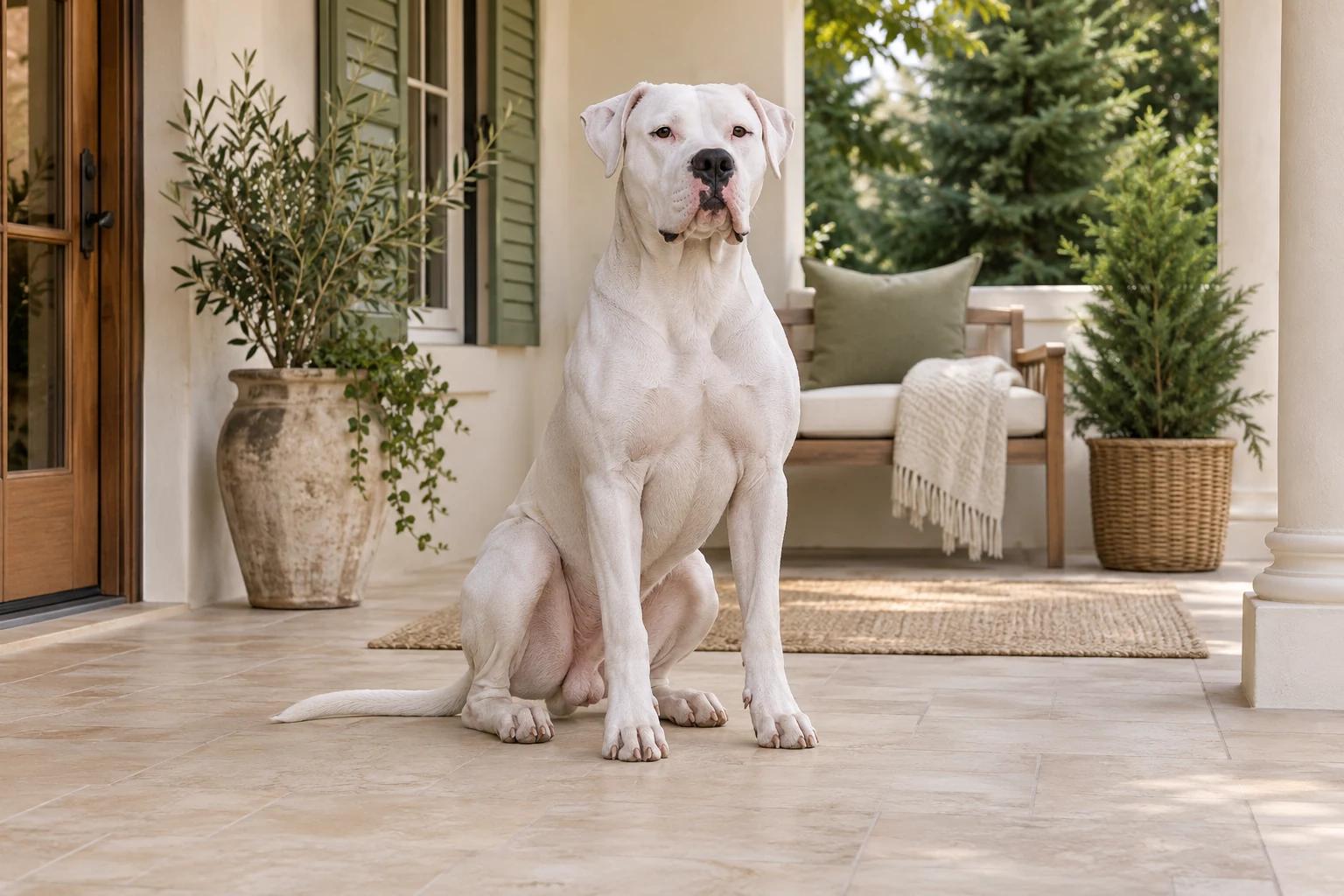
BAER testing and a CHIC number answer different questions. Check the individual hearing result, the dog’s identification and the underlying public health records.
Read article →
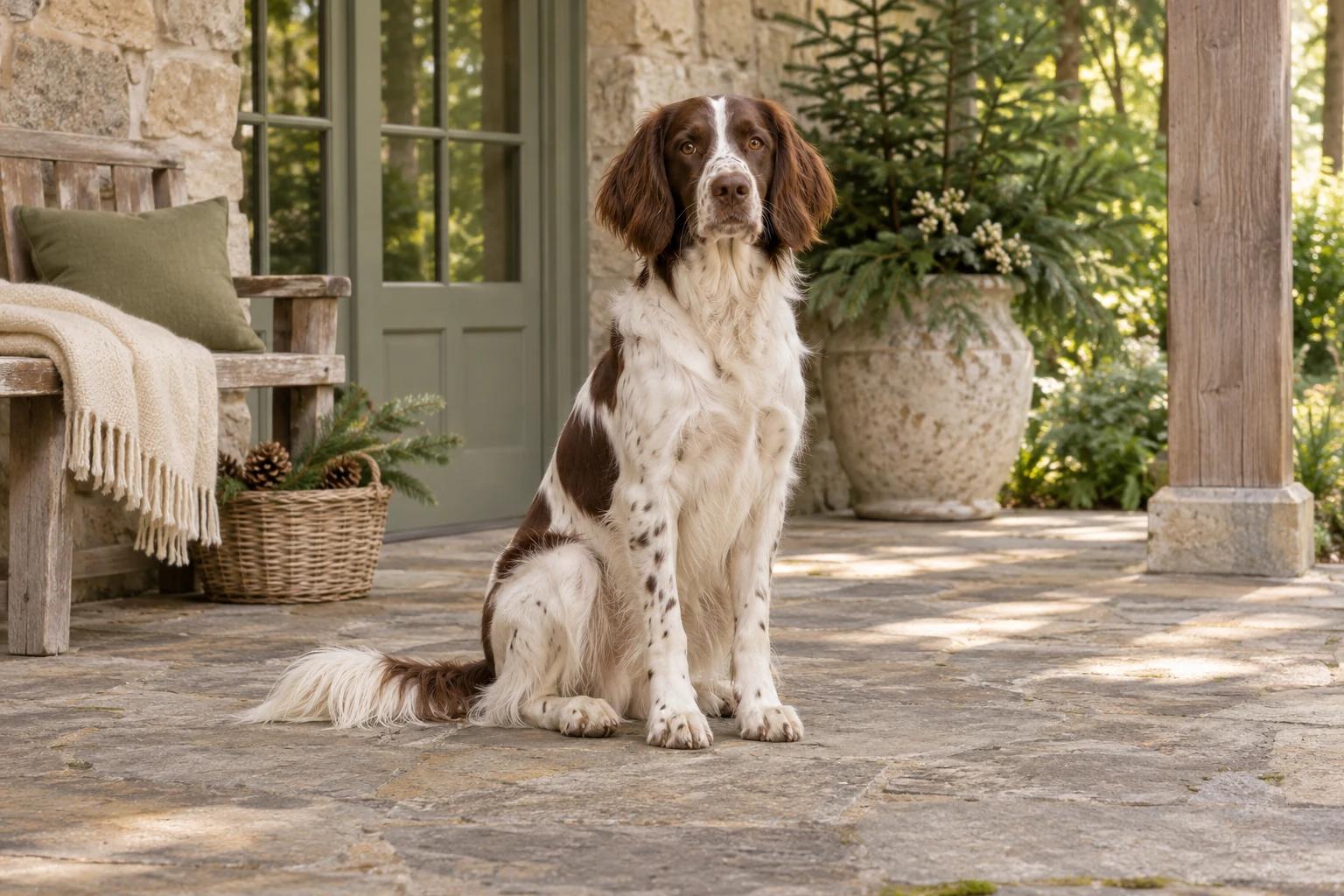
The Drentsche Patrijshond’s standard describes a moving search, a held point and a possible look back toward the hunter. Each action belongs to a different moment.
Read article →
The Drever’s history connects imported Westphalian Dachsbrackes, expanding Swedish deer populations and a larger local variety with its own name and recognition.
Read article →
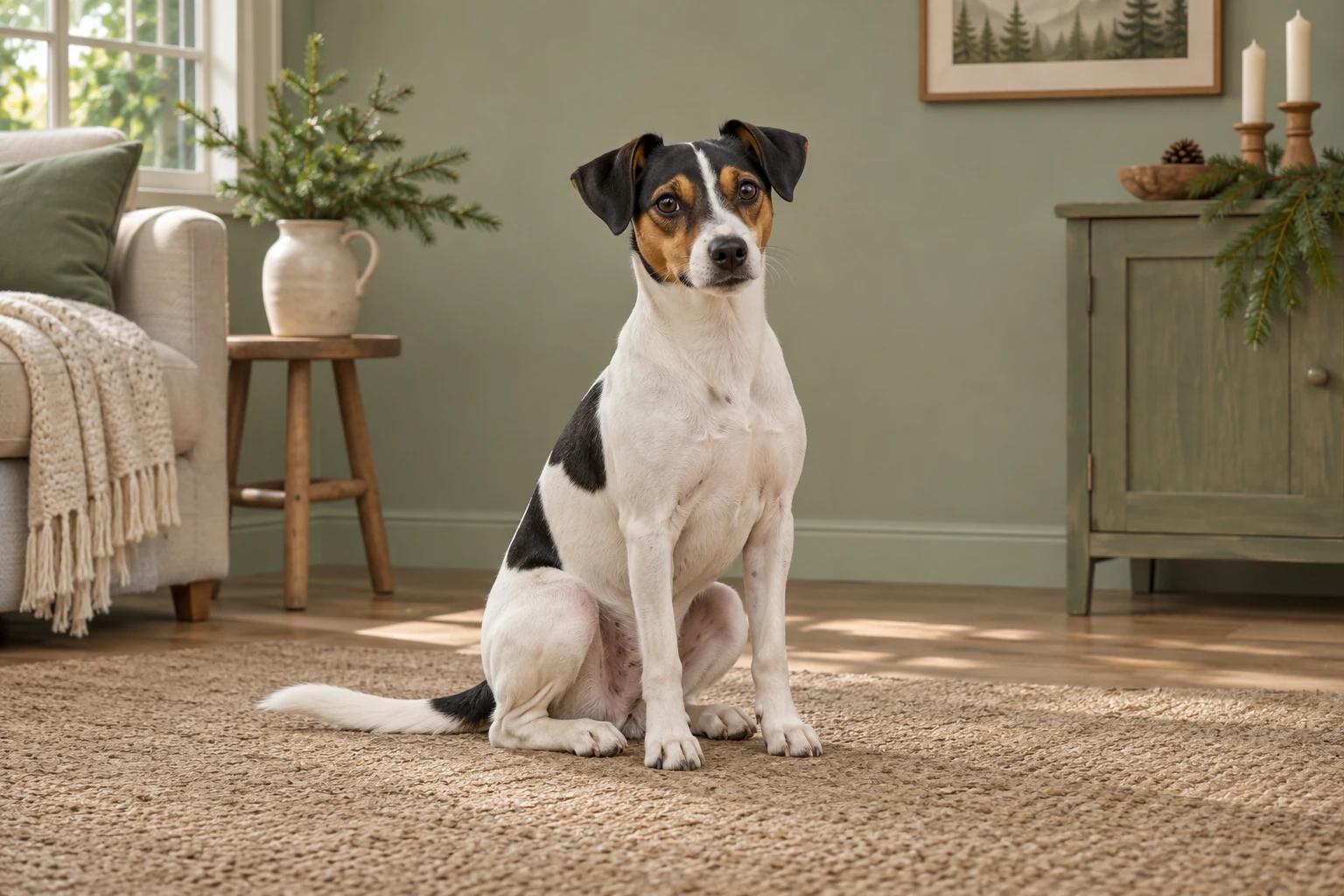
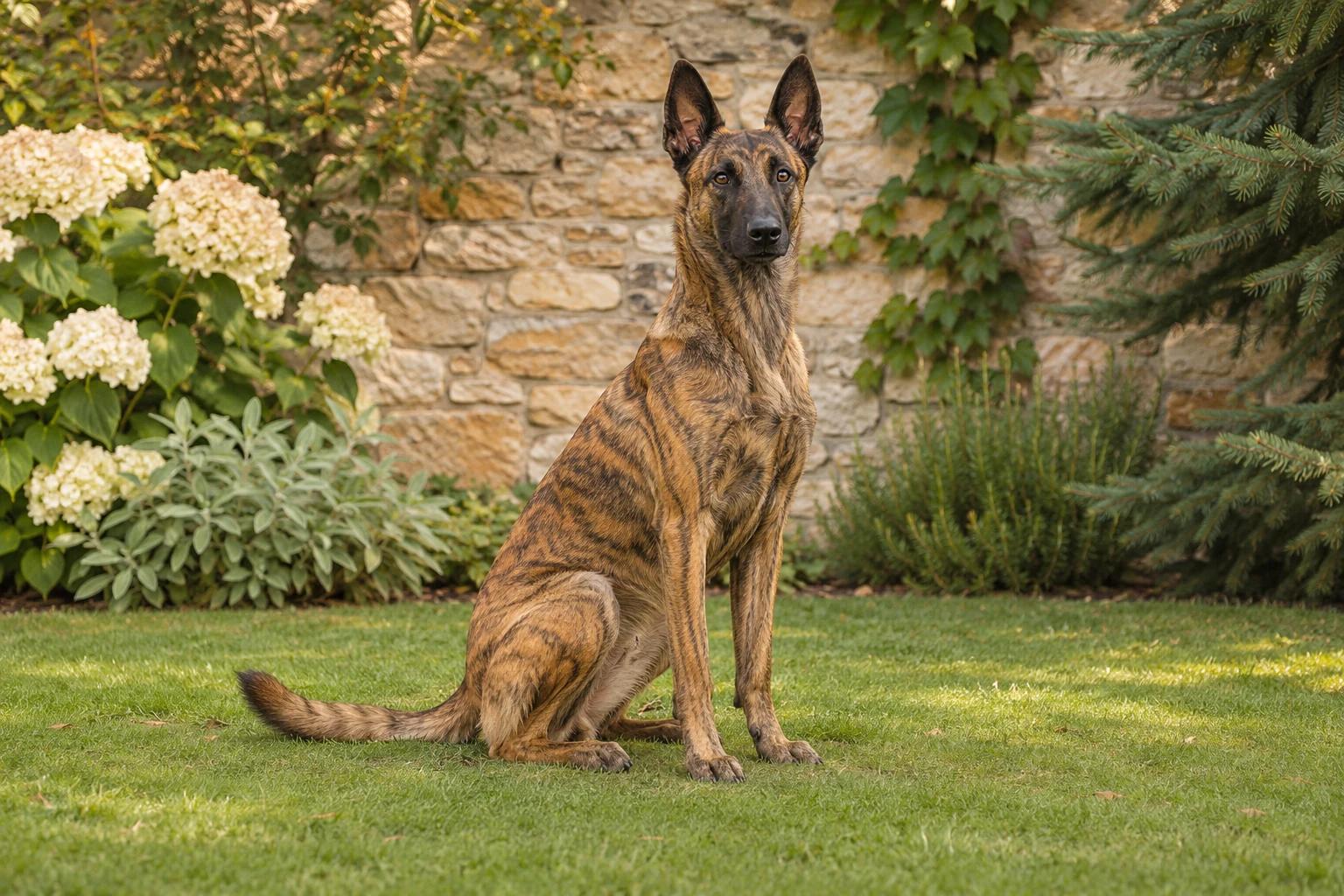
The Dutch Shepherd’s wire coat changes how its head and brindle pattern appear. The standard distinguishes that visual effect from the underlying wedge-shaped head.
Read article →
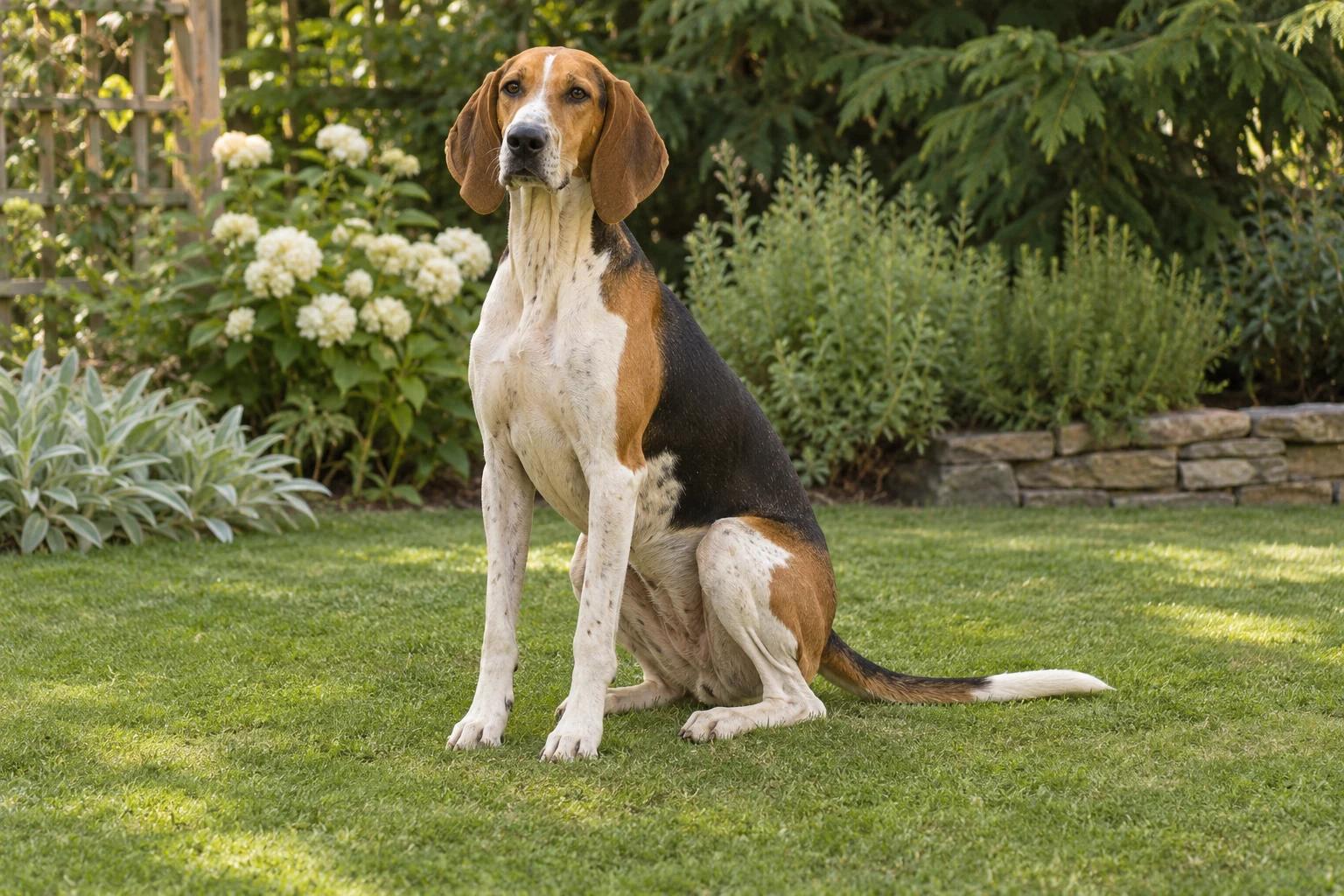
In MFHA records, an entered hound’s name contains its hunt prefix, given name and year of entry. That year records a working milestone rather than its birth.
Read article →
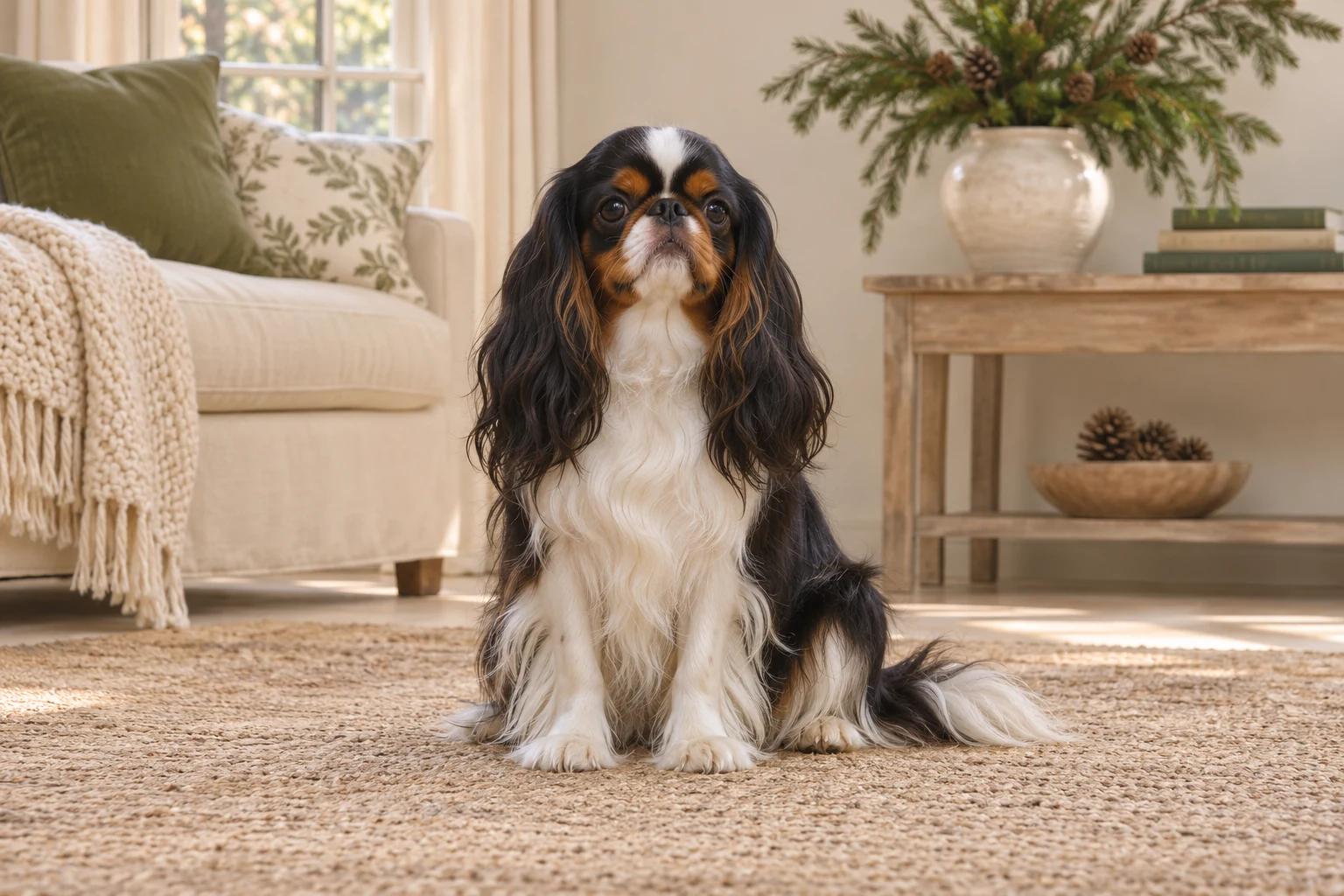
English Toy Spaniel and King Charles Spaniel can name the same breed. The FCI explains that naming difference while identifying the Cavalier as a relative.
Read article →
The Entlebucher’s FCI standard accepts both natural tail forms. Its history includes bobtailed dogs, but that does not make a long tail evidence of the wrong breed.
Read article →
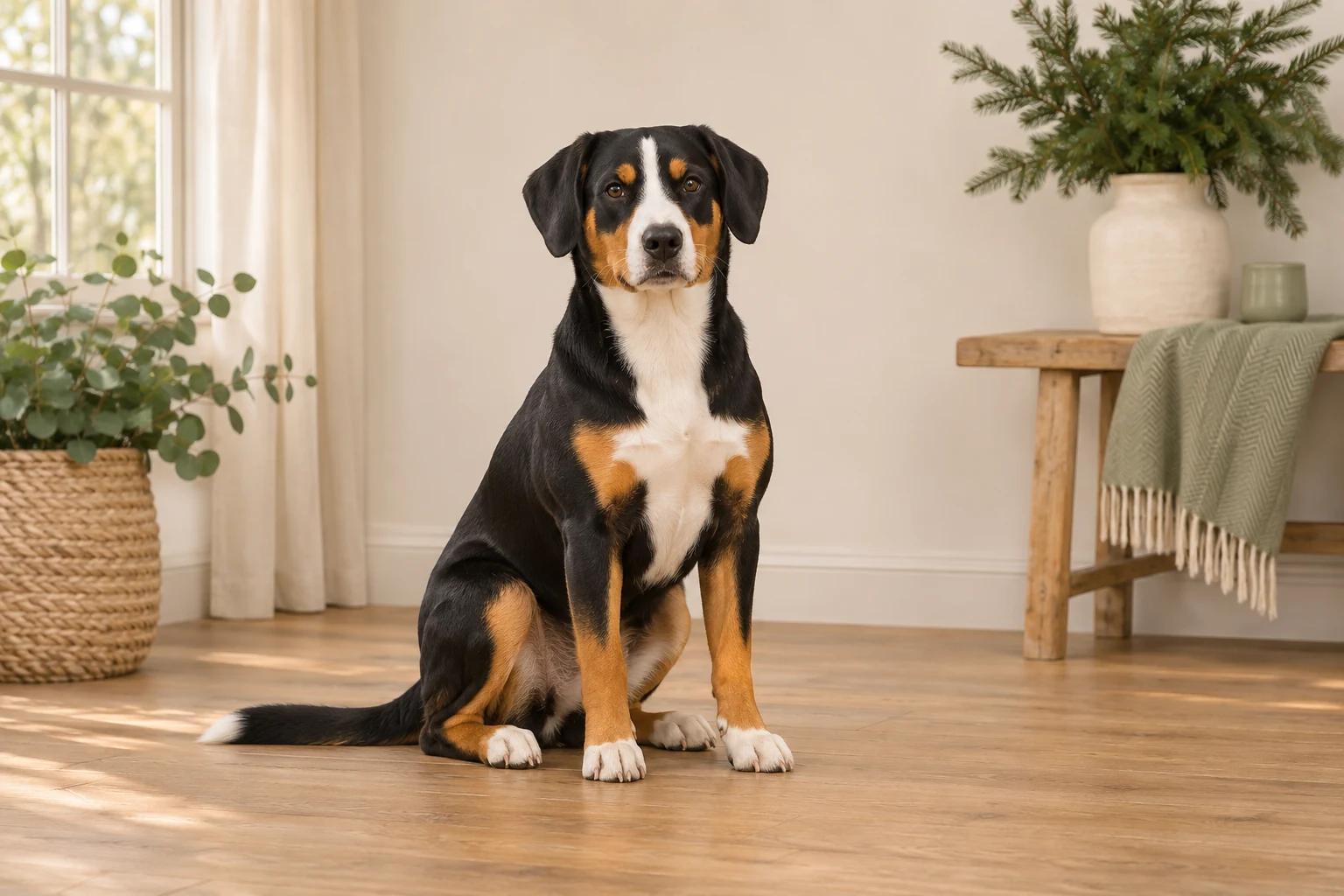
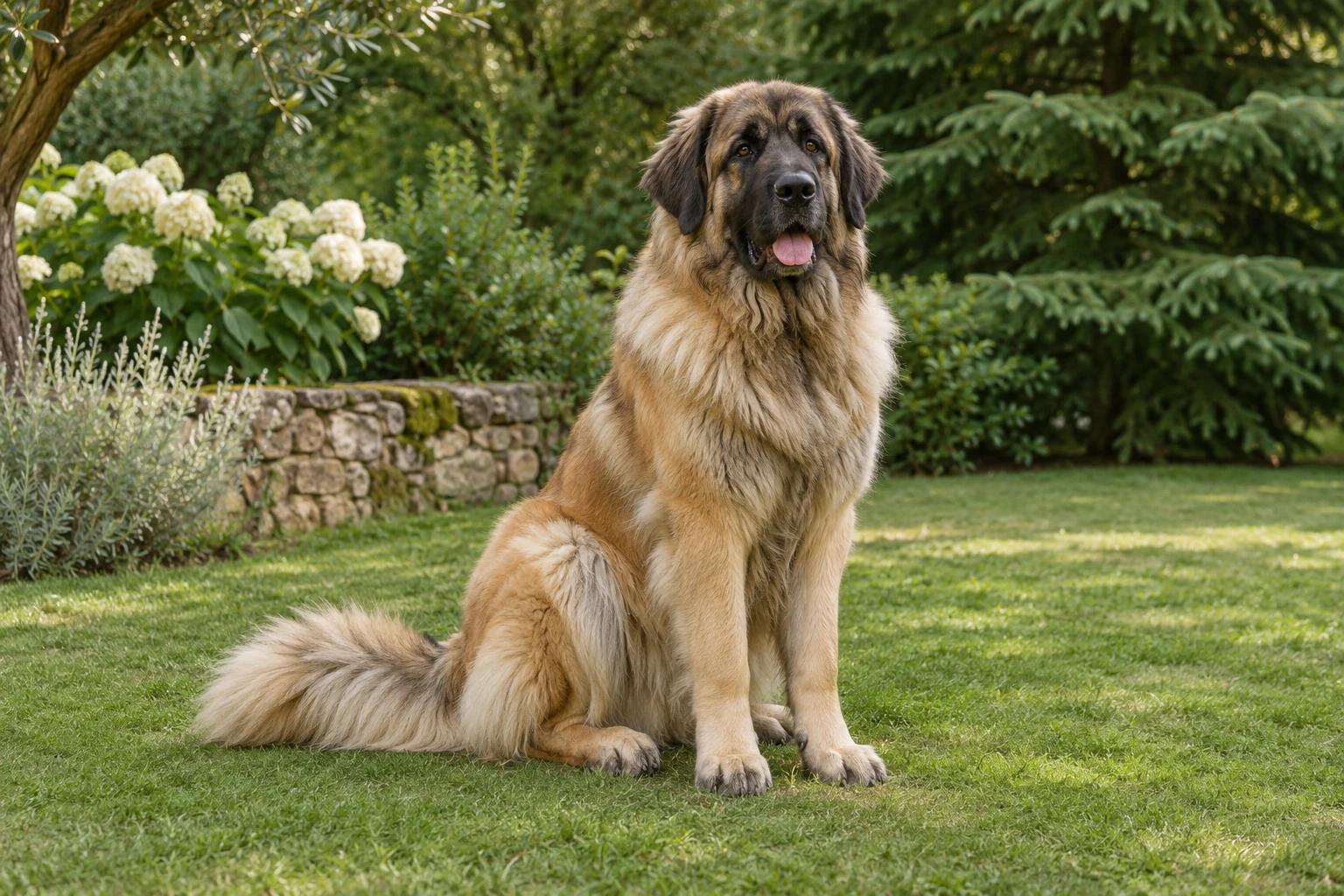
The Estrela’s FCI history links mountain flocks with summer grass above drying lowlands. That seasonal setting explains more than the word mountain alone.
Read article →
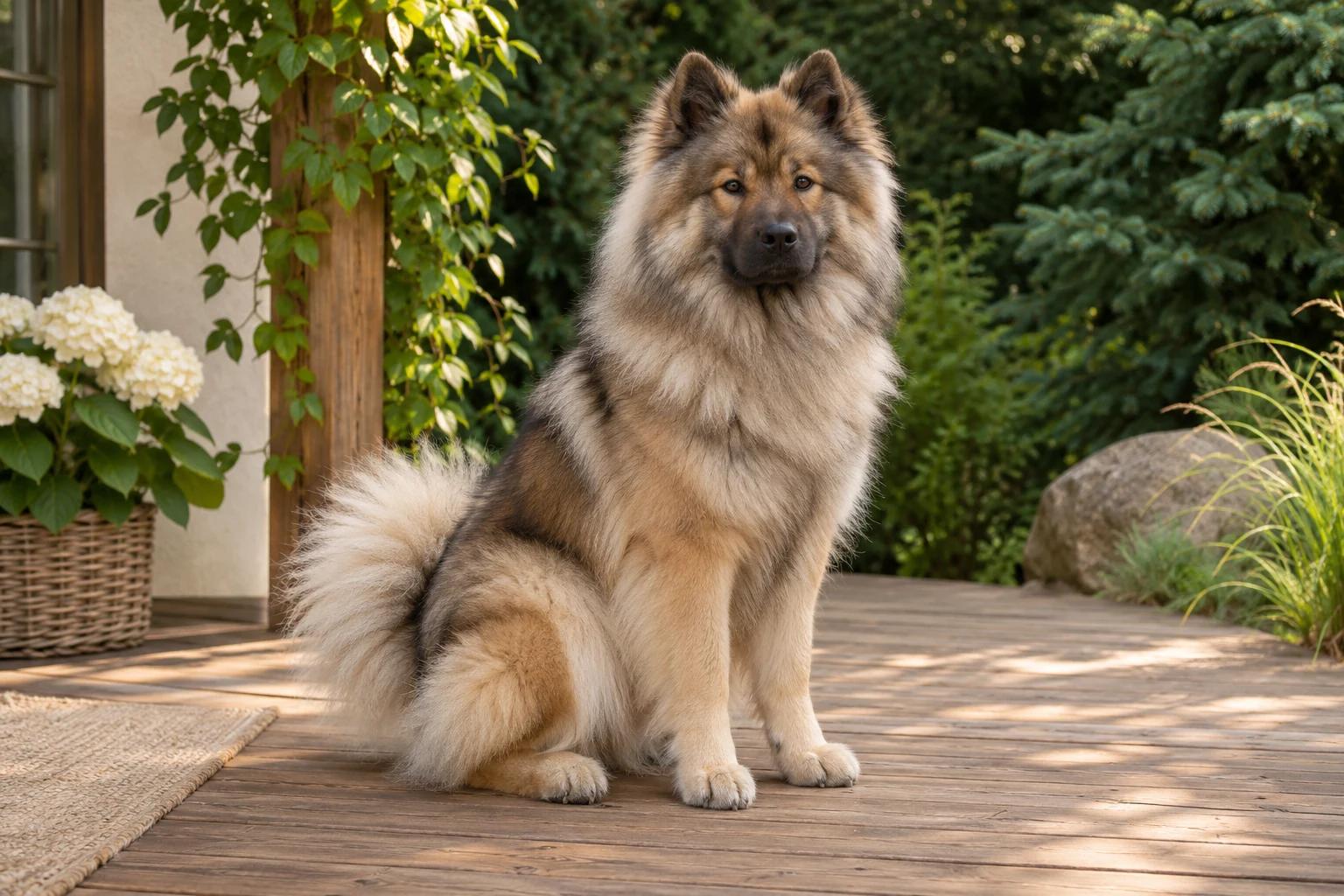
The Eurasier’s early name referred to Chow Chow and Wolfspitz ancestry. The FCI account then records a Samoyed cross and the change to Eurasier.
Read article →
The FCI history separates early fashion-driven damage from low numbers in the 1950s. Championship status returning in 1969 marks a recovery milestone, not the breed’s beginning.
Read article →
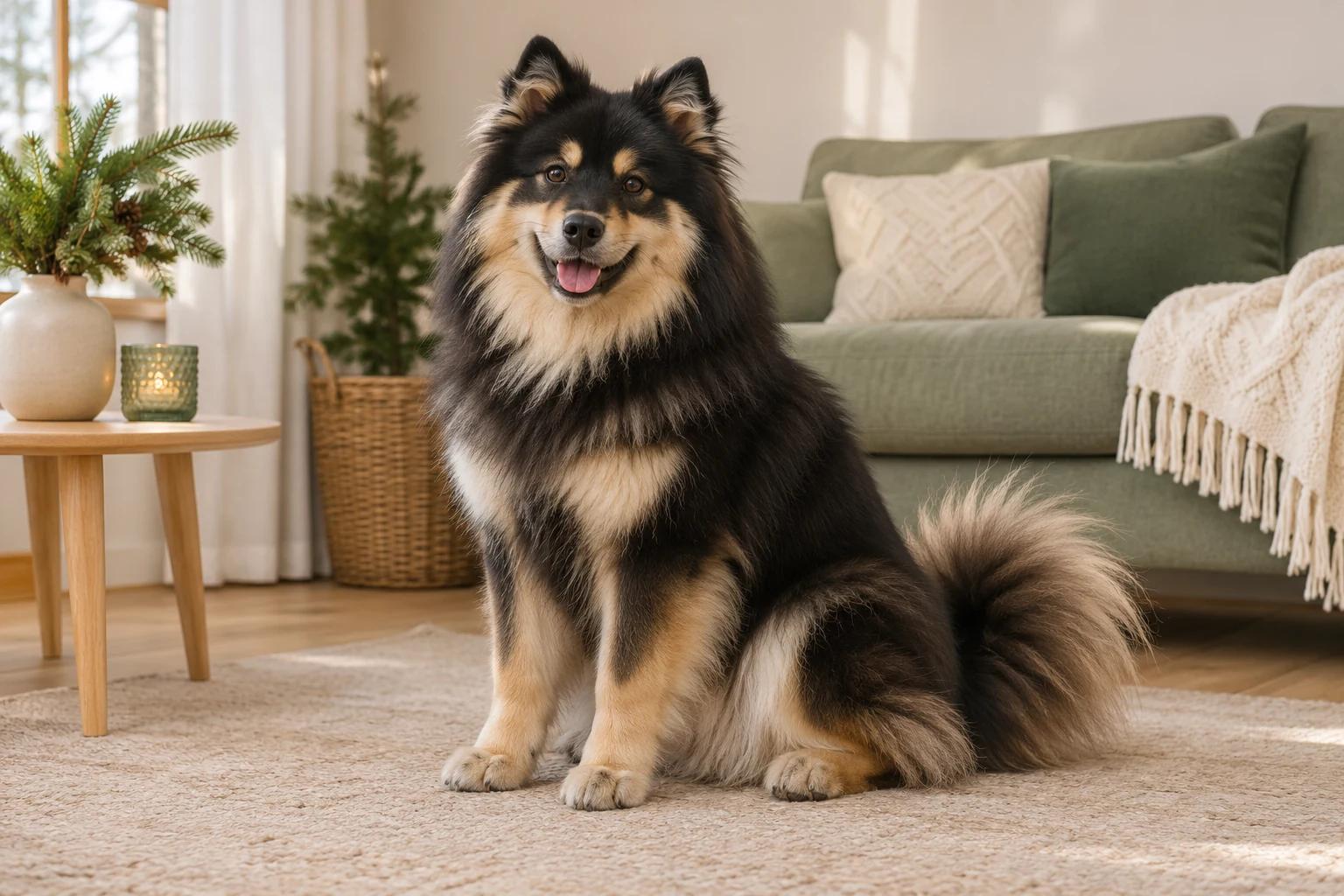
The FCI history records a 1945 standard and name changes in 1967 and 1993. These labels trace formal breed development without dating the beginning of Sami working dogs.
Read article →Get to know breeds, then consider your own everyday life.