The Canadian Eskimo Dog’s working context: why teams can fan out
A fan hitch spreads a sled team across open terrain, while tandem arrangements suit narrow trails. Inuit sled-dog traditions give that geometry a human context.
Start with the work and the people
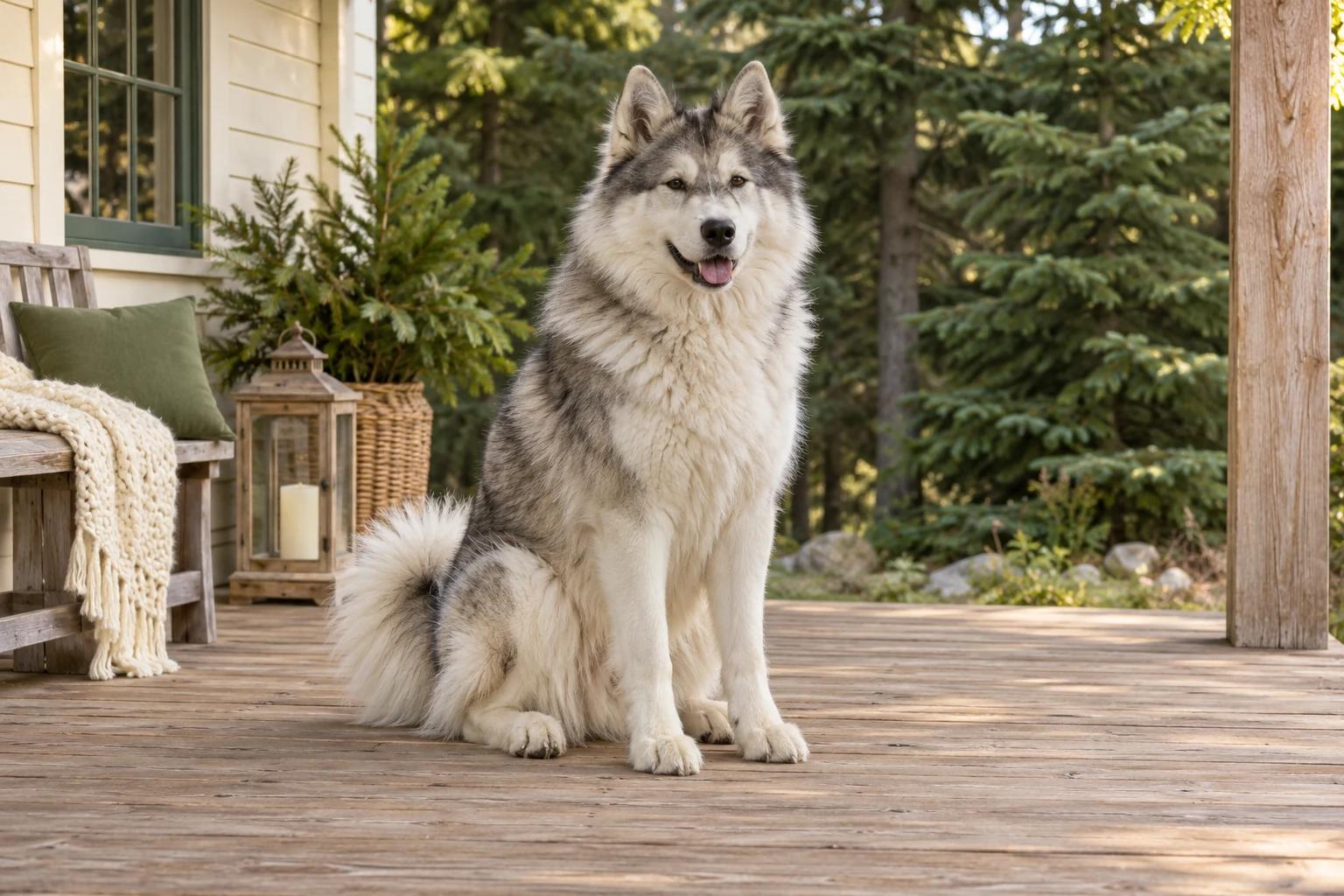
The FCI describes the Canadian Eskimo Dog as a draught dog used by Inuit, alongside other working roles. Understanding that context means looking beyond an individual dog’s coat and build to the team, terrain and people directing the journey. Sled teams are not always arranged in the two neat columns familiar from distance-racing pictures.
Two layouts solve different problems
Iditarod’s educational explanation contrasts tandem teams along a central gangline with a fan formation. The compact tandem arrangement suits narrow, wooded trails. In a fan, dogs spread out, distributing weight across a wider area and taking their own paths over open or rough terrain. The account associates fan hitches with Inuit and Greenland hunters.
This is a comparison of arrangements, not a claim that a particular breed can only use one hitch. Nor does spreading a team make uncertain ice safe. A photograph of a fan shows a working layout; it does not supply the knowledge needed to choose a route or rig a team.
A living tradition in Nunavik
Makivvik’s account of Ivakkak explains that its first race in 2001 began an Inuit Sled Dog revitalization initiative in Nunavik. Its 2023 report emphasizes the commitment involved in raising teams and preserving Inuit practices. That account is evidence of an ongoing cultural project, rather than a reason to treat sled dogs only as historical curiosities.
When reading a team photograph, look for the location, the people and the described purpose as well as the harness arrangement. Those details explain much more than a caption that simply calls the dogs strong or rugged.
Sources behind this article
- FCI standard 211: Canadian Eskimo Dog ↗
- Iditarod education: dog team hitches ↗
- Makivvik: Ivakkak 2023 ↗
Article source checked: October 20, 2026. Source checked 2026-10-20
Keep reading
Canadian Eskimo Dog temperament: energy and engagement
Read article →