How farm visits helped rediscover the Bouvier des Ardennes
The Bouvier des Ardennes declined as farms and dairy herds disappeared. Its recovery story includes surviving working dogs and a second, overlooked breeding line.
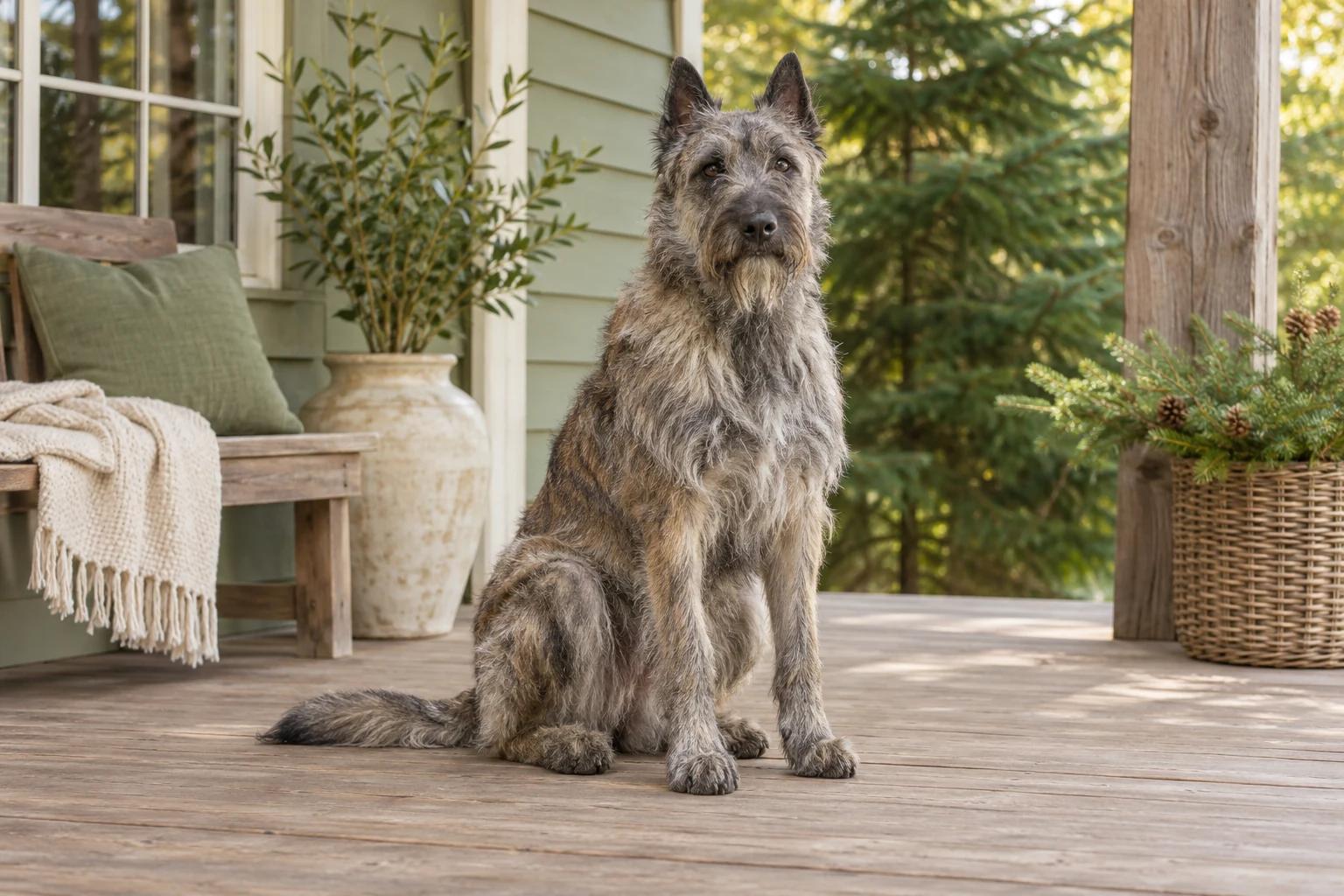
The job shaped the population
Bouvier des Ardennes refers to cattle work in Belgium’s Ardennes, rather than a name invented for a particular coat or silhouette. The FCI’s historical account describes selection for demanding local work. It also connects the breed’s decline to the disappearance of farms and reduction in dairy herds: fewer working settings meant fewer of the dogs that served them.
Two discoveries, not a return from extinction
According to that account, visits to collect colostrum from dairy herds led dog enthusiasts to find surviving examples around 1985. Breeders began working toward the established breed type around 1990 using Ardennes lines.
There was another strand to the recovery. A line moved to northern Belgium around 1930 had continued with drovers and shepherds impressed by the dogs’ herding work. The FCI says official canine authorities discovered that line only in 1996. Its late appearance in the official account did not mean the dogs had suddenly come into existence.
What “rediscovered” means here
This history is better understood as surviving working populations coming back into view. Calling the breed extinct and then recreated would erase the farmers, handlers and dogs that remained outside the better-known breeding record.
The two timelines also explain why a single “comeback year” is unsatisfying. Finding dogs, organizing breeding and identifying another line are different events. When reading a preservation story, ask which event a date marks and who was observing it. Official visibility and continued existence are not interchangeable measures.
Sources behind this article
Article source checked: October 20, 2026. Source checked 2026-10-20
Keep reading
Bouvier des Ardennes Temperament: An Involved Companion
Read article →