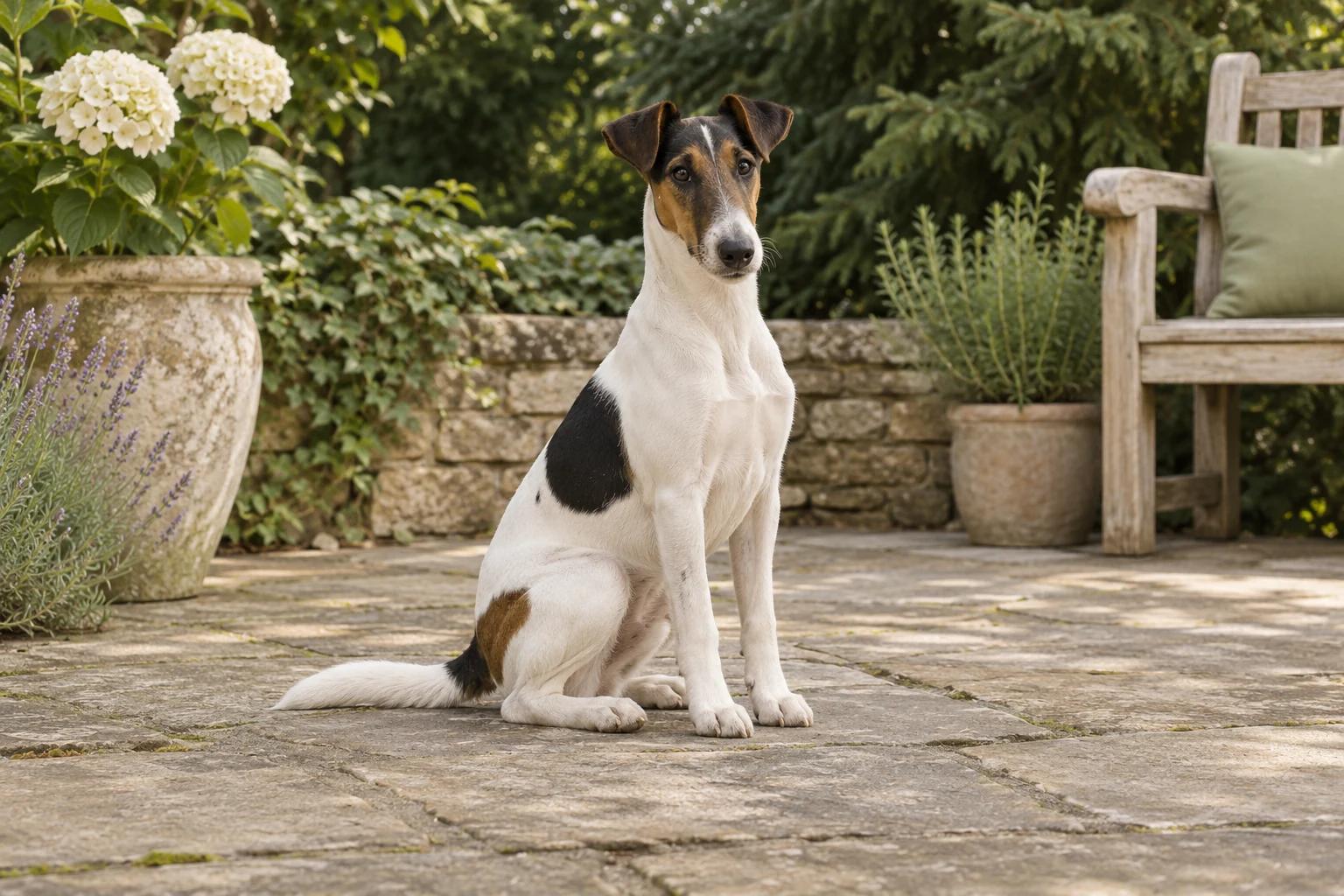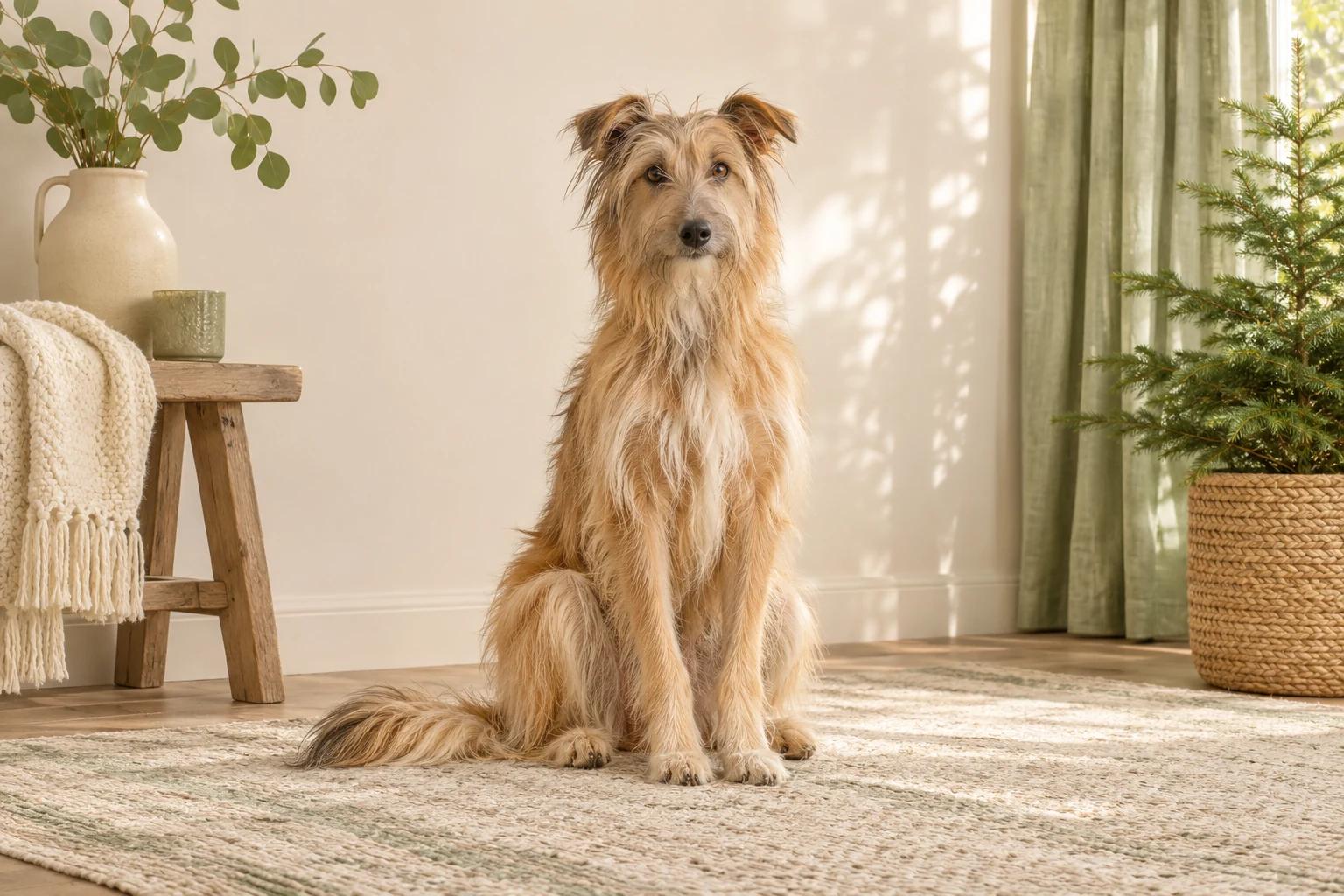
Smooth-Faced and Rough-Faced Pyrenean Shepherds differ beyond facial hair
The AKC Pyrenean Shepherd standard includes two varieties with differences in outline as well as coat. A face-only comparison misses part of the picture.
Read article →Explore the routines, questions, and small decisions behind life with a dog.
1268 articles to explore

The AKC Pyrenean Shepherd standard includes two varieties with differences in outline as well as coat. A face-only comparison misses part of the picture.
Read article →
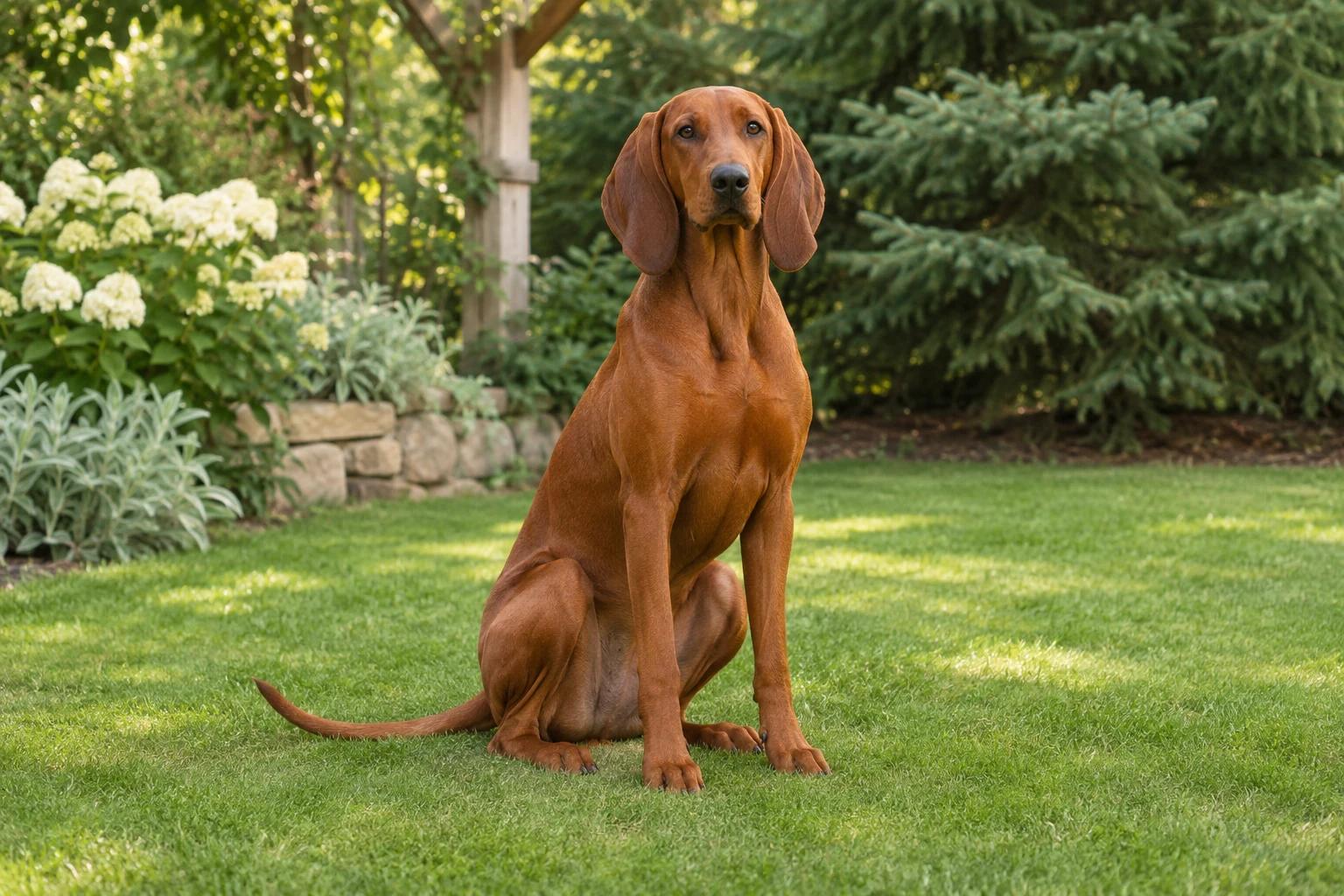
The Rafeiro do Alentejo’s FCI history describes large dogs accompanying flocks between summer mountains and winter plains. It is a history of livestock protection.
Read article →
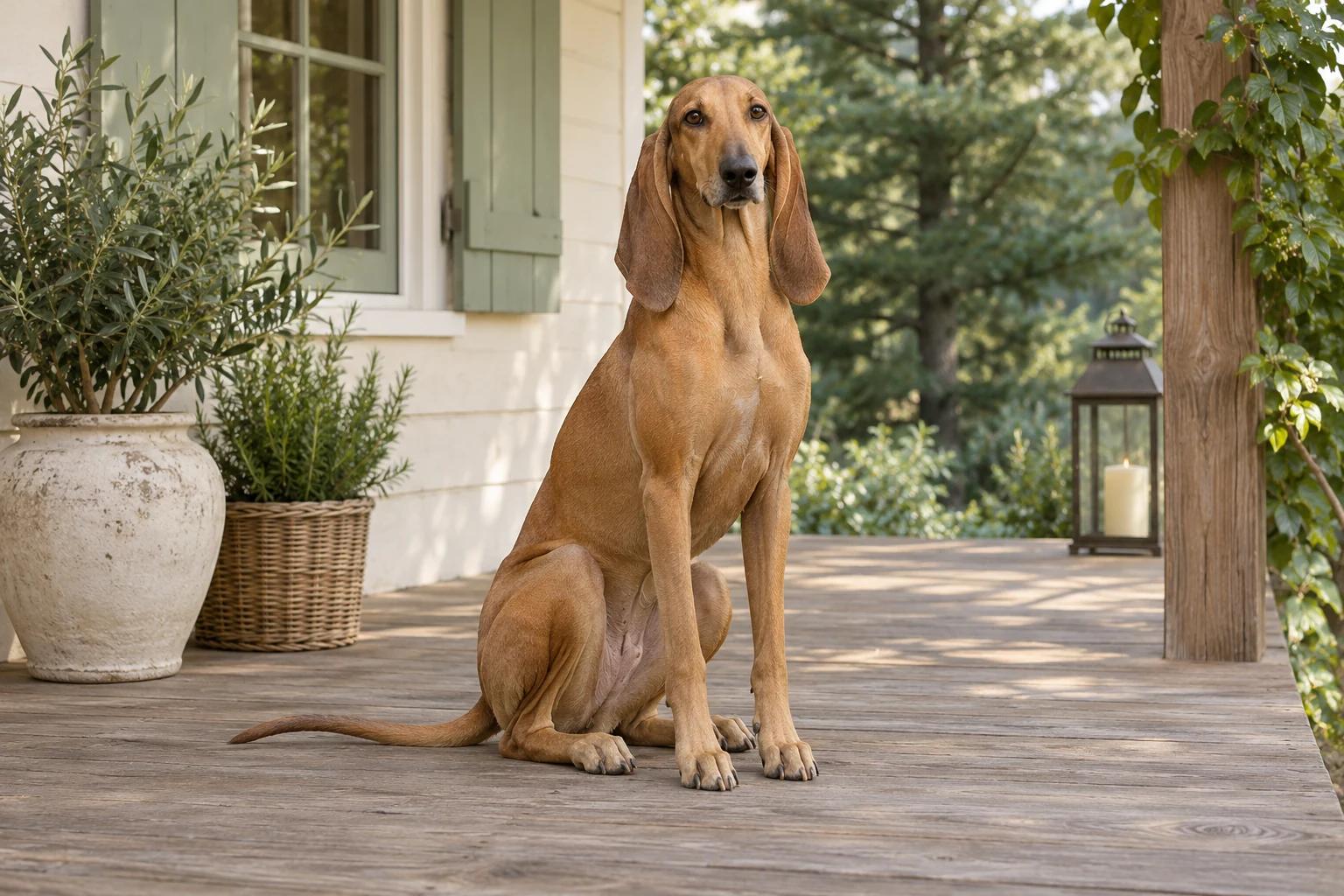
The UKC Redbone history describes earlier Saddlebacks before selection for solid red. A historical description and today’s color provisions answer different questions.
Read article →
The Romanian Carpathian Shepherd’s FCI history dates its first standard to 1934. That is a documentation milestone, not the start of its pastoral background.
Read article →
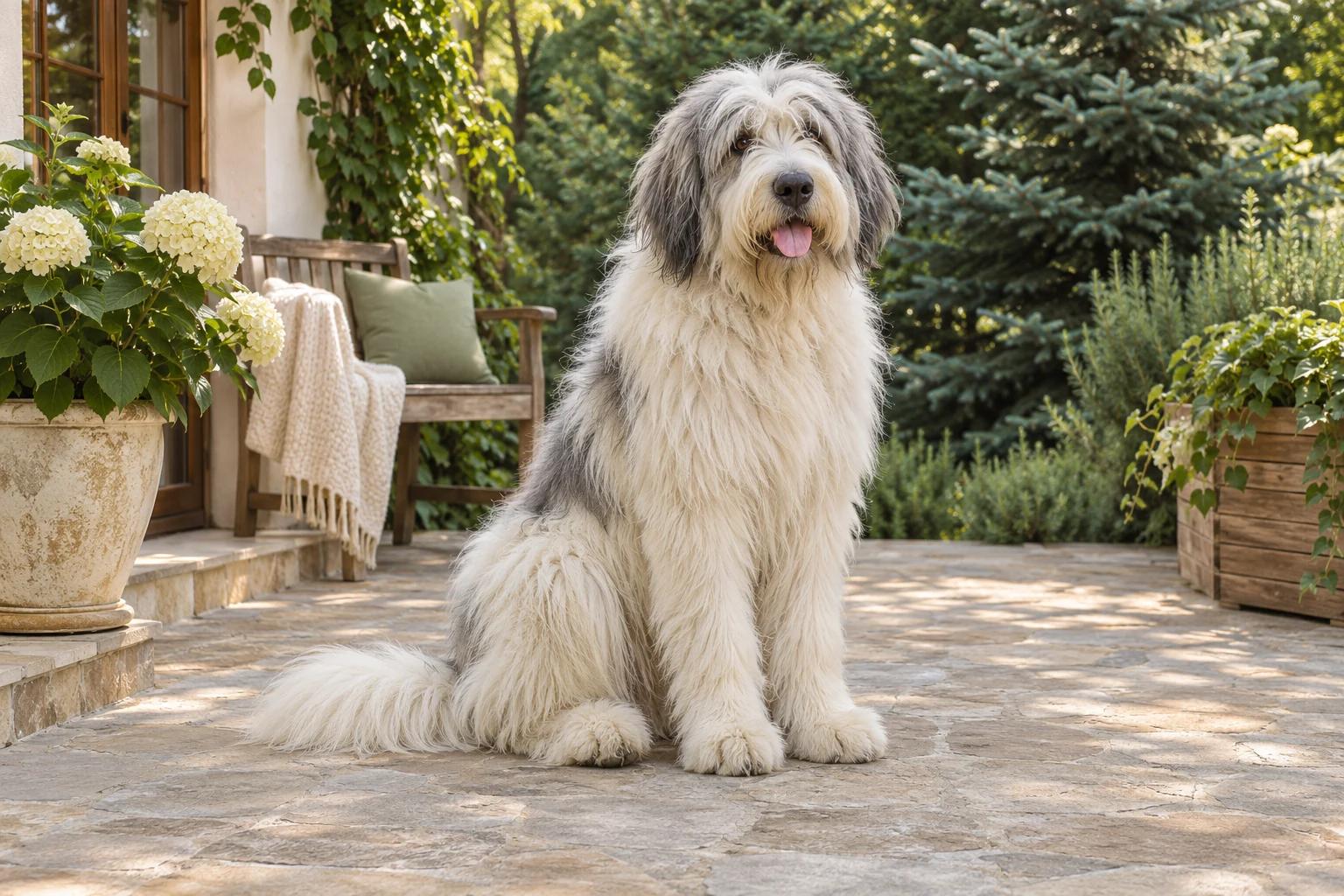
The Mioritic’s FCI coat description distinguishes harsh outer hair from a denser, supple undercoat. A useful handover shows both layers and the current routine.
Read article →
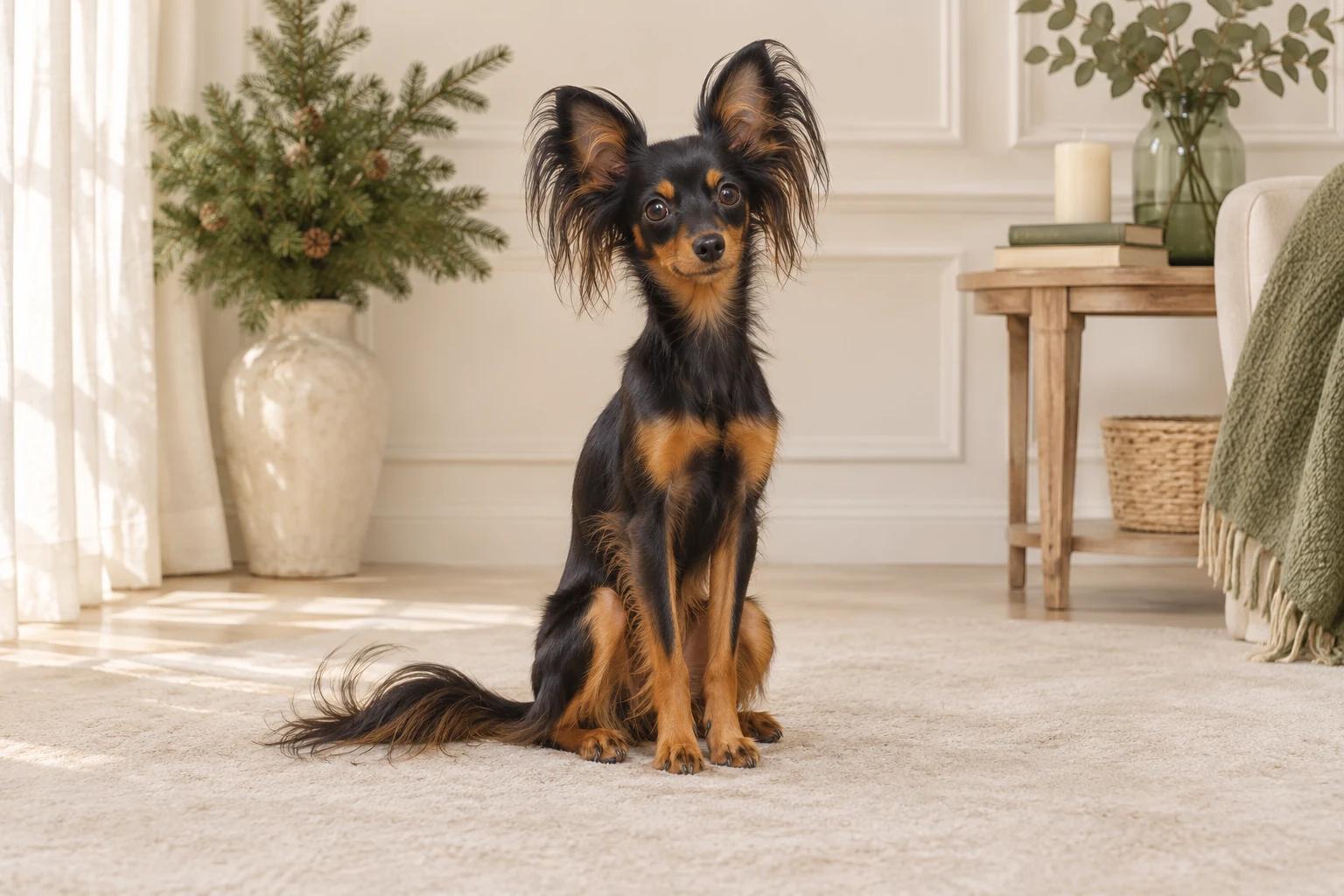
The Russian Toy’s FCI standard describes moderate body hair, feathering and an adult ear fringe. Longhaired does not mean a uniformly fluffy coat.
Read article →
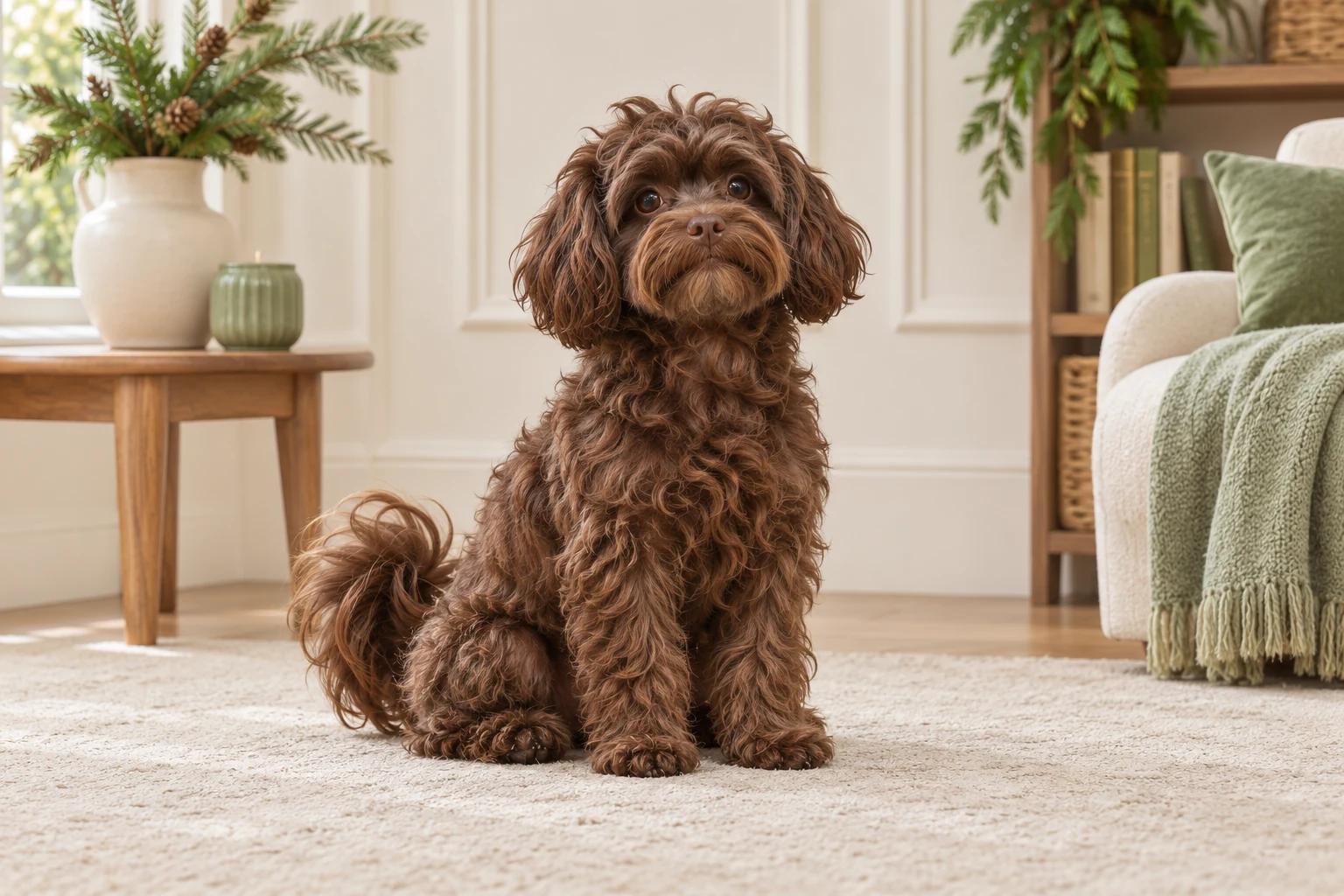
The Bolonka’s AKC standard states height up to 10¼ inches and disqualifies height over 11 inches. The threshold should not replace the stated height description.
Read article →
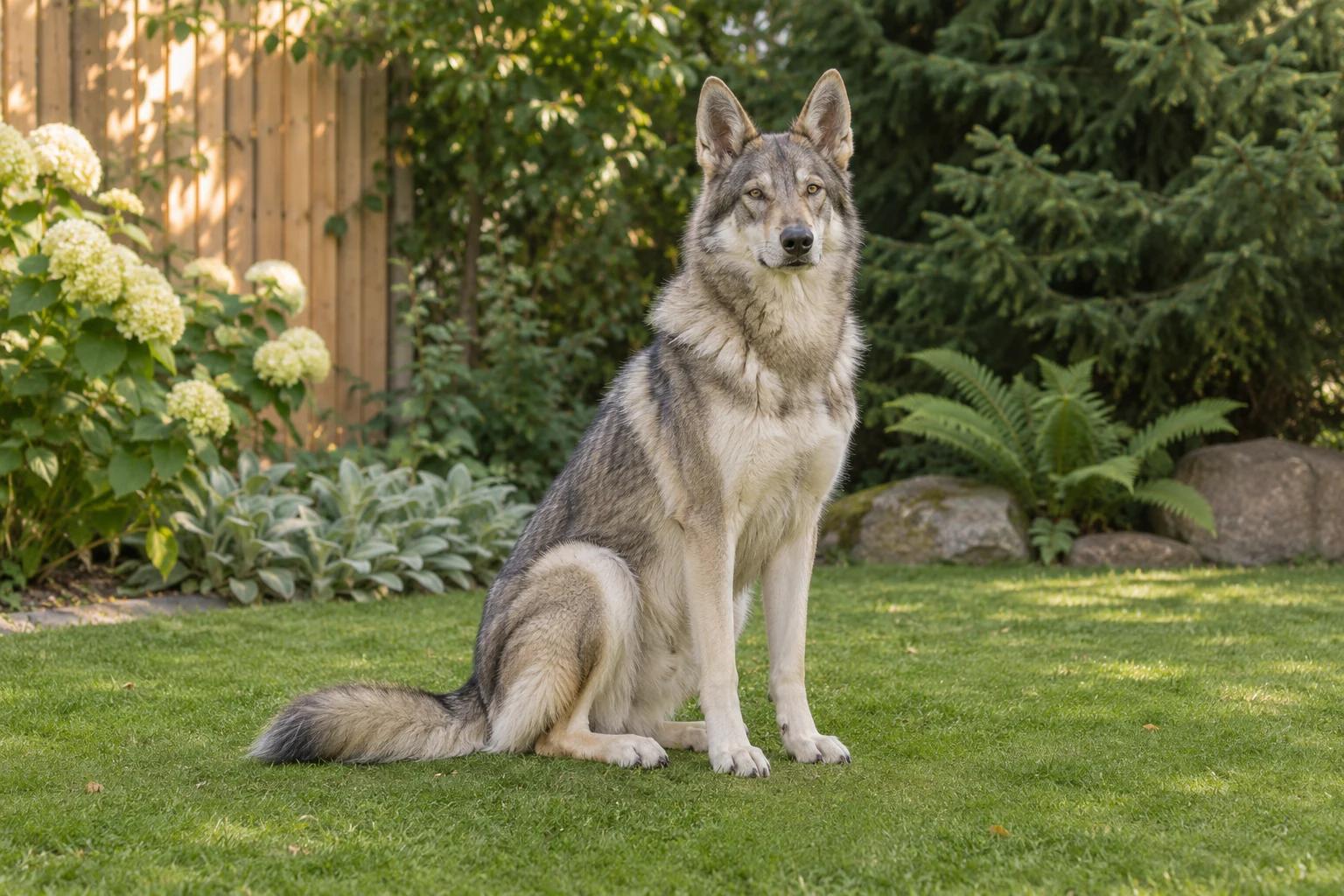
The Saarloos FCI standard describes reserve with strangers and avoidance of unfamiliar situations. Let the keeper explain the individual’s routine before seeking contact.
Read article →
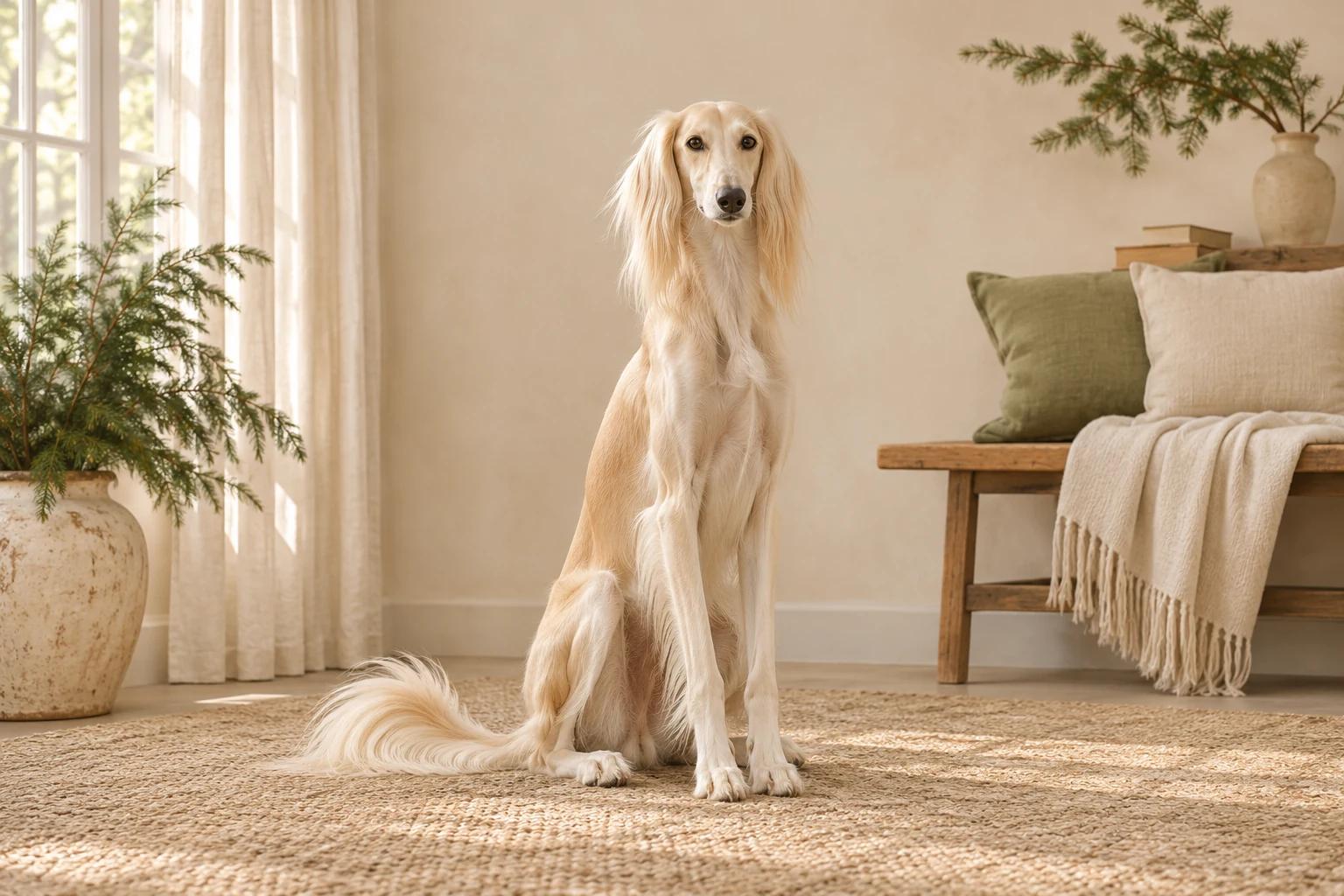
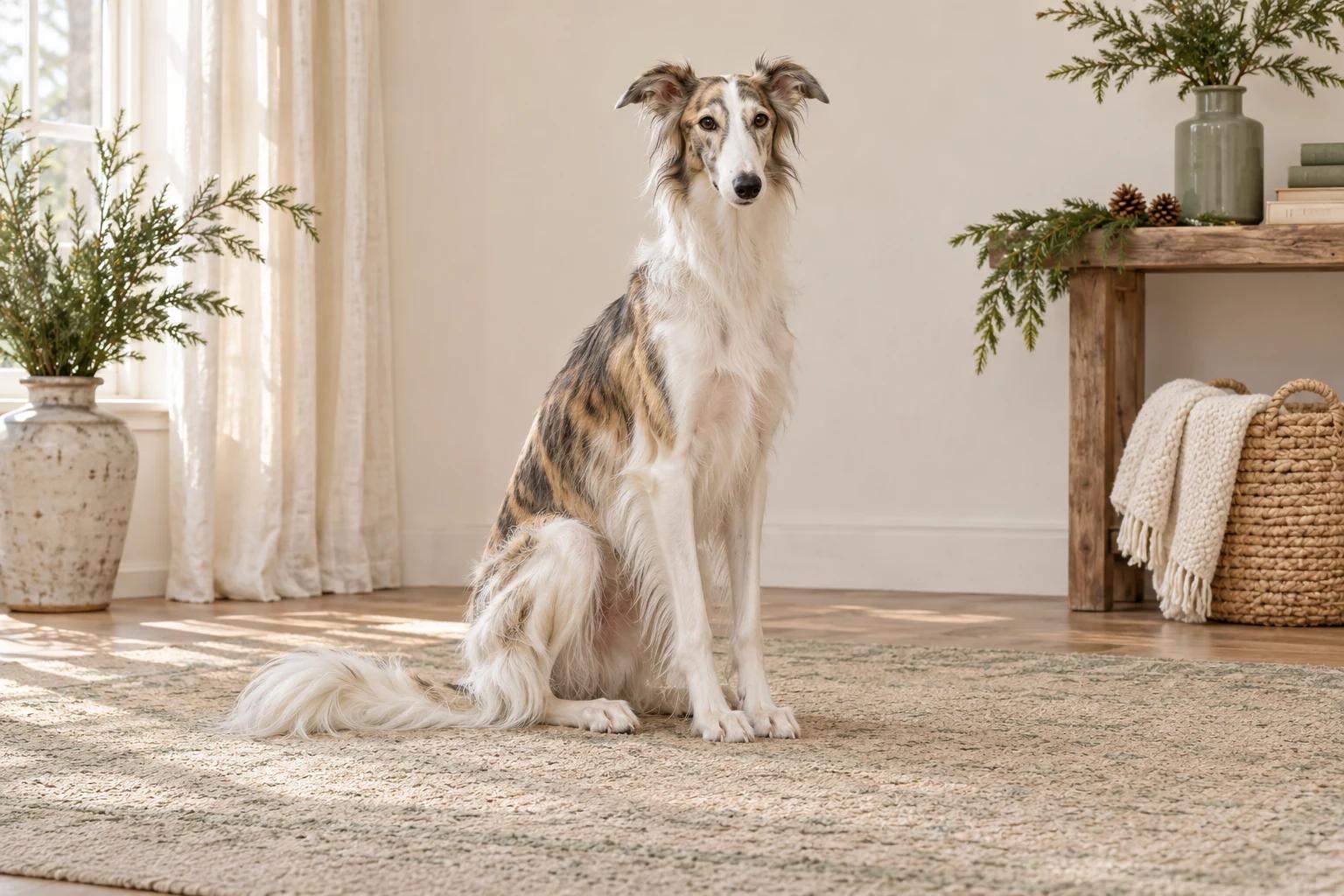
The Saluki’s FCI history explicitly values variation in type and includes a smooth variety without feathering. Compare documented examples without treating one as universal.
Read article →
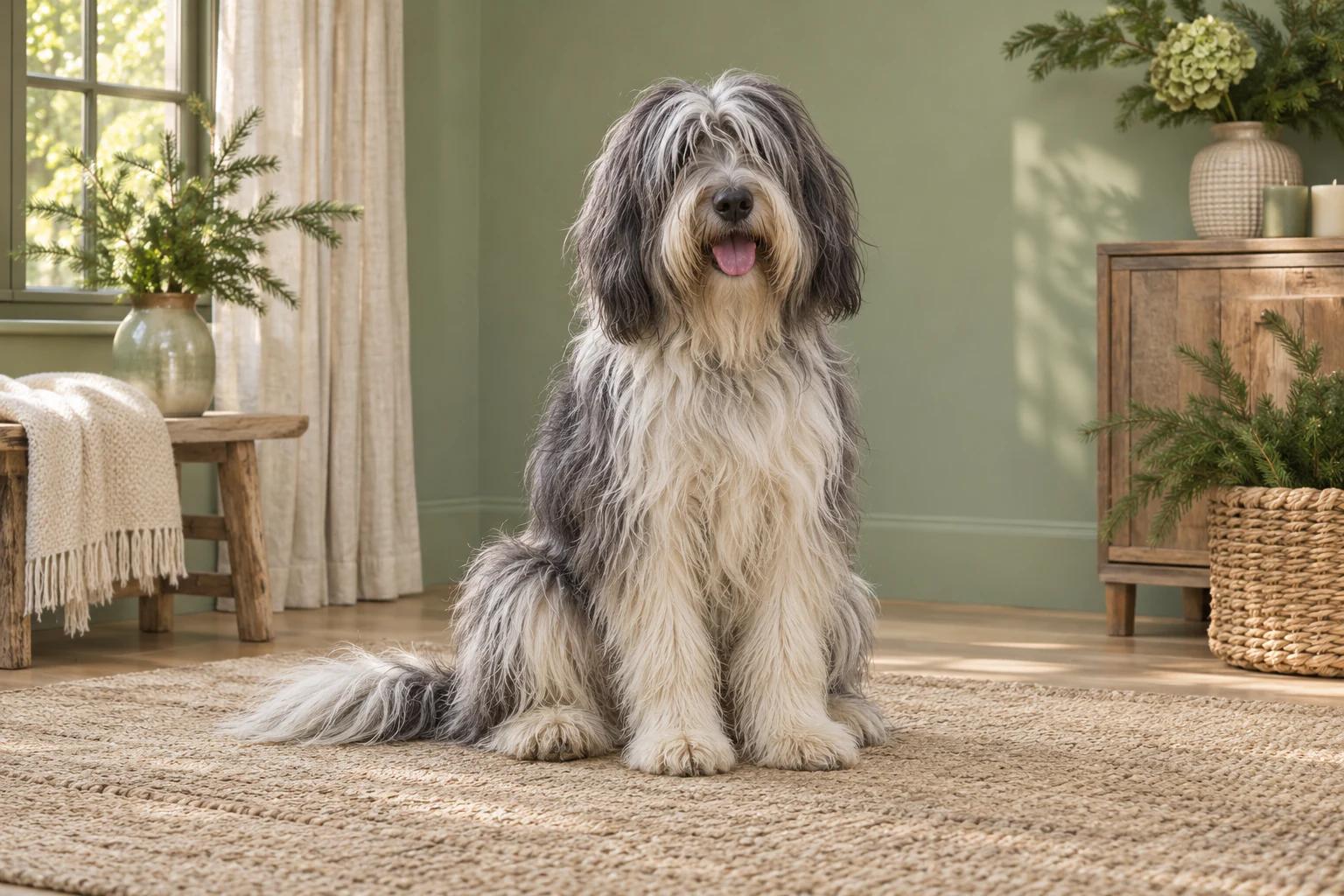
The Schapendoes FCI history separates wartime rebuilding, the 1947 club, provisional recognition, a standard and studbook, and later definite recognition.
Read article →
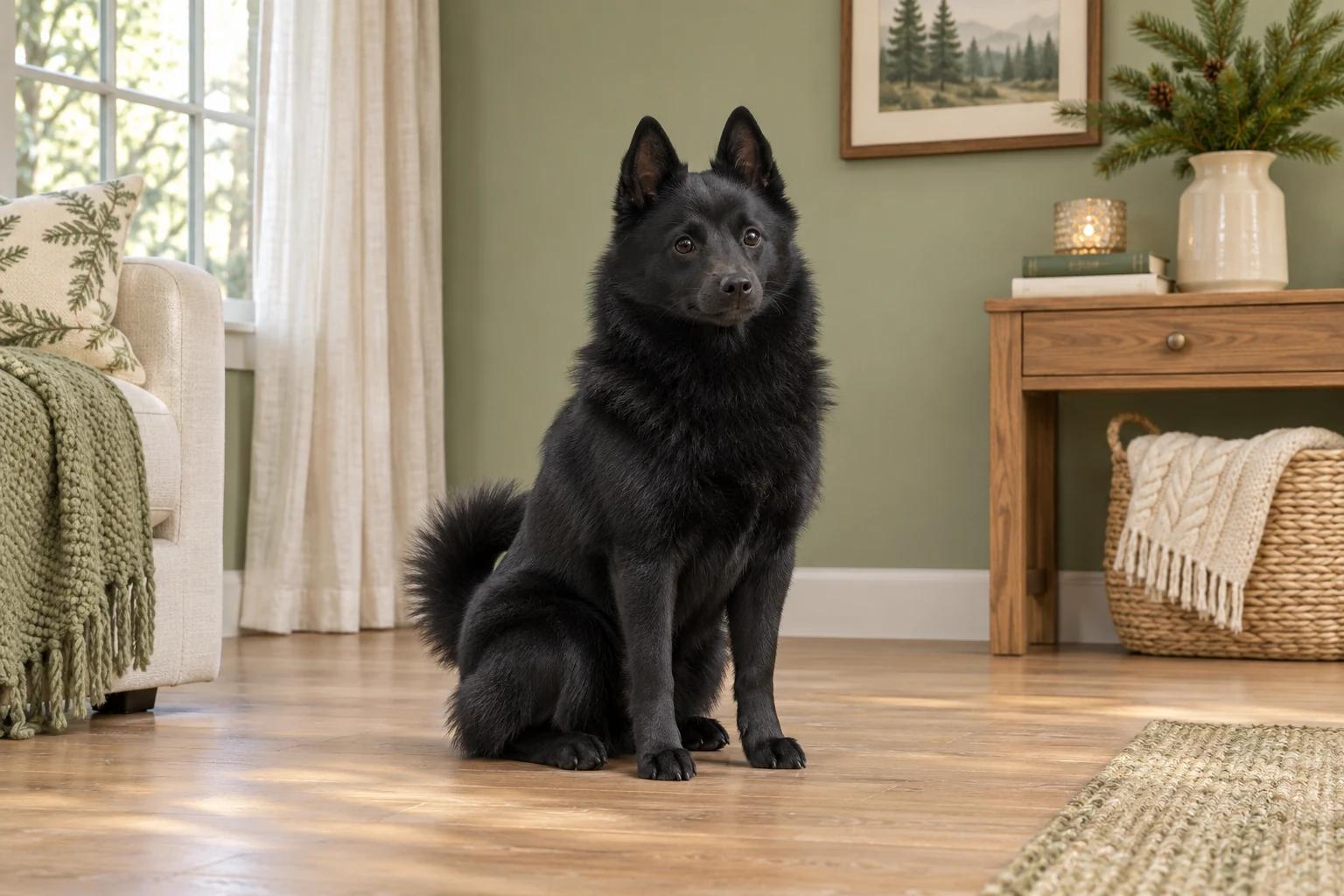
The Schipperke’s FCI standard accommodates natural tails and dogs born with absent or short tails. A familiar silhouette does not explain an individual’s history.
Read article →
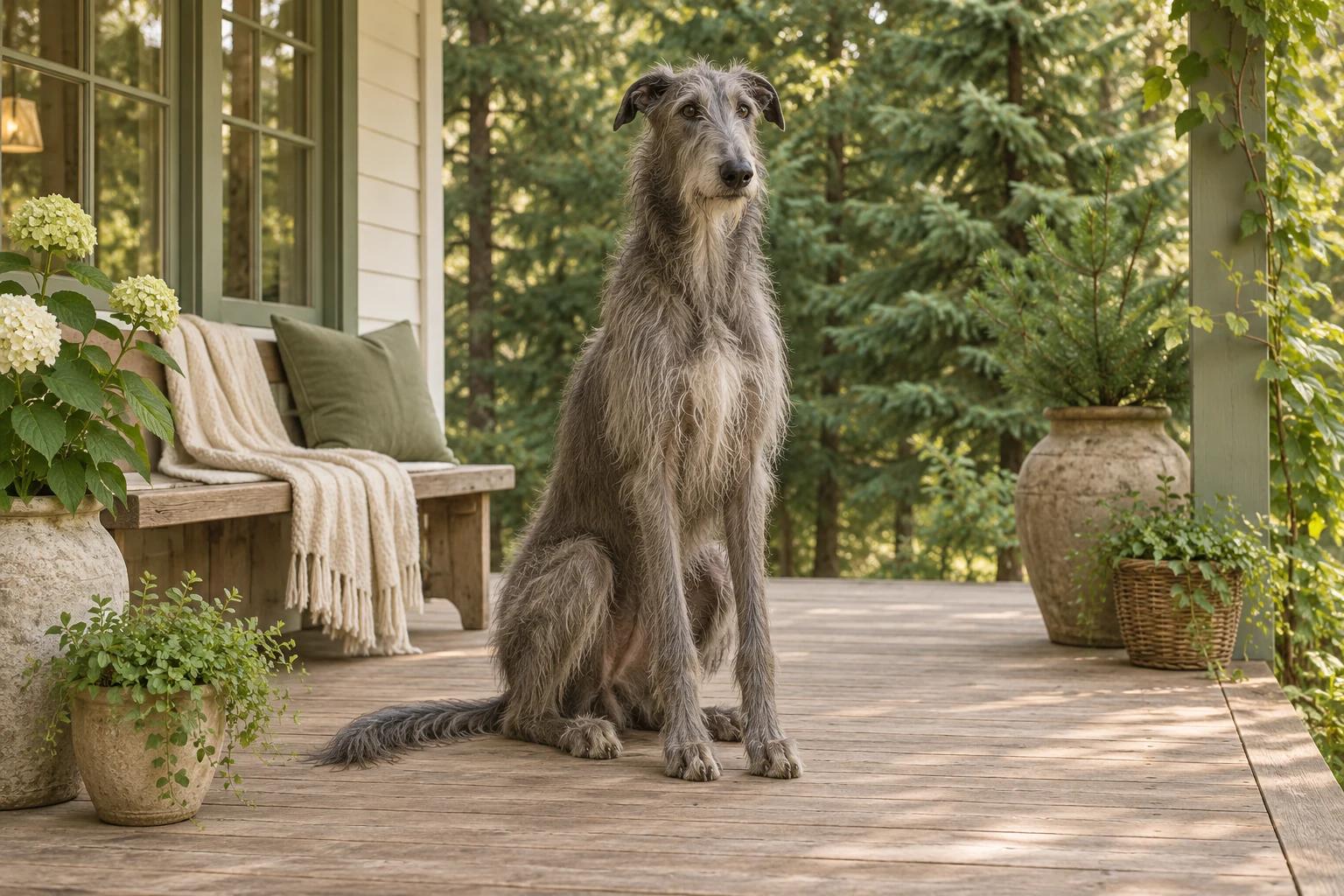
The Deerhound’s FCI standard distinguishes wiry body hair, softer areas and short-coated ears. A shaggy outline should not erase those differences.
Read article →
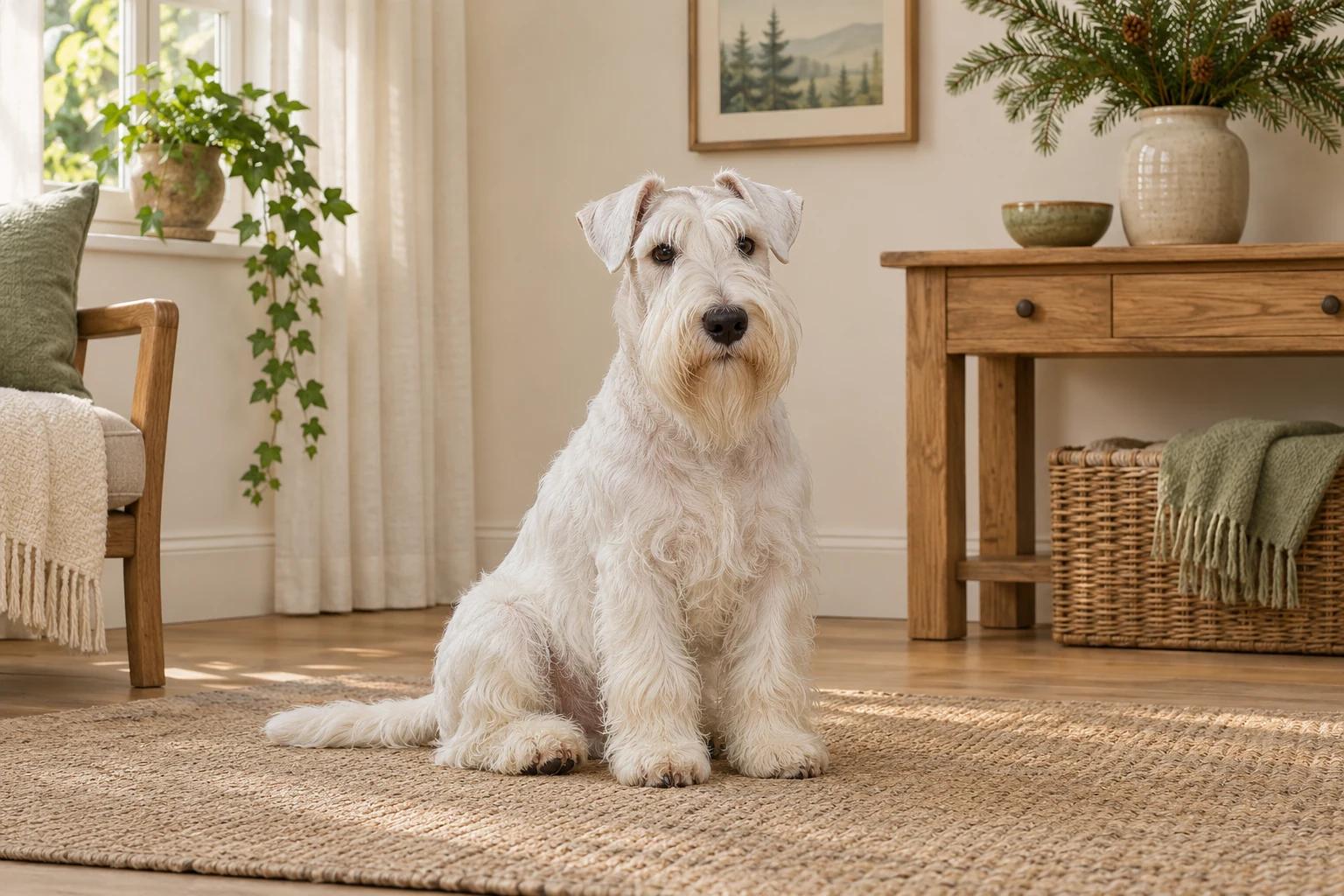
The Sealyham’s FCI color provision includes certain markings on the head and ears. Location matters when reading the description or captioning a photograph.
Read article →
FCI standard 337 explicitly covers the Italian Short-Haired Segugio. Keeping that scope visible prevents a broad breed label from blurring a specific description.
Read article →
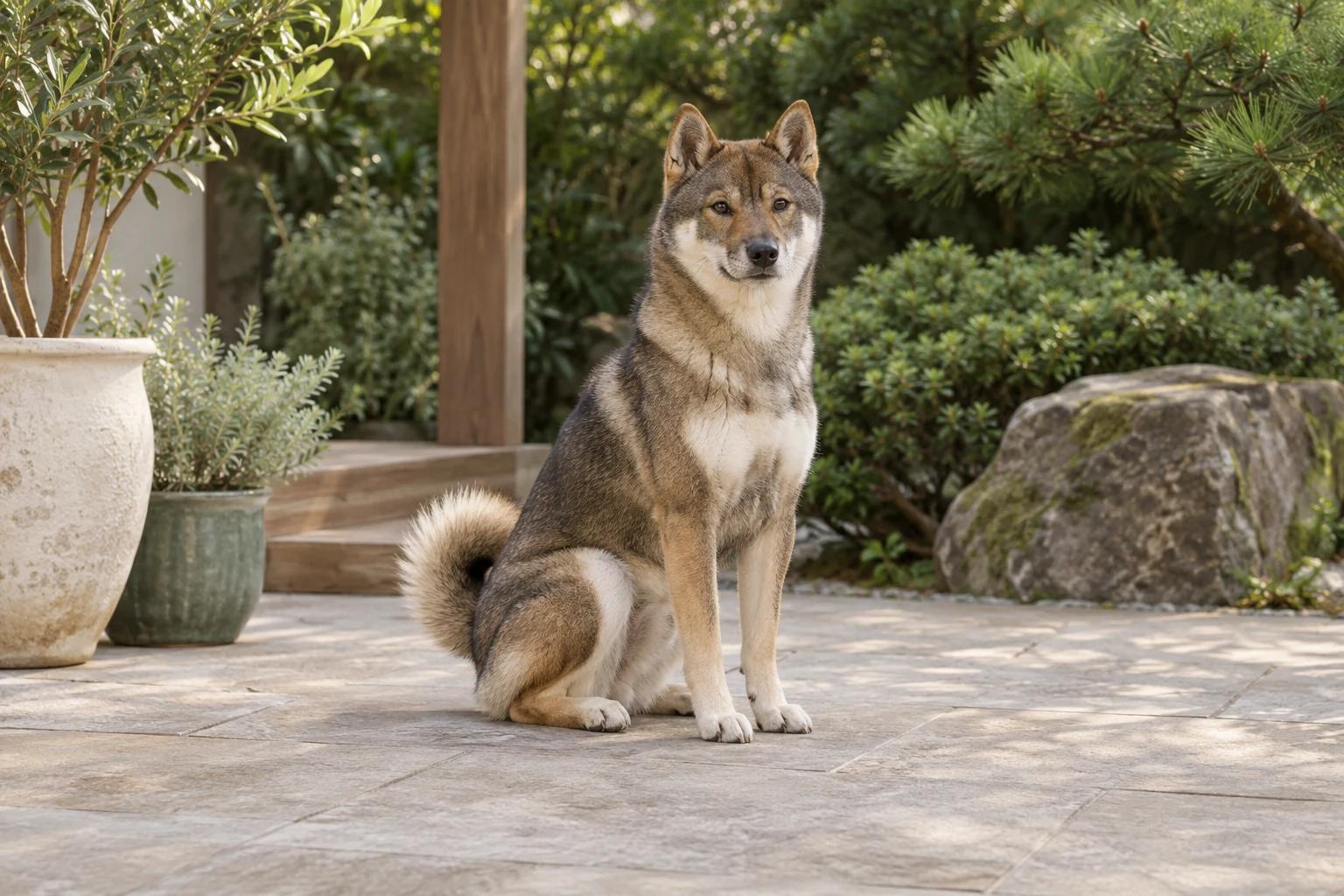
The Shikoku’s FCI history uses a regional alternative name and identifies three historically local varieties. Those names do not establish a modern dog’s lineage.
Read article →
The UKC history separates a 1985 litter, adoption of the breed name in 1998, the society’s 1999 charter and UKC recognition in 2011.
Read article →
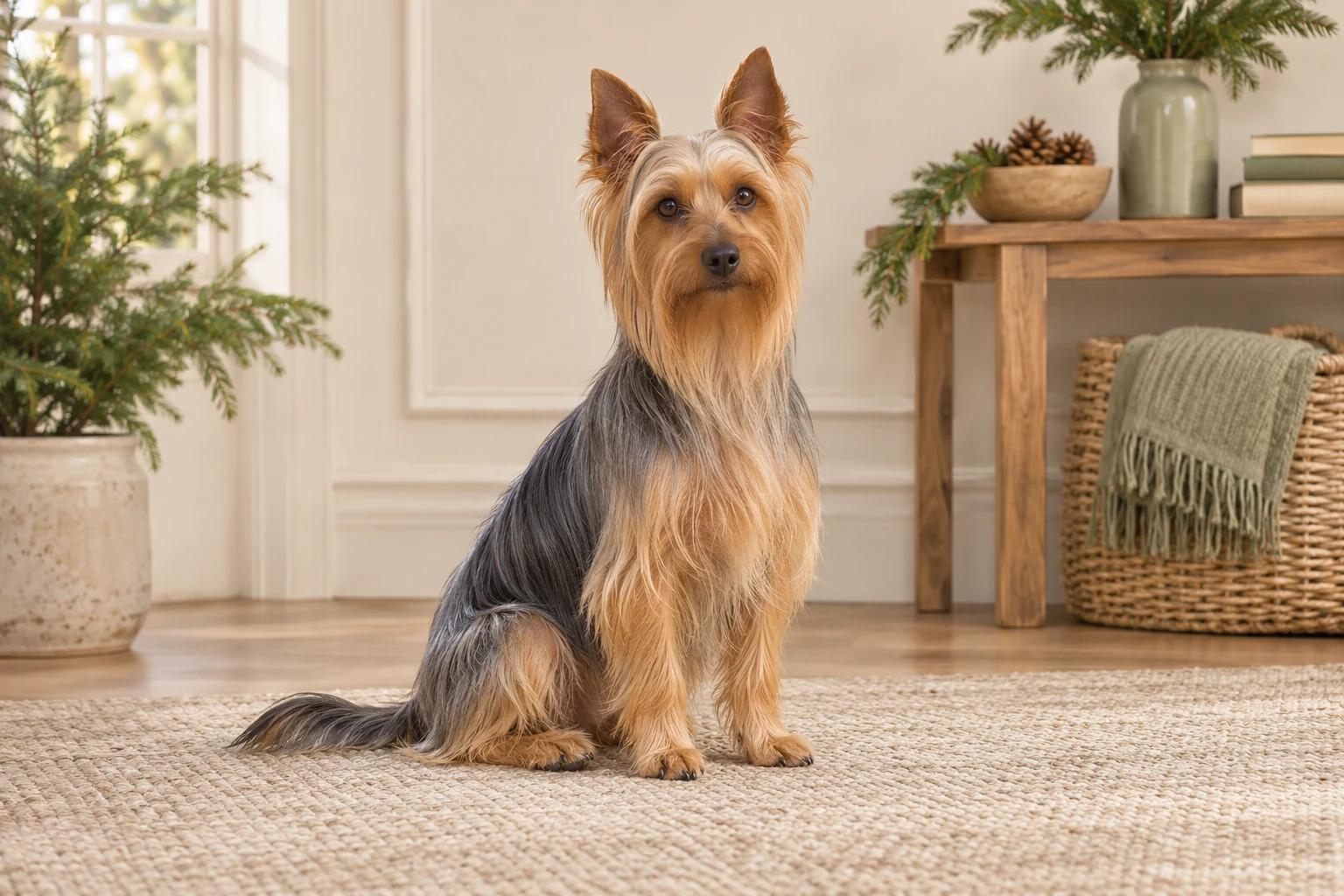
The Australian Silky Terrier’s FCI standard limits coat length by movement and visible clearance. A flowing coat is not an invitation to maximize length.
Read article →
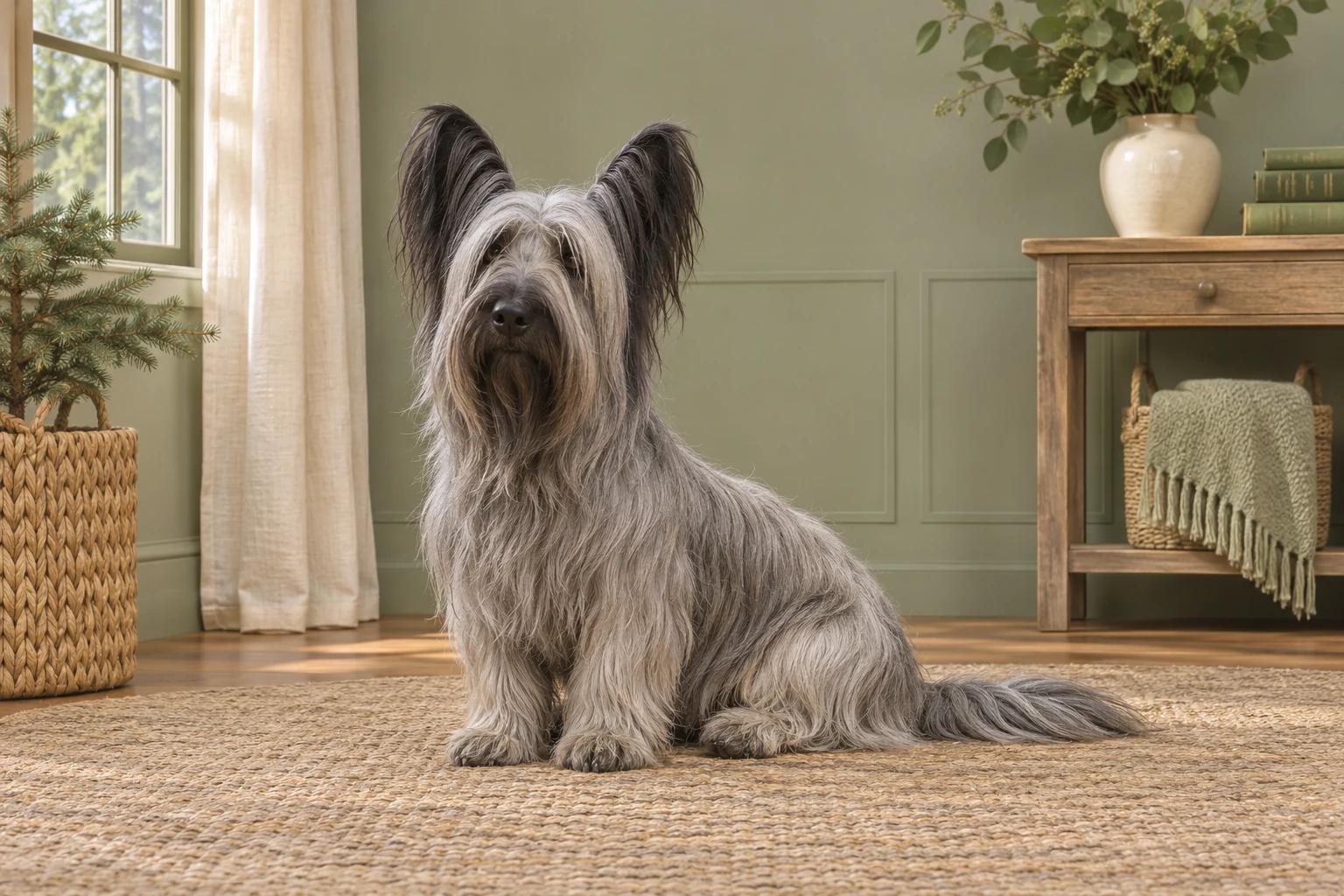
The Skye Terrier’s FCI standard describes both ear forms. A drop-eared dog should not be excluded from a breed introduction just because prick ears are more familiar.
Read article →
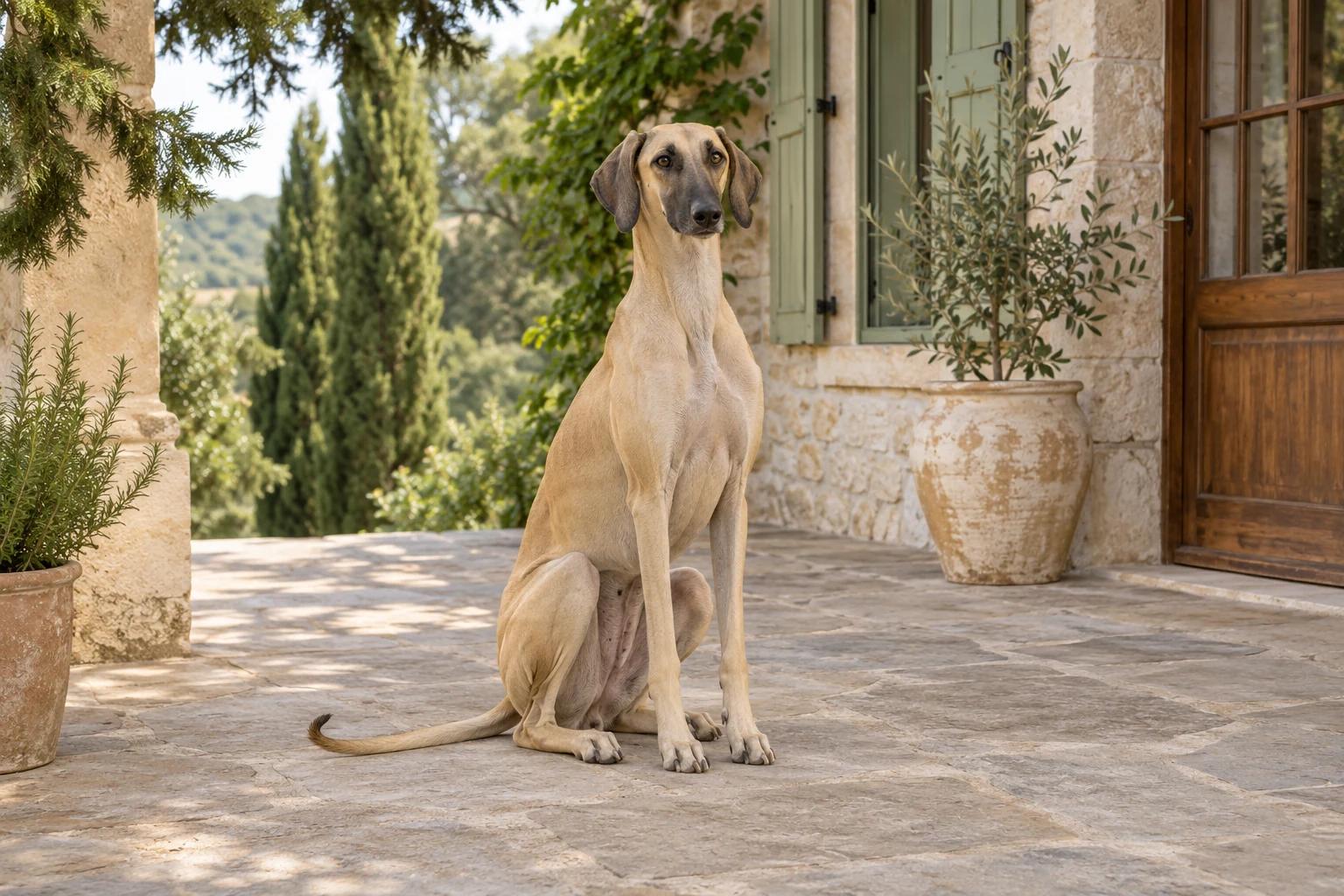
The Sloughi’s FCI standard gives body length and height a 0.96 ratio. Understanding the measurement points makes that proportion more useful than a stretched silhouette.
Read article →
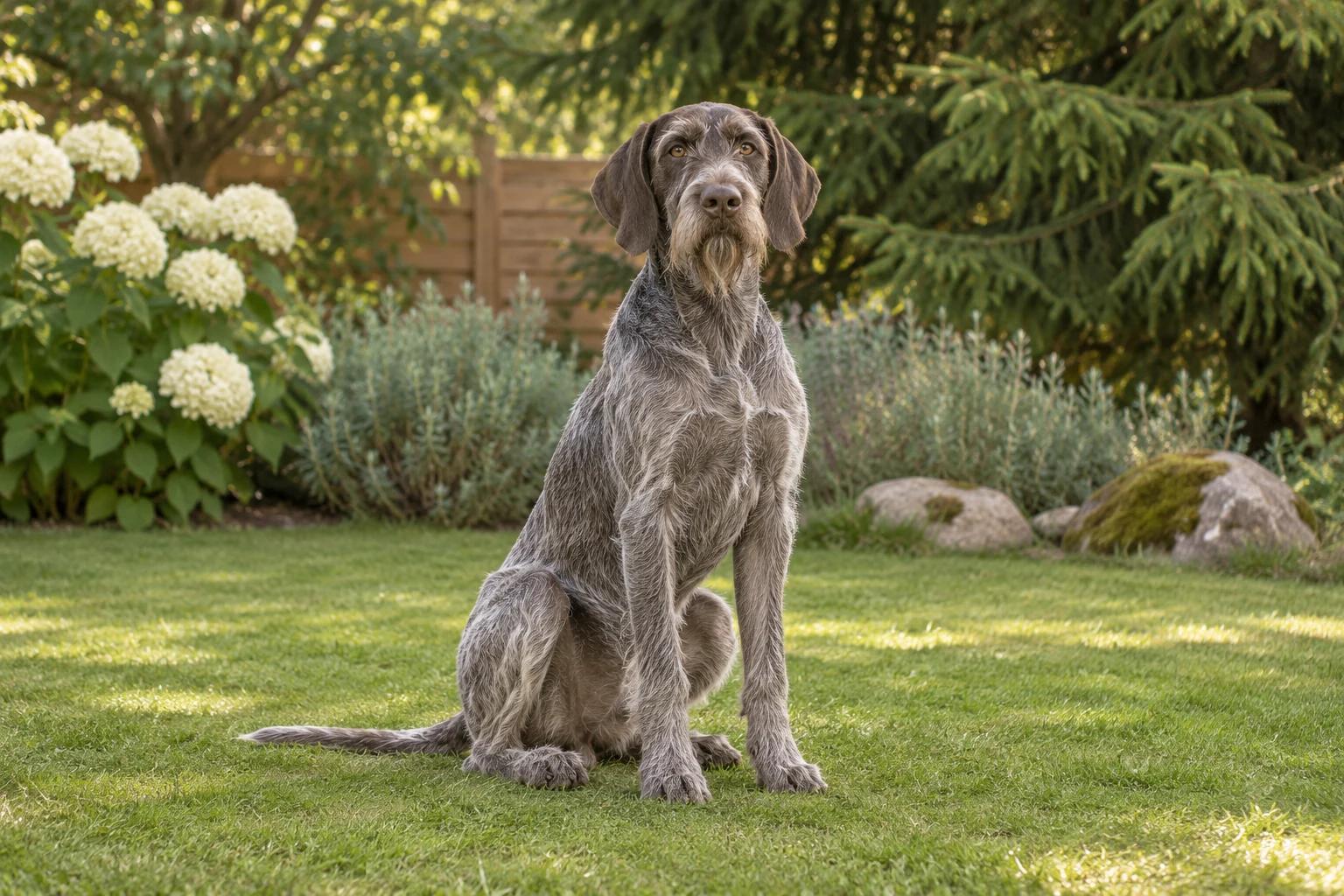
The Slovakian Wirehaired Pointer’s FCI standard emphasizes work after the shot, including searching and retrieving, across plain, woodland and water.
Read article →
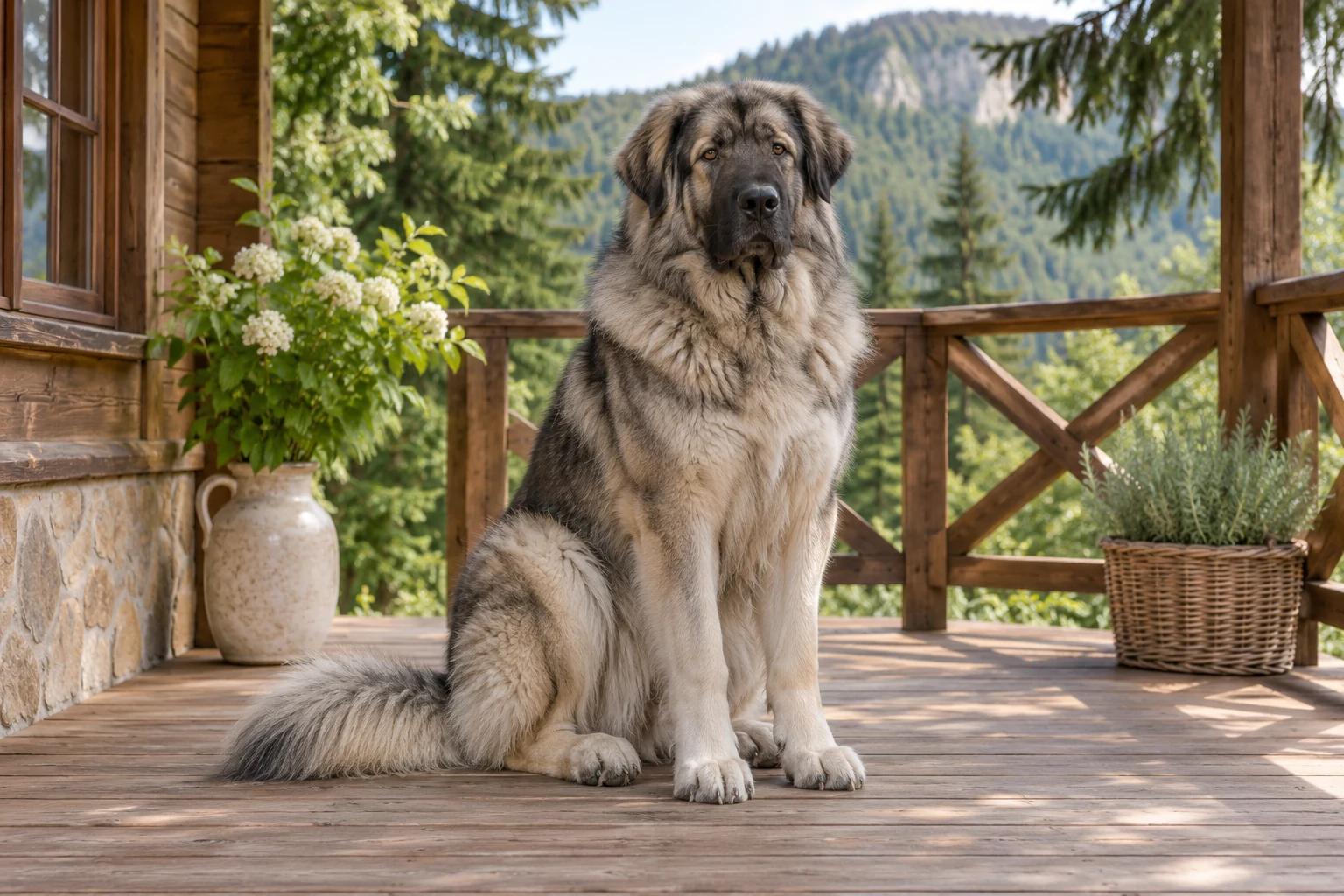
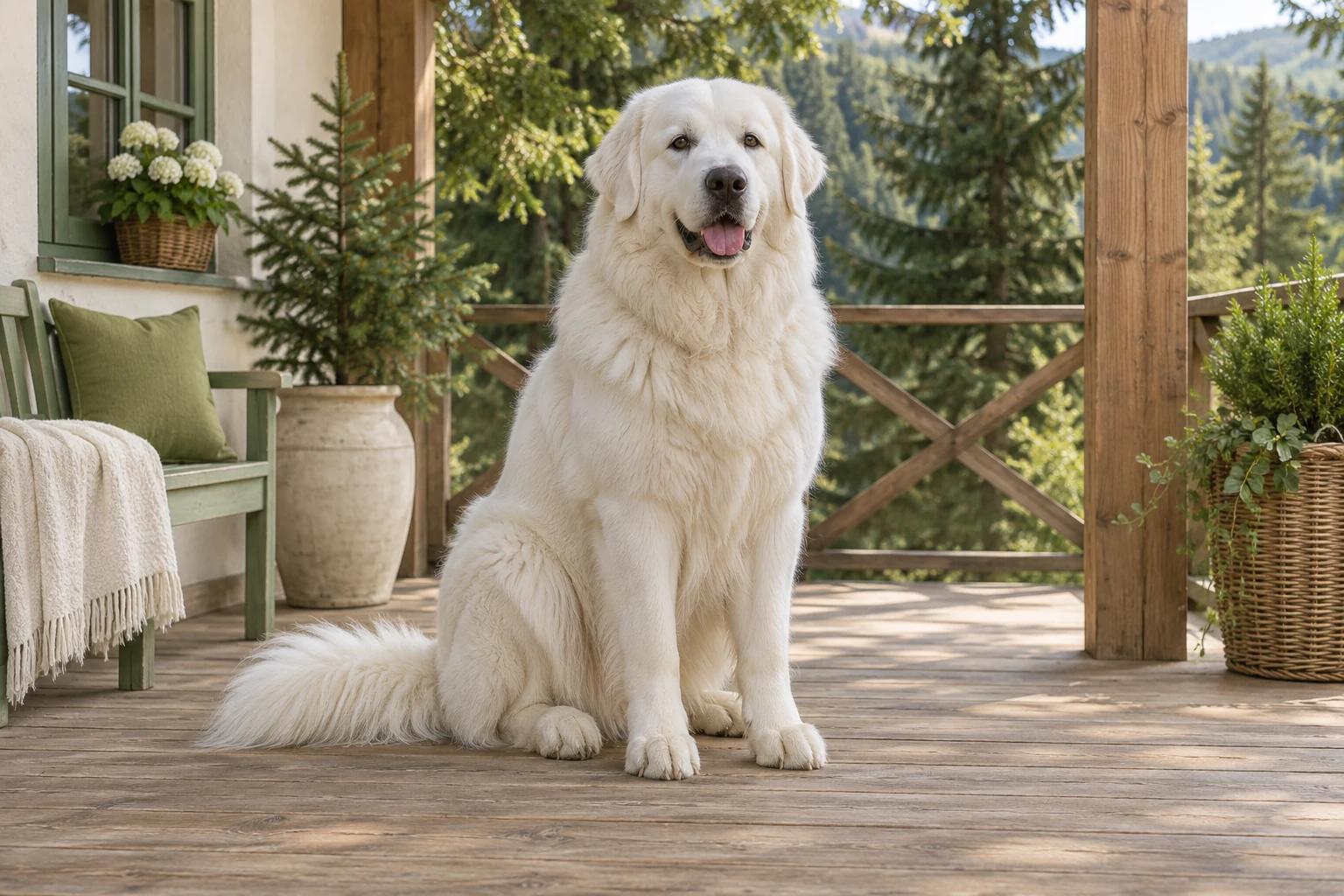
The Cuvac’s FCI standard describes a fine, dense undercoat that sheds in summer. Dated photographs and a care handover give more context than one full-coated portrait.
Read article →
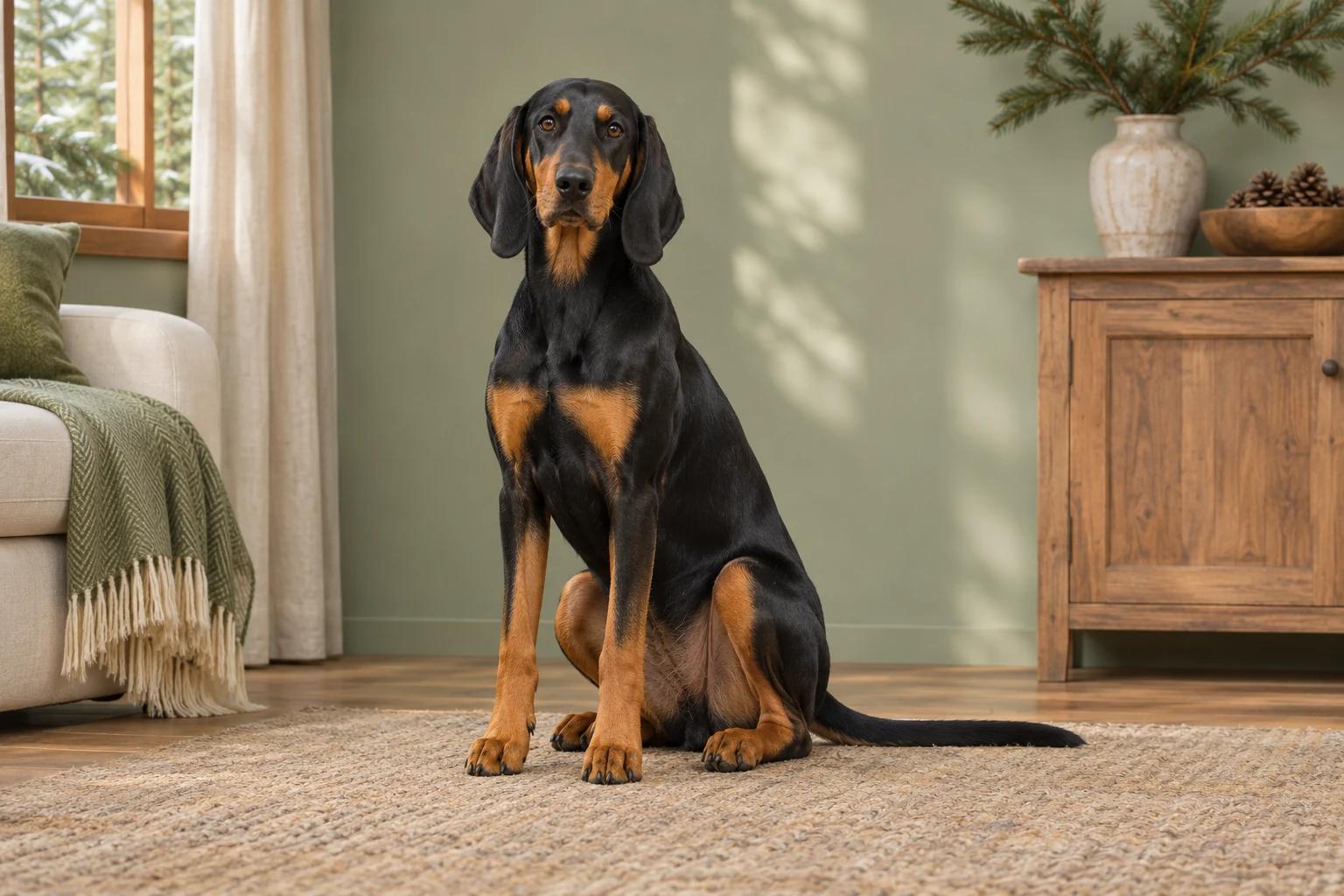
The Kopov’s FCI work description links sustained scent-following with vocalizing. That context is useful when asking about an individual dog’s voice and routine.
Read article →
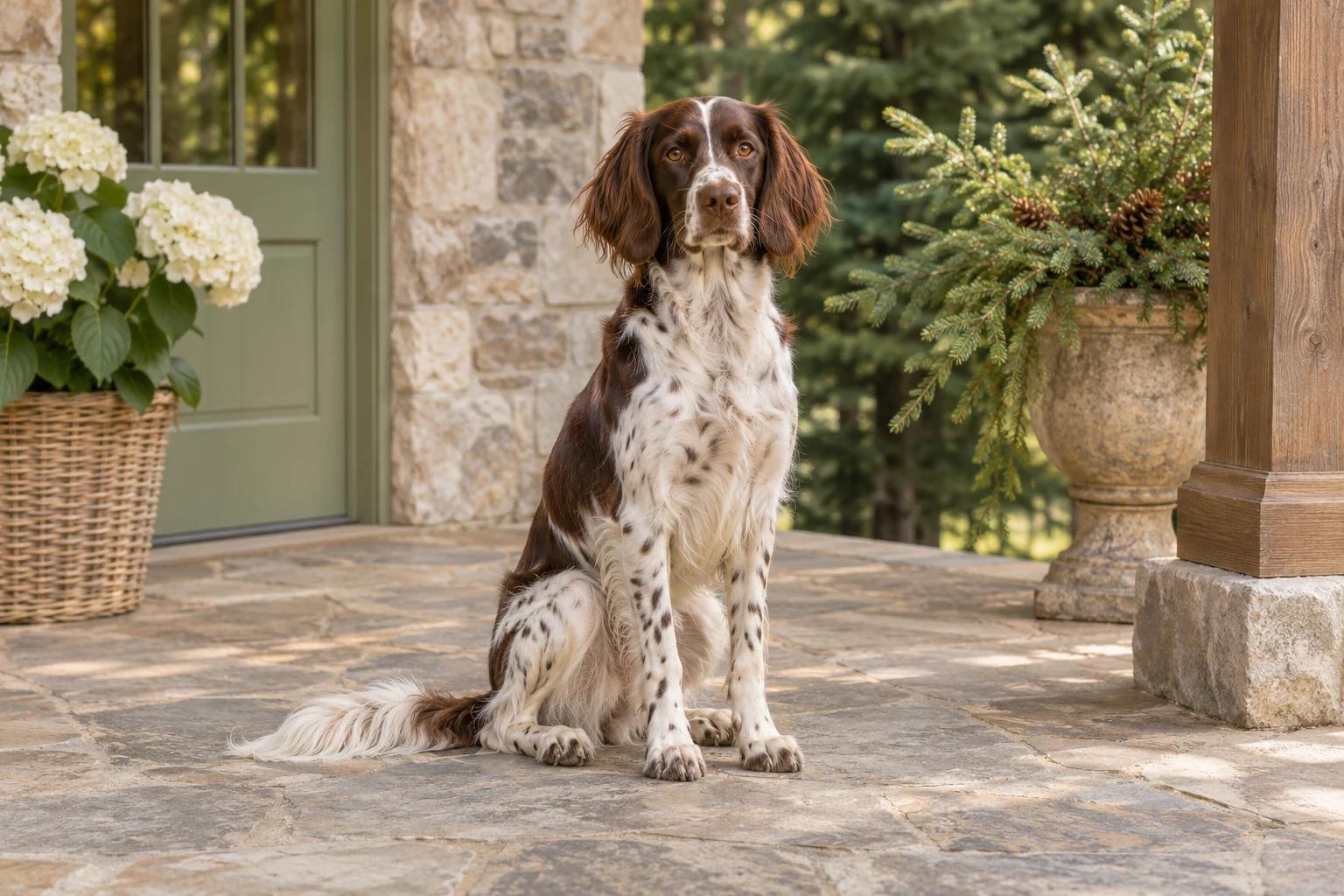
The Small Munsterlander’s FCI history distinguishes breeding documented around 1870, an association founded in 1912 and the first standard in 1921.
Read article →
The Smooth Fox Terrier’s FCI standard describes straight, parallel limb movement and drive from the hindquarters. Different views answer different observational questions.
Read article →Get to know breeds, then consider your own everyday life.