Skye Terriers can have prick ears or drop ears
The Skye Terrier’s FCI standard describes both ear forms. A drop-eared dog should not be excluded from a breed introduction just because prick ears are more familiar.
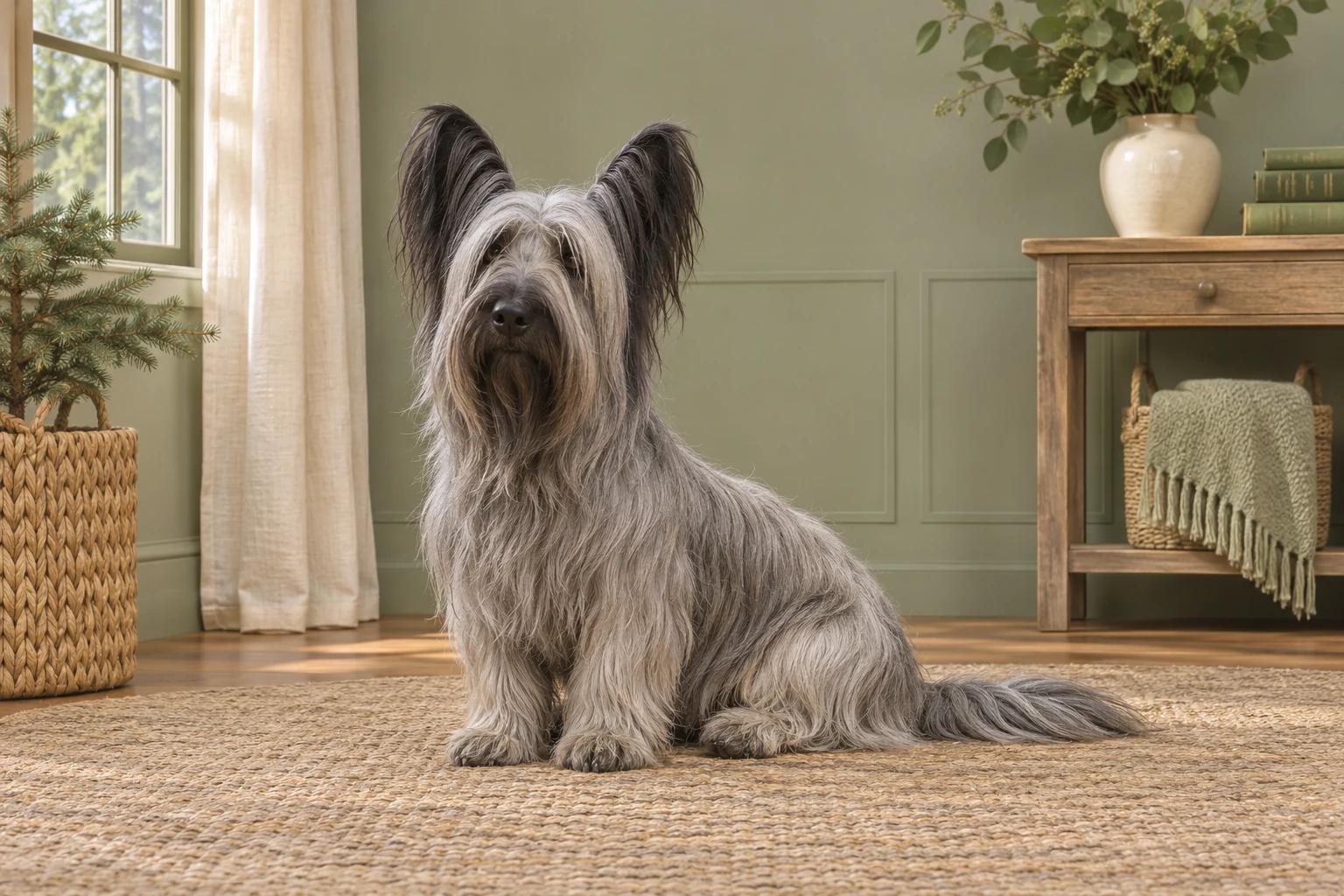
Both forms belong in the description
The FCI Skye Terrier standard explicitly allows prick or drop ears. It describes the prick ears as feathered and relatively small; the drop ears are larger, hang straight and lie flat and close at the front. Its historical section notes that the majority are prick-eared, while also identifying the drop-eared variety.
Make room for the less familiar image
If you are assembling a reference collection, include a clearly identified drop-eared example alongside a prick-eared one. Keep the whole head visible so readers can understand where the ear lies, rather than showing only a close crop of its fringe.
There is no need to explain a different ear form by inventing another breed in the dog’s background. The FCI description already accounts for both. Conversely, either ear shape alone is insufficient to establish the ancestry of an unknown dog.
Use better captions and ask better questions
For an individual profile, name the observed form when it is clear and retain any uncertainty about the dog’s history. Ask the keeper for an ordinary head photograph if the coat or camera angle makes the ears difficult to distinguish.
This is a useful detail for recognizing variety within the breed, not a promise about personality or care requirements. A complete introduction should still describe the individual’s known routine and background separately.
Sources behind this article
Article source checked: October 20, 2026. Source checked 2026-10-20
Keep reading
Skye Terrier vs Scottish Terrier: Daily Life Compared
Read article →