One Saluki photograph cannot represent every traditional type
The Saluki’s FCI history explicitly values variation in type and includes a smooth variety without feathering. Compare documented examples without treating one as universal.
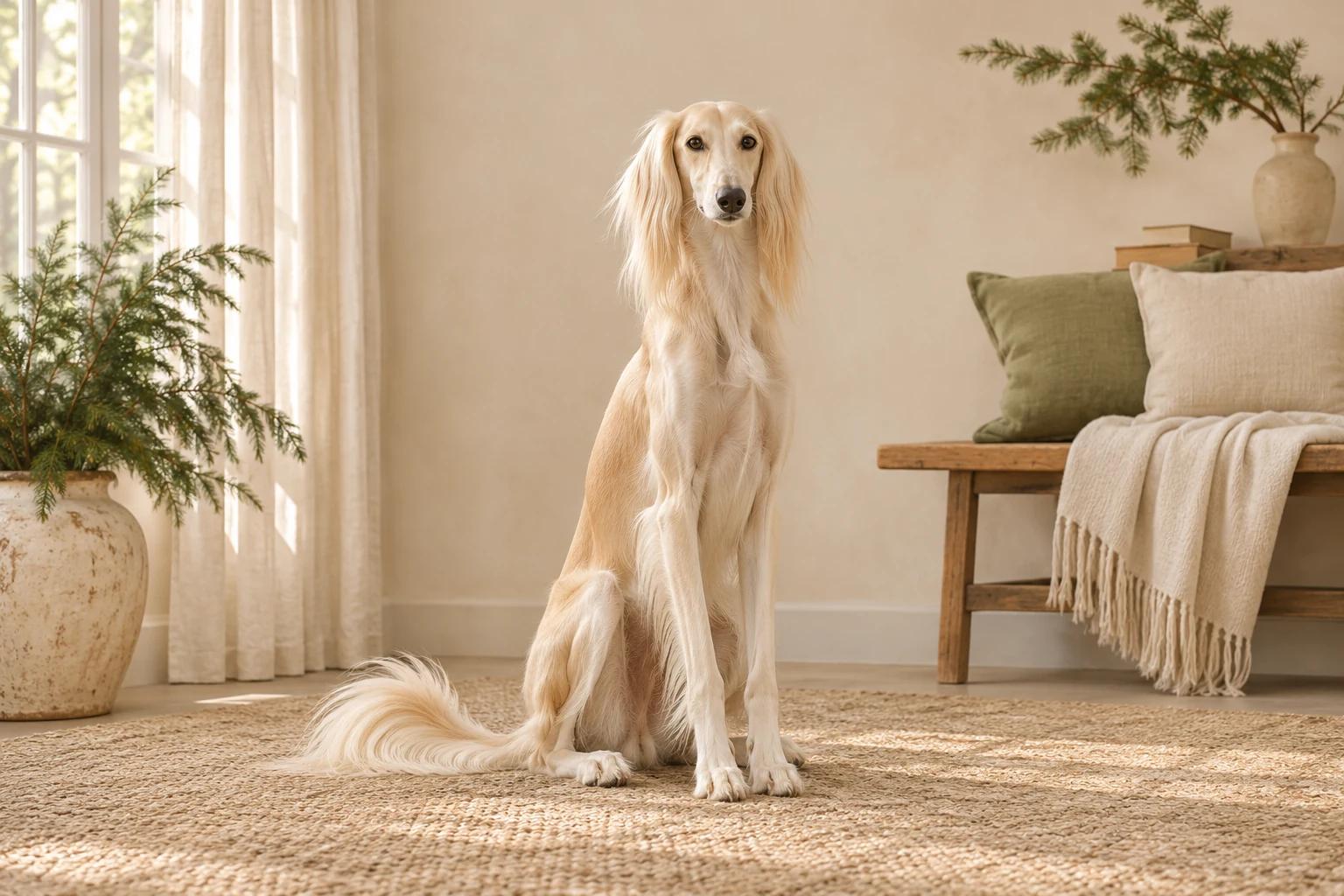
Variation is part of the account
The FCI Saluki standard calls variation in type both characteristic and desirable. Its historical explanation connects that diversity with the wide Middle Eastern region, differing terrain and climate, and dogs suited to local game. It says the British standard of 1923 was intended to cover the original types brought to Europe.
Include the smooth variety in the picture
The document also describes a smooth variety with the same points apart from its lack of feathering. A Saluki introduction made only from portraits with long ear and tail furnishings can therefore leave readers with an incomplete visual expectation.
For a small reference collection, include clearly identified examples and preserve their captions. Compare the complete dogs instead of using one especially familiar silhouette as the template against which every other image must fit.
Do not turn diversity into invented ancestry
A different outline is not enough to assign a dog to a particular tribe, region or historical line. Those claims need records beyond visual resemblance. Ask what is documented and keep unknown details unknown.
The standard’s recognition of variation helps prevent an overly narrow breed introduction. It does not mean every appearance proves Saluki identity, and it does not predict a particular dog’s behavior. Use the images to broaden your understanding, then investigate individual history separately.
Sources behind this article
Article source checked: October 20, 2026. Source checked 2026-10-20
Keep reading
Saluki vs Borzoi: Shape, Coat and Everyday Life
Read article →