Why does the Bolonka’s AKC standard mention both 10¼ and 11 inches?
The Bolonka’s AKC standard states height up to 10¼ inches and disqualifies height over 11 inches. The threshold should not replace the stated height description.
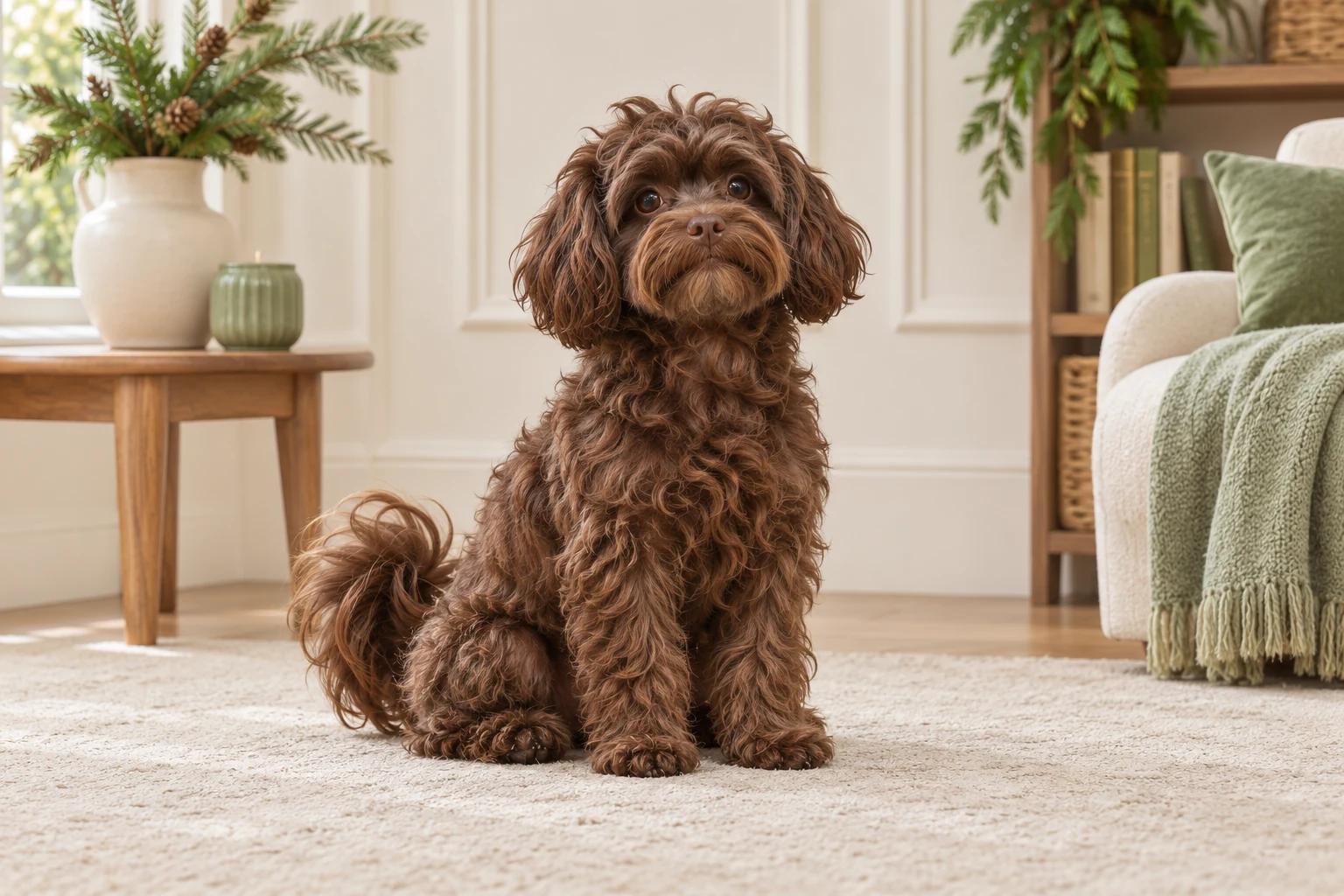
Explore the
Russian Tsvetnaya Bolonka
Background, care, and everyday considerations.
View breed profile →The two numbers serve different purposes
The AKC Russian Tsvetnaya Bolonka standard gives height at the withers as up to ten and one-quarter inches. Separately, it makes height over eleven inches a disqualification. Those are different statements. Quoting only the disqualification threshold changes the meaning of a summary that is supposed to describe the stated height.
Read the boundary precisely
A dog measuring ten and three-quarter inches would be above the stated height but below the over-eleven-inch disqualification threshold. That example explains the wording; it does not declare the dog ideal or settle its overall eligibility or placement in an event.
If exhibition matters to you, use the full applicable standard and the event’s measurement procedures. Do not substitute a casual measurement or this short explanation for an official assessment.
Keep a companion decision broader than the number
For a home placement, ask for the individual’s current measurements and the date they were taken. For a puppy, treat adult size as uncertain rather than assuming a boundary in a standard predicts exactly how the dog will grow.
The AKC document used here was approved in June 2021 and became effective in January 2023. Keeping that context with the figures makes future comparisons clearer and avoids presenting one registry’s wording as a universal definition of every Bolonka.
Sources behind this article
Article source checked: October 20, 2026. Source checked 2026-10-20
Keep reading
Russian Tsvetnaya Bolonka Grooming: A Practical Routine
Read article →