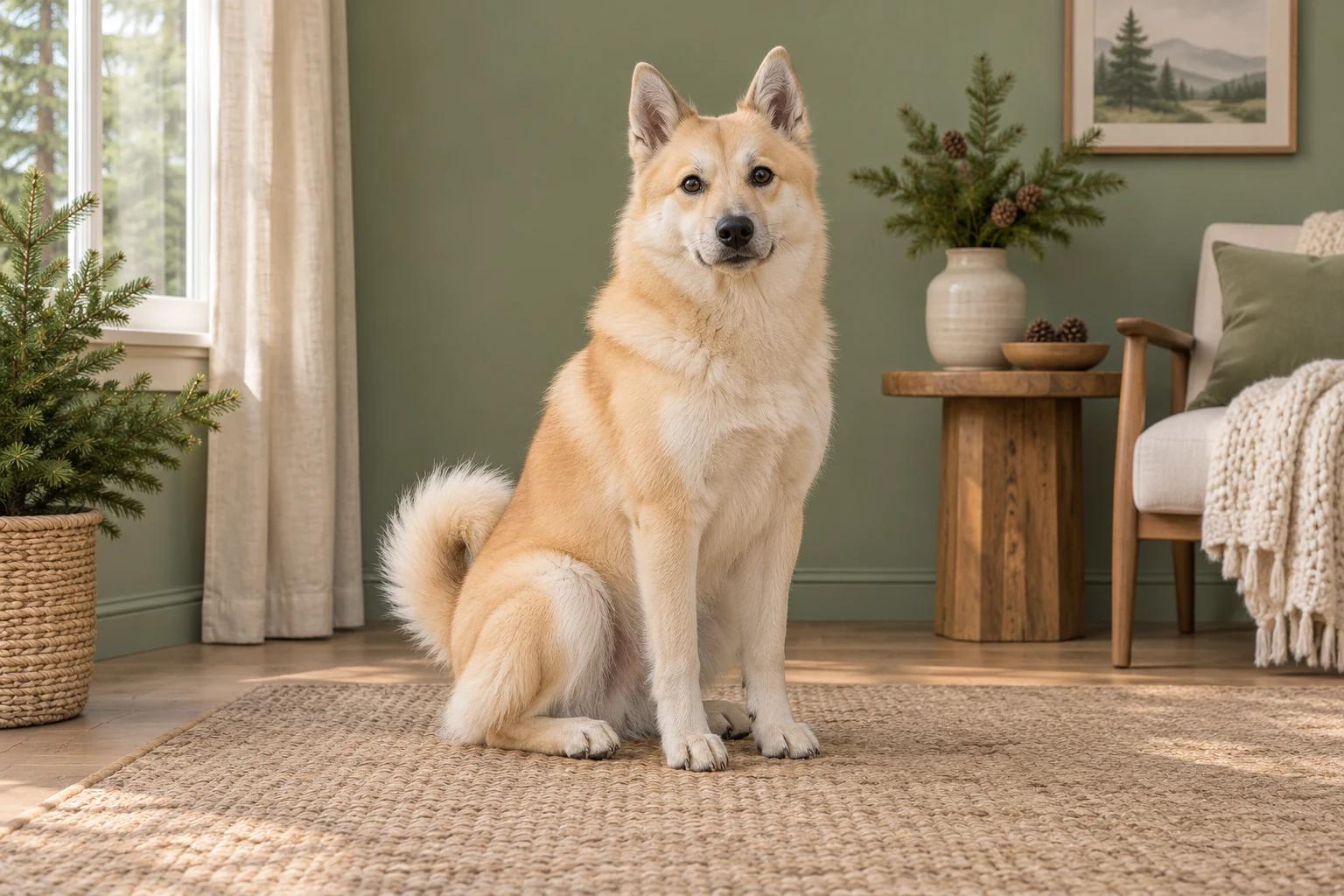
Norwegian Buhund
The Norwegian Buhund’s name points to a farmstead
Buhund means farmstead dog in the FCI history. That context offers a useful starting point for discussing the breed’s working background.
Read article →Explore the routines, questions, and small decisions behind life with a dog.
1268 articles to explore
Buhund means farmstead dog in the FCI history. That context offers a useful starting point for discussing the breed’s working background.
Read article →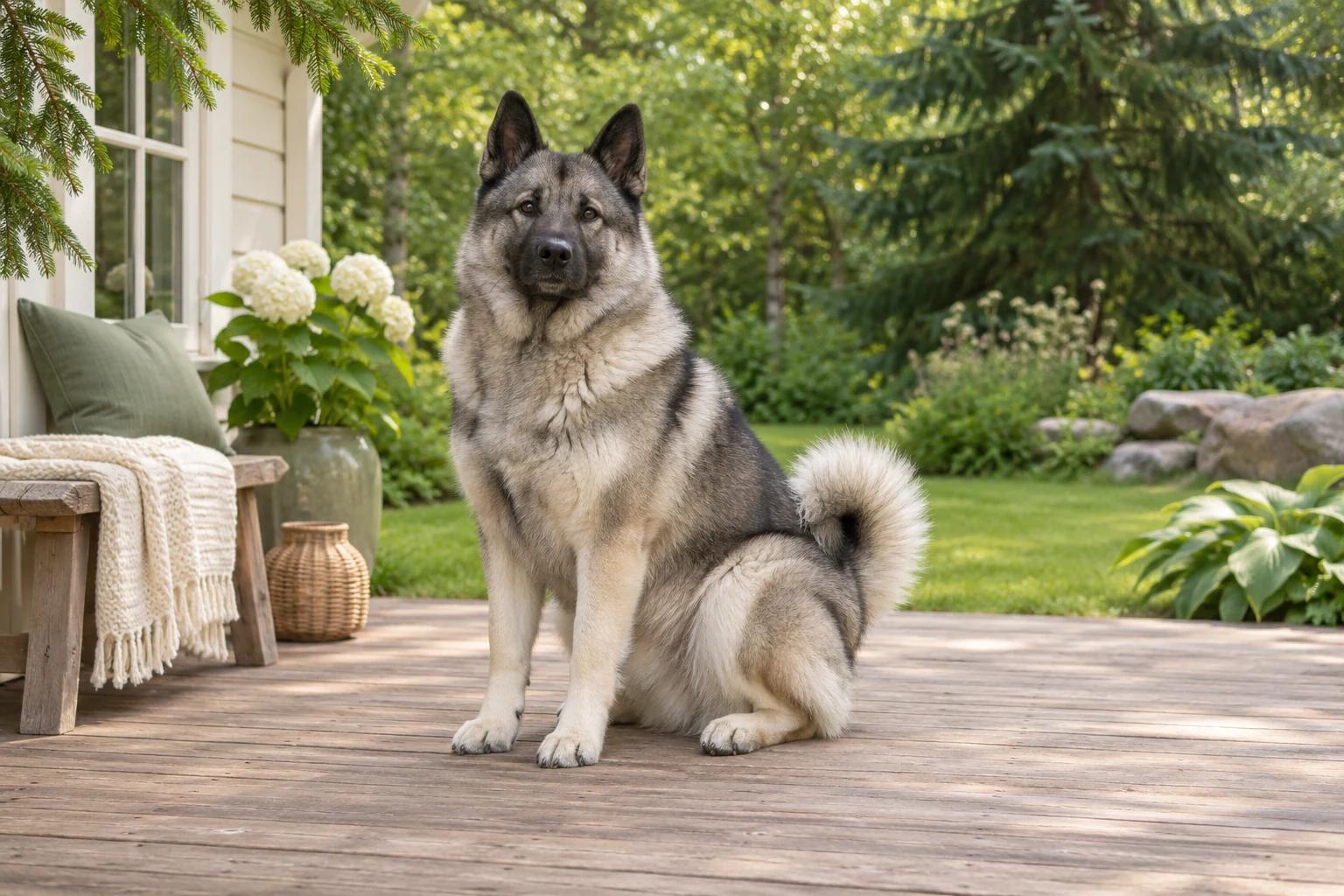
The lighter stripe called a harness marking appears in the Norwegian Elkhound Grey standard. It describes hair color, not equipment.
Read article →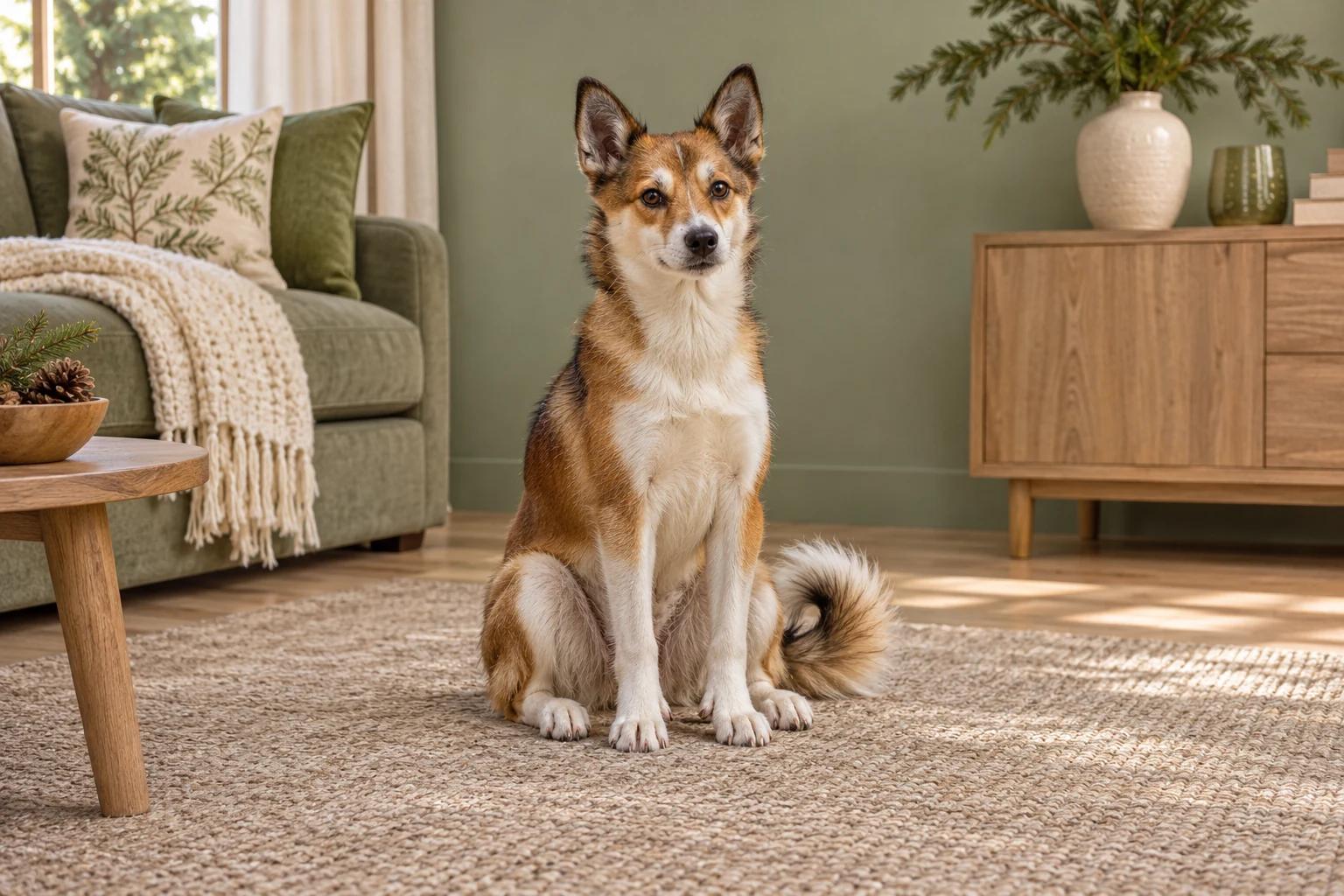
The Norwegian Lundehund’s extra toes are only part of the story. Its standard describes different ground contact and pad counts for front and hind feet.
Read article →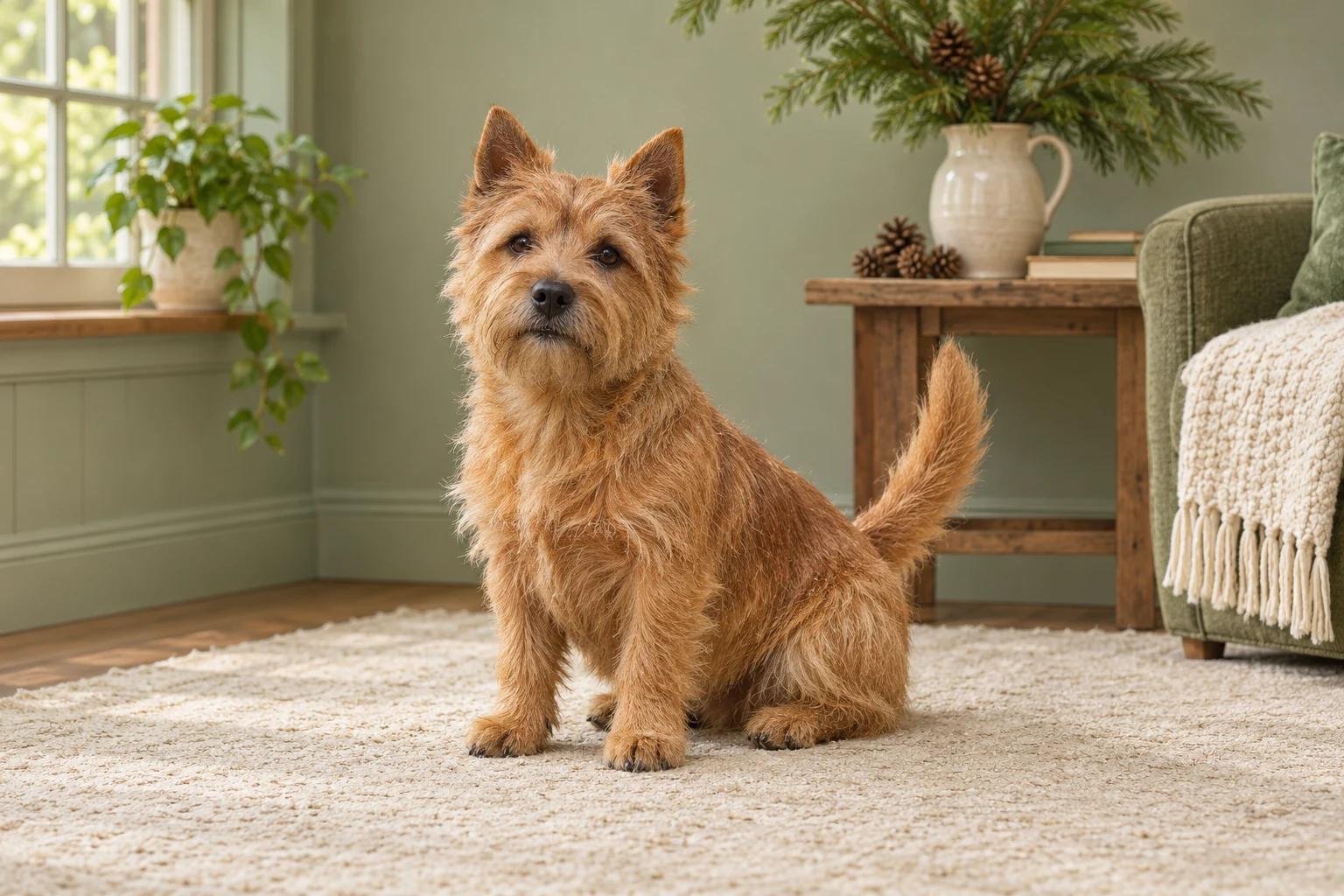
The Norwich Terrier standard describes erect ears but allows them to lie back when the dog is not at attention. A single image can miss that context.
Read article →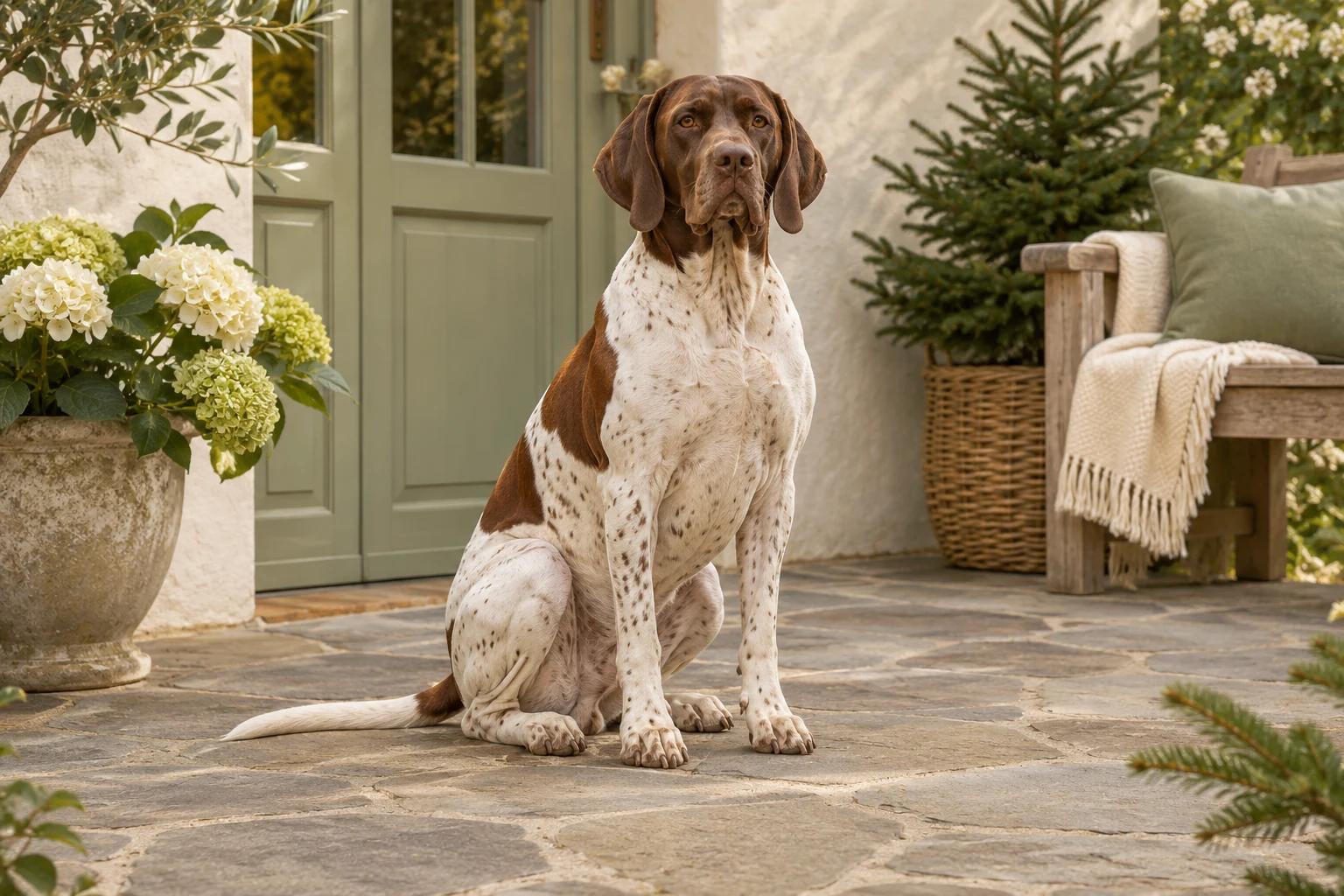
The Old Danish Pointer is described as progressing relatively slowly while maintaining contact with the hunter. That is working style, not a promise of low activity.
Read article →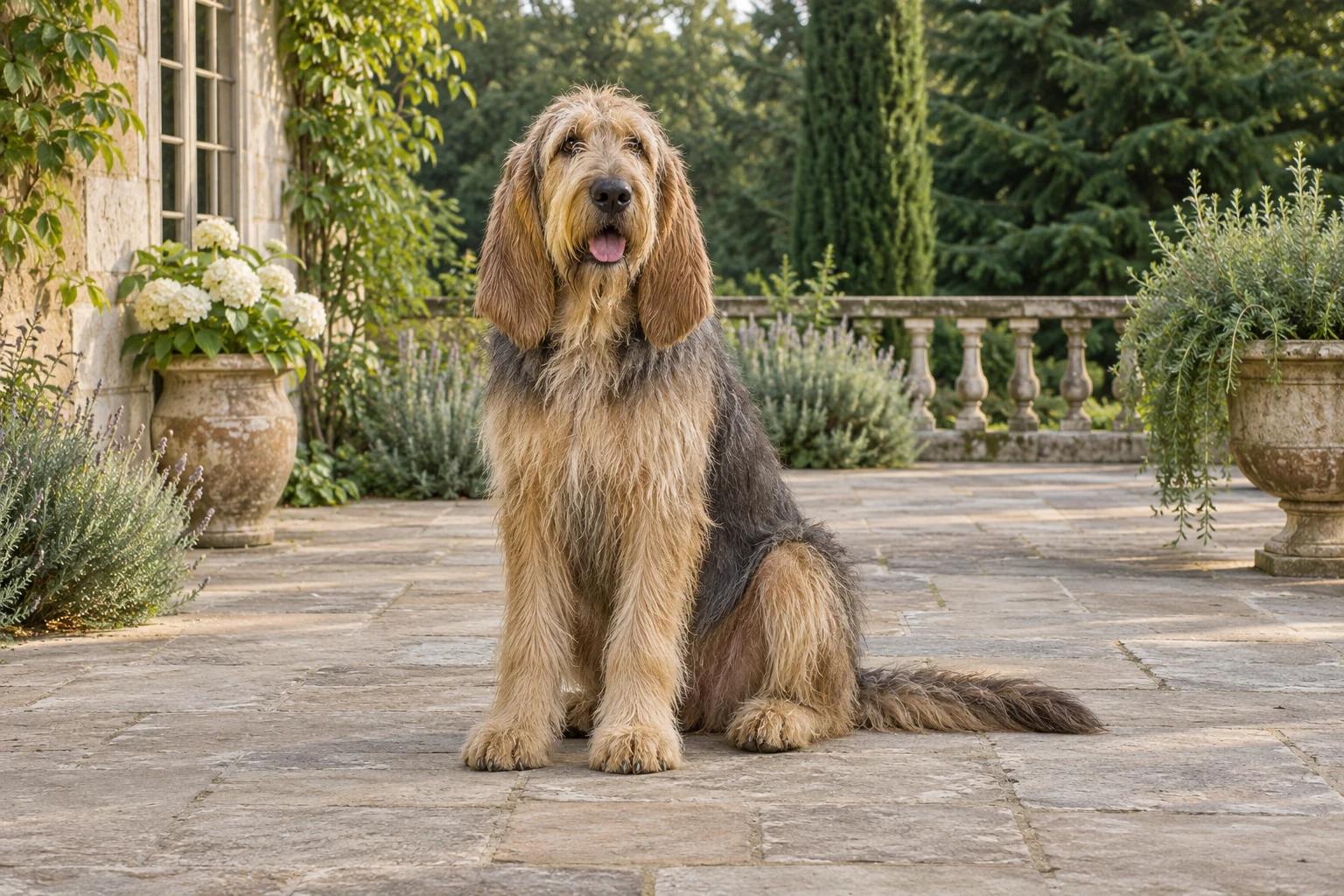
In Otterhound terminology, drag refers to an otter’s scent on land and wash to scent in water. The words help make historical accounts easier to follow.
Read article →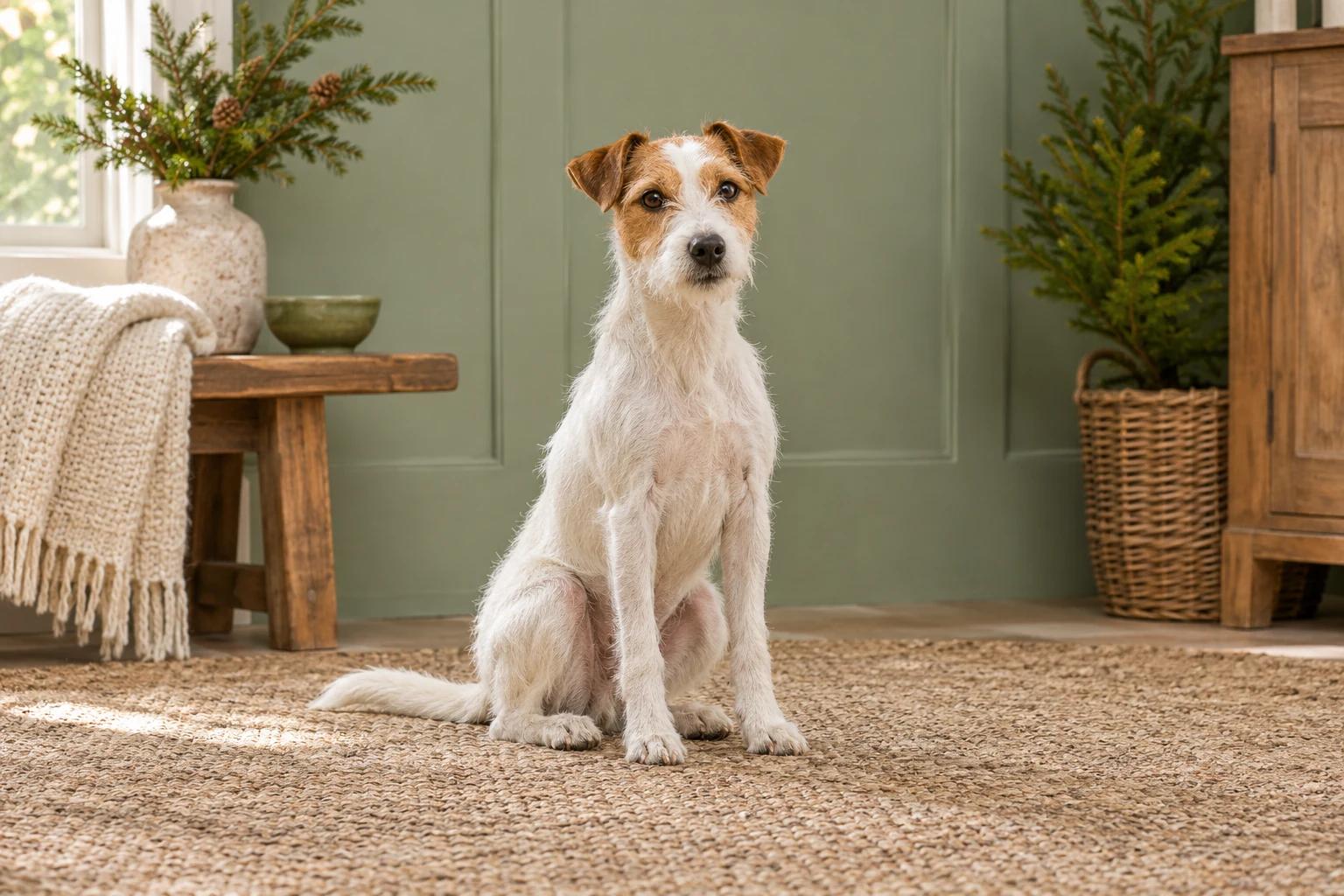
The Parson Russell Terrier standard links a moderate, spannable chest with work underground. Height alone does not explain the intended build.
Read article →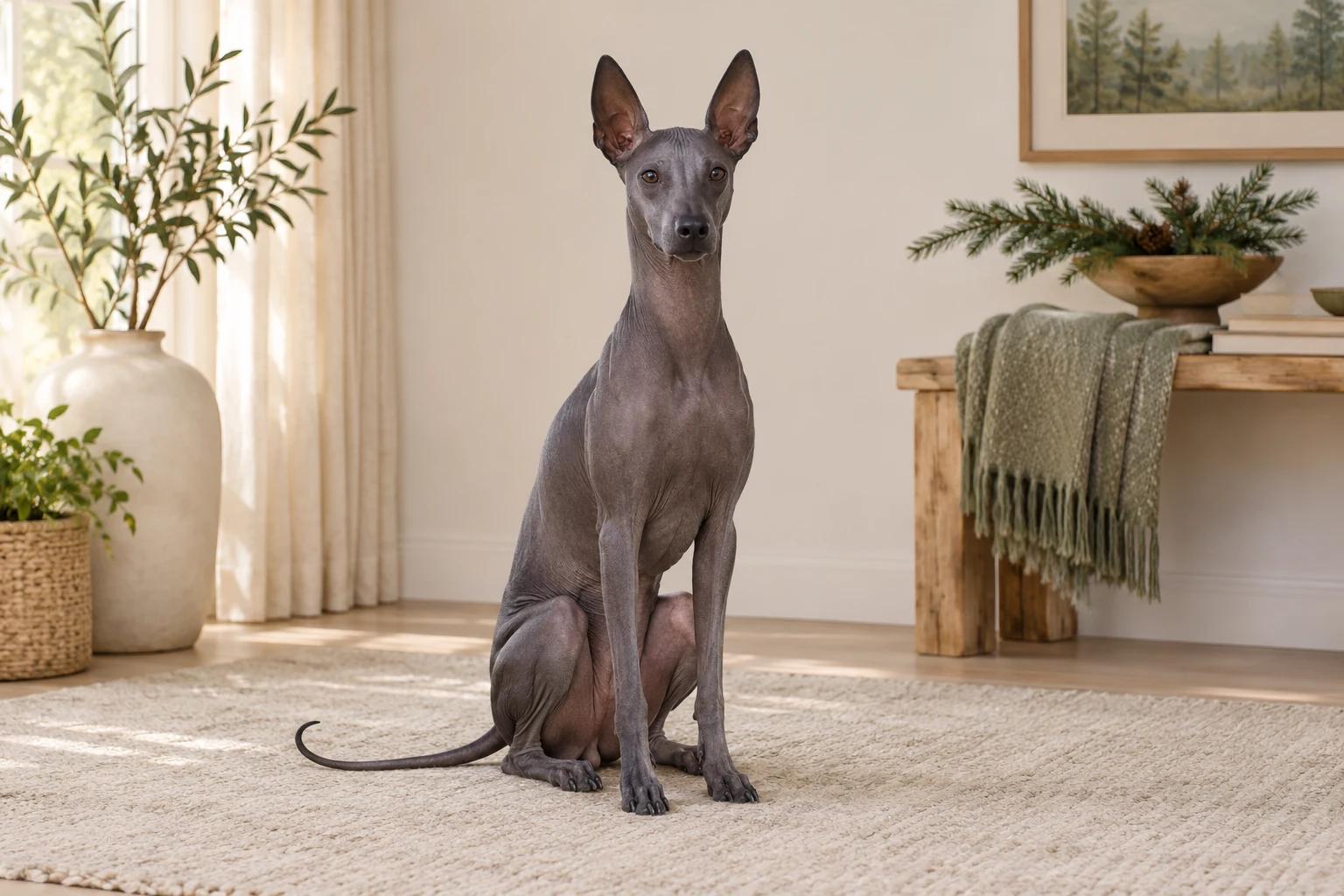
The Peruvian breed includes hairless and coated varieties. Recognizing both helps prevent the name from becoming a misleading appearance test.
Read article →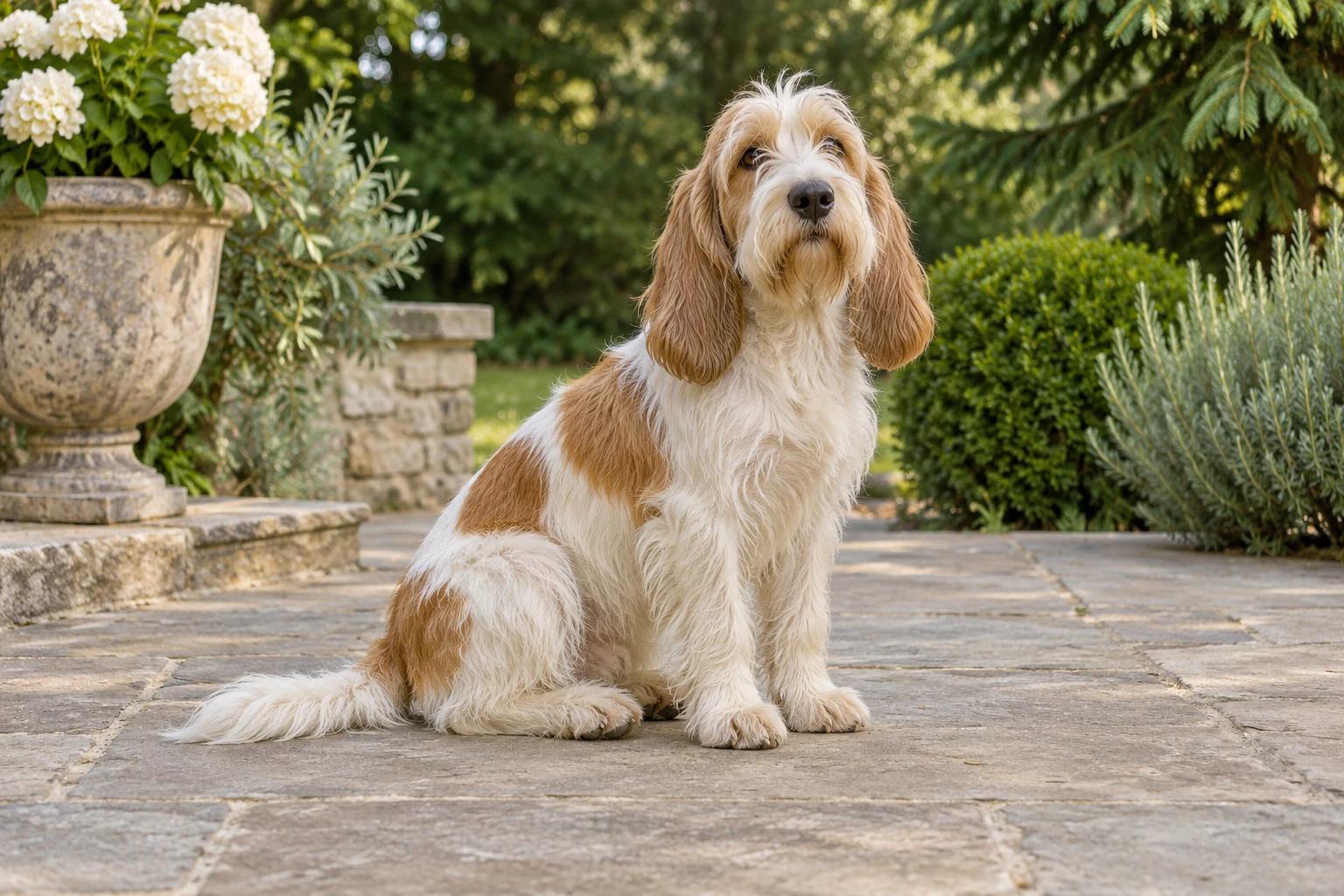
The Petit Basset Griffon Vendéen’s separate standard reflects a distinction in overall proportions, not simply a lower height limit.
Read article →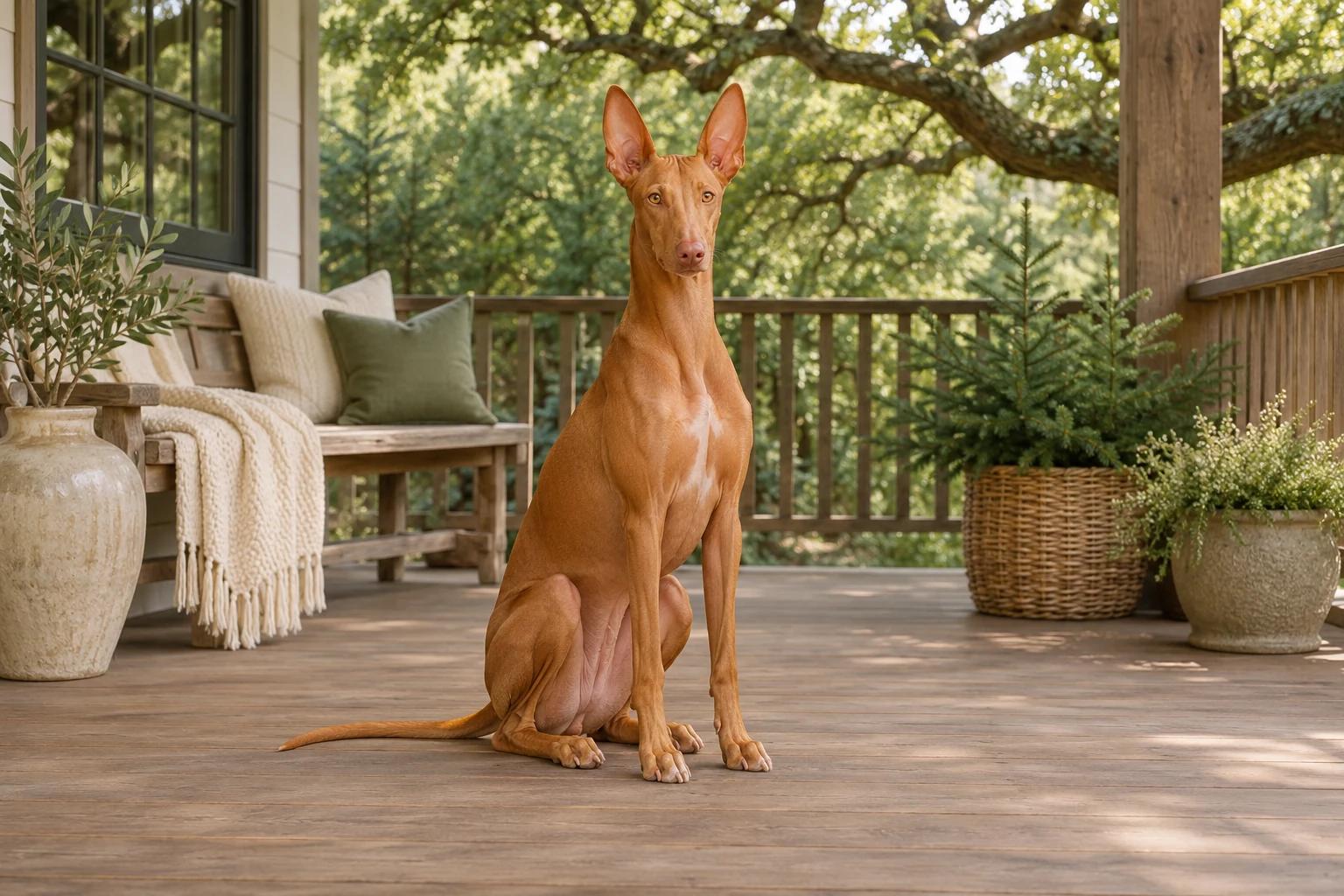
The Pharaoh Hound’s FCI standard lists Malta as its origin and Great Britain as patronage. Its evocative name should not replace those distinctions.
Read article →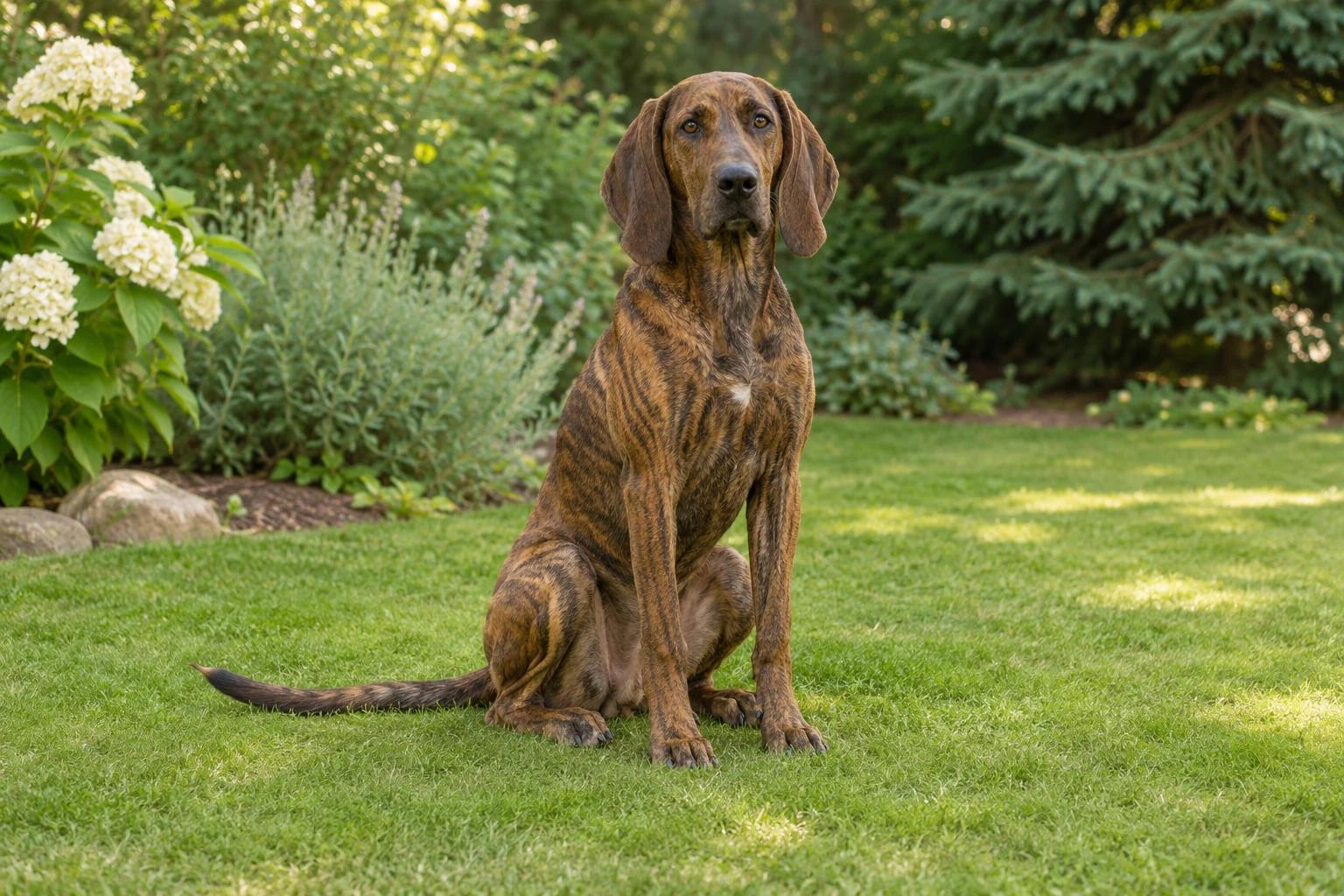
The UKC Plott Hound standard permits solid black and solid buckskin. Its 2020 revision helps explain why older color advice may differ.
Read article →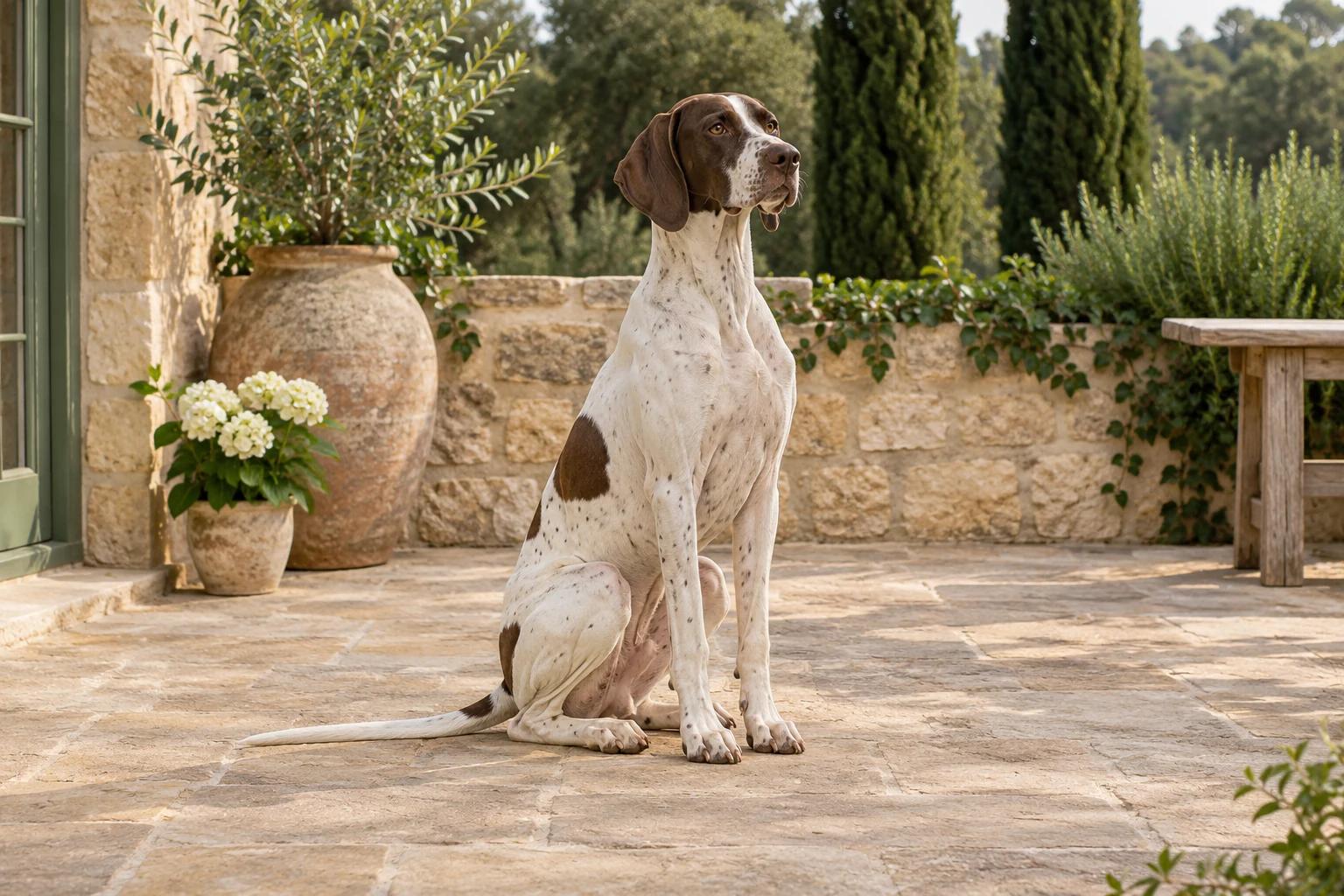
The Pointer standard describes smooth, ground-covering movement. A useful video shows an ordinary sequence rather than only a dramatic standing pose.
Read article →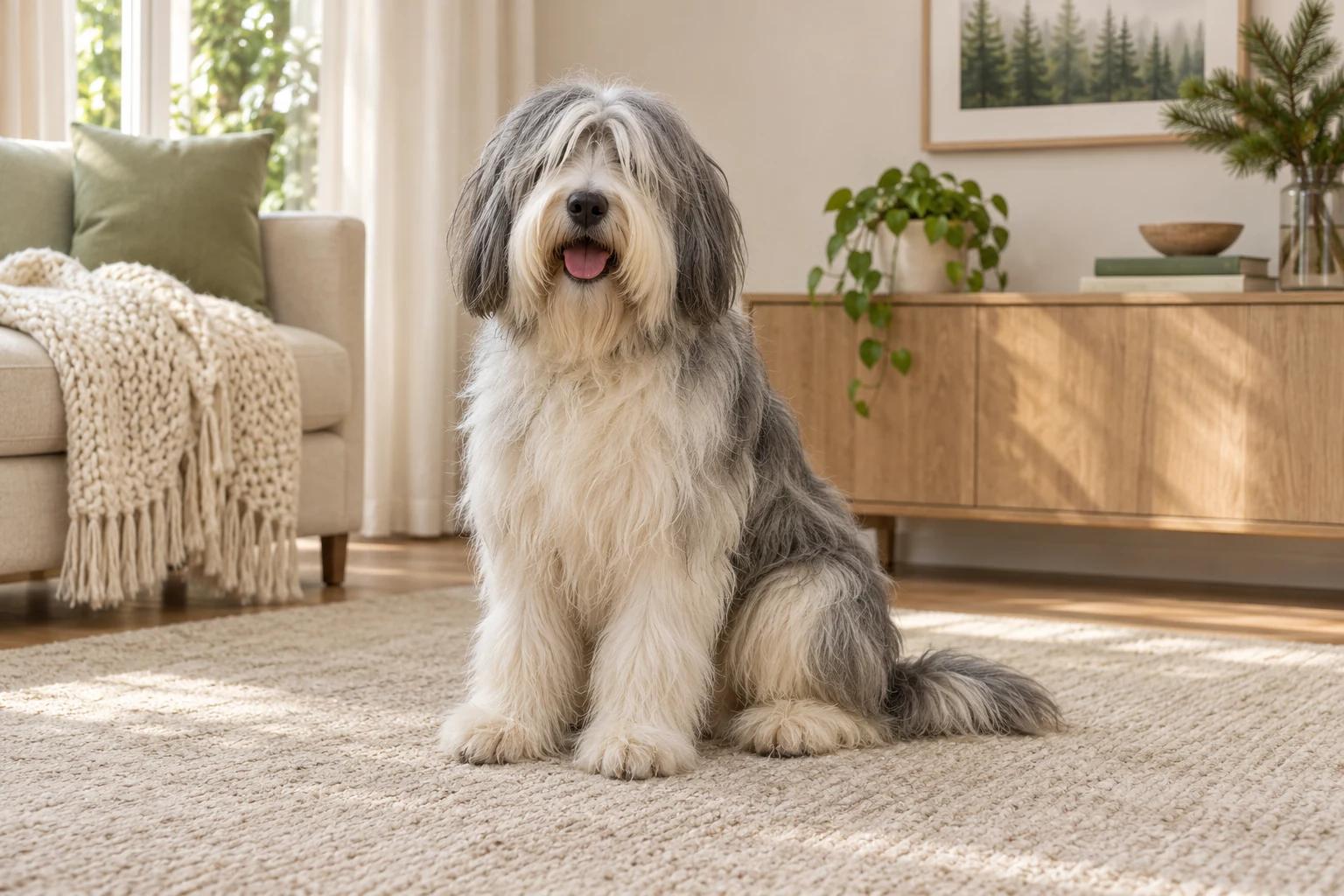
A Polish Lowland Sheepdog has a profuse outer coat and soft undercoat. A practical handover should explain how the individual’s coat is currently maintained.
Read article →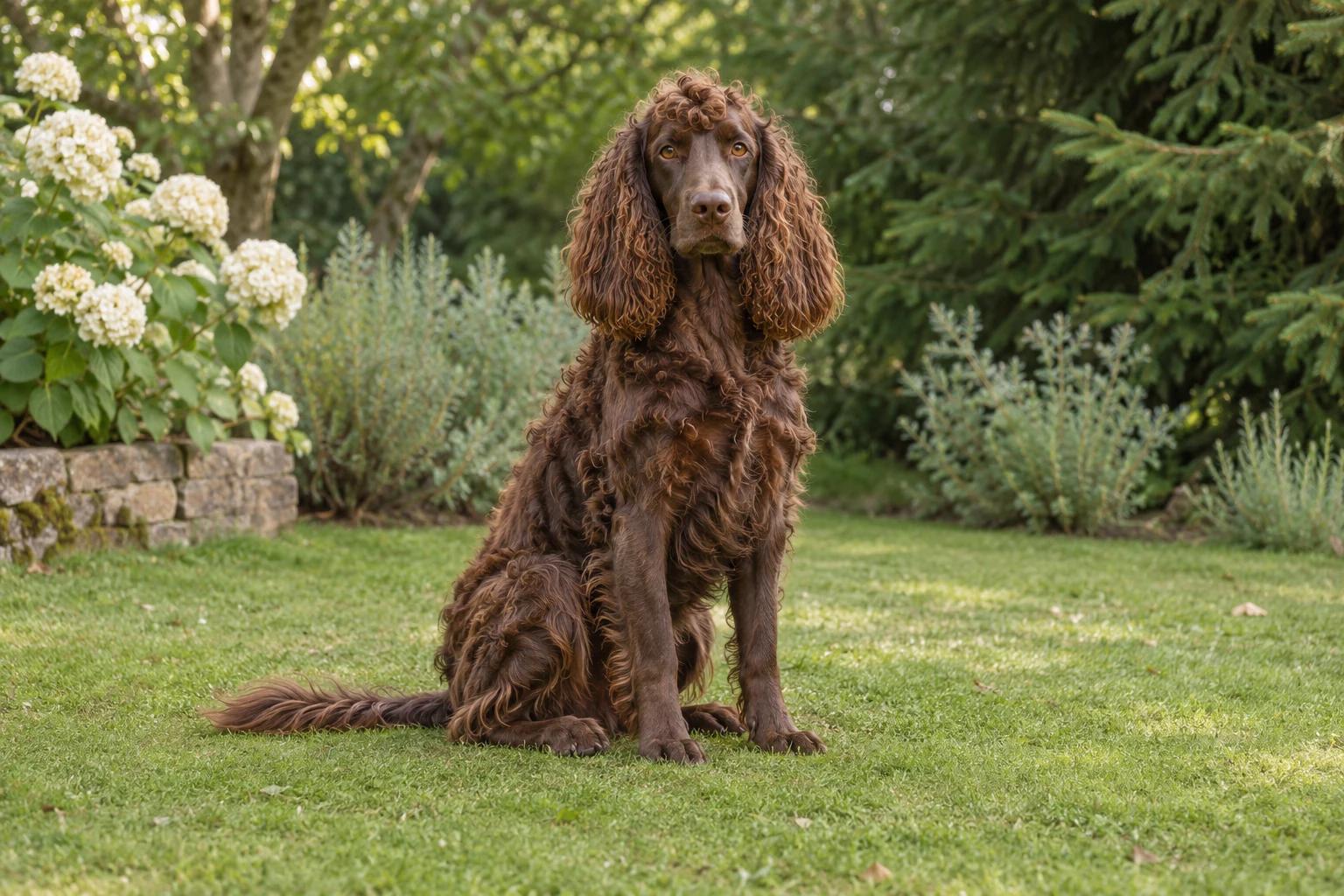
The Pont-Audemer Spaniel’s curly topknot joins the long hair on its ears while leaving the forehead bare. That arrangement matters more than curls alone.
Read article →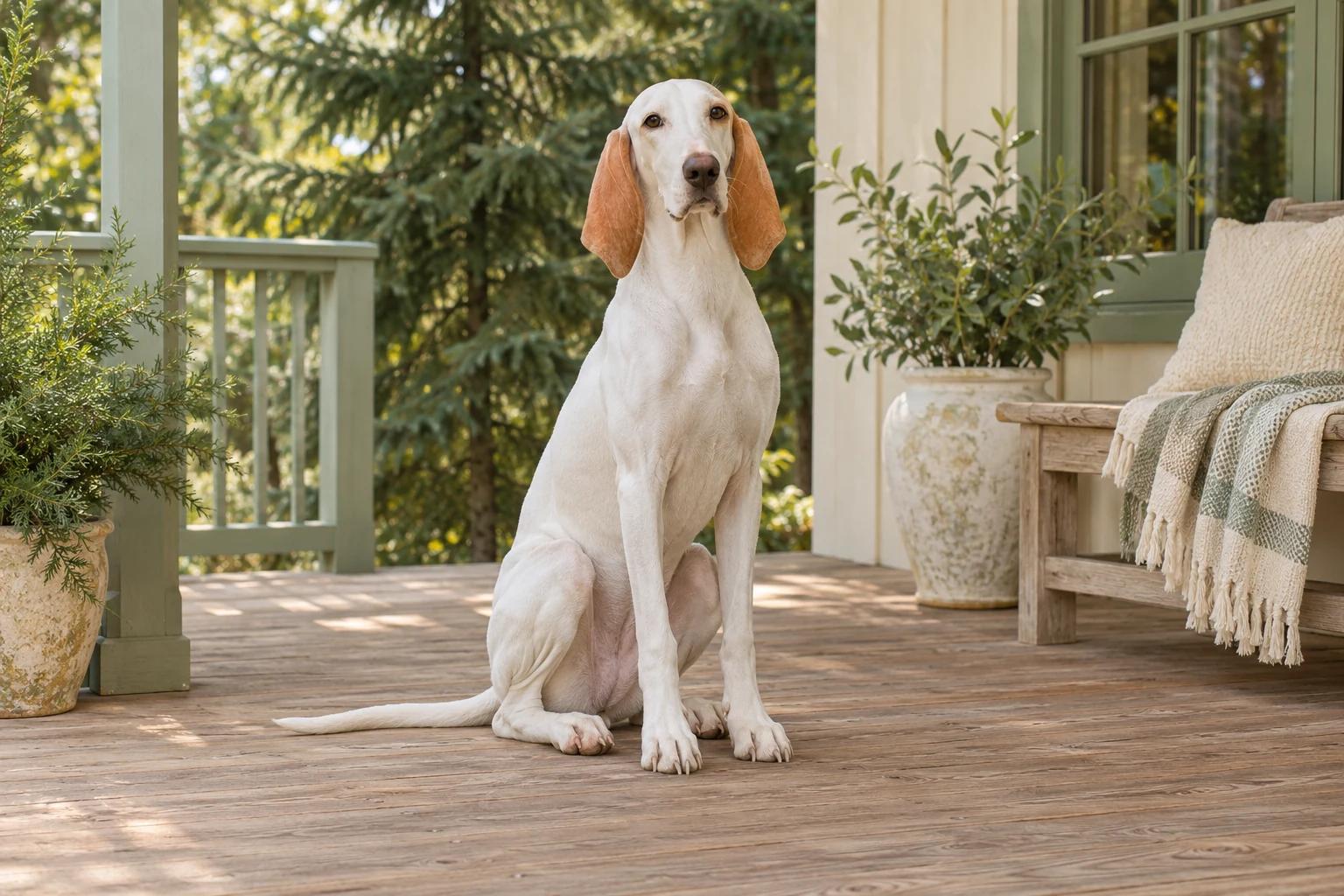
The Porcelaine standard describes white hair with orange markings and black-spotted skin beneath. Reading the two separately avoids a common color mix-up.
Read article →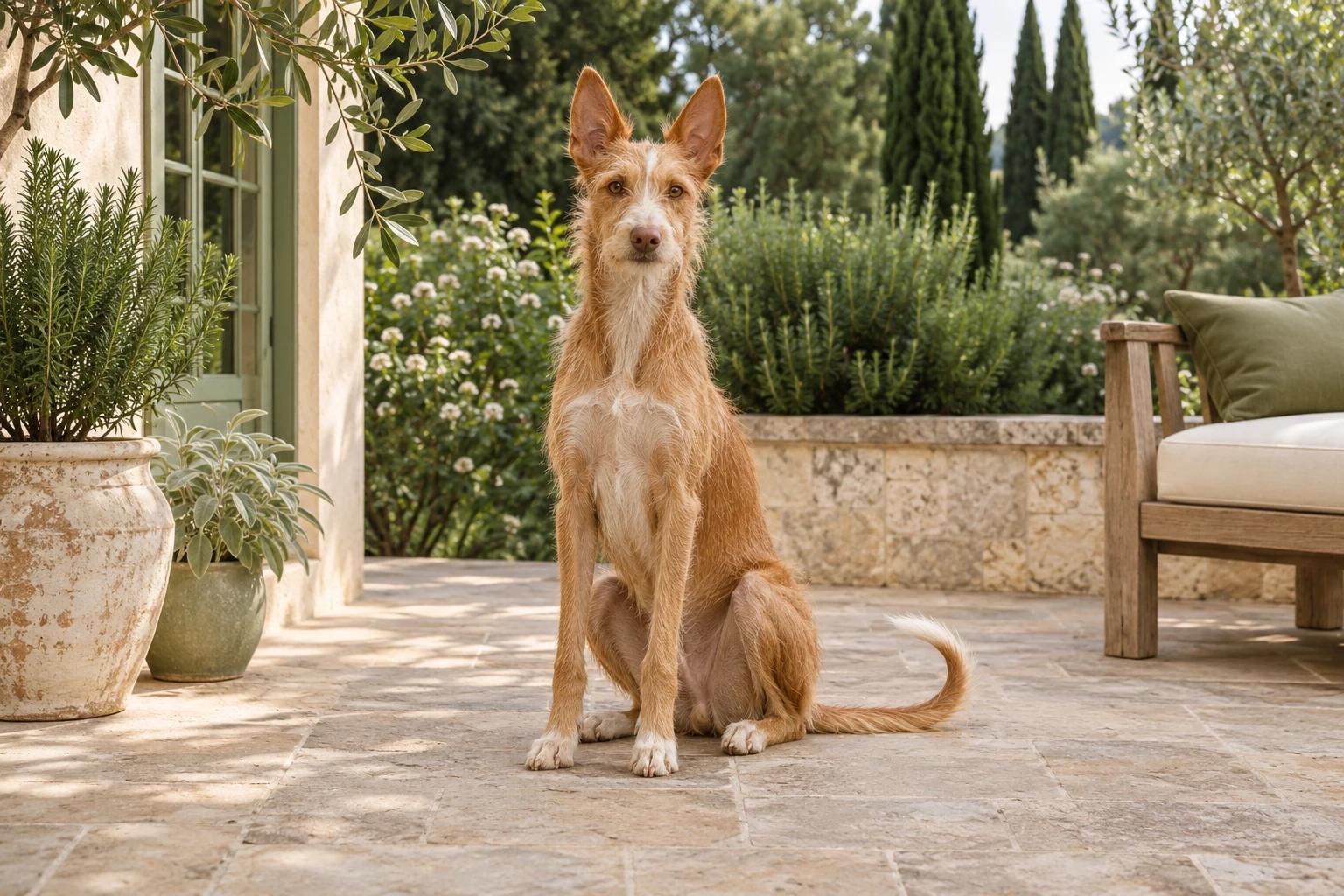
The FCI Portuguese Podengo standard includes three sizes and distinguishes their traditional hunting roles. Name the variety before applying a general summary.
Read article →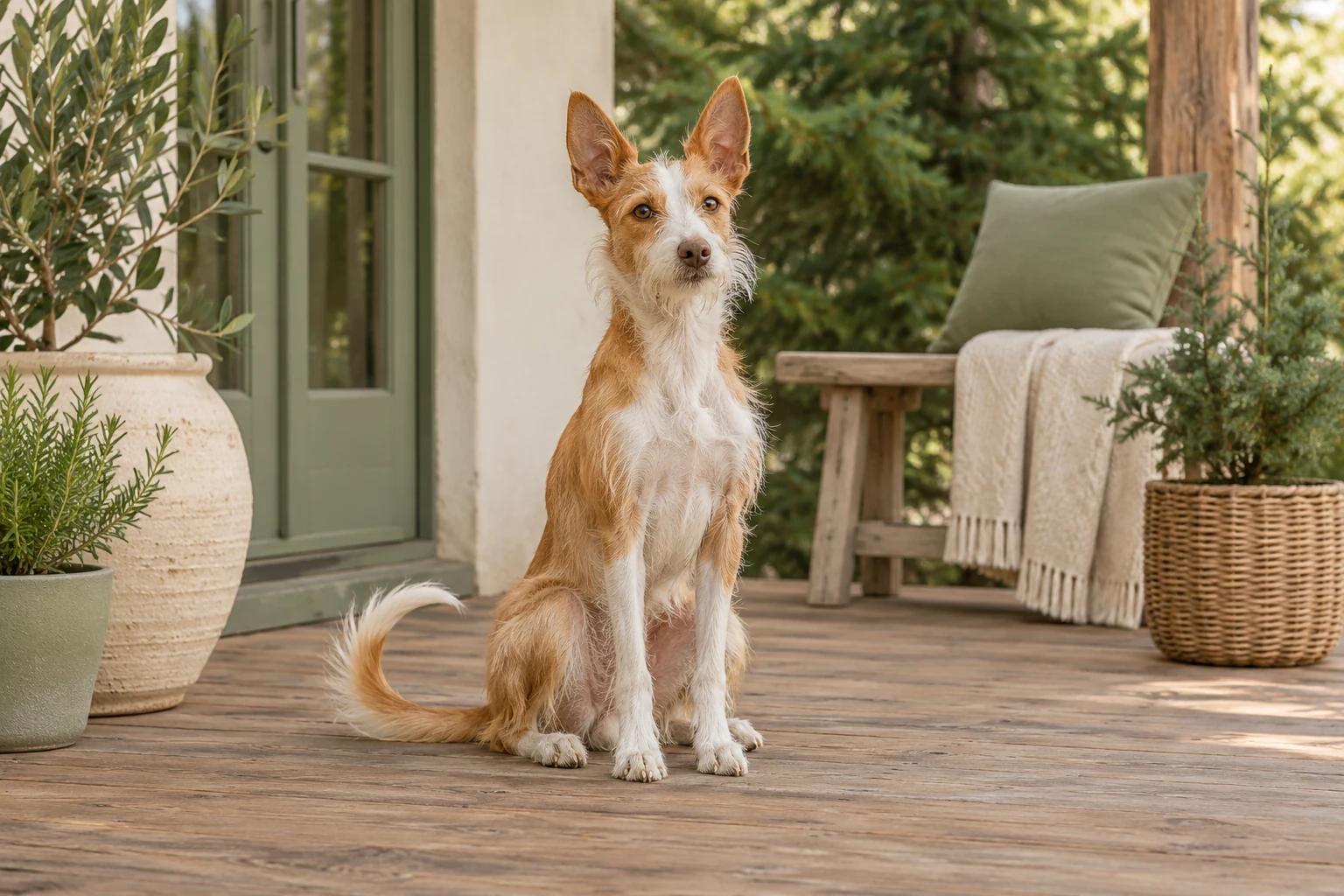
The AKC Portuguese Podengo Pequeno standard calls for natural presentation. Its wire coat is harsh and less dense than the smooth variety, with a beard.
Read article →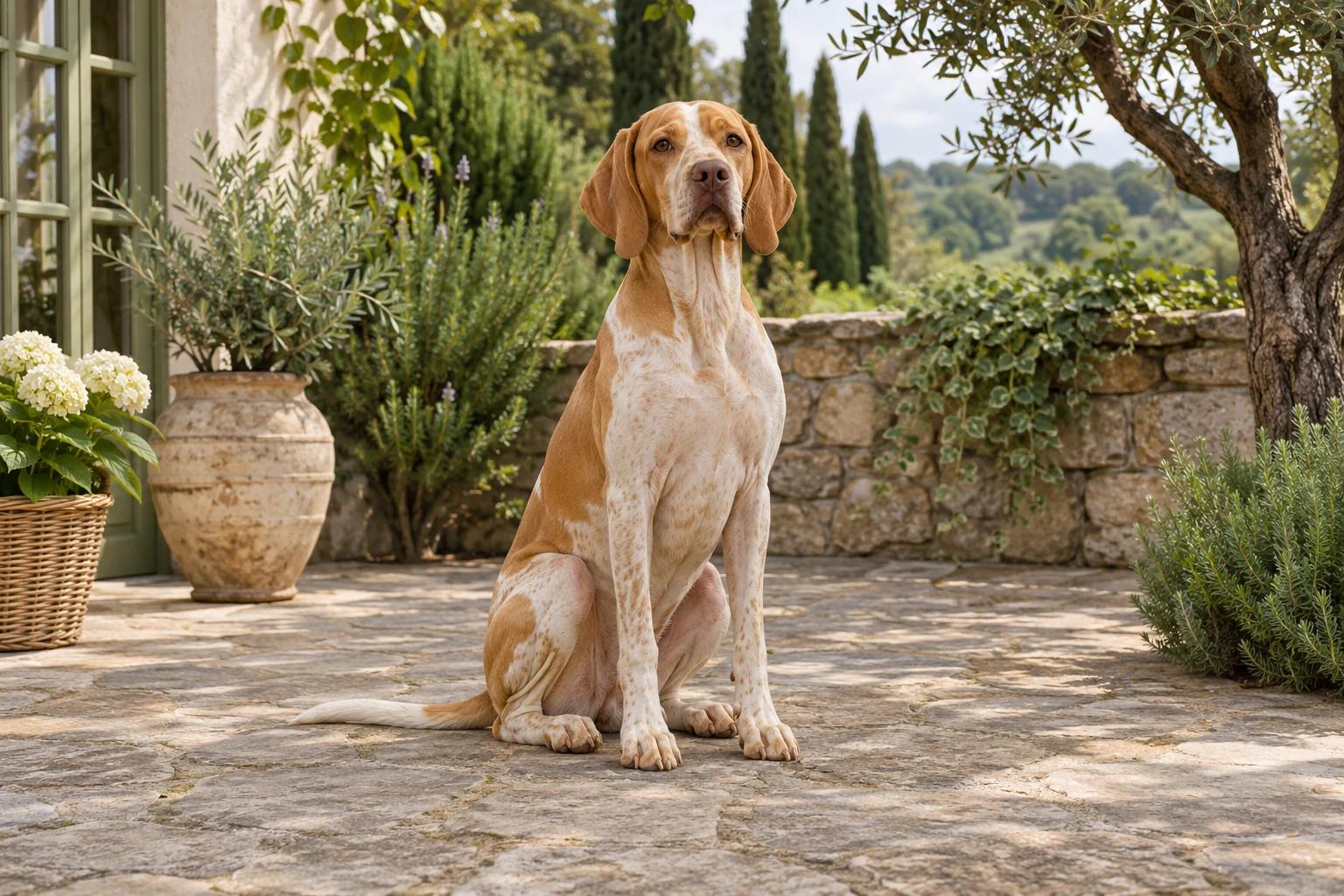
The Portuguese Pointer’s historical names connect pointing, falconry and partridge hunting. They offer a more specific introduction than the word pointer alone.
Read article →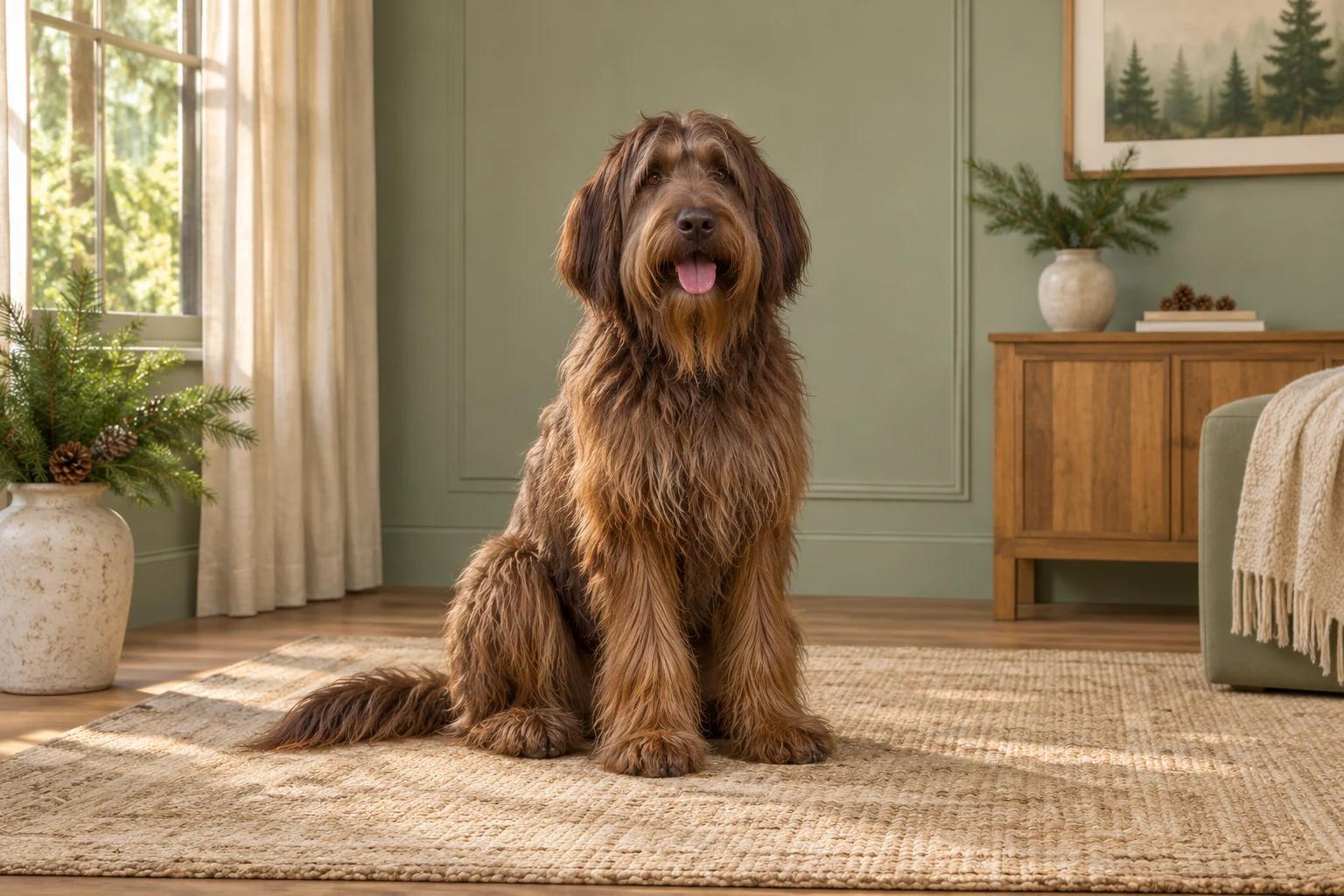
The Portuguese Sheepdog’s FCI history names cattle, horses, goats and pigs as well as sheep. Ask about actual experience before assuming livestock competence.
Read article →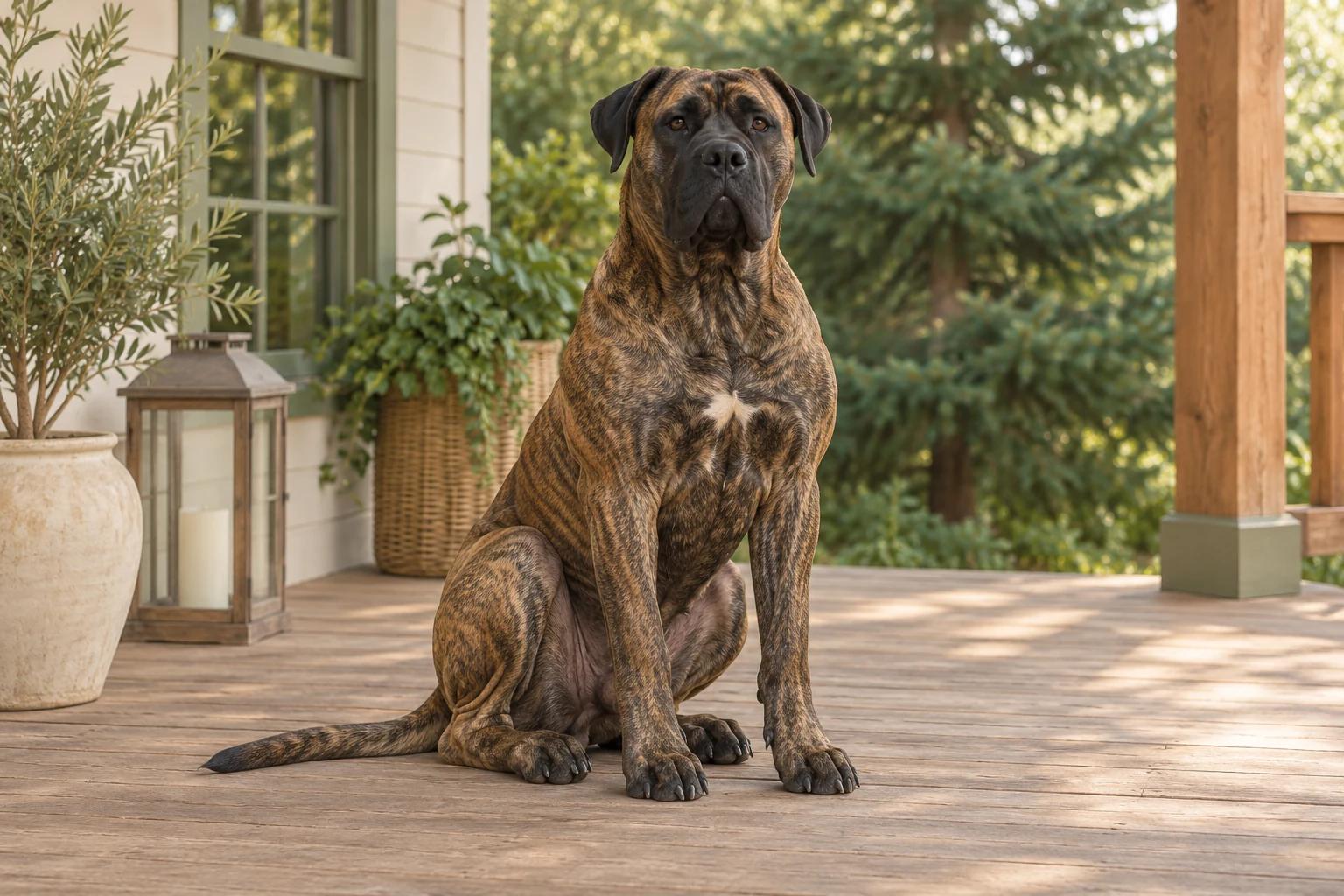
The Presa Canario’s FCI description includes guarding and possible suspicion of strangers. Ask about the individual’s actual visitor routine, not just a label.
Read article →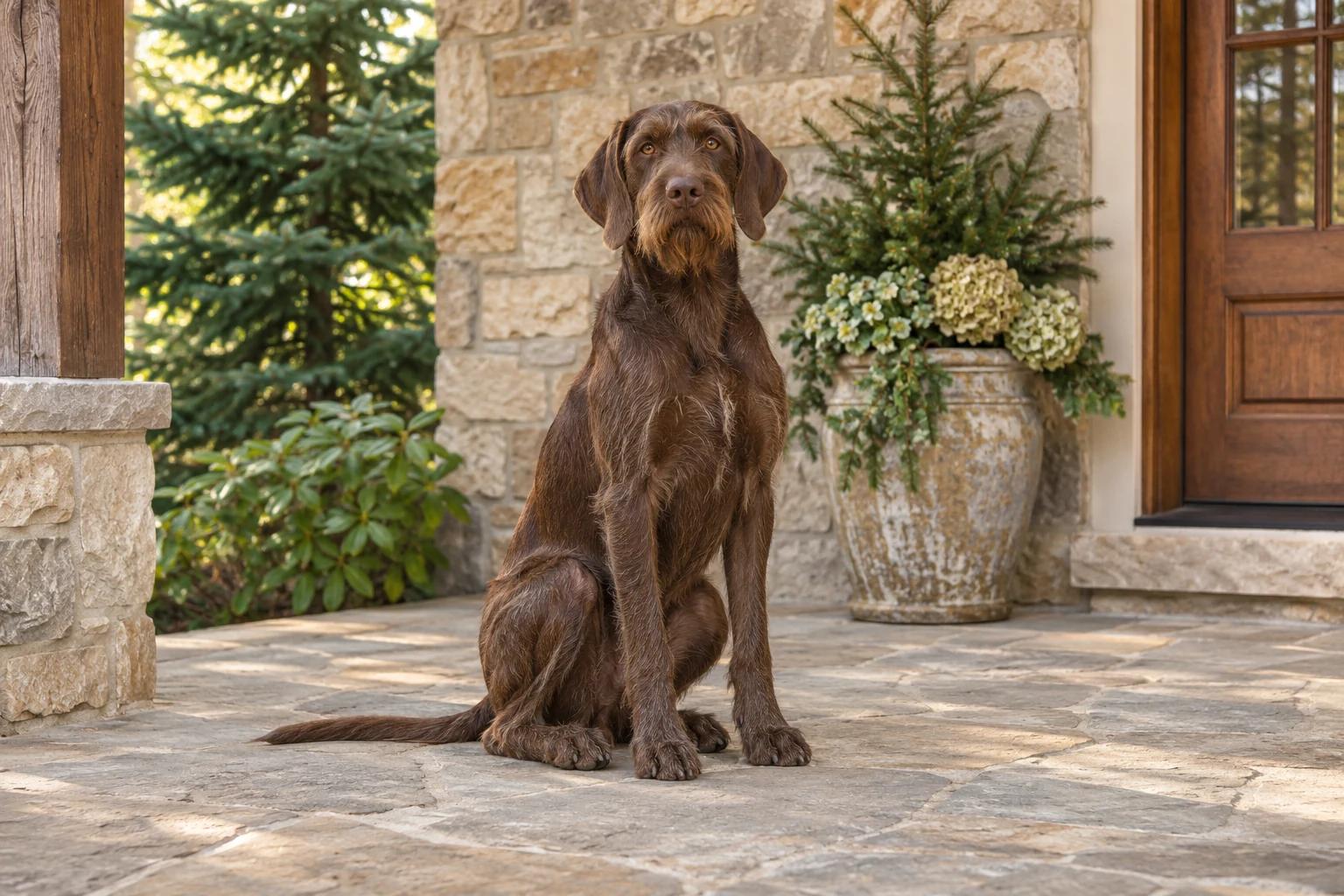
The Pudelpointer’s FCI history identifies Poodle and Pointer foundations. That history describes an established breed, not an identity test for a new cross.
Read article →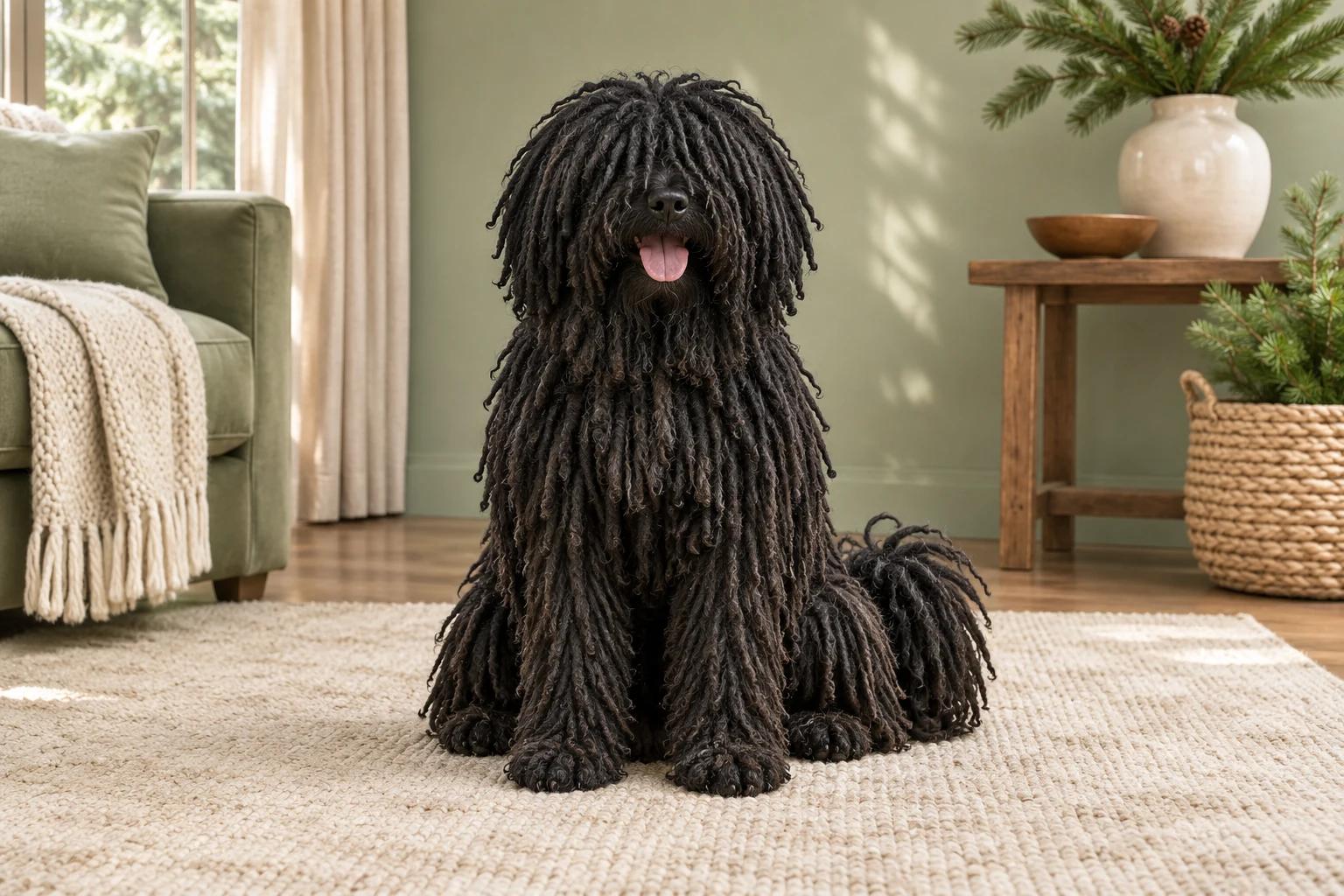
The Puli’s FCI standard describes a wavy or curly puppy coat before tufts develop into cords. Plan care around the current stage, not an adult photograph.
Read article →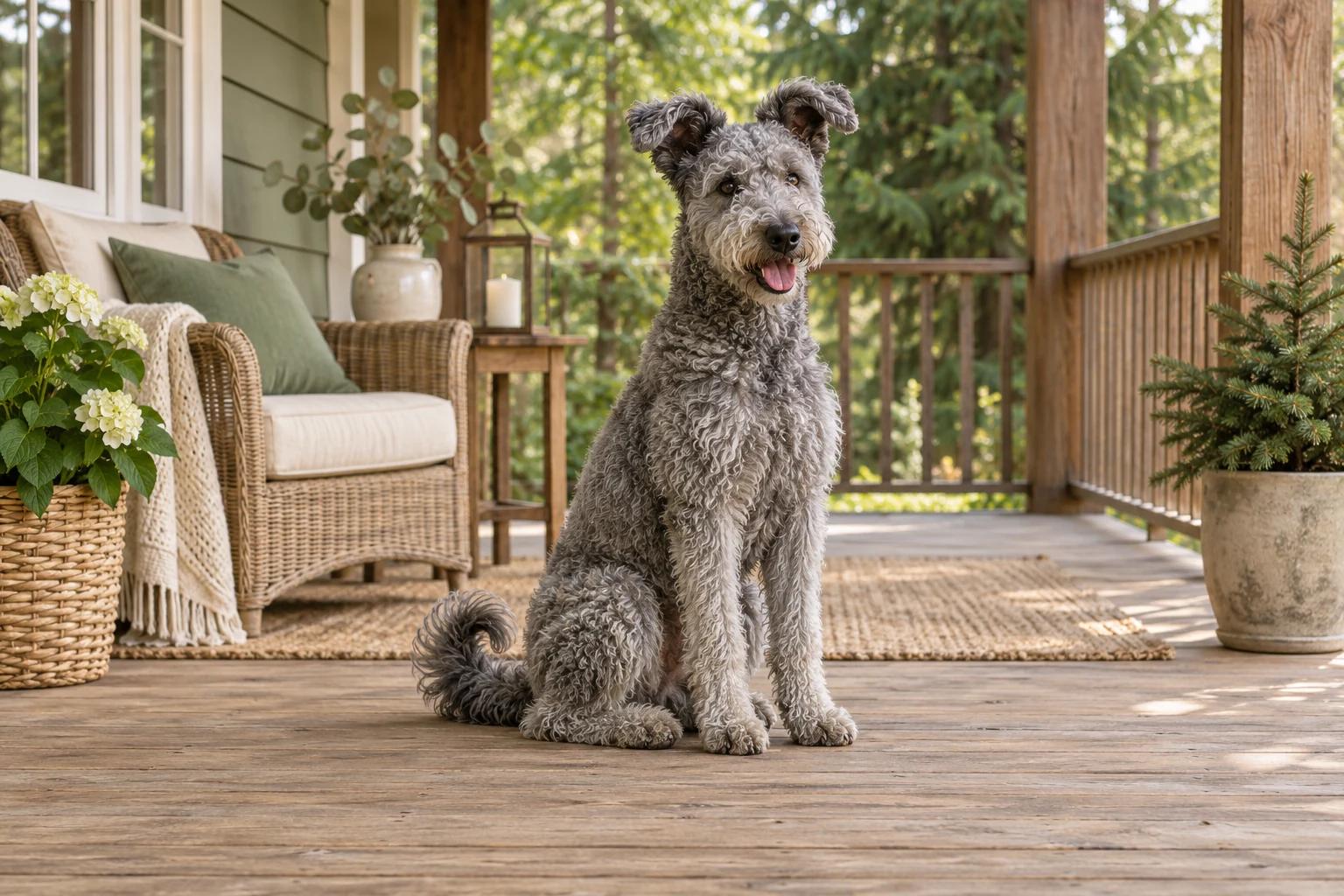
The Pumi’s FCI standard notes that grey dogs normally begin black and grey over time. Dated photographs can explain the change without predicting a final shade.
Read article →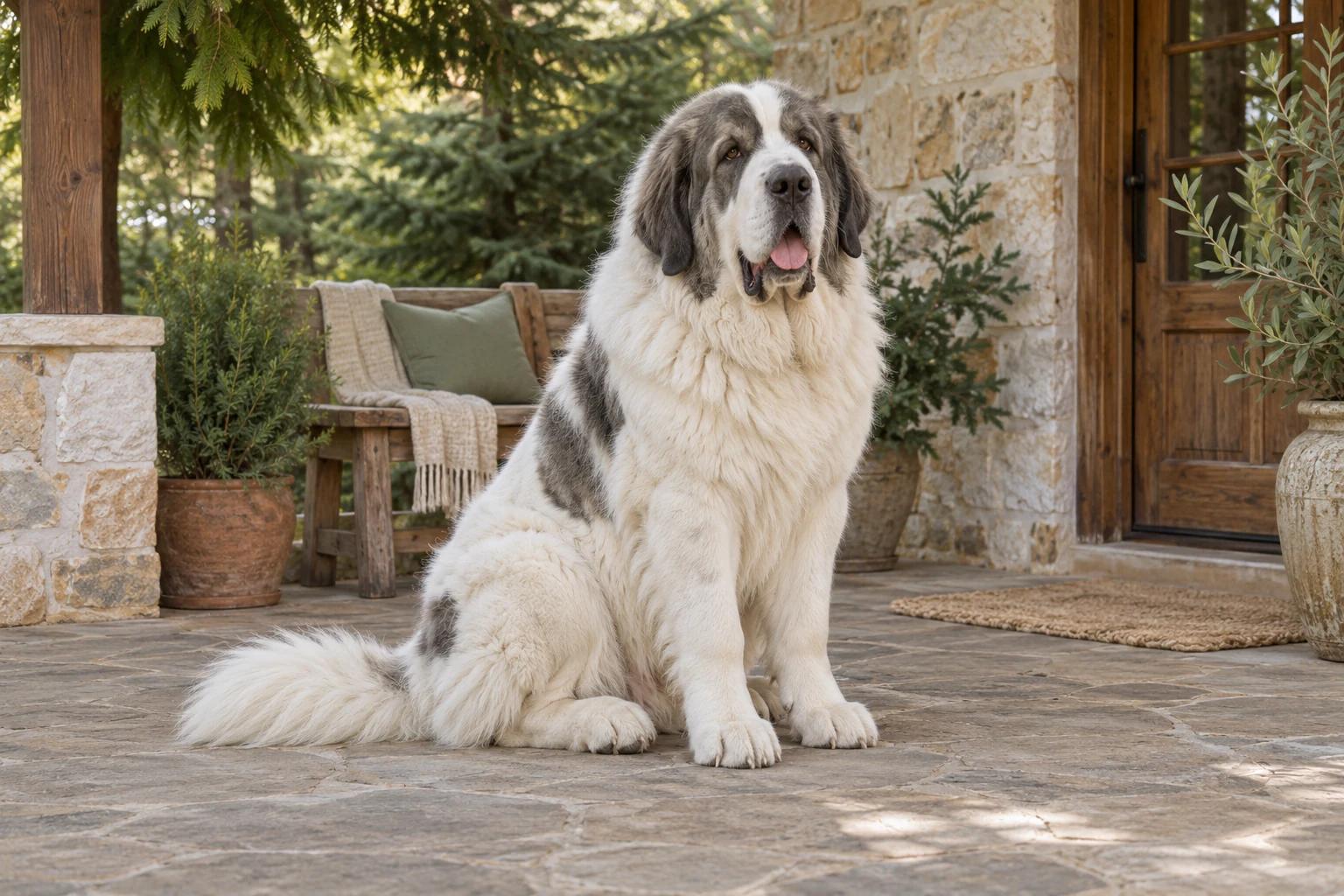
The FCI Pyrenean Mastiff standard sets no upper height limit, but also calls for balance and agility. Height alone is an incomplete way to compare dogs.
Read article →Get to know breeds, then consider your own everyday life.