Seasonal flock journeys help explain the Rafeiro do Alentejo’s story
The Rafeiro do Alentejo’s FCI history describes large dogs accompanying flocks between summer mountains and winter plains. It is a history of livestock protection.
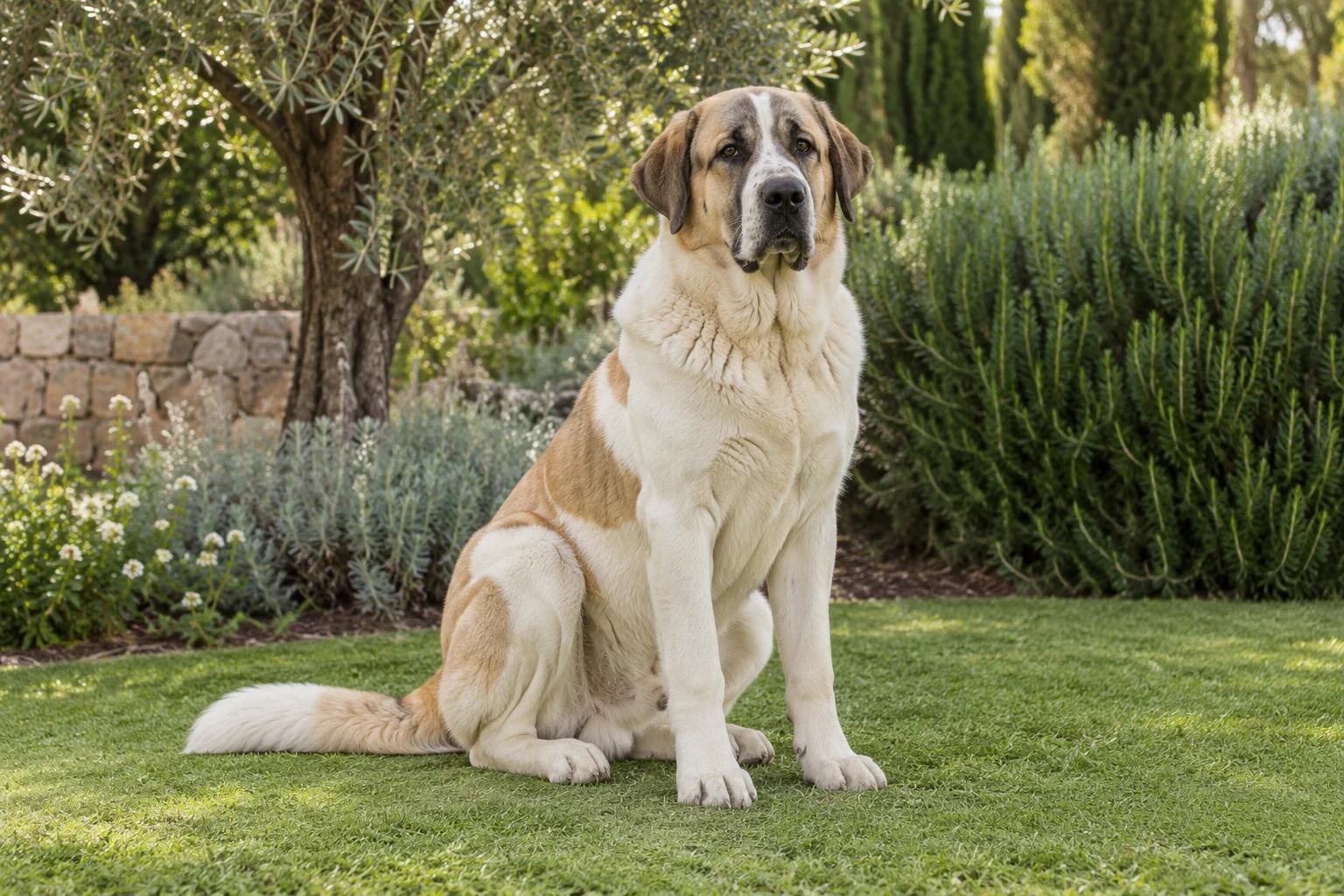
Follow the flock through the seasons
The FCI Rafeiro do Alentejo history connects the breed’s spread with transhumance: the seasonal movement of large flocks. Its account describes journeys to the mountains in summer and back to the plains in winter, accompanied by large dogs. It places the name Rafeiro do Alentejo in use from the end of the nineteenth century.
Make a map without inventing a route
For a short history project, start with two seasonal destinations and arrows showing the return journey. Add the Alentejo plains as the region associated with the breed’s name. The standard does not supply a detailed itinerary for a particular flock, so do not draw one as though it had been documented.
A regional museum record or a dated account could add that detail later. Label it as additional evidence rather than letting a general illustration become a claimed historical route.
Keep the working purpose visible
The standard identifies guarding property and livestock as the breed’s use. In this story, accompanying a flock concerns protection during movement; it should not be reduced to a modern hiking recommendation.
For a companion placement, ask about the individual’s experience and present routine. A history of seasonal journeys does not set a daily distance target or guarantee that a dog is prepared to work with unfamiliar livestock or travel beside a new owner.
Sources behind this article
Article source checked: October 20, 2026. Source checked 2026-10-20
Keep reading
Rafeiro do Alentejo Temperament: A Watchful Companion
Read article →