A Schipperke can have a natural tail: read the whole FCI description
The Schipperke’s FCI standard accommodates natural tails and dogs born with absent or short tails. A familiar silhouette does not explain an individual’s history.
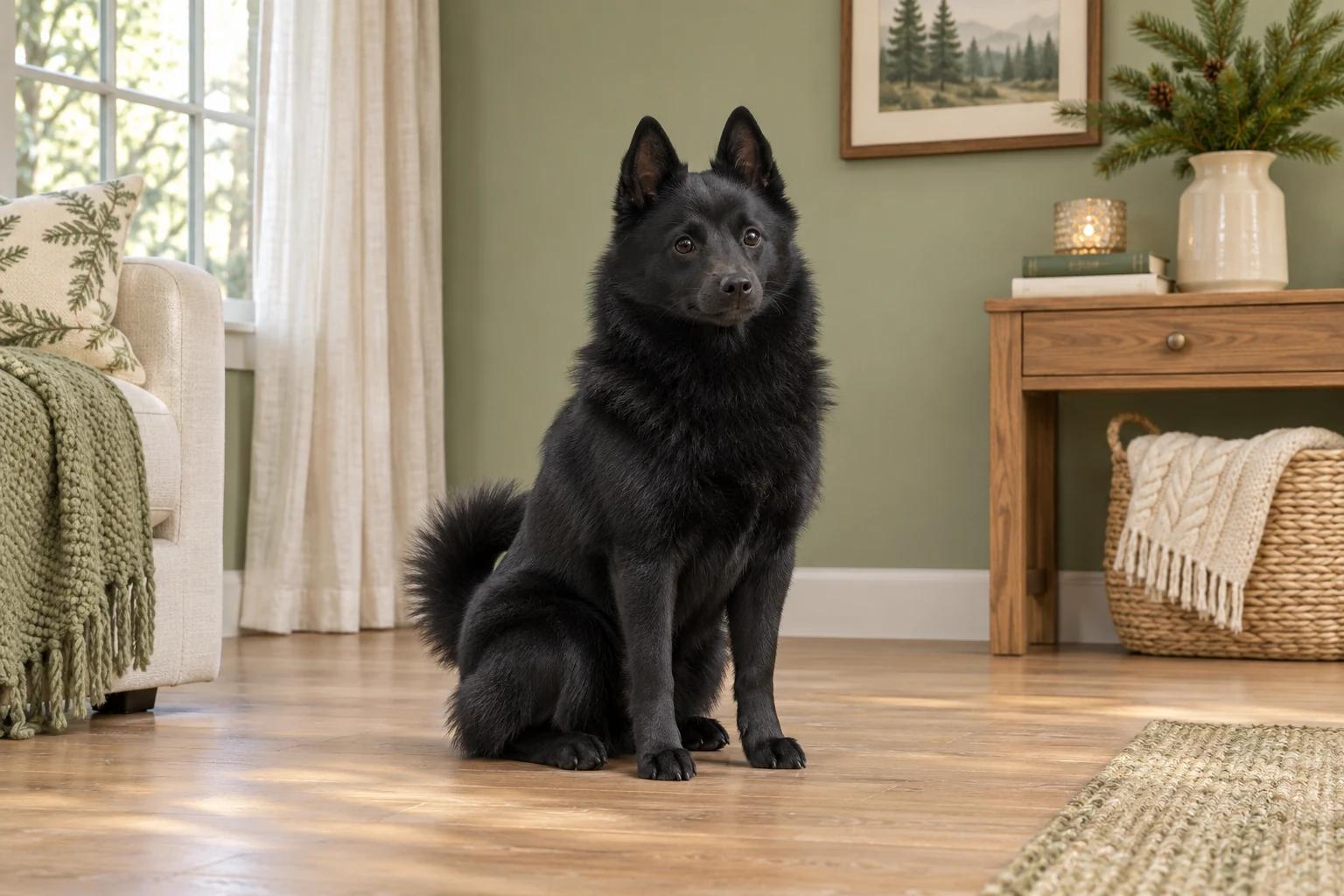
Start with what the document actually allows
The FCI Schipperke standard says some dogs are born without a tail or with a rudimentary or incomplete one, and should not be penalized for that. It also describes a natural tail reaching at least the hock. A full tail therefore does not contradict this standard simply because a tailless outline is familiar.
Separate preferred carriage from accepted carriage
For a natural tail at rest, the document prefers a hanging position. In movement it describes carriage along the topline, preferably no higher, but also accepts a curled tail or one carried over the back. A preference is not the same statement as excluding every alternative.
When comparing photographs, note whether the dog is standing quietly or moving. Keep the view wide enough to show the whole tail instead of cropping it to resemble an expected outline.
Ask about history rather than diagnosing it from a picture
A photograph cannot establish why an individual has a short or absent tail. Ask the keeper what is known and retain uncertainty where records are missing.
For an identification or adoption description, describe the tail you can observe without inventing its cause. If show participation matters, consult the applicable registry and event documents; this explanation is limited to the FCI wording, not a universal competition rule.
Sources behind this article
Article source checked: October 20, 2026. Source checked 2026-10-20
Keep reading
Schipperke vs Keeshond: Appearance and Everyday Company
Read article →