Kochi-ken, Awa, Hongawa and Hata: names in the Shikoku’s history
The Shikoku’s FCI history uses a regional alternative name and identifies three historically local varieties. Those names do not establish a modern dog’s lineage.
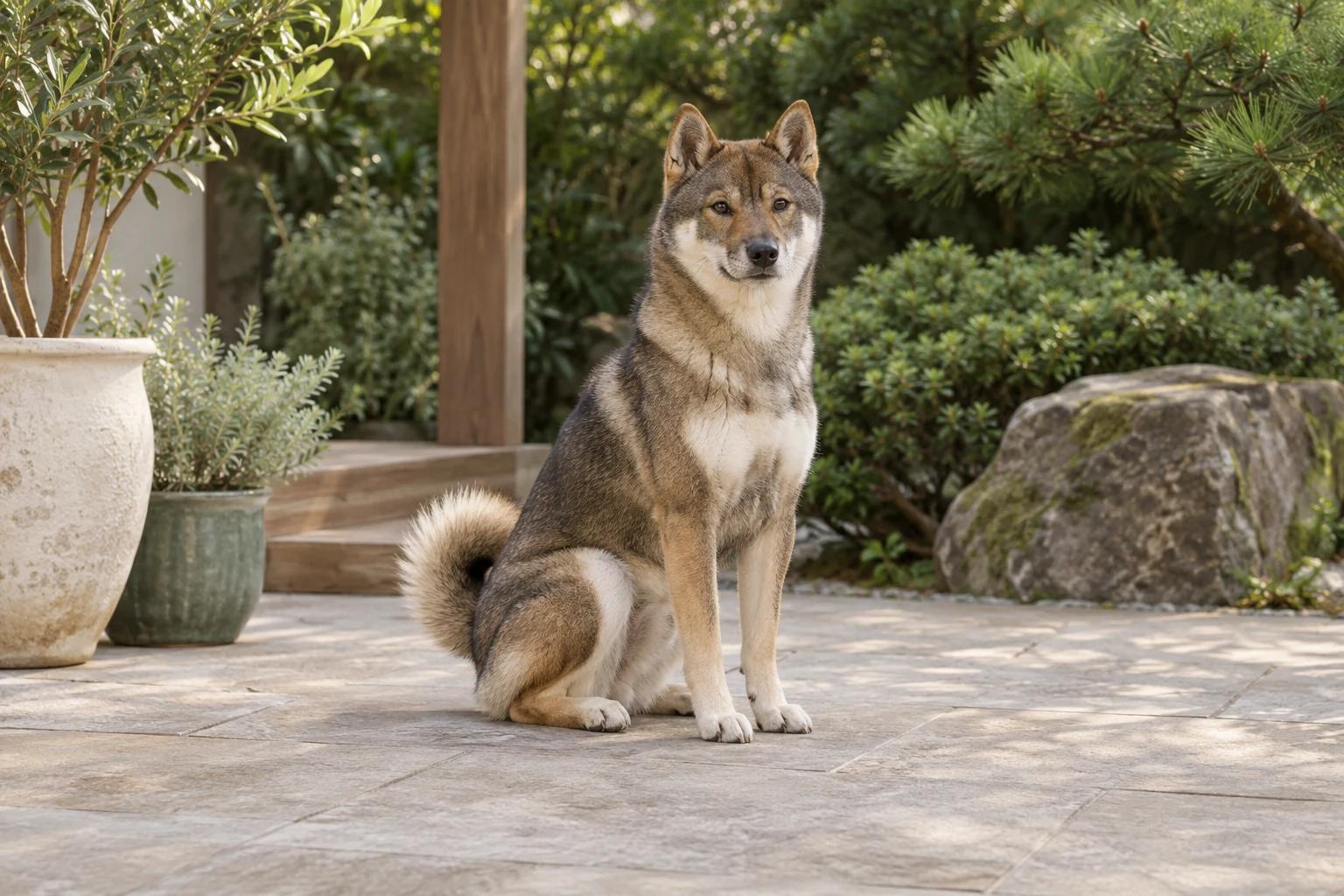
Place the names in their historical setting
The FCI Shikoku history describes boar-hunting dogs from mountainous districts of Kochi Prefecture and says the breed is sometimes called Kochi-ken. It also names three varieties, Awa, Hongawa and Hata, after the areas where they were bred. These names help explain the regional account rather than supplying four interchangeable pedigree labels.
Build a small glossary before comparing records
For research notes, put Kochi-ken beside the alternative-name explanation. List Awa, Hongawa and Hata under the historical varieties described by the source. Keep the original spelling with each entry so that a later reference can be checked without guessing which term was intended.
If someone uses one of those names for a present-day dog, ask what they mean: a quotation from breed history, a documented family line, or simply a description they have heard. Those are different kinds of information.
Do not assign a local history from appearance
A photograph or an energetic introduction is not evidence that a dog belongs to one historical variety. If lineage is relevant, request the records behind the claim rather than trying to match the dog to a regional stereotype.
The names make the Shikoku’s history more specific. They are most useful when preserved with their context, without turning a short historical paragraph into an ancestry test or a forecast of behavior.
Sources behind this article
Article source checked: October 20, 2026. Source checked 2026-10-20
Keep reading
Shikoku Ken vs Kai Ken: Build and Everyday Character
Read article →