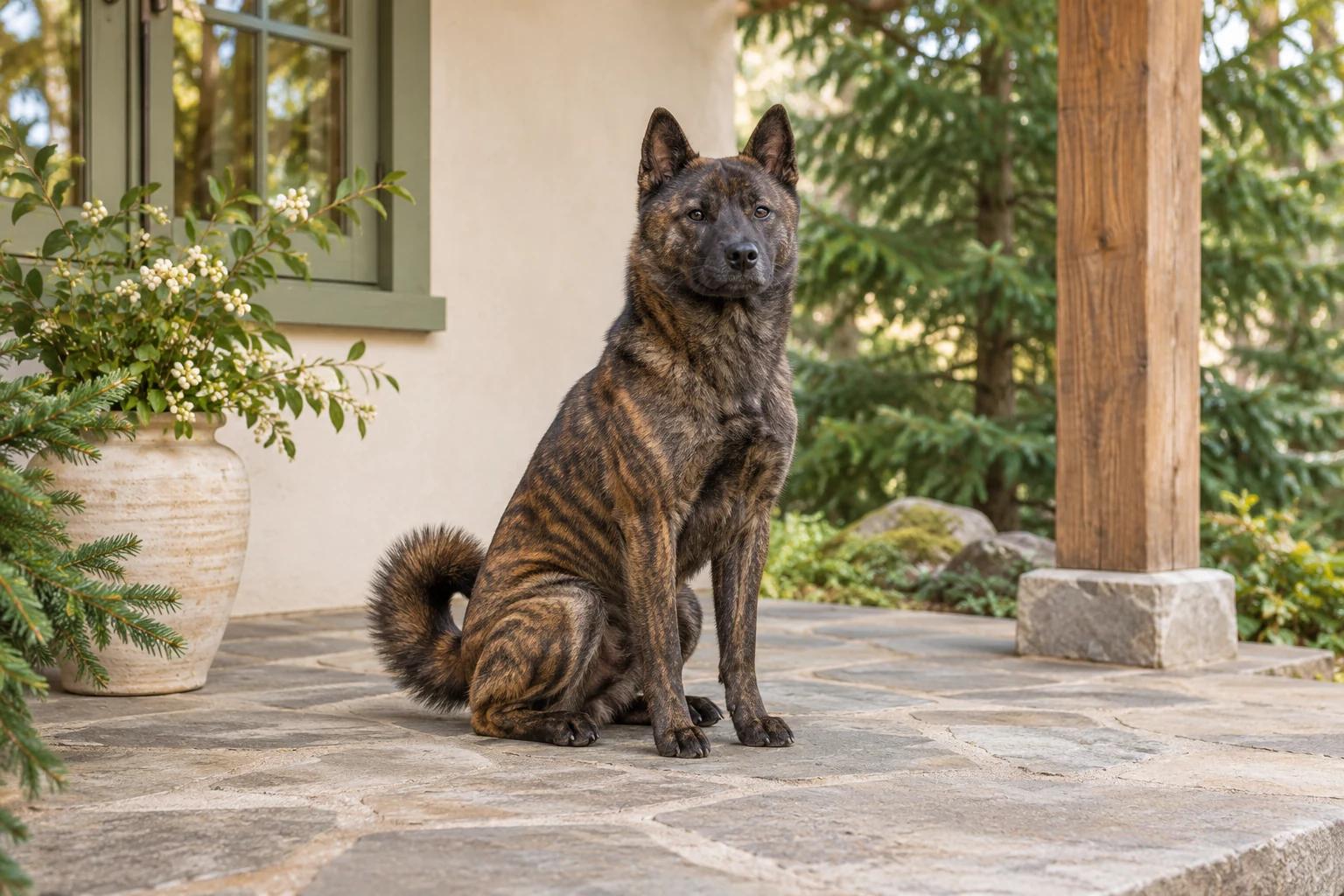
Kai Ken
Keeping a photo record of a Kai Ken puppy’s developing brindle coat
A Kai Ken’s puppy coat may develop brindling as it grows. An age-labeled photo record can document the individual without promising its eventual pattern.
Read article →Explore the routines, questions, and small decisions behind life with a dog.
1268 articles to explore
A Kai Ken’s puppy coat may develop brindling as it grows. An age-labeled photo record can document the individual without promising its eventual pattern.
Read article →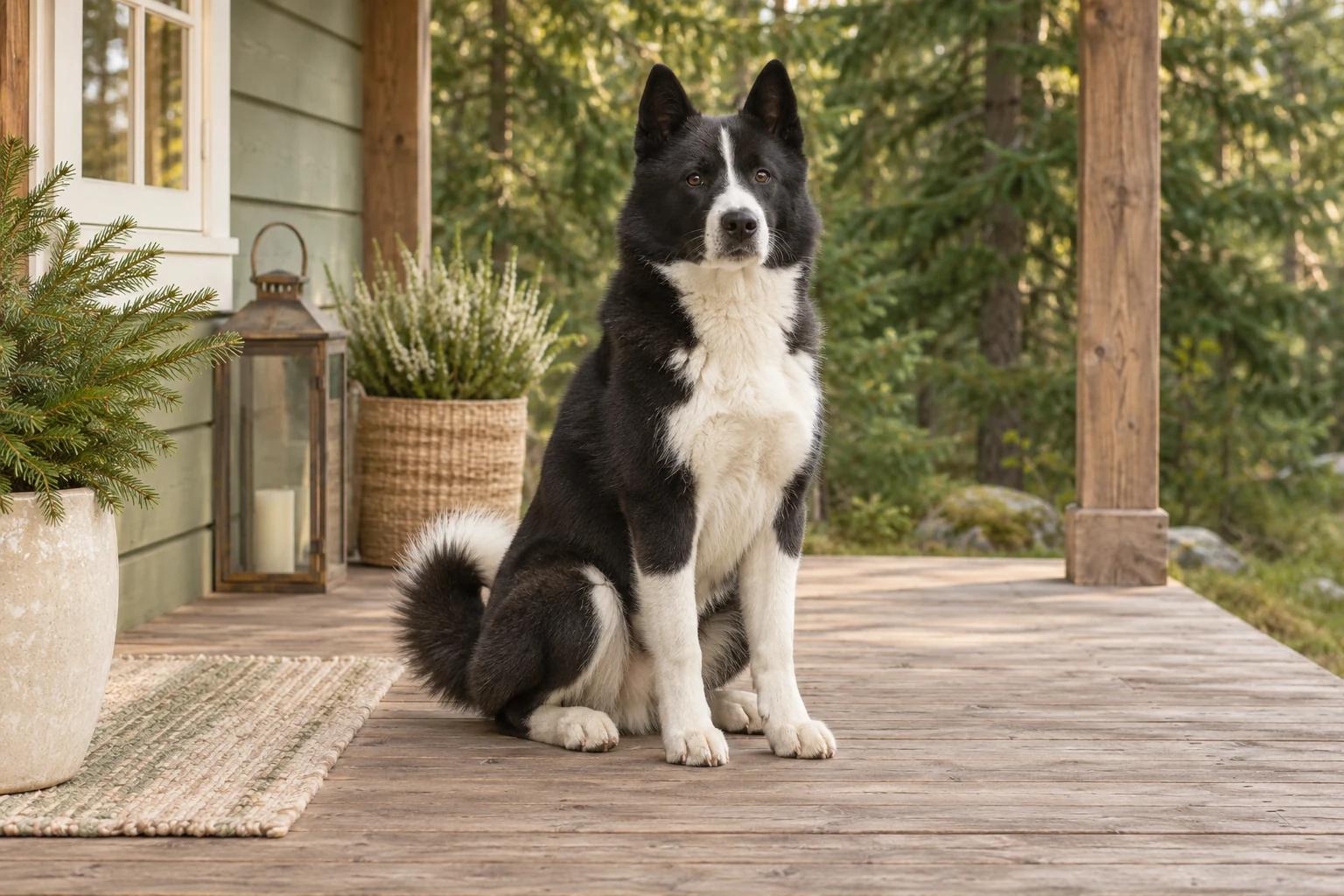
The Karelian Bear Dog’s traditional role includes holding elk and bear at bay and barking at game. That specific task deserves more explanation than the breed name alone.
Read article →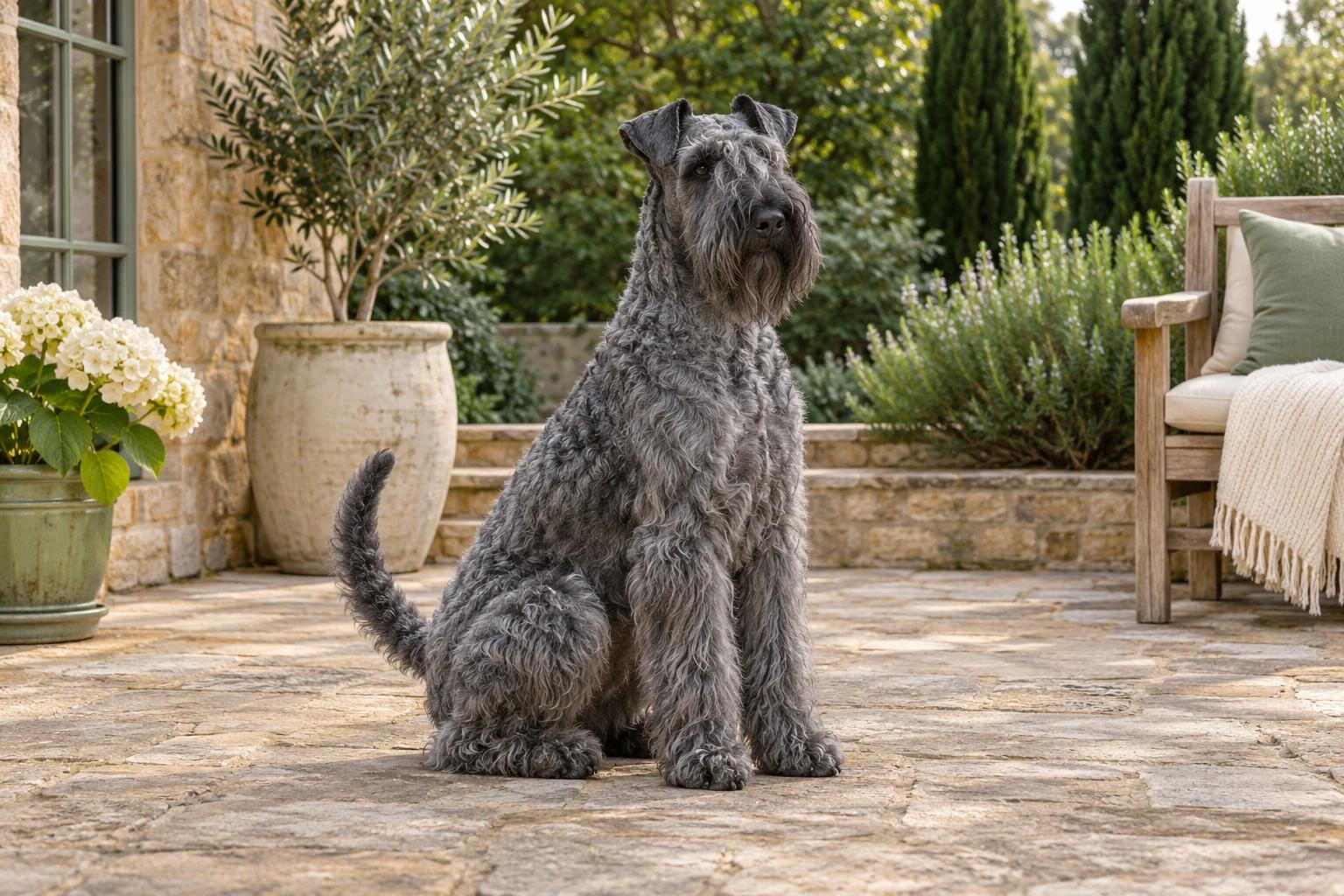
The Kerry Blue’s coat is described as soft, plentiful and wavy. Knowing that texture helps an owner have a more specific grooming conversation.
Read article →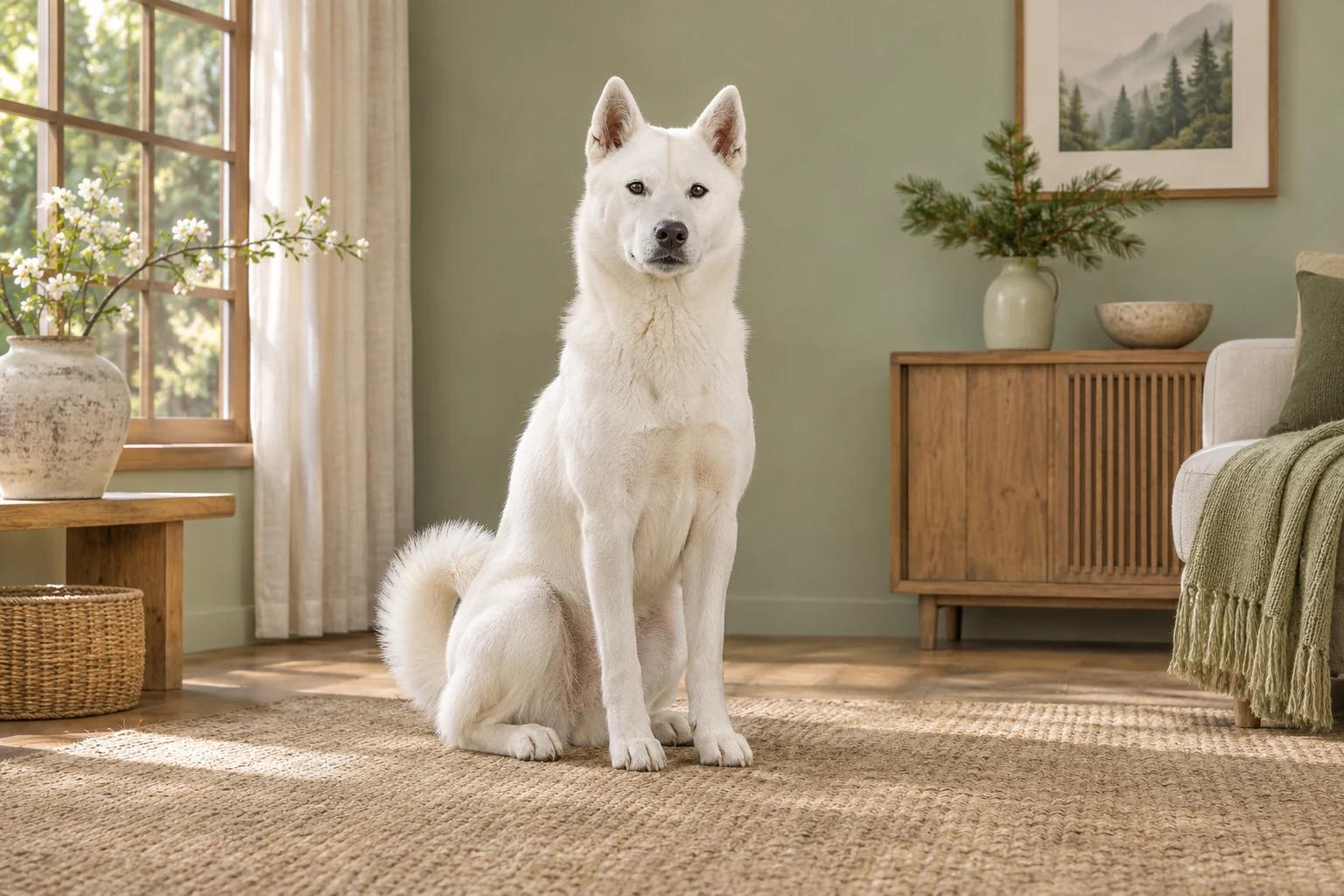
The Kishu’s FCI coat list includes white, red and sesame. A gallery dominated by white dogs should not be mistaken for a white-only breed definition.
Read article →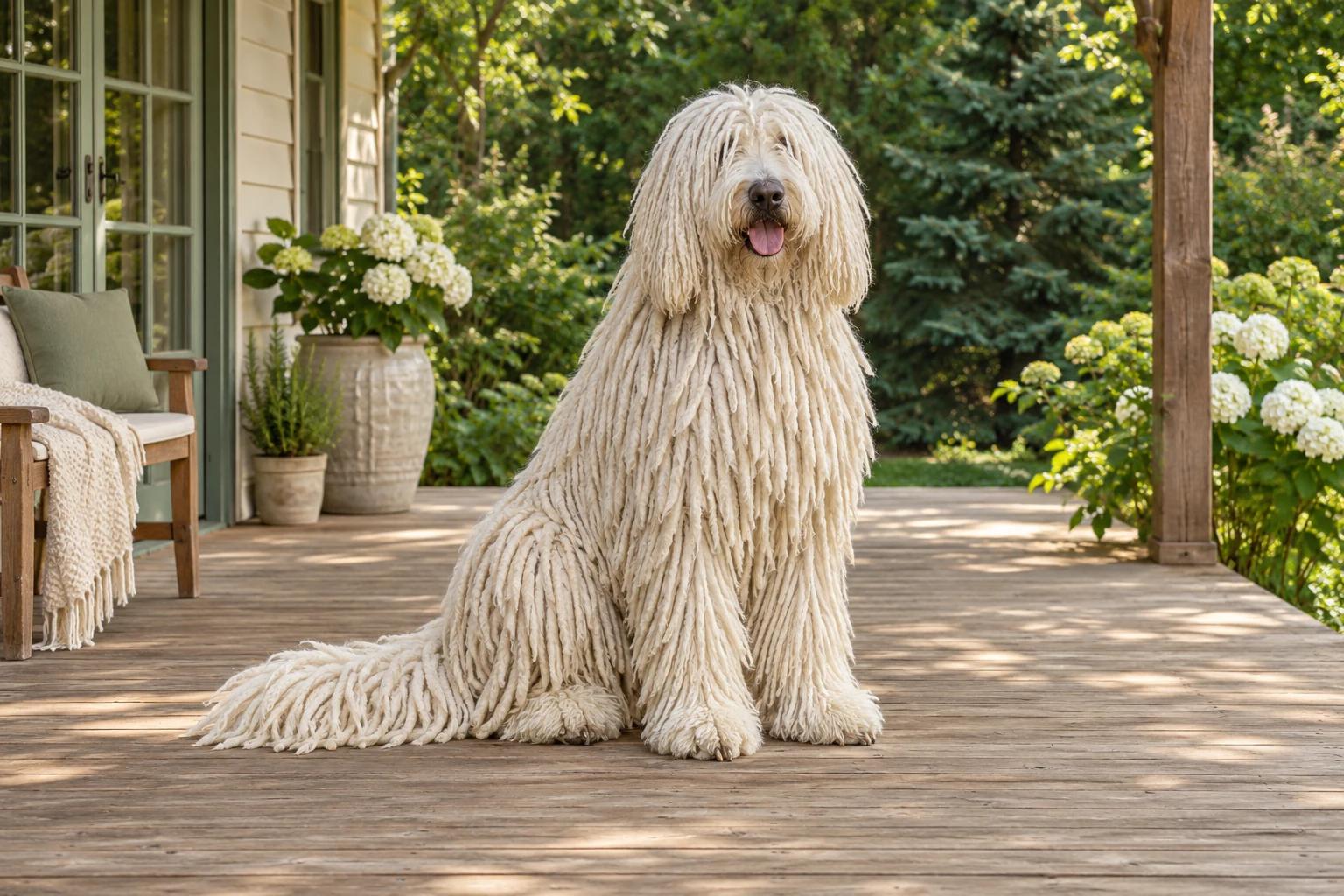
A Komondor’s cords require continuing care. Watching an owner’s routine can reveal the time, drying arrangements and hands-on work that a show photograph leaves out.
Read article →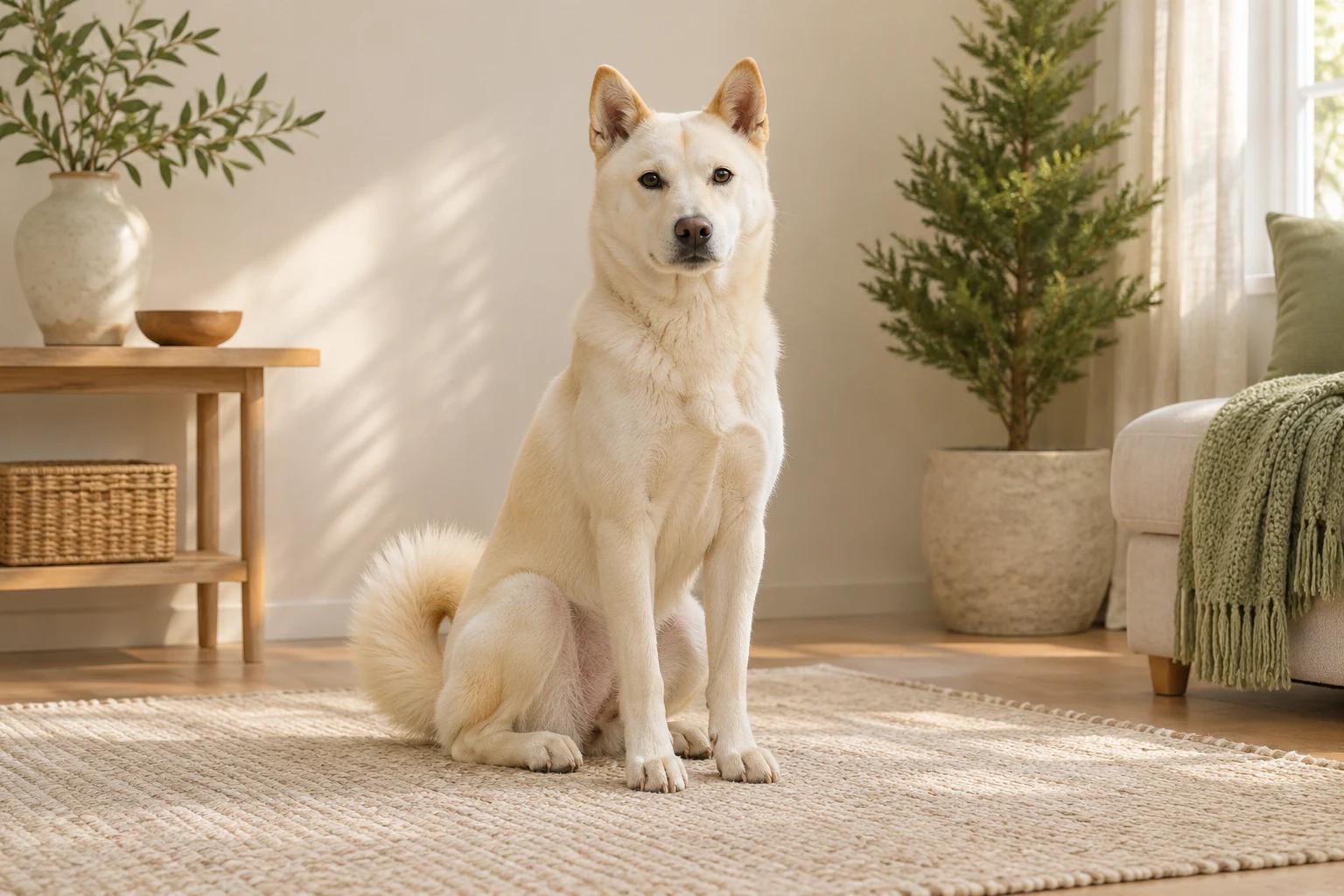
The Korean Jindo Dog Association of America says rehoming is possible and bonding time varies. Plan around the individual rather than treating loyalty as a barrier to adoption.
Read article →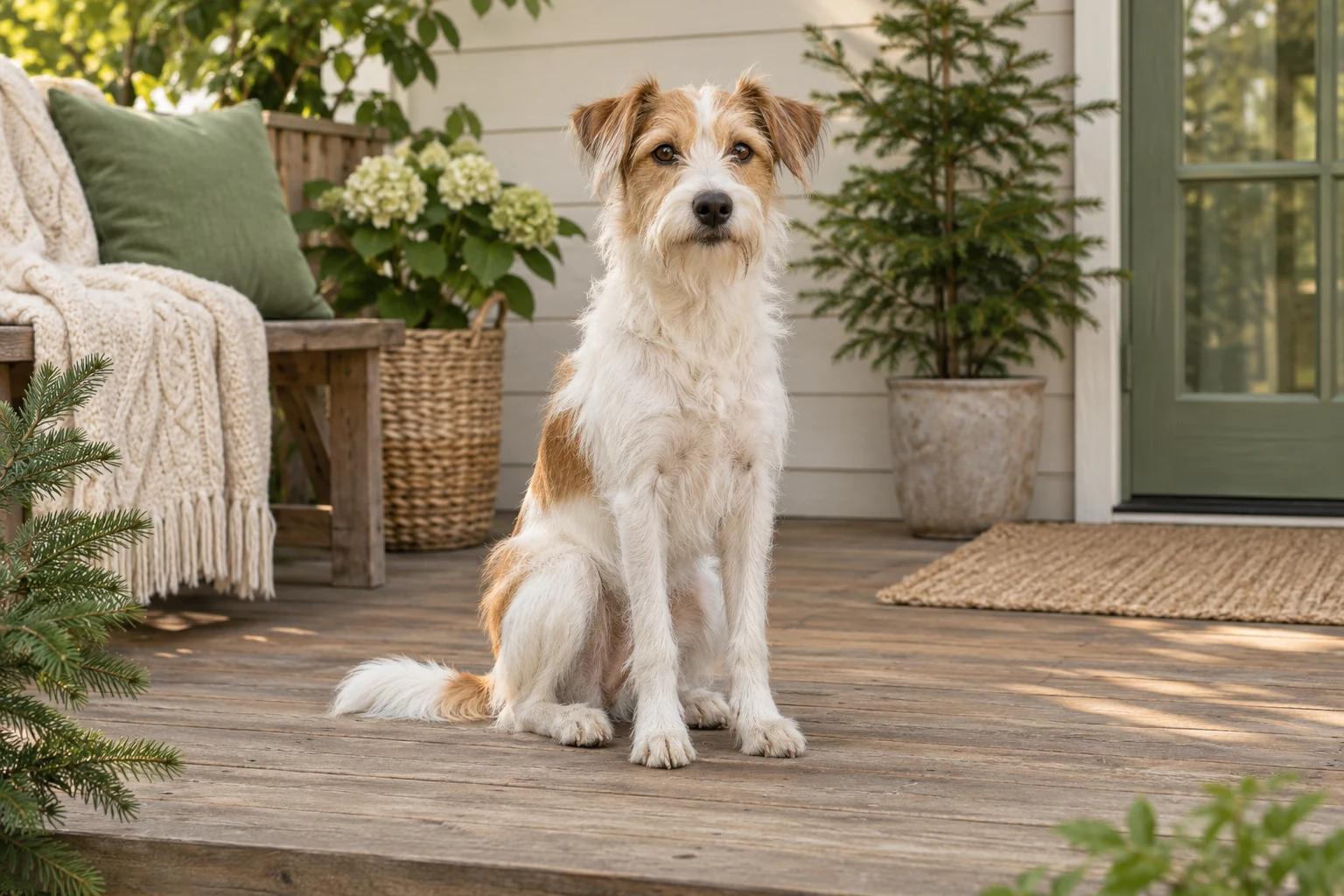
Kromfohrlanders have rough and smooth coat varieties. Smooth refers to texture and a beardless face, not uniformly short hair over the whole dog.
Read article →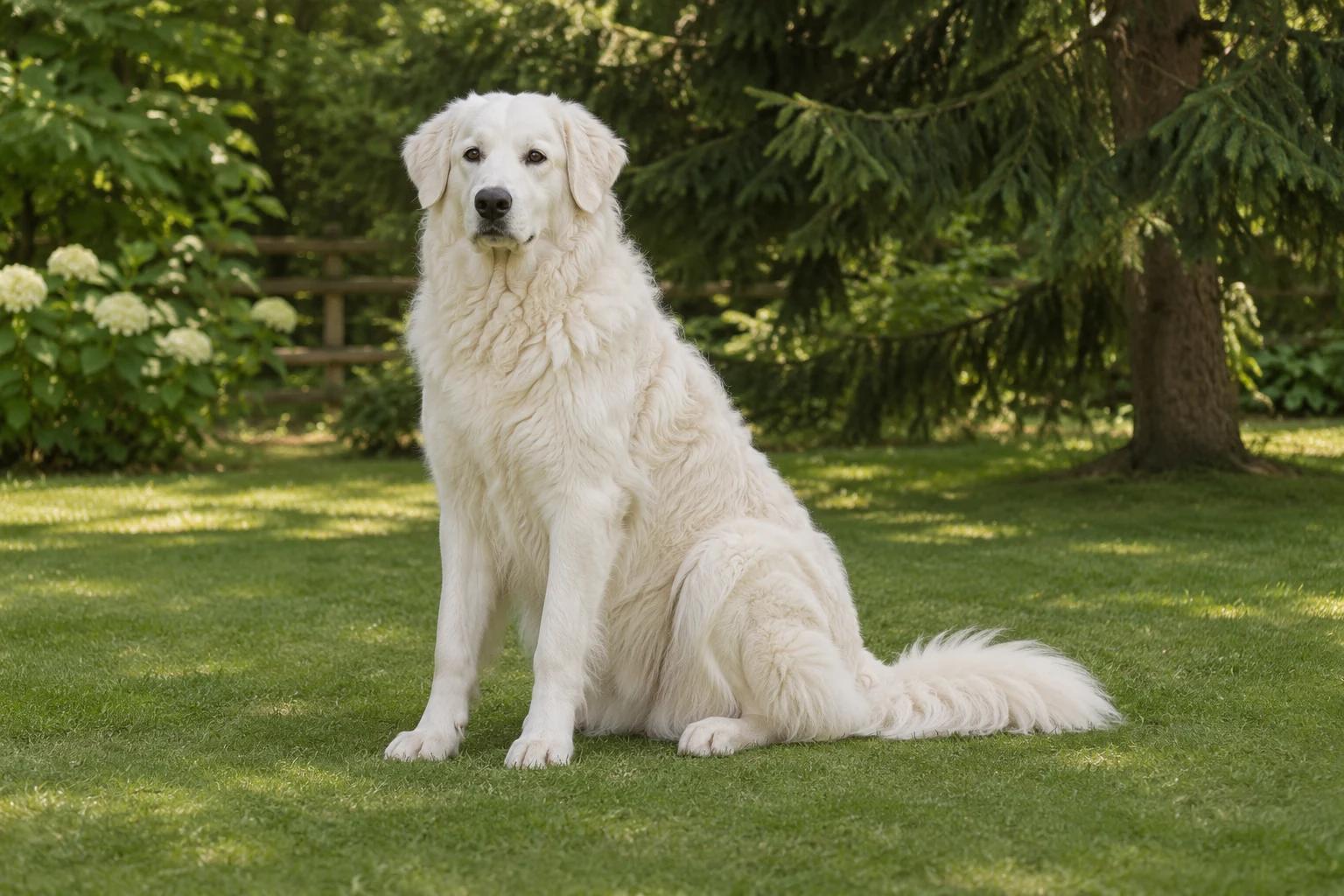
The Kuvasz Club of America singles out the fine hair behind the ears for frequent checks. A manageable routine pairs that detail with regular coat care.
Read article →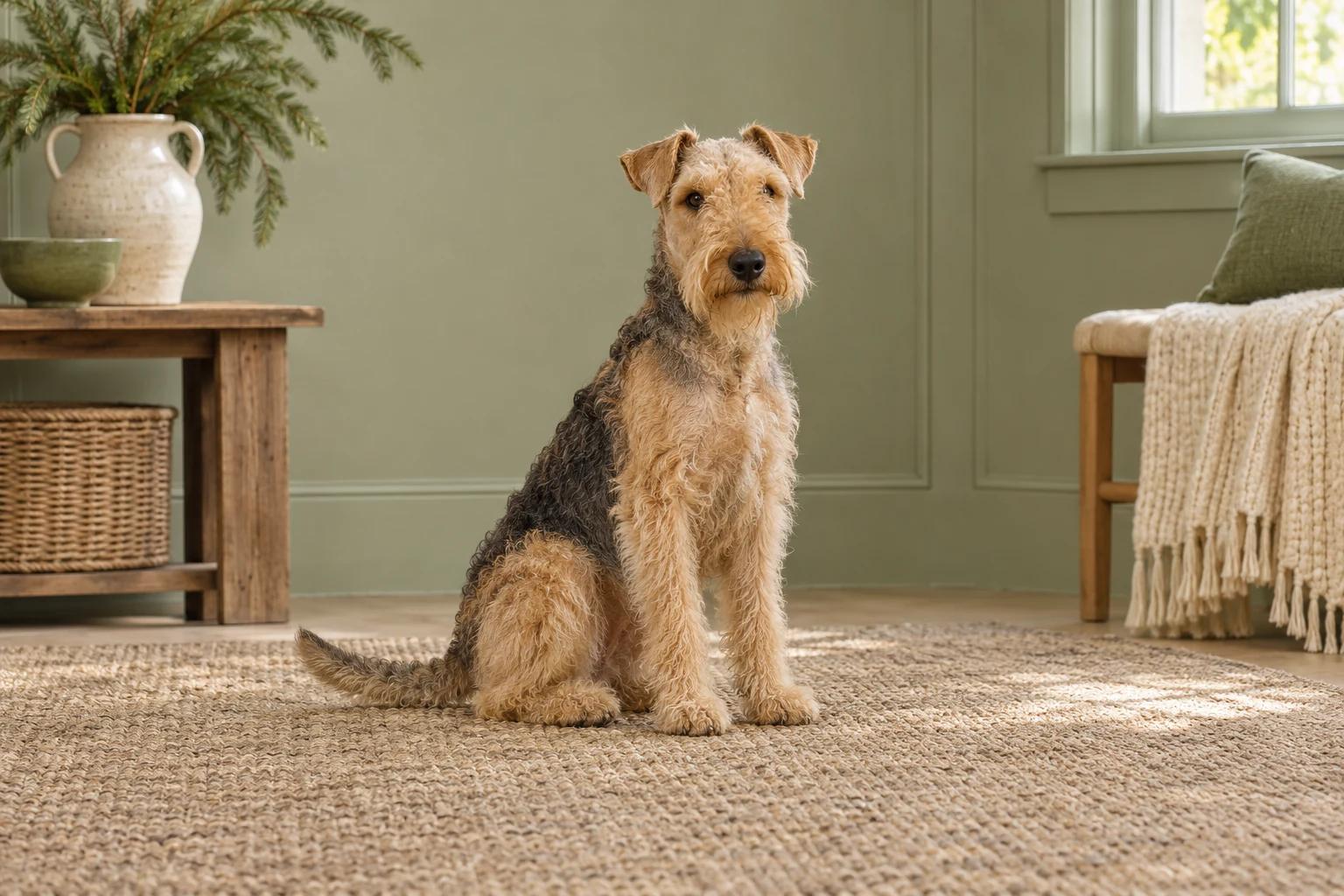
The Lakeland Terrier’s FCI standard pairs its nose-color exception with a liver coat. A black nose is not the only description allowed for this breed.
Read article →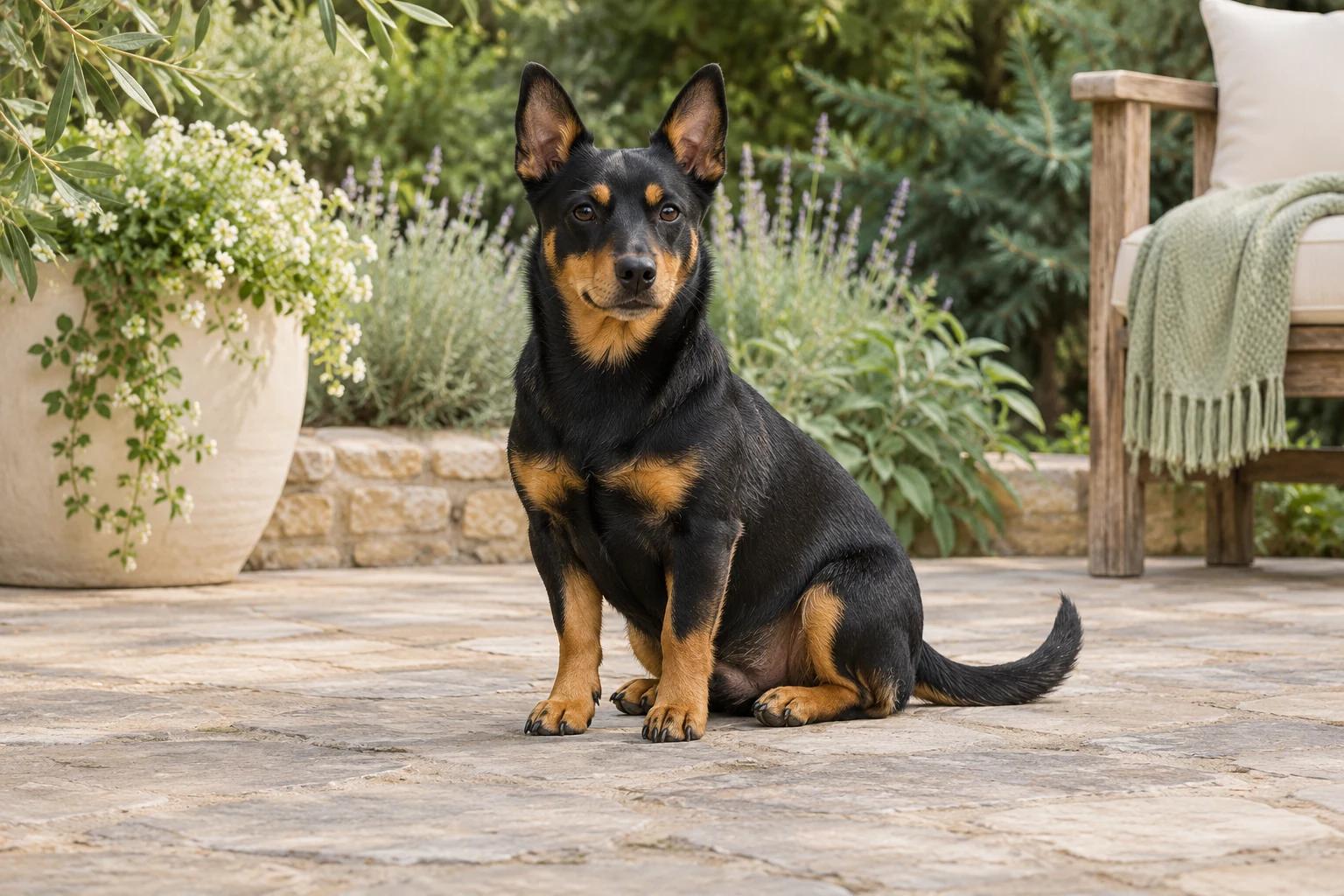
The Lancashire Heeler’s history includes cattle work and rabbiting or ratting. A useful placement conversation explores activity and management beyond its compact dimensions.
Read article →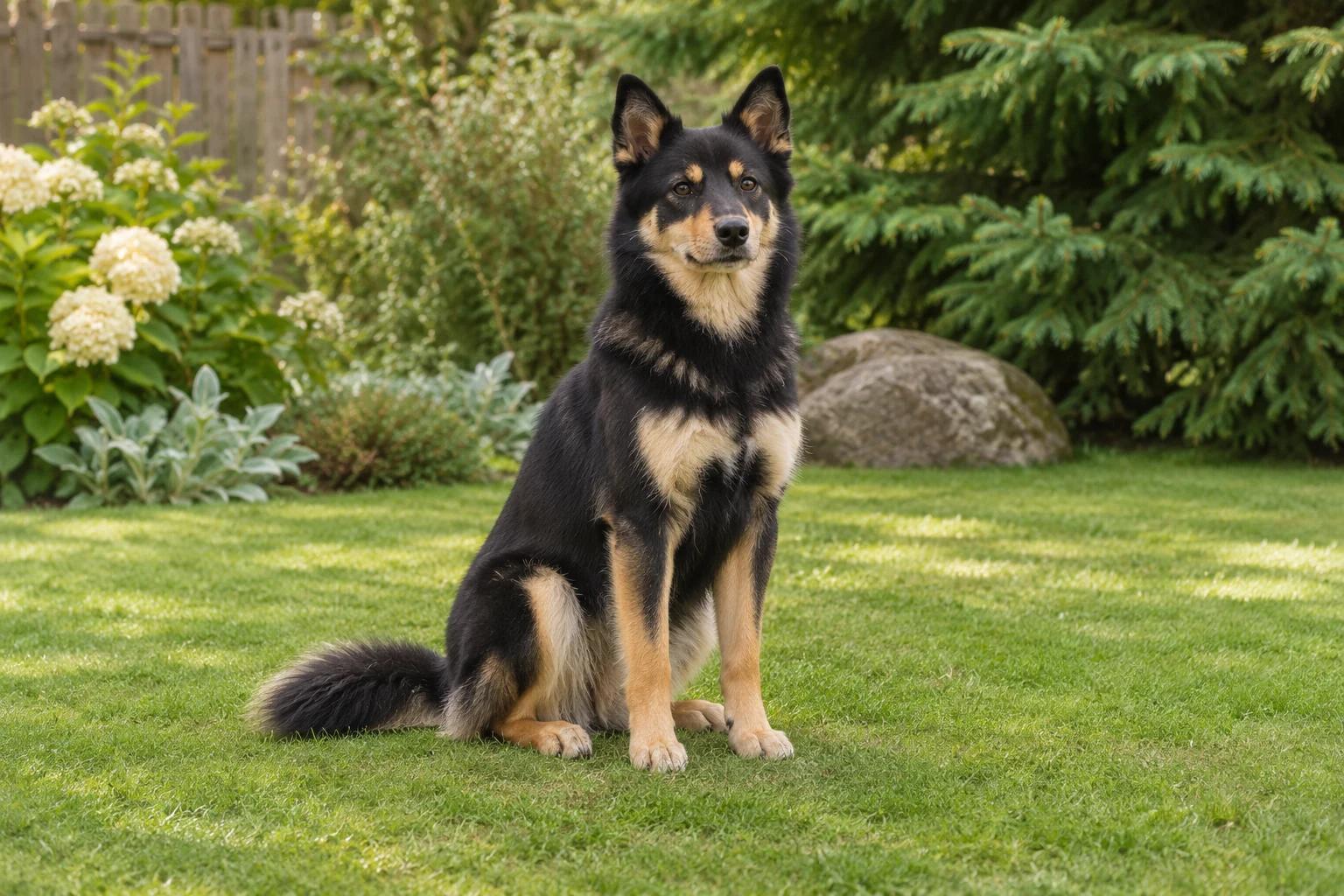
A Lapponian Herder’s tail changes carriage with movement. A short video gives a fuller picture than a single posed photograph.
Read article →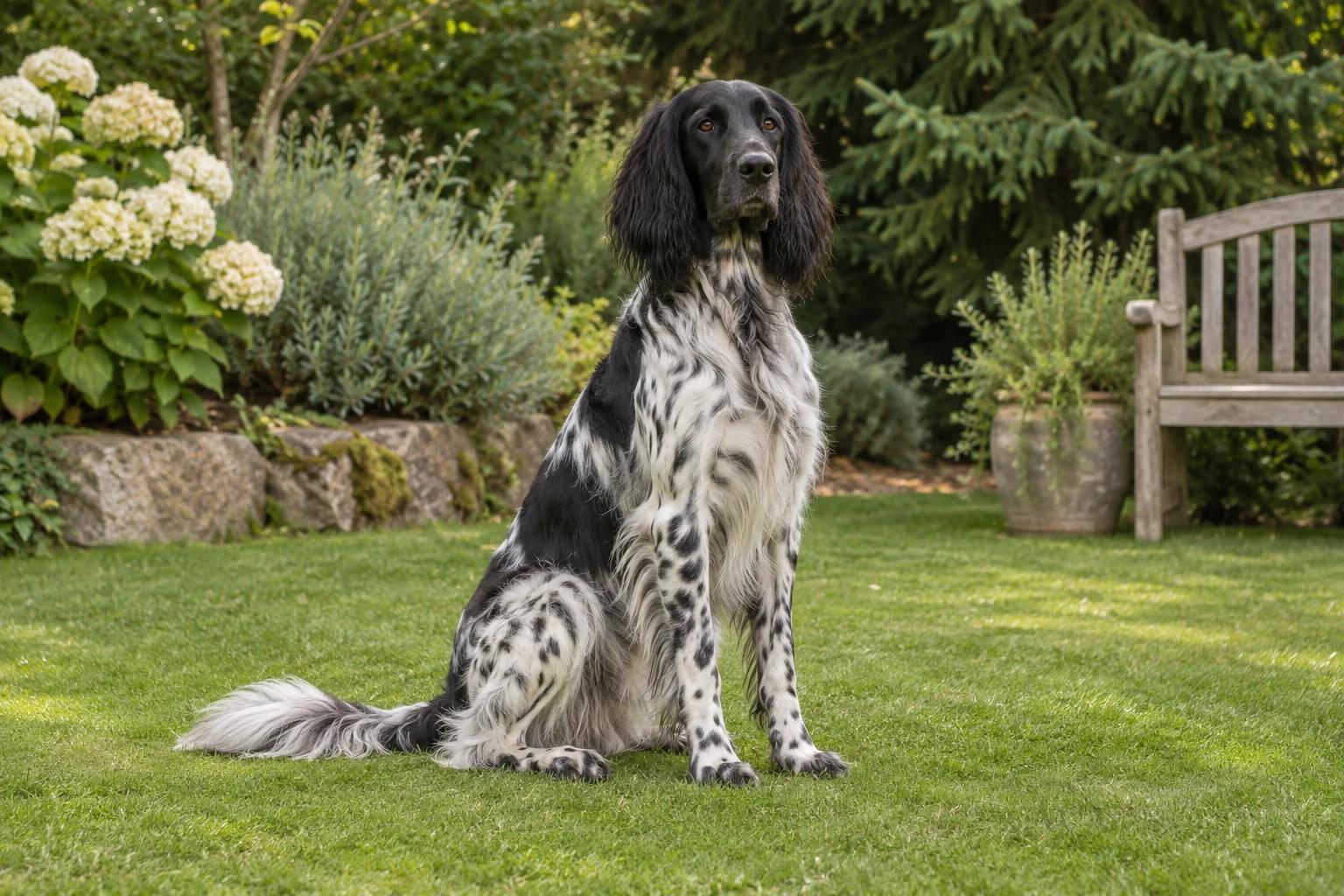
The Large Munsterlander’s history connects a color decision, a new club and a recorded foundation list. Three dates explain the sequence.
Read article →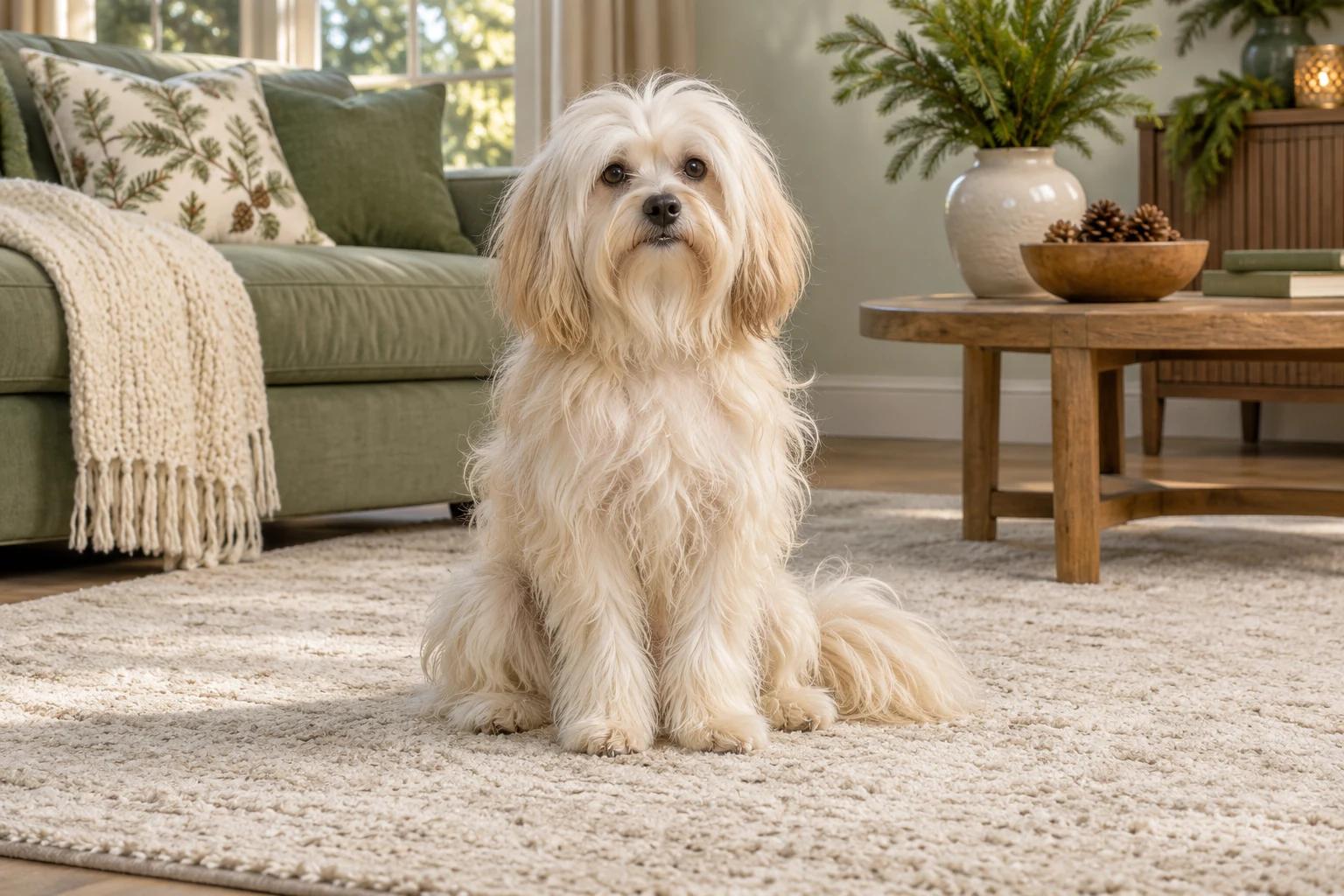
The Löwchen’s lion clip is a show requirement in the FCI standard. Use that context to explain your goals and discuss everyday care with a groomer.
Read article →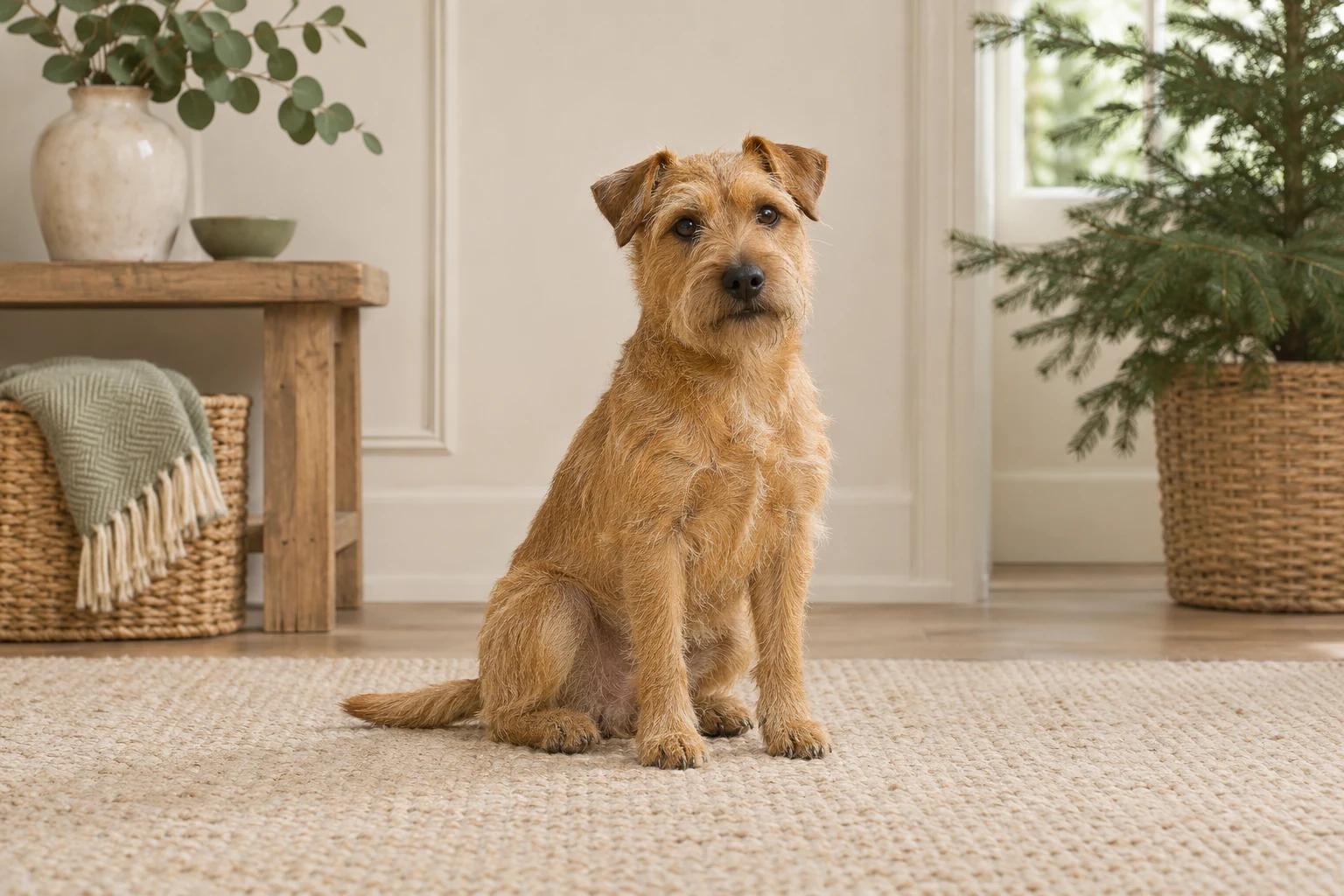
The UK Lucas Terrier Club distinguishes Lucas Terriers from Sporting Lucas Terriers. Clarify the name and records before comparing listings.
Read article →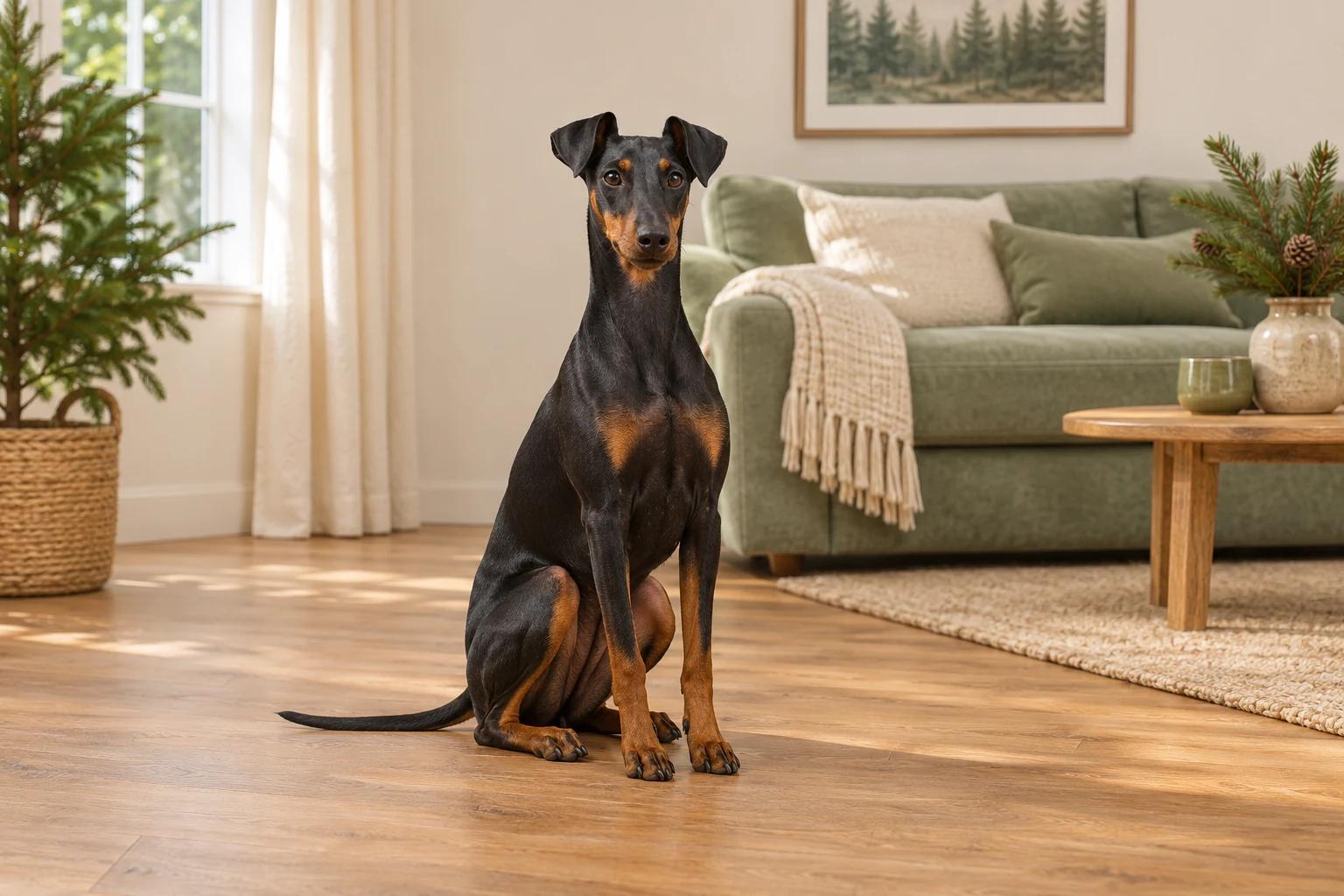
Different ear shapes can appear in Standard Manchester Terrier portraits. Identify the variety before using a photograph as a reference.
Read article →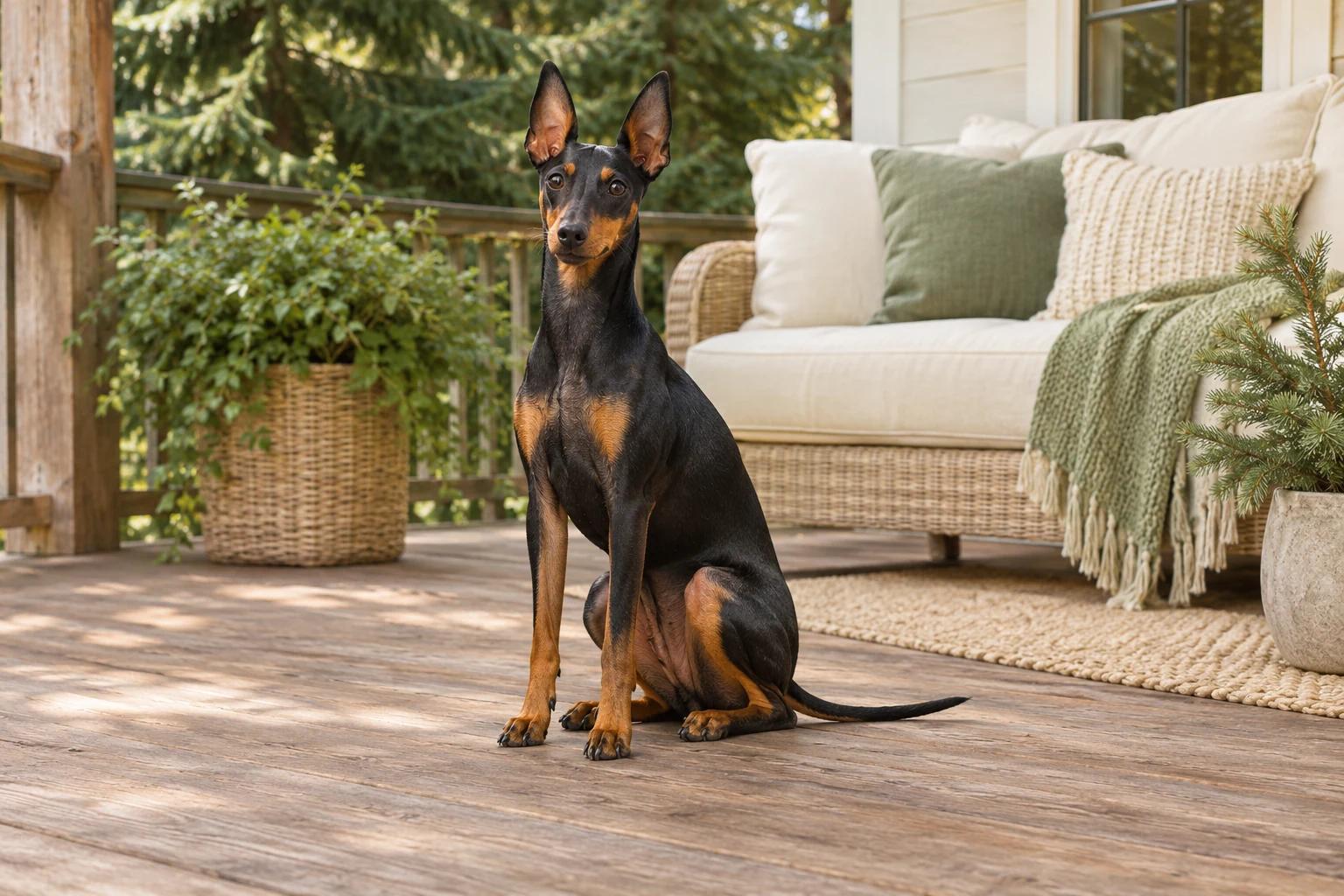
A close photograph of a Toy Manchester Terrier can reveal details hidden in a full-body portrait. Start with the paws and forelegs.
Read article →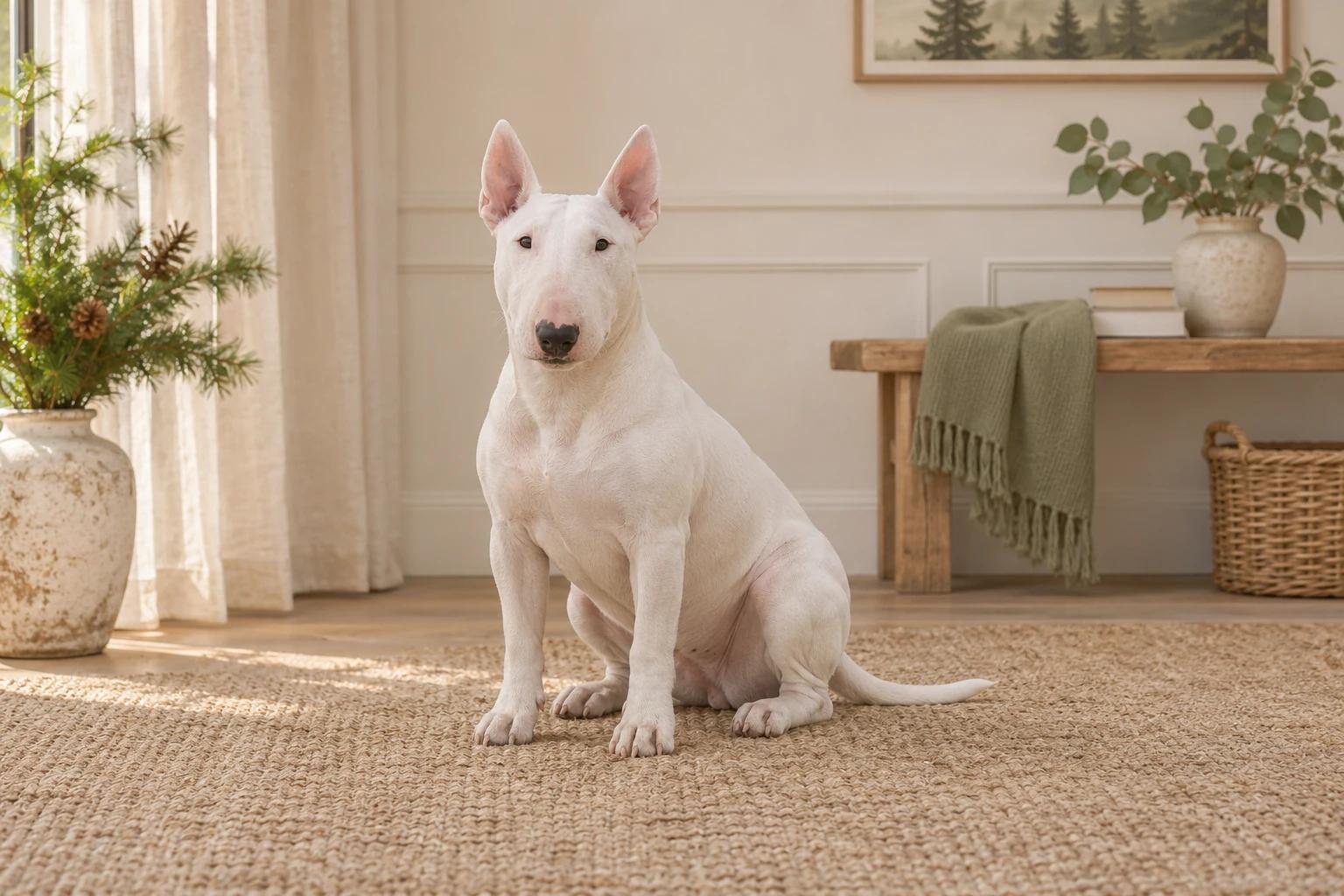
The Miniature Bull Terrier’s recorded history includes removal from a breed register in 1918 and a club-led revival in 1938.
Read article →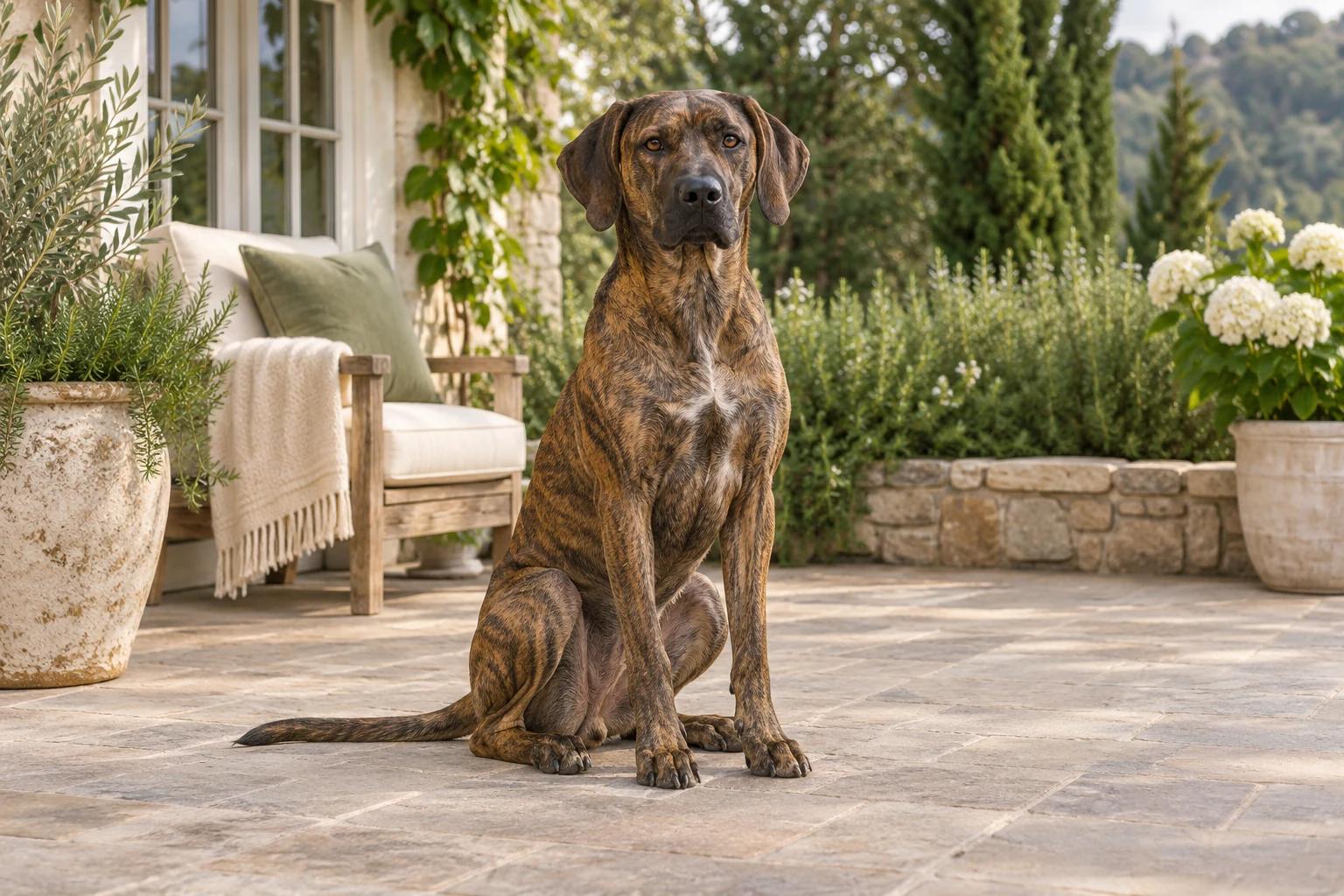
The Mountain Cur’s working description allows different amounts of voice on a track. Ask about the individual in several everyday settings.
Read article →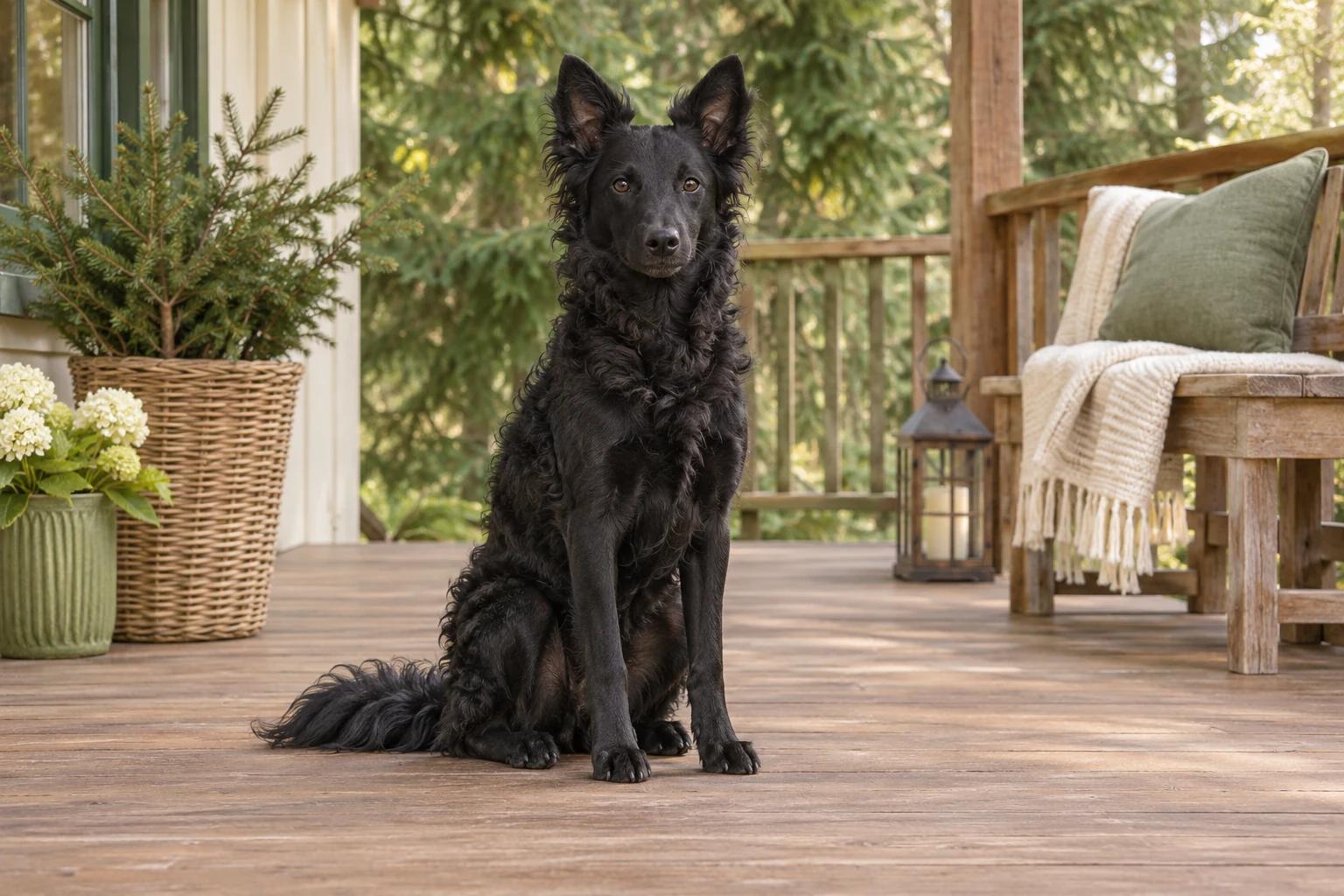
The Mudi’s coat changes texture across the body. A smooth face does not contradict the waves that make the breed’s outline distinctive.
Read article →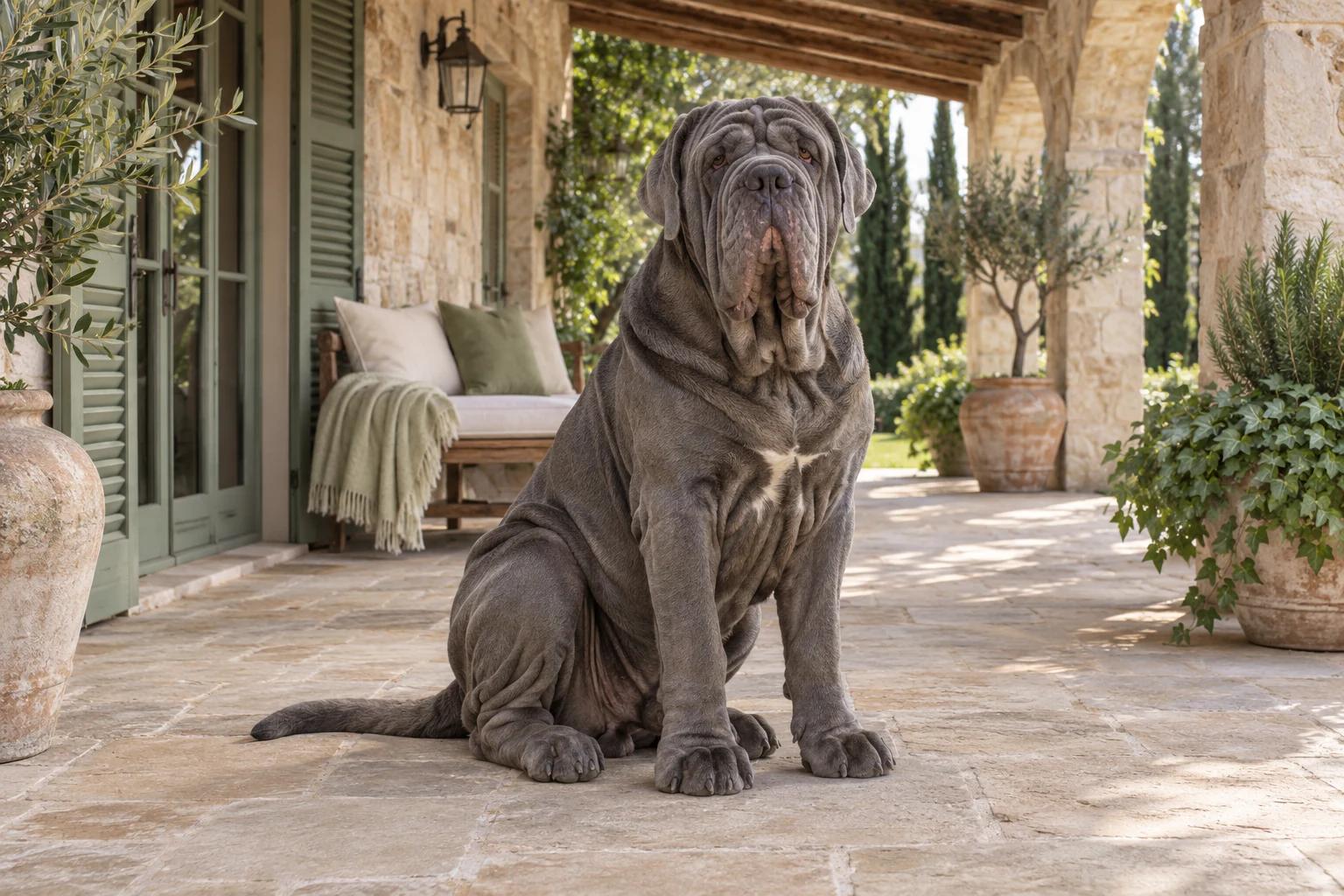
The Neapolitan Mastiff’s standard describes folds but also places limits on them. More dramatic wrinkles are not automatically a better example.
Read article →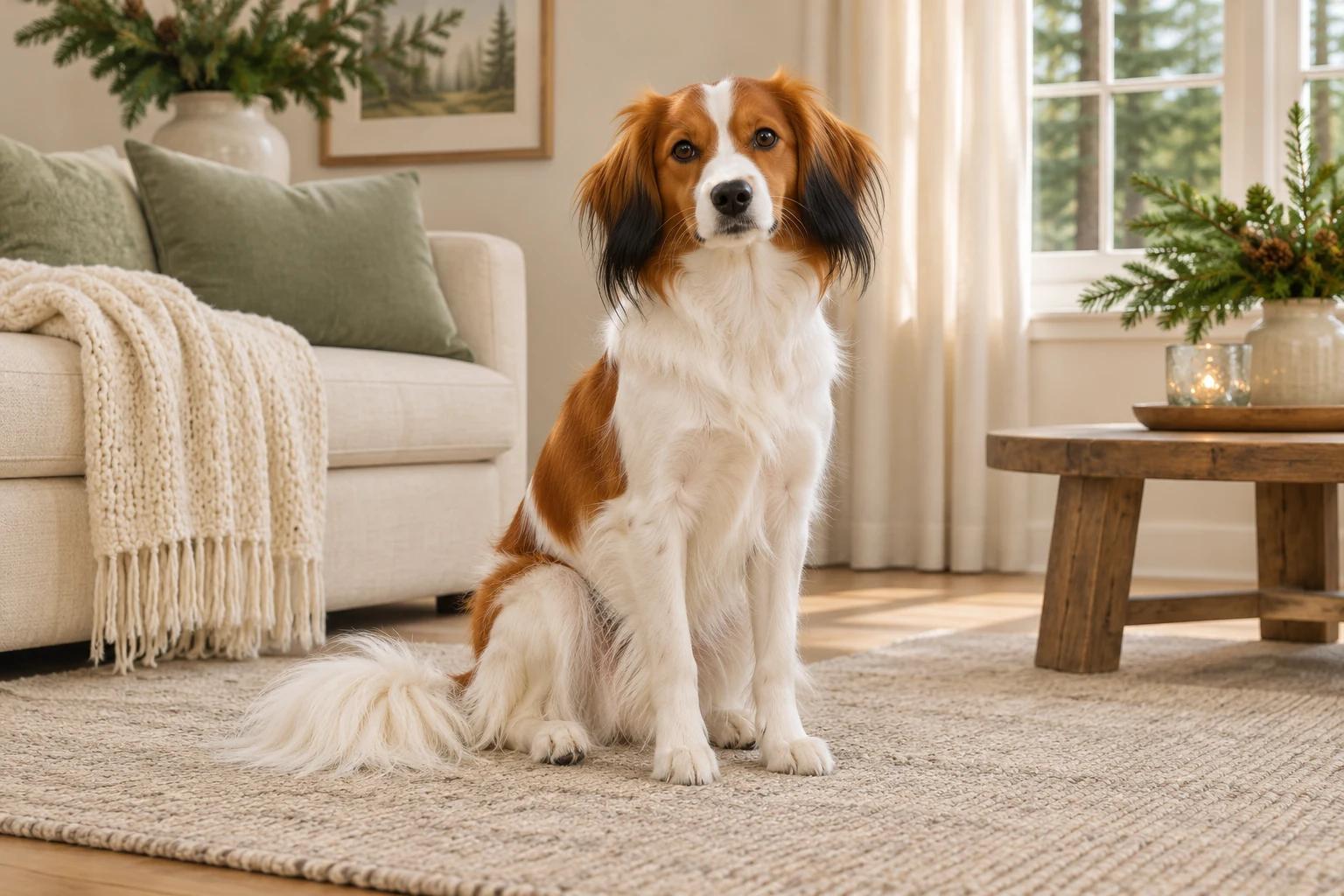
The Kooikerhondje’s traditional duck-decoy role involved calm movement and a waving tail. Understanding the setting explains a distinctive working partnership.
Read article →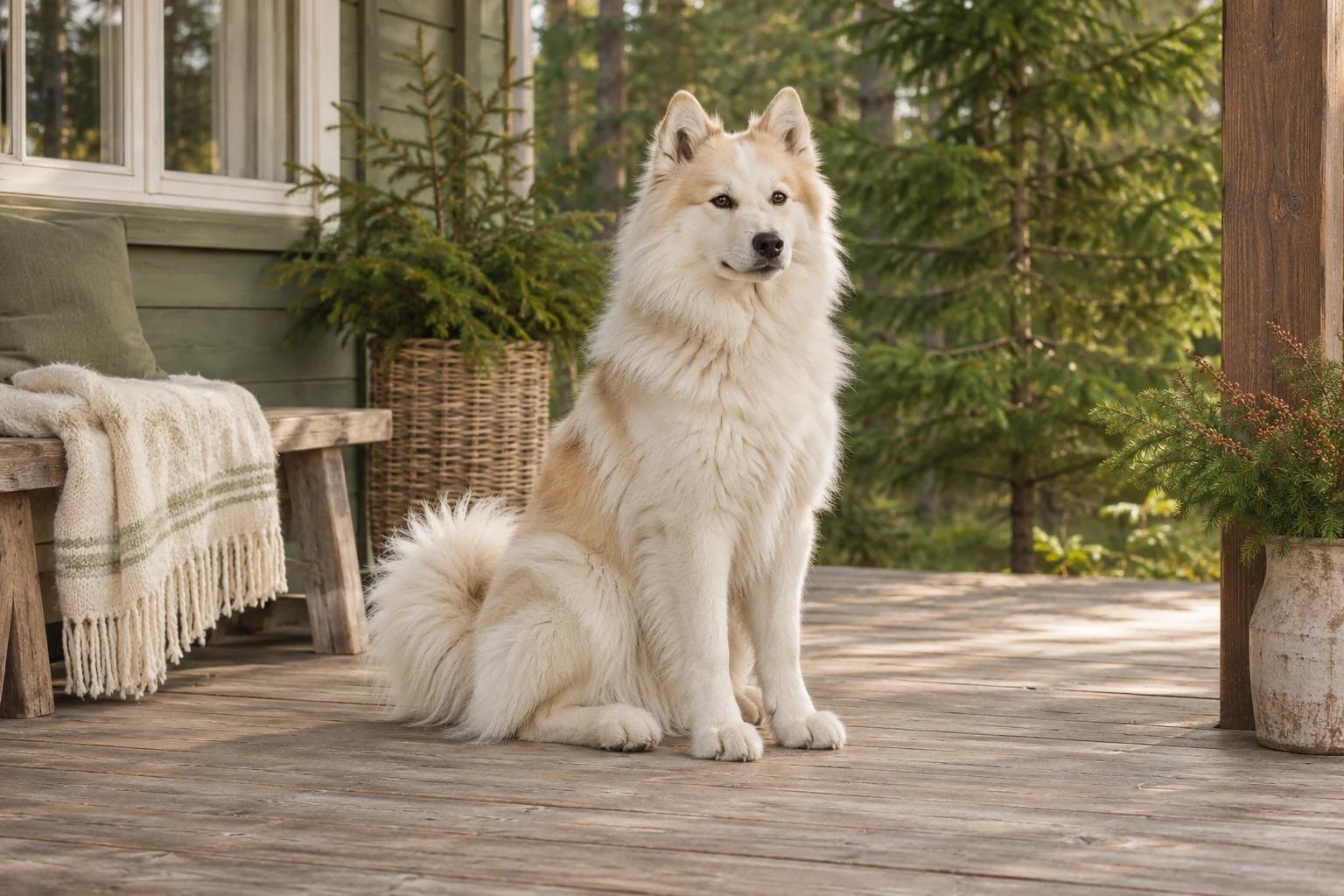
The RKF Nenets Laika standard includes both a height range and measured averages. Keeping those figures separate makes size descriptions more accurate.
Read article →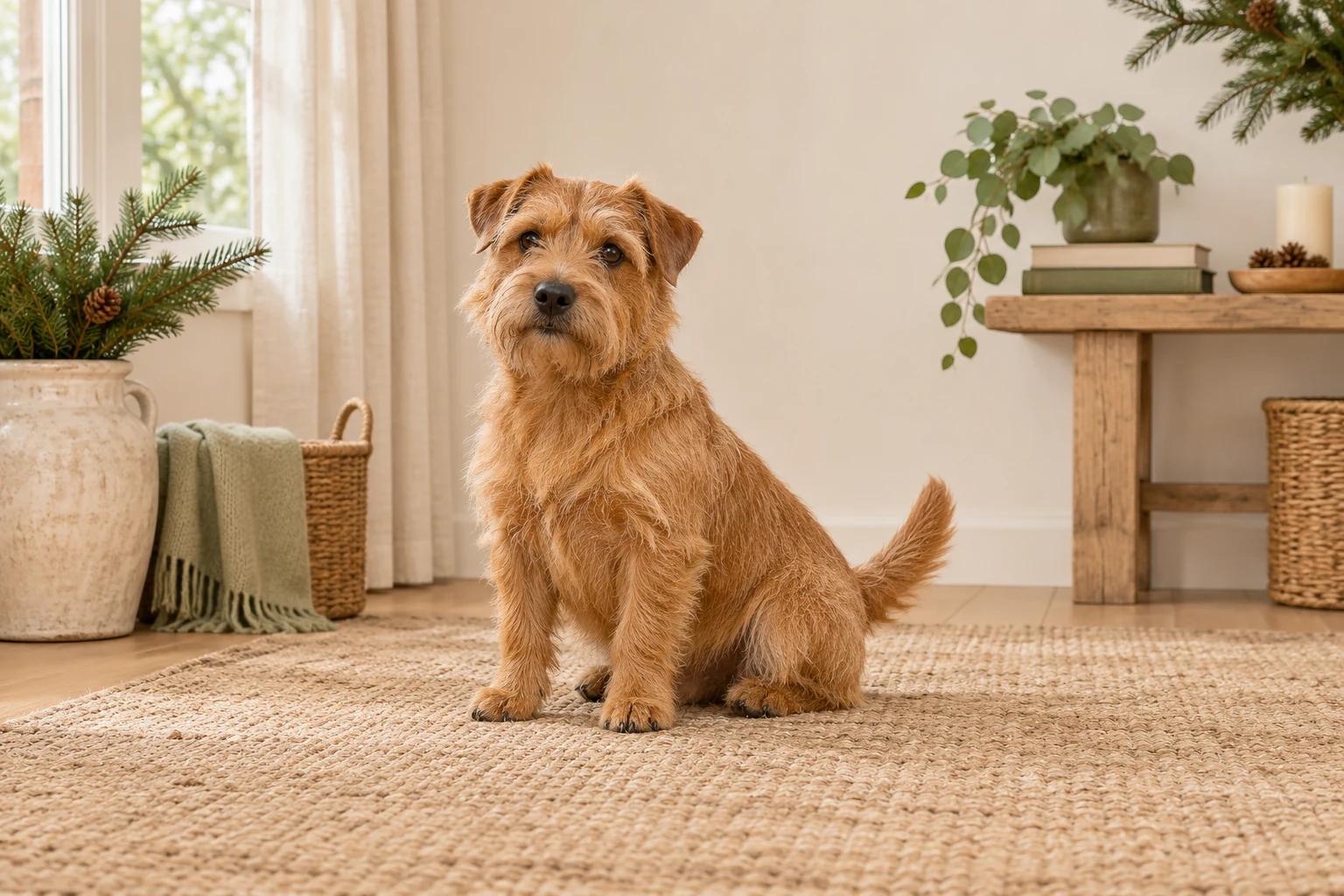
Norfolk and Norwich Terriers were separated in 1964. Earlier records can use Norwich for the drop-eared dogs now called Norfolk Terriers.
Read article →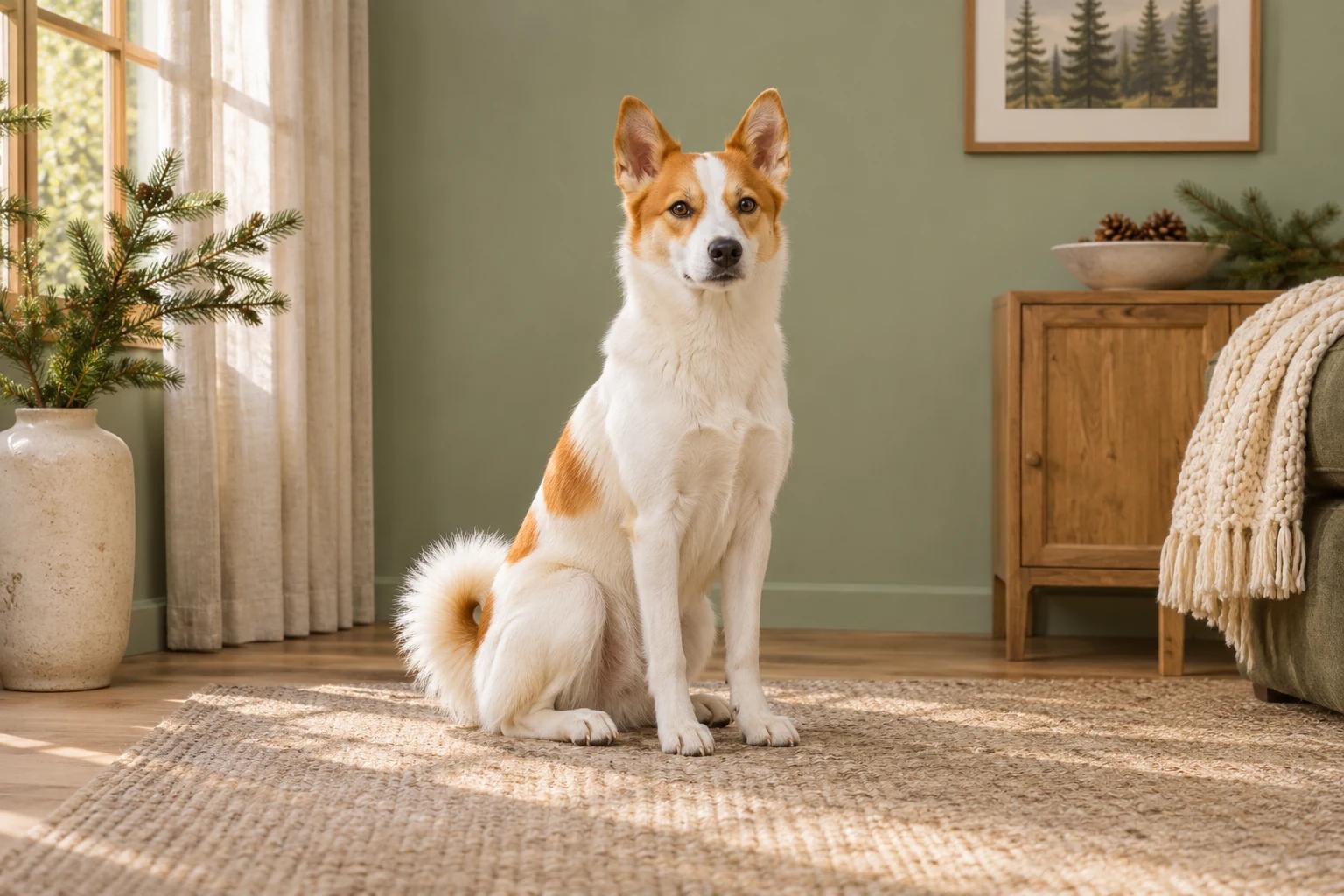
The Norrbottenspets color description pairs white with distinct patches. It also separates preferred patch colors from tolerated ones.
Read article →Get to know breeds, then consider your own everyday life.