Kishu Ken come in more than white
The Kishu’s FCI coat list includes white, red and sesame. A gallery dominated by white dogs should not be mistaken for a white-only breed definition.
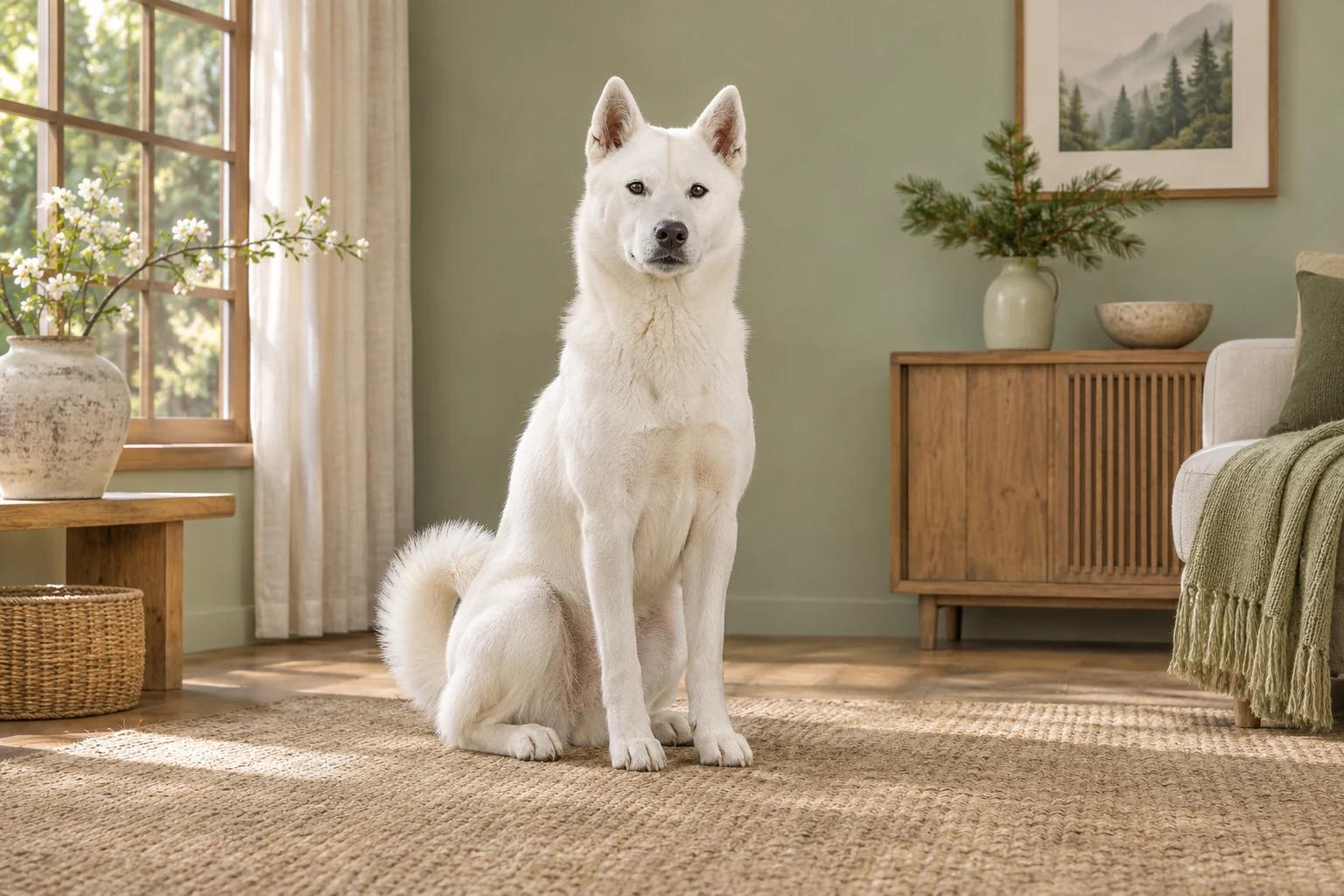
What a white-only gallery leaves out
A collection of white Kishu photographs can give a reader a narrower impression than the breed’s FCI color section does. That section lists white, red and sesame. It defines sesame as a mixture of black, red and white hairs, so the term describes mixed hair colors rather than separate large patches.
The history also says that only solid colors were accepted from 1934. Read alongside the current coat list, that passage cannot reasonably be shortened to white only. White is one listed option, not the entire list.
Use the distinction when describing a dog
For a profile caption or an adoption conversation, ask the keeper which color description appears in the dog’s records. Keep that recorded description separate from your impression of a photograph. Lighting, distance and image quality may make an overall color easier to see than individual hairs.
If comparing examples of sesame, choose photographs that show the coat clearly and retain their labels. The standard supplies a color vocabulary; it does not give a percentage of Kishu in each color or establish how common a shade is in your area.
A less familiar color should not become a claim of greater value or different temperament. The useful correction is simply that this breed’s documented color range is wider than a white-only set of pictures suggests.
Sources behind this article
Article source checked: October 20, 2026. Source checked 2026-10-20
Keep reading
Kishu Ken vs Hokkaido: Comparing Everyday Fit
Read article →