Ask about a Lancashire Heeler’s working day, not just its small size
The Lancashire Heeler’s history includes cattle work and rabbiting or ratting. A useful placement conversation explores activity and management beyond its compact dimensions.
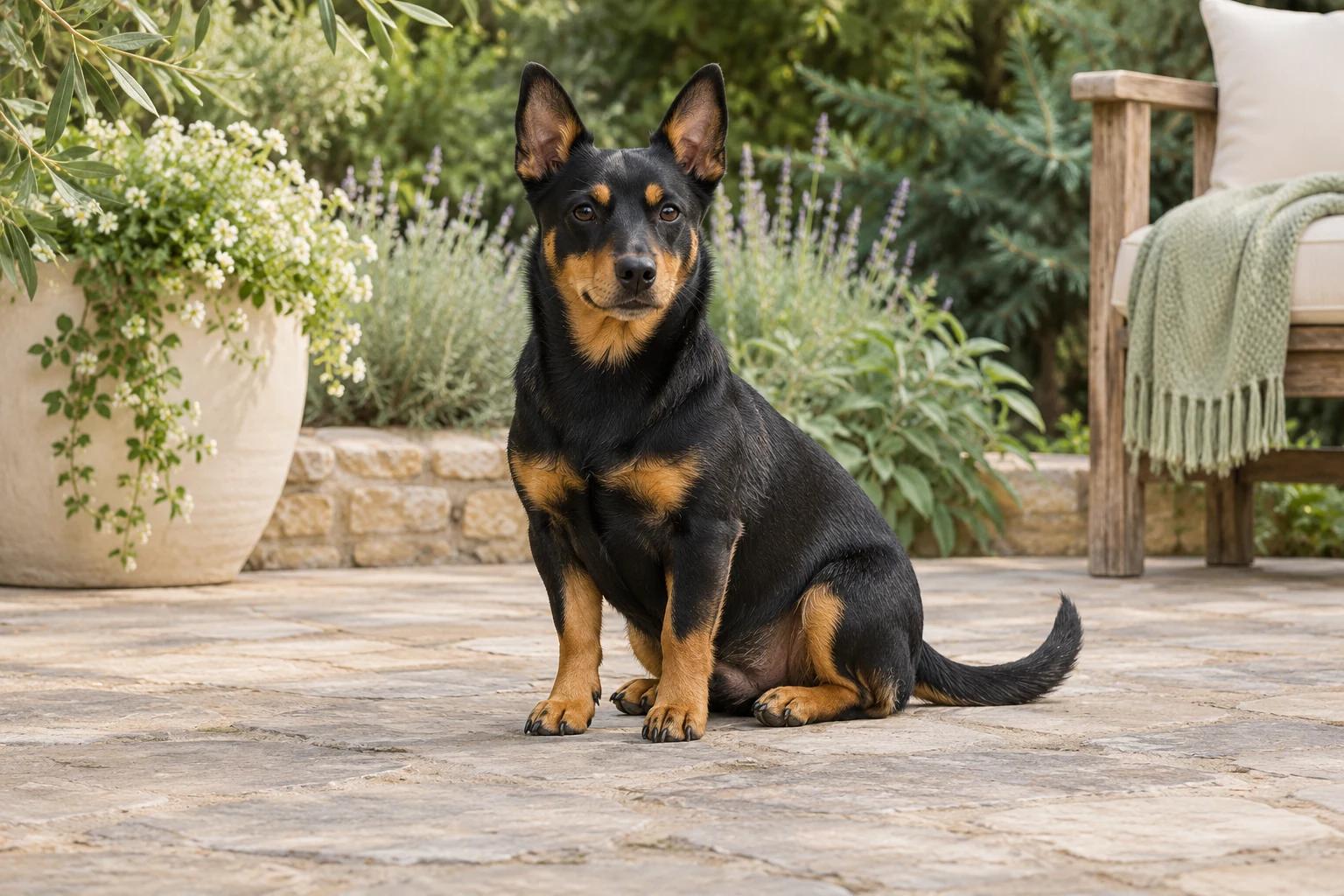
A compact frame with more than one job
The Lancashire Heeler’s FCI standard describes a small, sturdy, energetic worker. Its utilization includes herding and companionship, while the behavior section combines cattle work with terrier-like instincts in rabbiting and ratting. Those details give the compact outline a working context.
A size comparison can help with practical space questions, but it does not answer how this individual spends its day. Small should not quietly become a synonym for inactive.
Three questions worth taking to a keeper
First, ask what a normal weekday currently includes: walks, play, training and time resting. Request an actual example rather than a broad label such as active. Second, ask what happens around moving animals and what management the keeper uses. Traditional work does not prove either compatibility or incompatibility with a particular household pet.
Third, ask what the dog has learned to do with its owner and which activities it appears to enjoy. The goal is to understand an established routine and the support needed to continue or adapt it, not to assign a task solely because it appears in the breed’s history.
Keep the origin story separate
The standard presents a Corgi-and-Manchester-Terrier origin account as a suggestion, with origins not clearly defined. That story should not become a fixed ancestry formula or an explanation for every behavior. Observations about the dog remain the most useful answers in the placement conversation.
Sources behind this article
Article source checked: October 20, 2026. Source checked 2026-10-20
Keep reading
Lancashire Heeler vs Swedish Vallhund: Choosing a Fit
Read article →