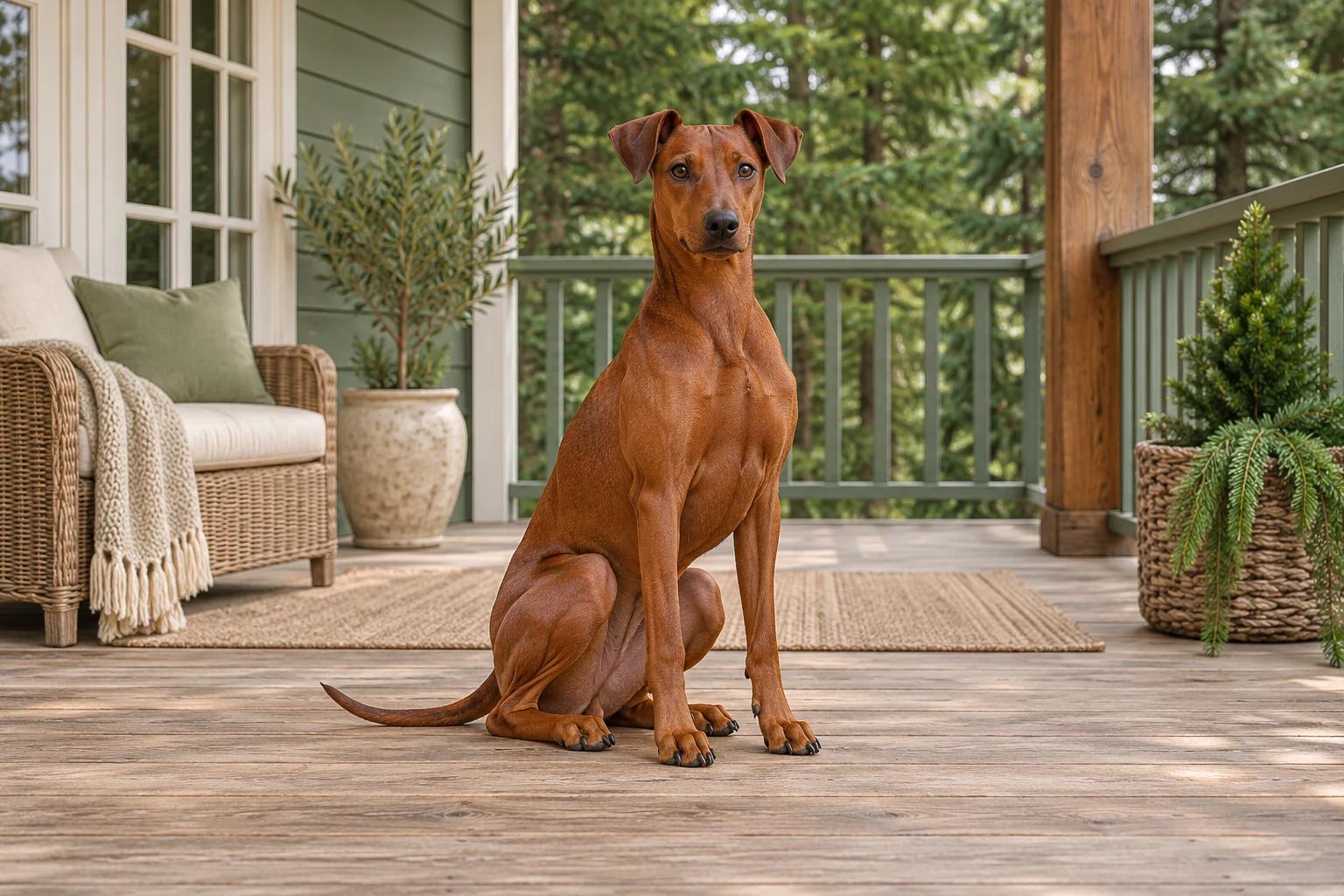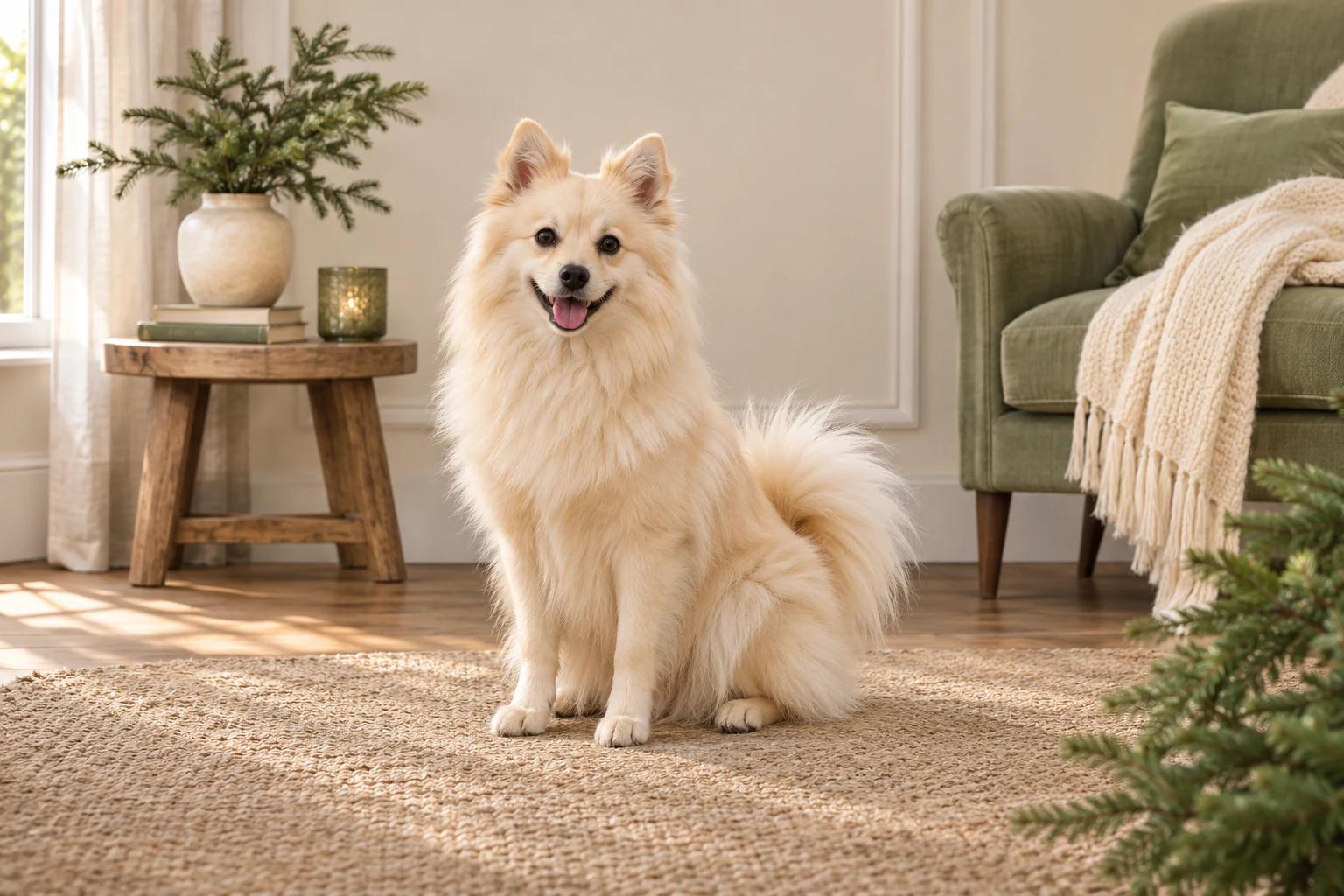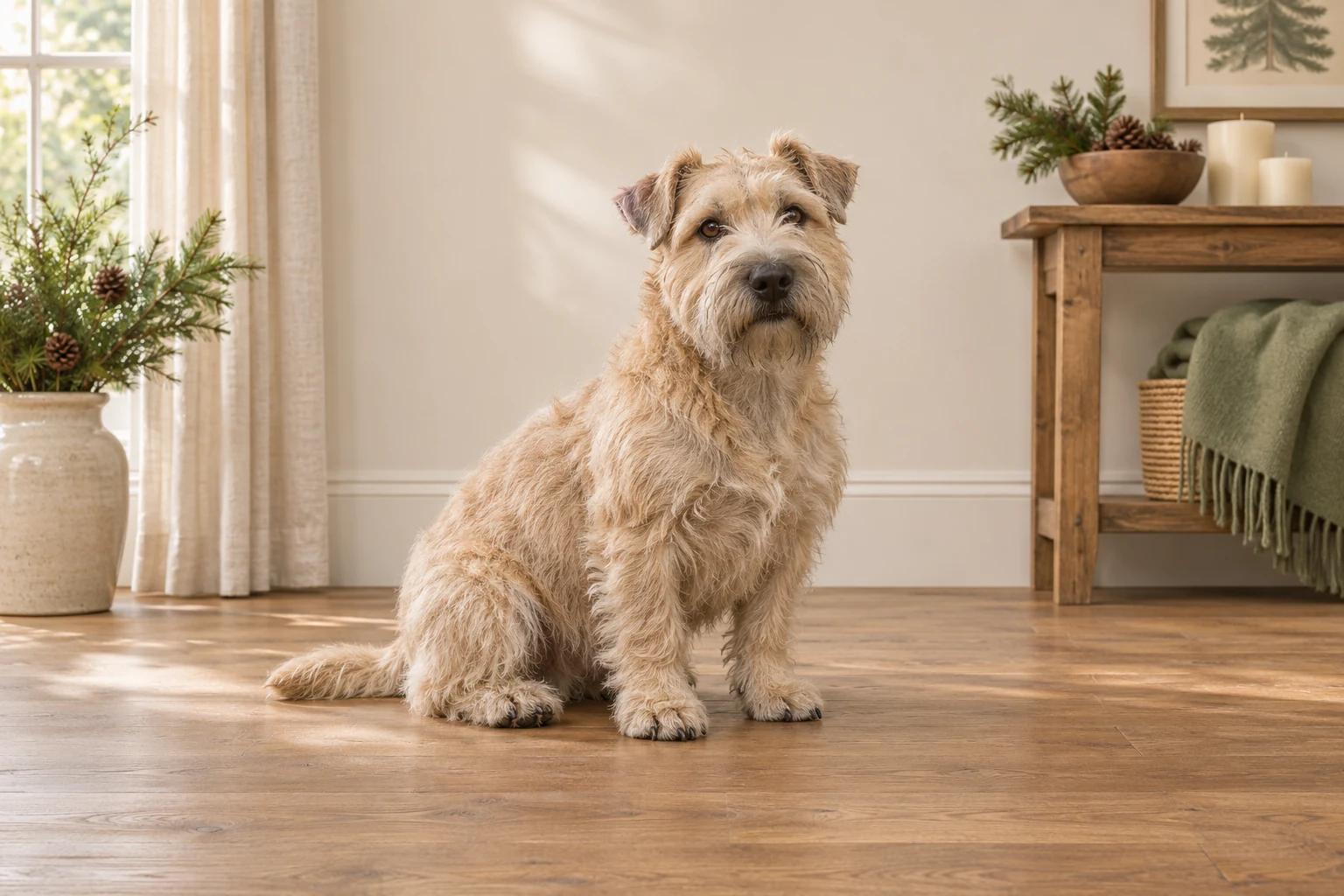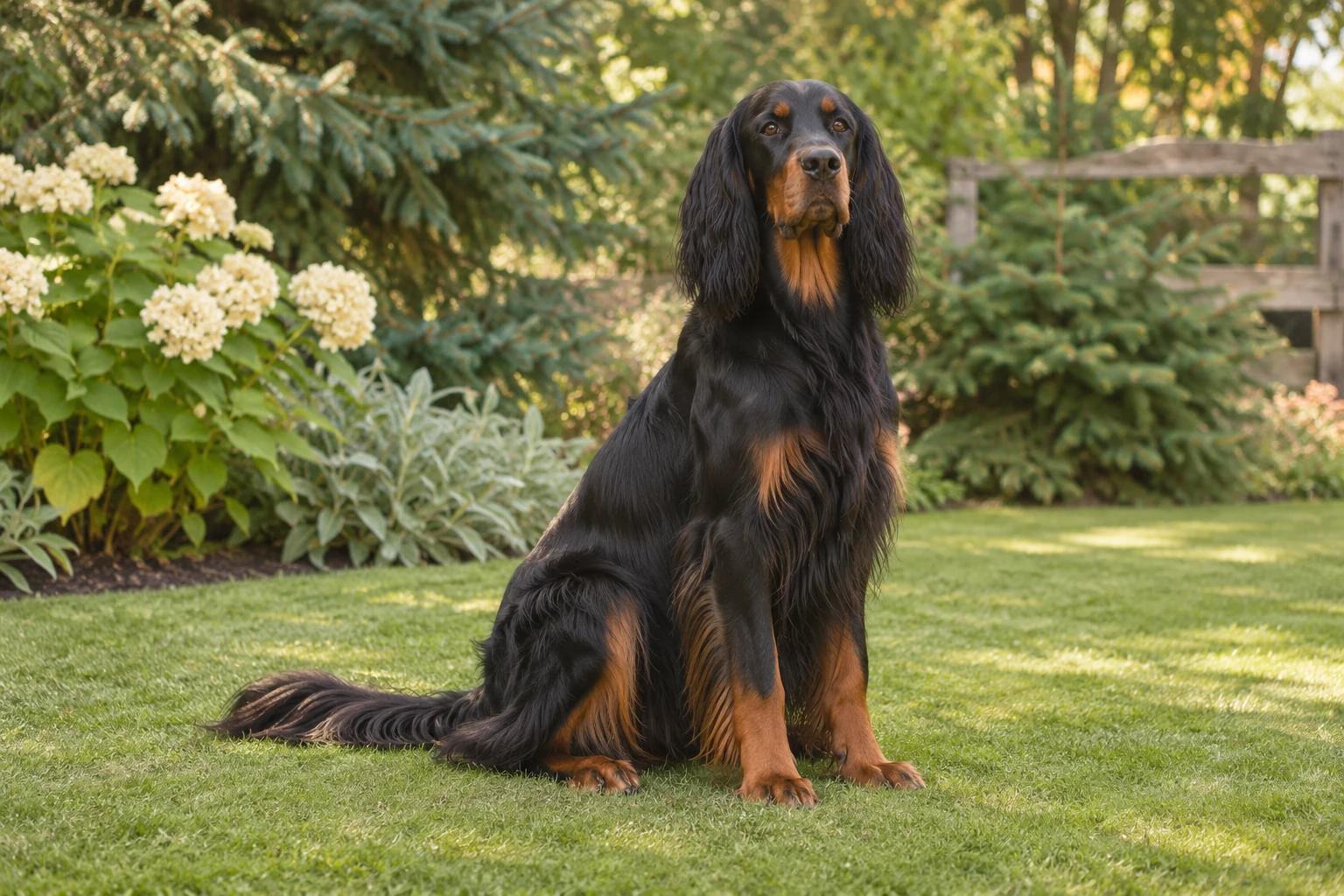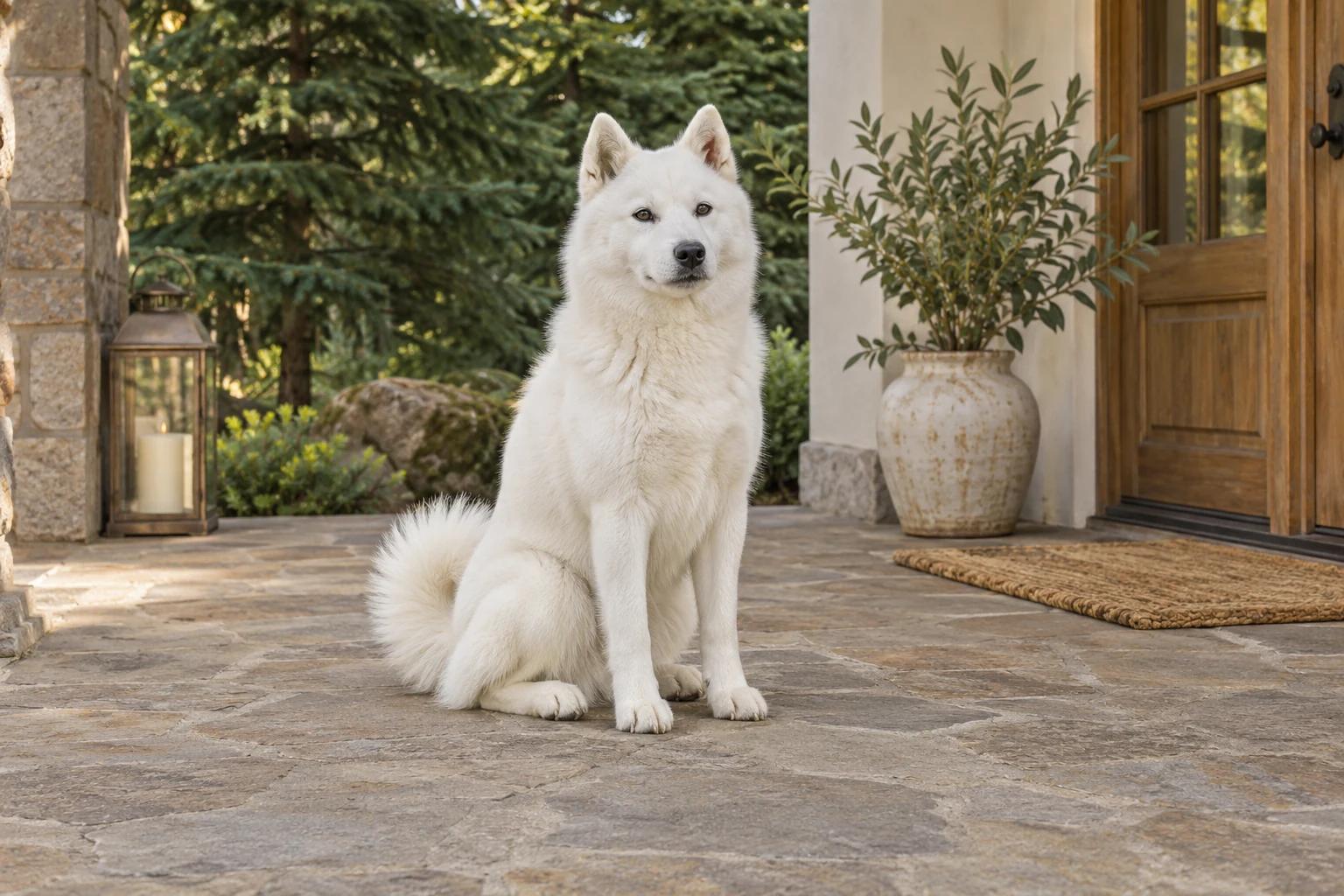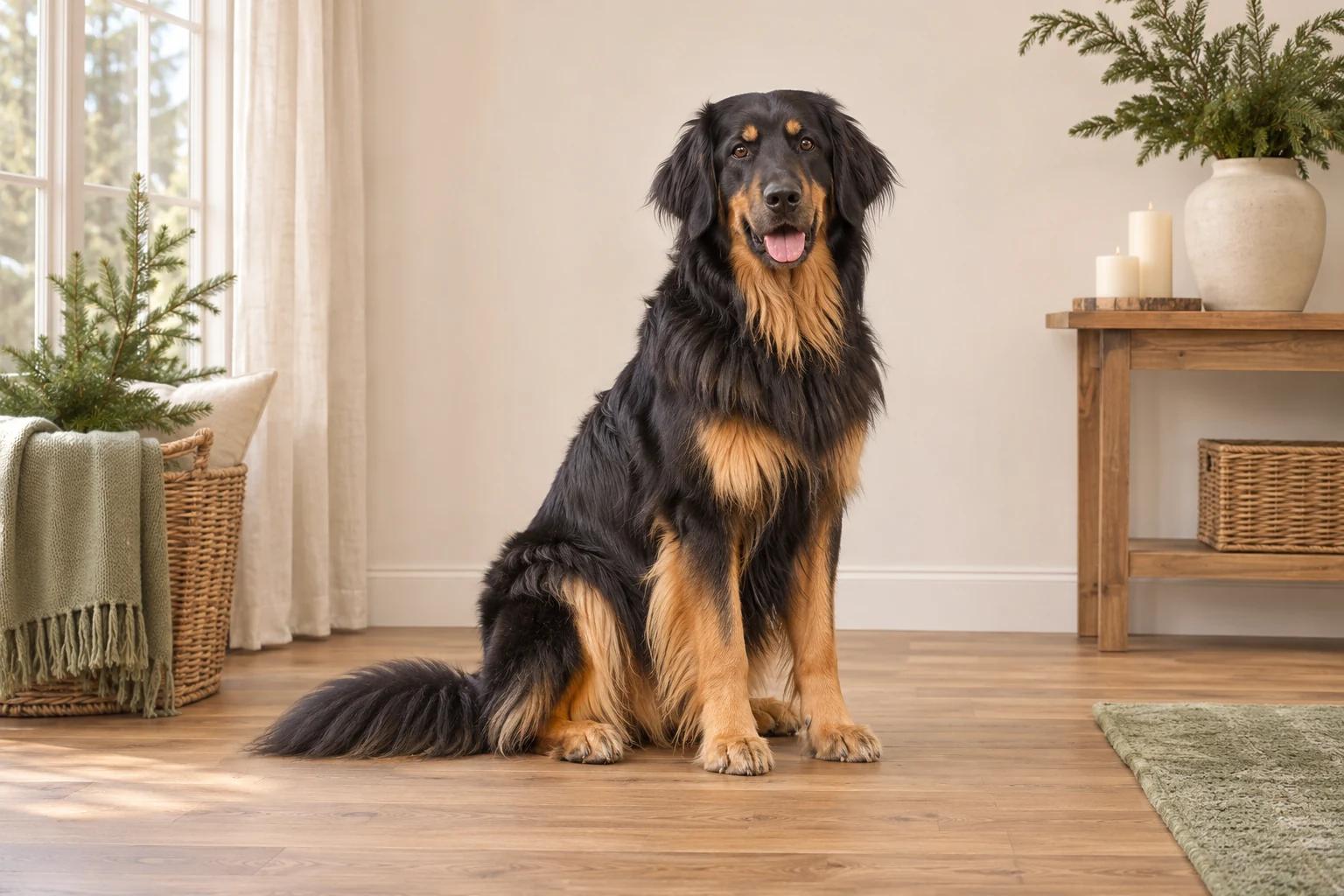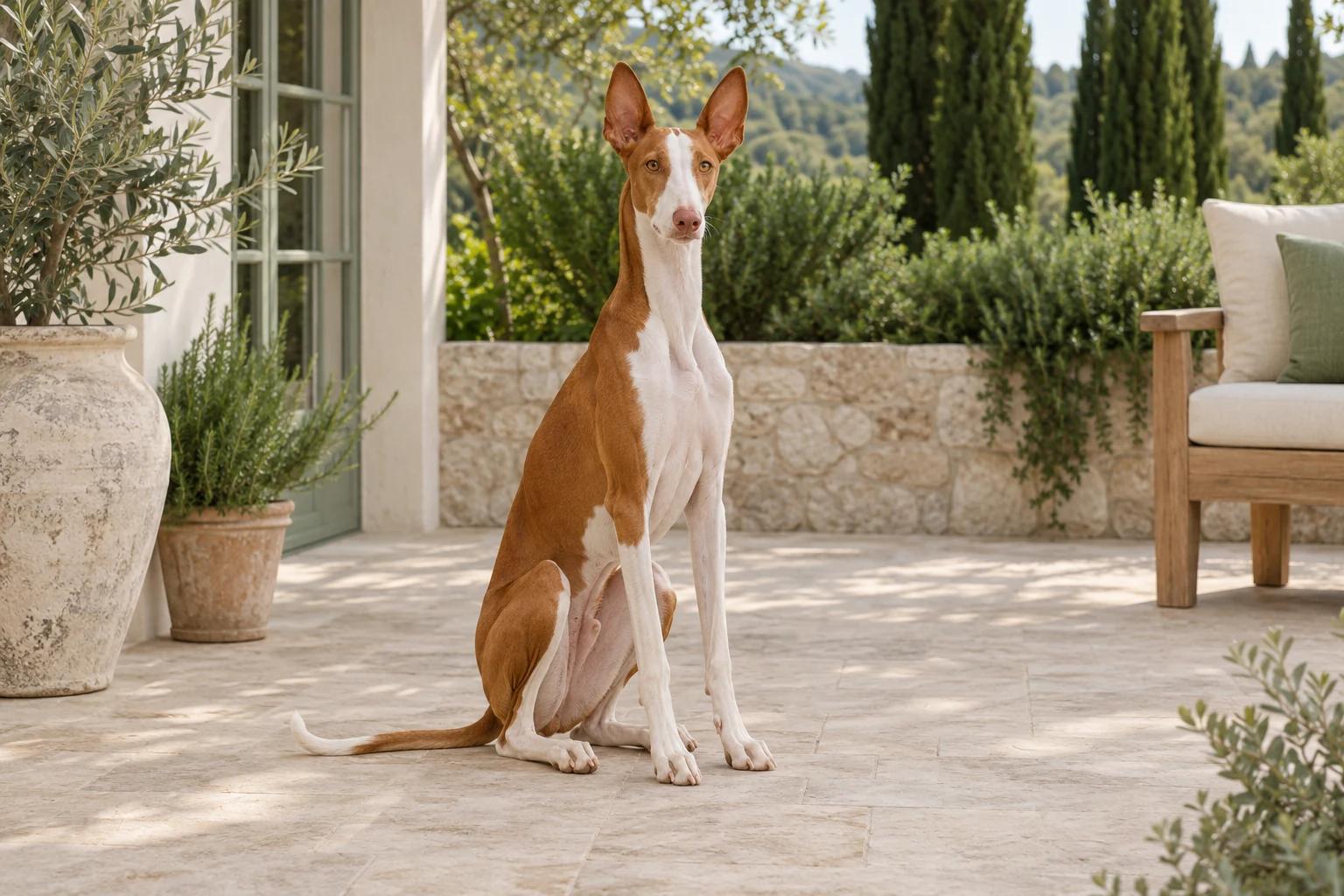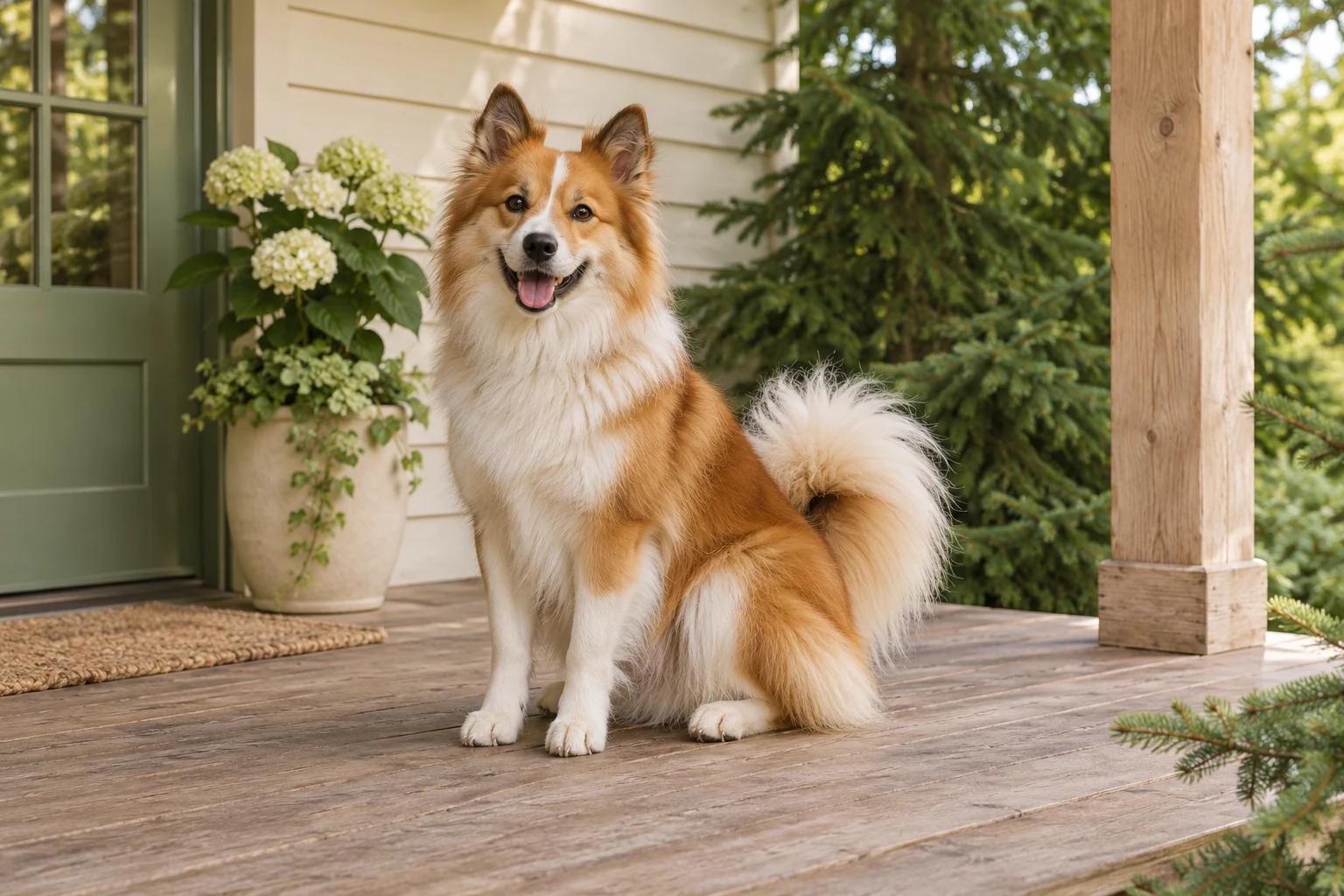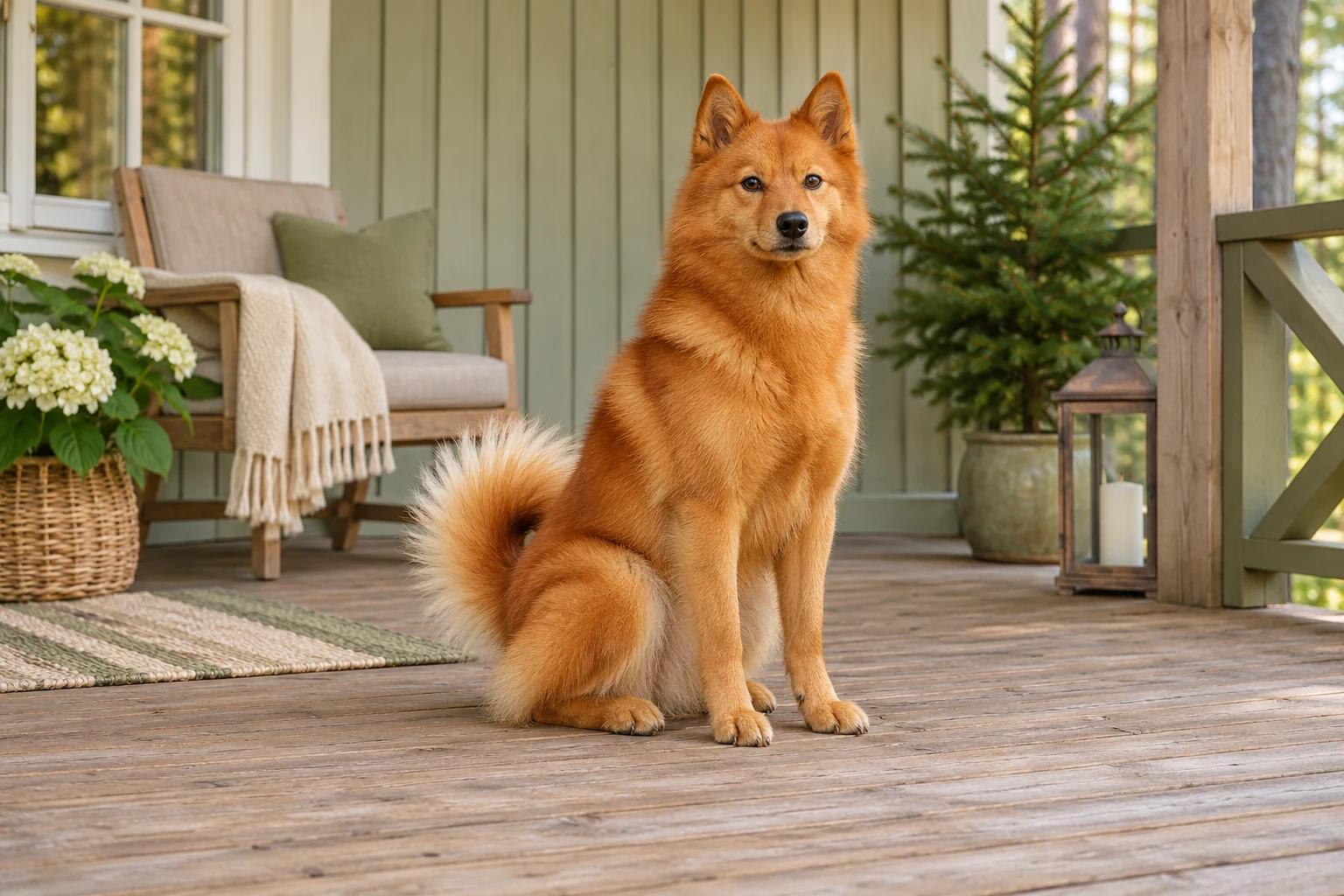
Why barking belongs in the Finnish Spitz’s working history
The Finnish Spitz was developed to mark game by barking, including birds in trees. That working signal has a purpose, but it does not predict a household’s noise level.
Read article →Explore the routines, questions, and small decisions behind life with a dog.
1268 articles to explore

The Finnish Spitz was developed to mark game by barking, including birds in trees. That working signal has a purpose, but it does not predict a household’s noise level.
Read article →
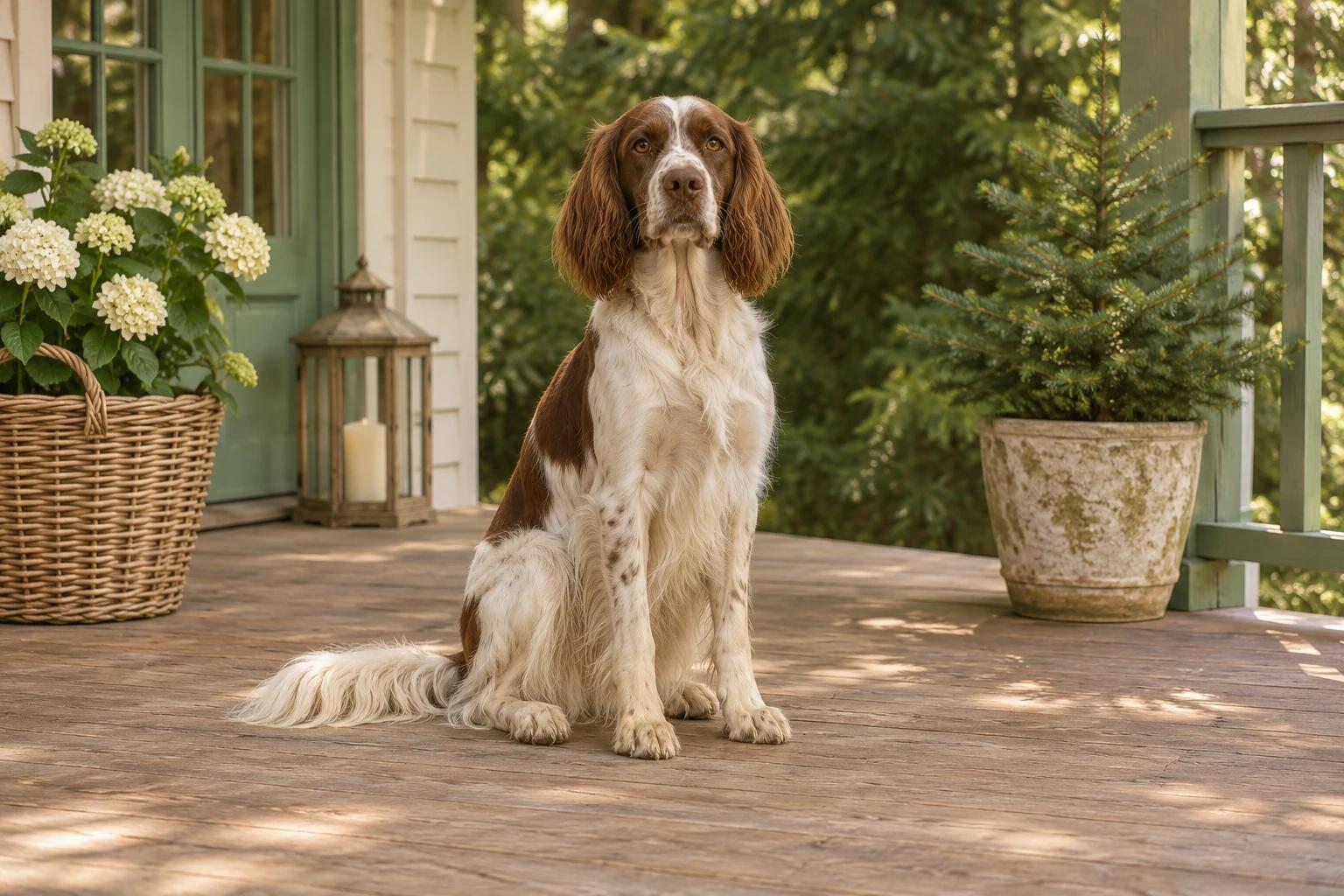
The French Spaniel’s FCI standard permits a head without white. Its brown-and-white coat description separates an appreciated blaze from a required marking.
Read article →
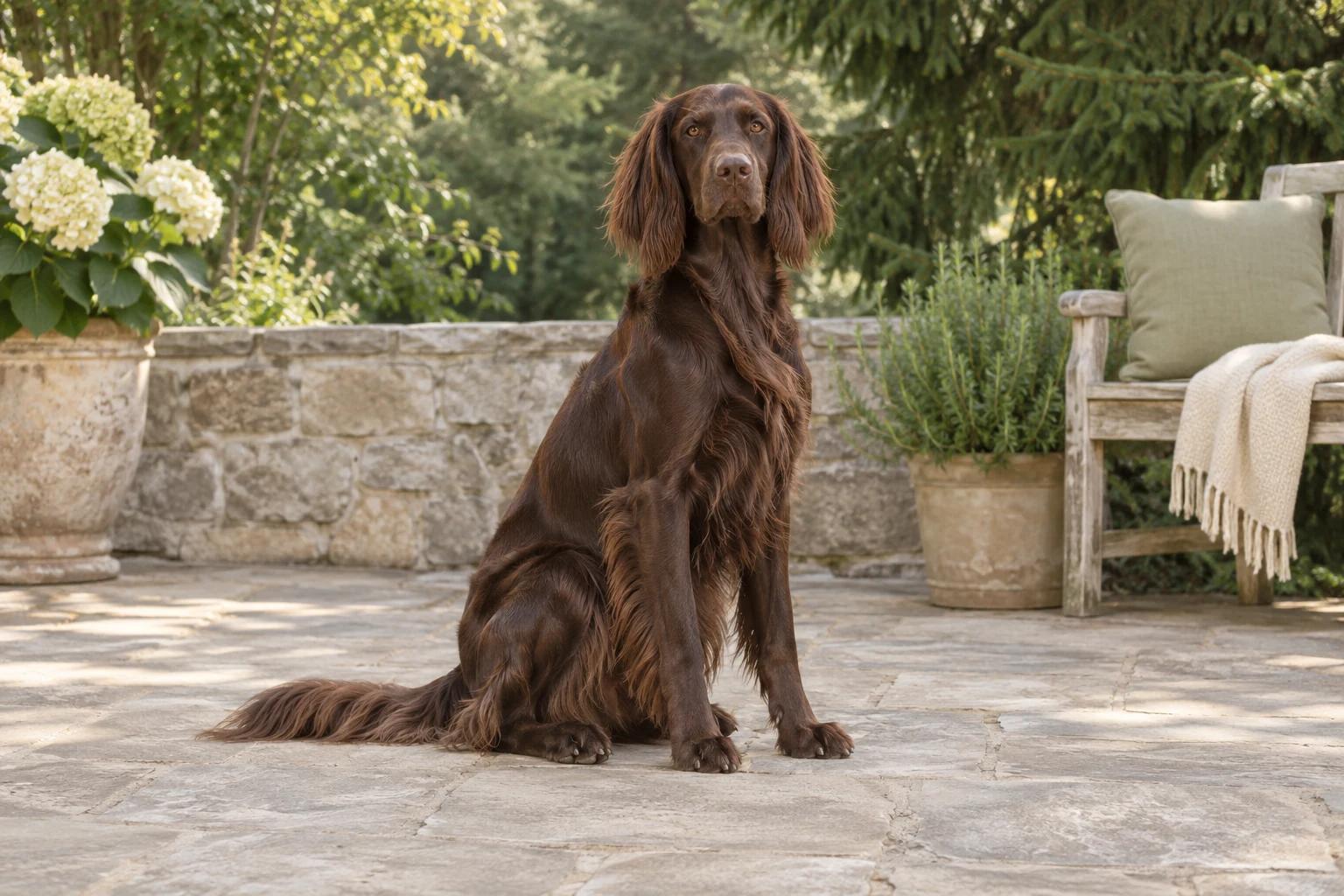
The German Longhaired Pointer’s standard describes different lengths across the body, with restrained feathering and no topknot. Its coat is a map, not one length.
Read article →
The German Pinscher’s history mentions colors beyond today’s FCI coat section. Historical description and current conformation rules serve different purposes.
Read article →
FCI standard 97 covers several German Spitz varieties. Giant, Medium and Miniature have separate height figures, while Keeshond and Pomeranian occupy their own sections.
Read article →
The Glen’s FCI standard describes dark puppy masks and other markings that clear with maturity. Compare age-labeled photographs rather than treating a puppy coat as final.
Read article →
The Gordon Setter’s FCI standard describes more than black and tan: it maps chest spots, muzzle markings and legs, while allowing a few small exceptions.
Read article →
The Grand Basset Griffon Vendéen combines a basset outline with straight forelegs. Its FCI history connects that feature with early selection and a practical hunting size.
Read article →
The Greyhound’s FCI standard describes a low-reaching stride and hindlegs coming under the body. Those details explain the intended movement without assigning every dog a top speed.
Read article →
The Hamiltonstovare’s FCI standard describes a vocal scenthound for hare and fox and explicitly excludes pack hunting. That working distinction does not classify its sociability.
Read article →
The Hanoverian Scenthound’s FCI standard centers on tracking wounded game. That specialist role needs more context than a general description of a good nose.
Read article →
The September 2026 FCI Harrier standard gives a broader height range and a narrower preferred range. Keep both when comparing breed-size descriptions.
Read article →
The Hokkaido’s 1937 natural-monument designation explains a naming milestone. It does not mean the dogs or their relationship with Ainu communities began that year.
Read article →
Hovawart refers to a yard or estate guardian, while the FCI history describes breed development from 1922 using farm dogs and several other breeds.
Read article →
The Ibizan Hound’s FCI utilization section emphasizes scent and hearing in rabbit work. Its elegant outline alone does not explain how the traditional hunt operates.
Read article →
The Icelandic Sheepdog’s FCI standard permits double front dewclaws and calls well-developed double rear dewclaws desirable. Those are distinct statements.
Read article →
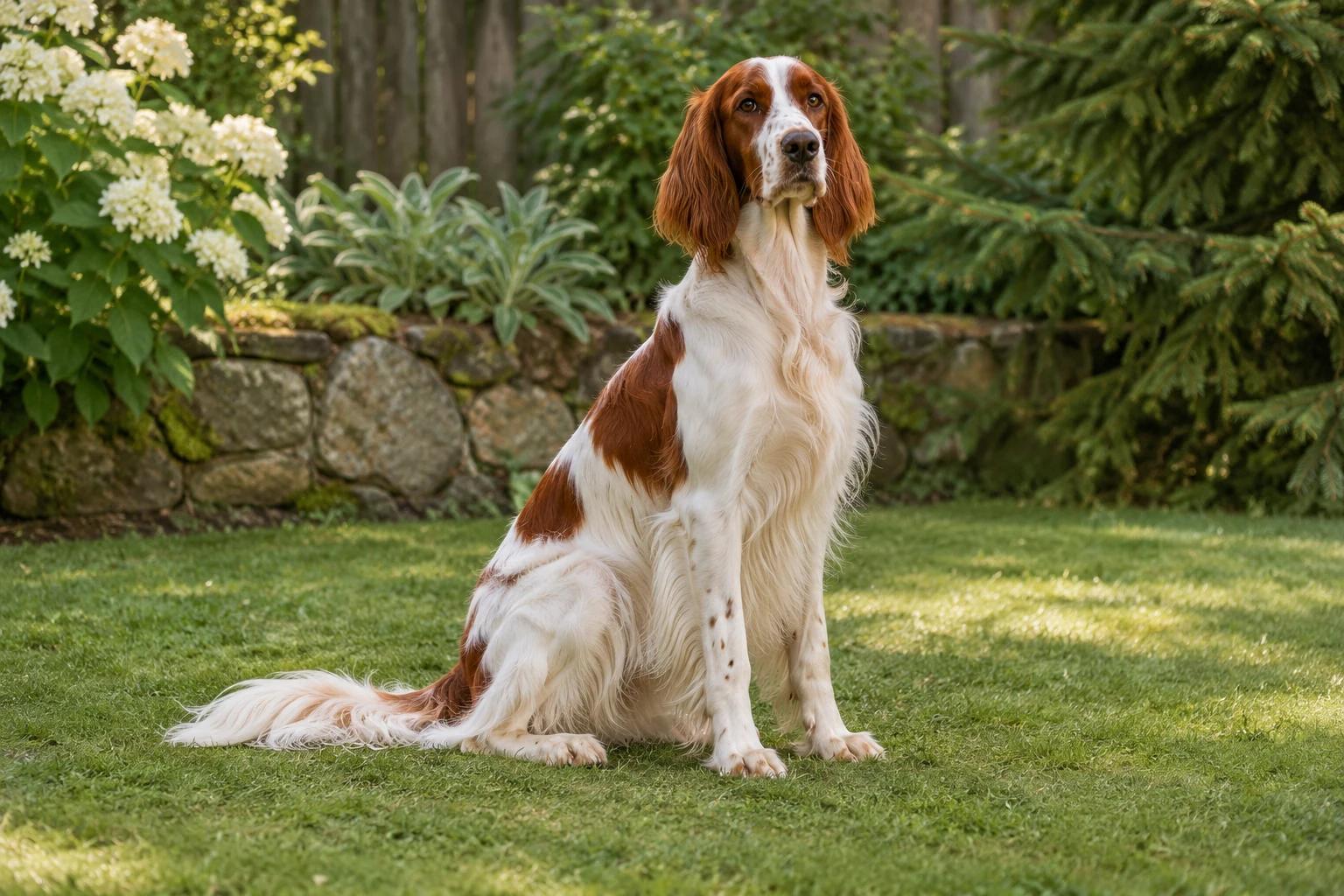
The Irish Red and White Setter’s white-and-red pattern includes a limited allowance for flecking. Location matters, and the allowance does not extend to roaning.
Read article →
The Irish Terrier’s FCI history calls its oldest-breed claim possible, not proven. Sparse records and a dated club milestone deserve different levels of certainty.
Read article →
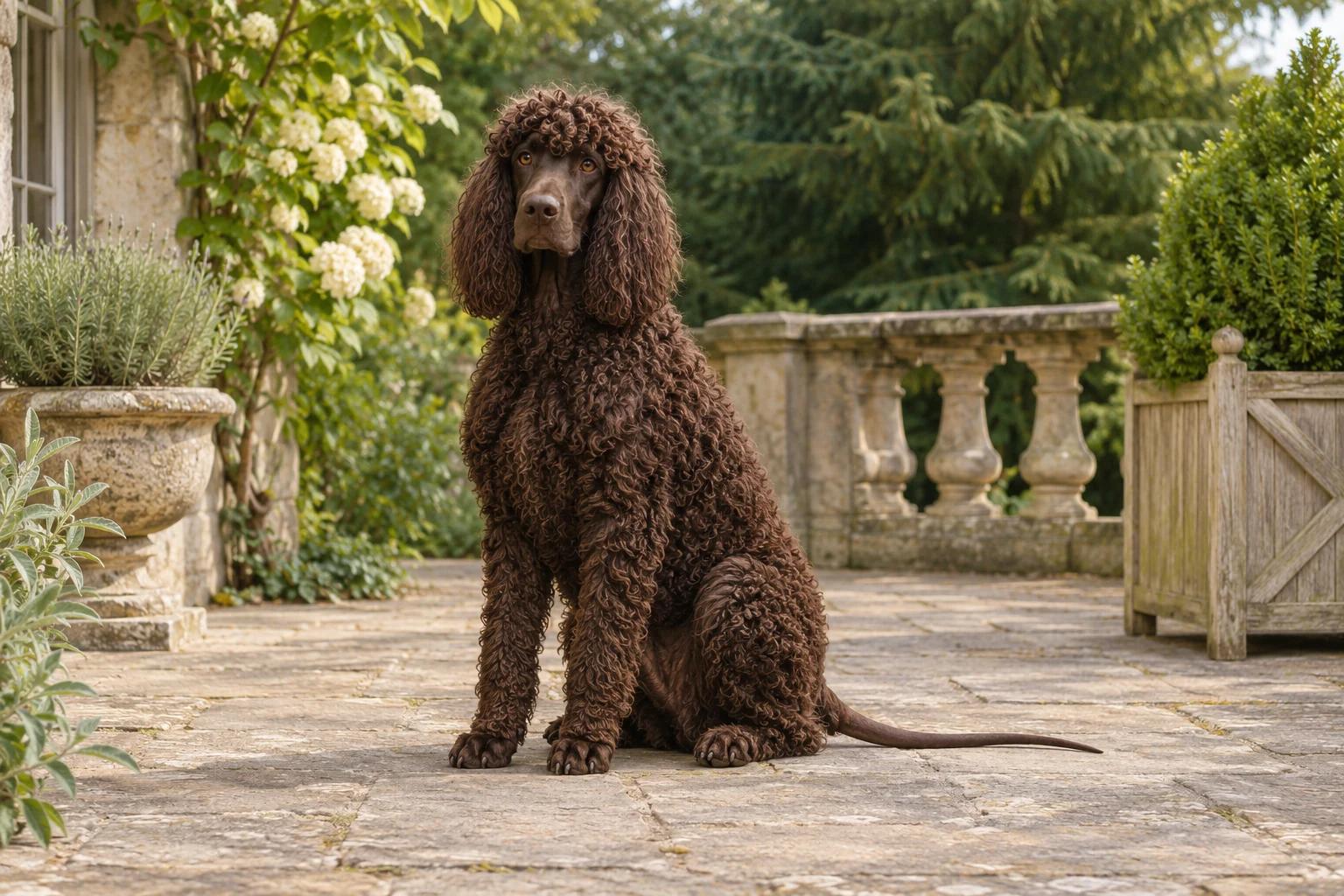
A smooth-looking tail can surprise someone meeting an Irish Water Spaniel. Its short curled base and smooth taper are part of the breed’s distinctive coat pattern.
Read article →
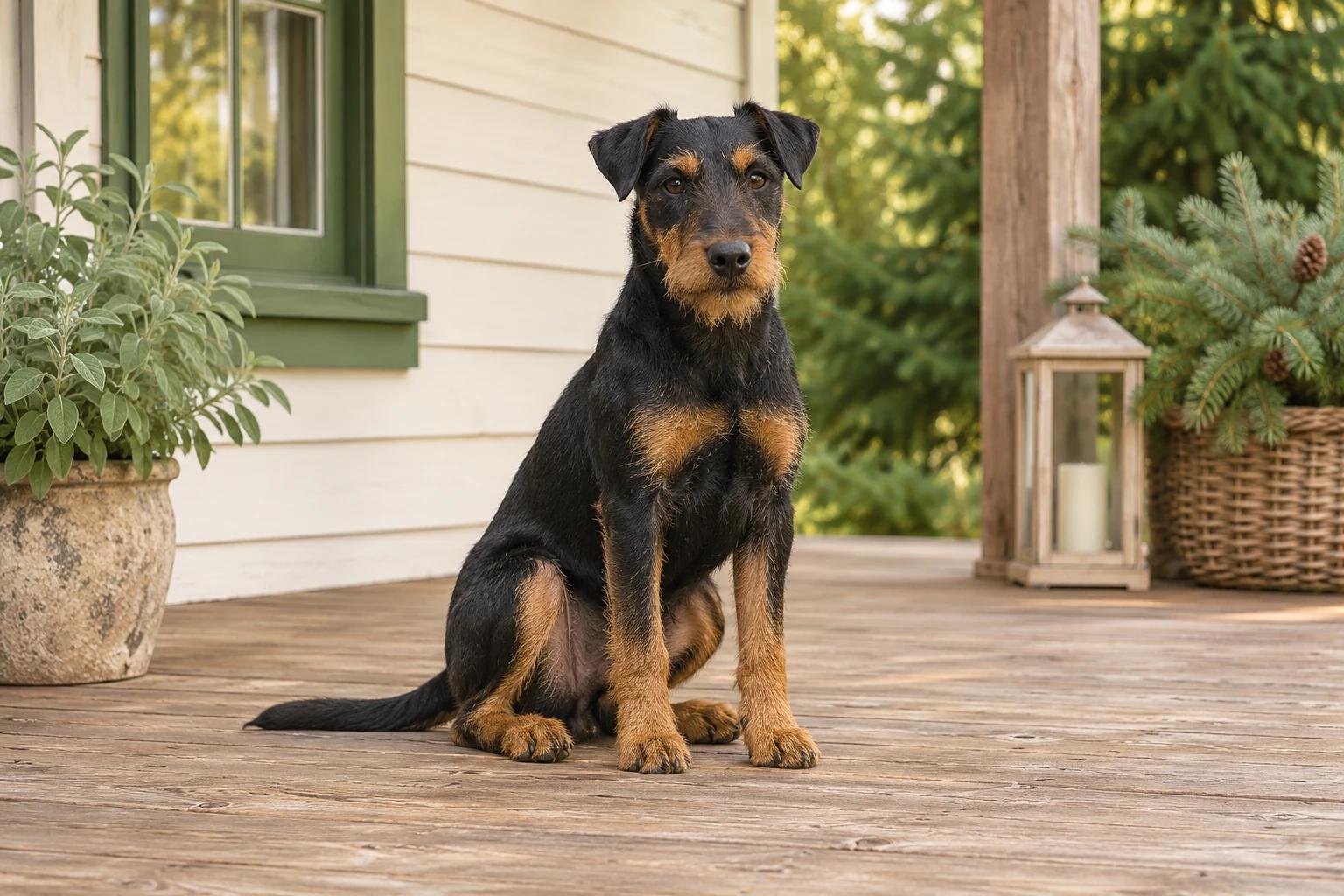
The Jagdterrier’s chest-to-height proportion explains its shape, but it does not supply an individual harness size. A worked example shows what the numbers mean.
Read article →
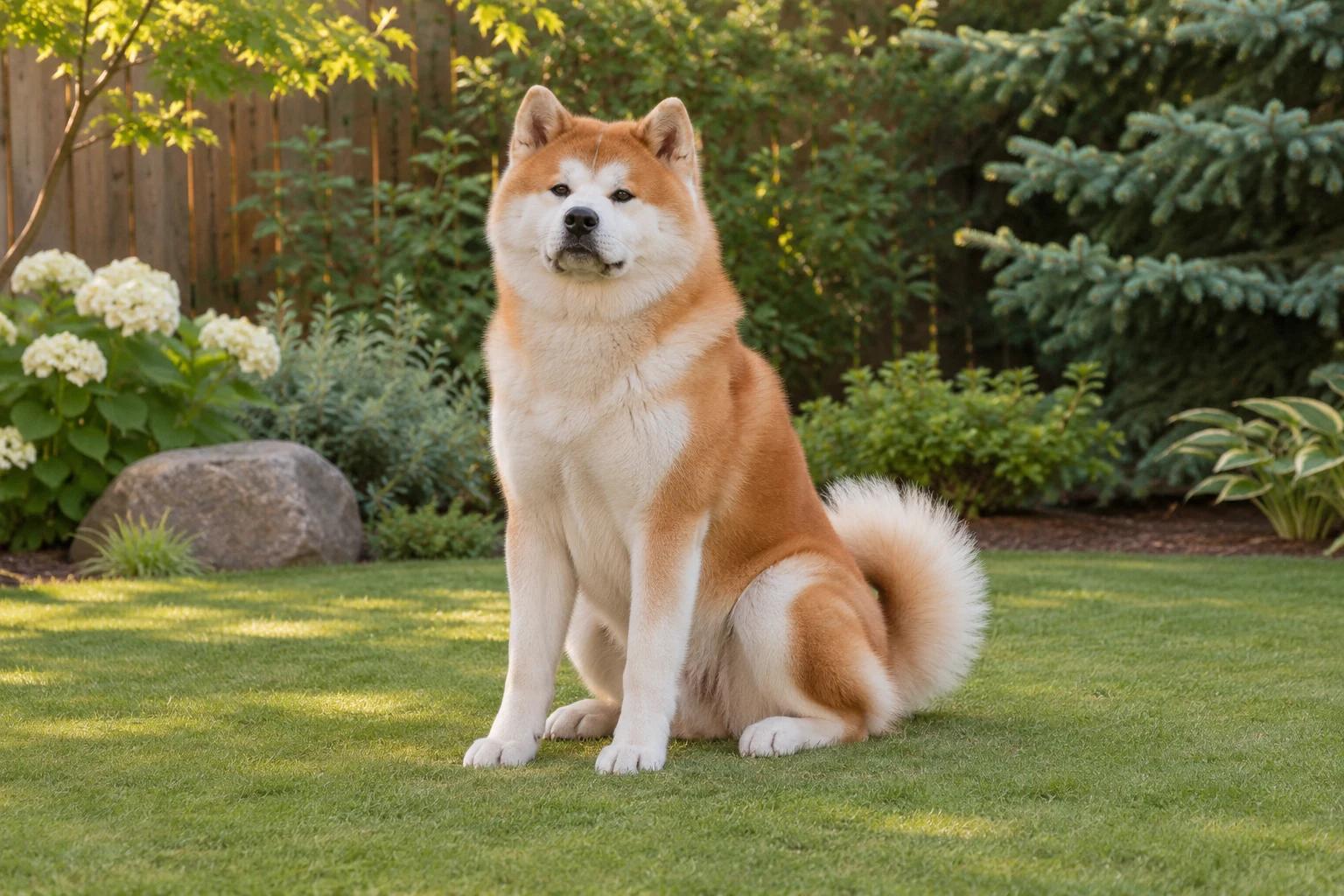
The FCI Akita standard defines urajiro by its location and exempts white coats from the requirement. It is more specific than simply having some white hair.
Read article →
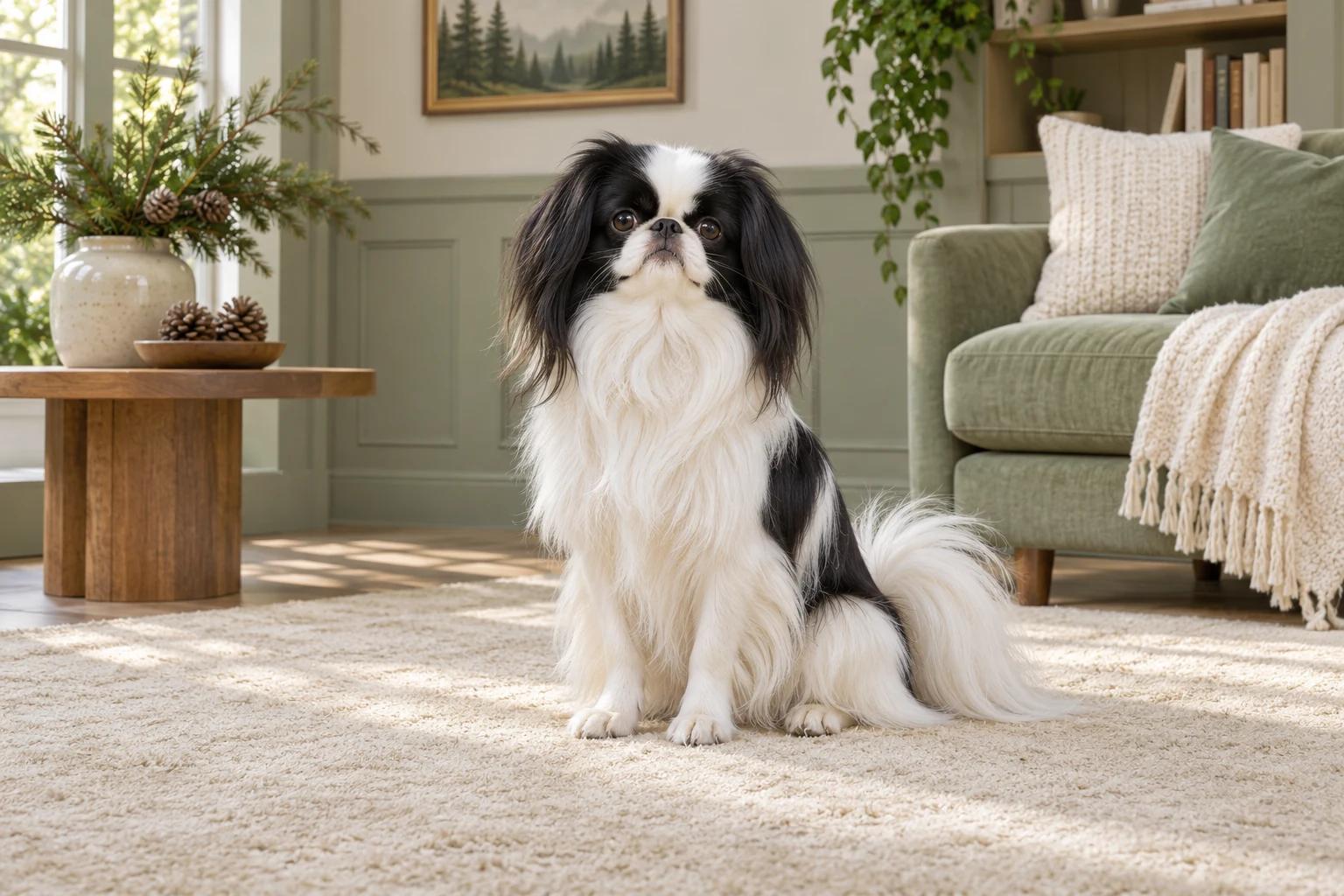
The Japanese Chin’s FCI coat section favors symmetry and a broad white blaze. Reading those preferences carefully avoids turning a portrait ideal into an absolute rule.
Read article →
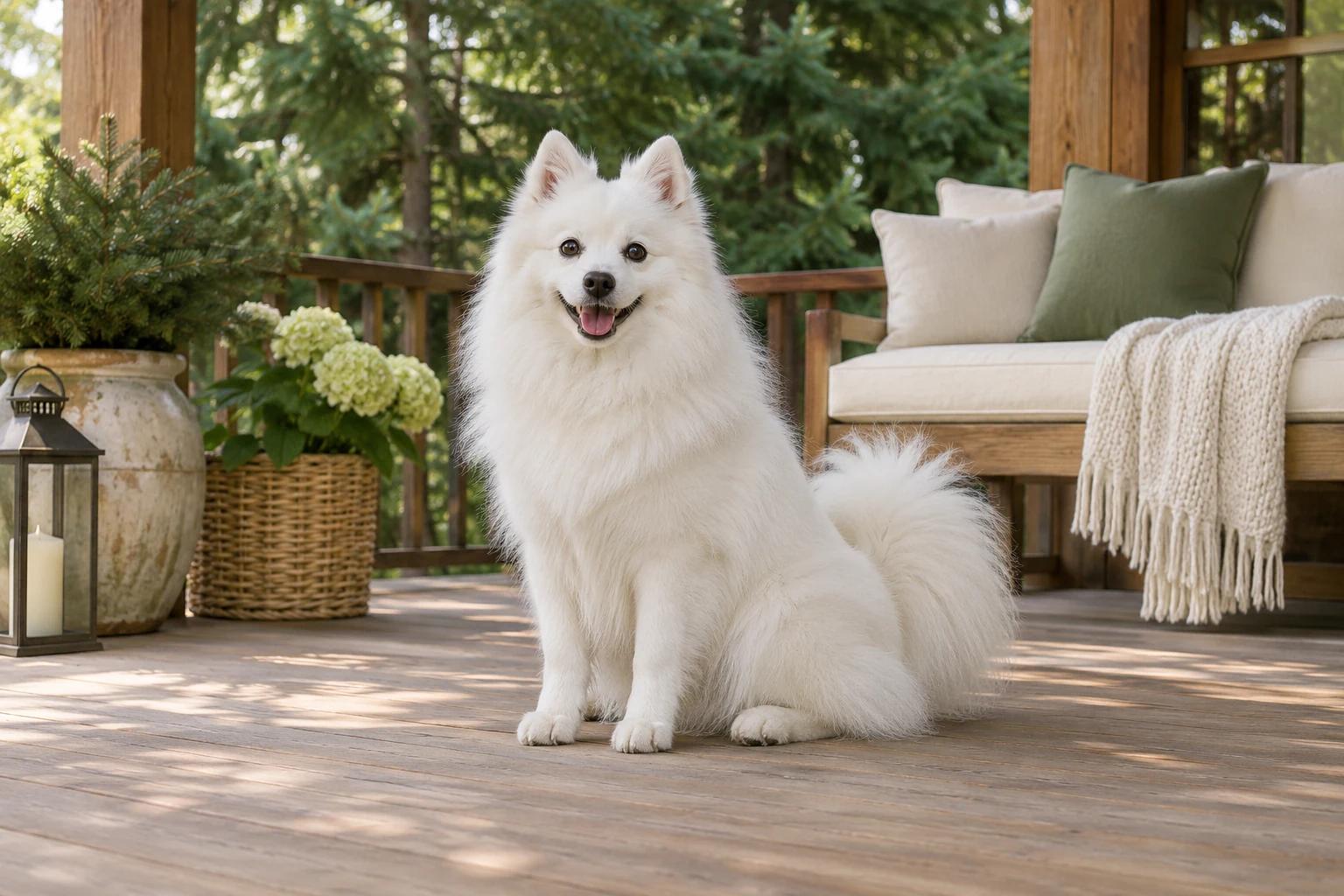
The Japanese Spitz’s FCI history describes several import routes before a unified Japanese standard in 1948. Its national name does not tell the whole development story.
Read article →
The Japanese Terrier belongs to the FCI terrier group, but its history and utilization also emphasize companionship. Its name alone does not supply a complete working story.
Read article →Get to know breeds, then consider your own everyday life.