The Hanoverian Scenthound’s job begins with a particular tracking problem
The Hanoverian Scenthound’s FCI standard centers on tracking wounded game. That specialist role needs more context than a general description of a good nose.
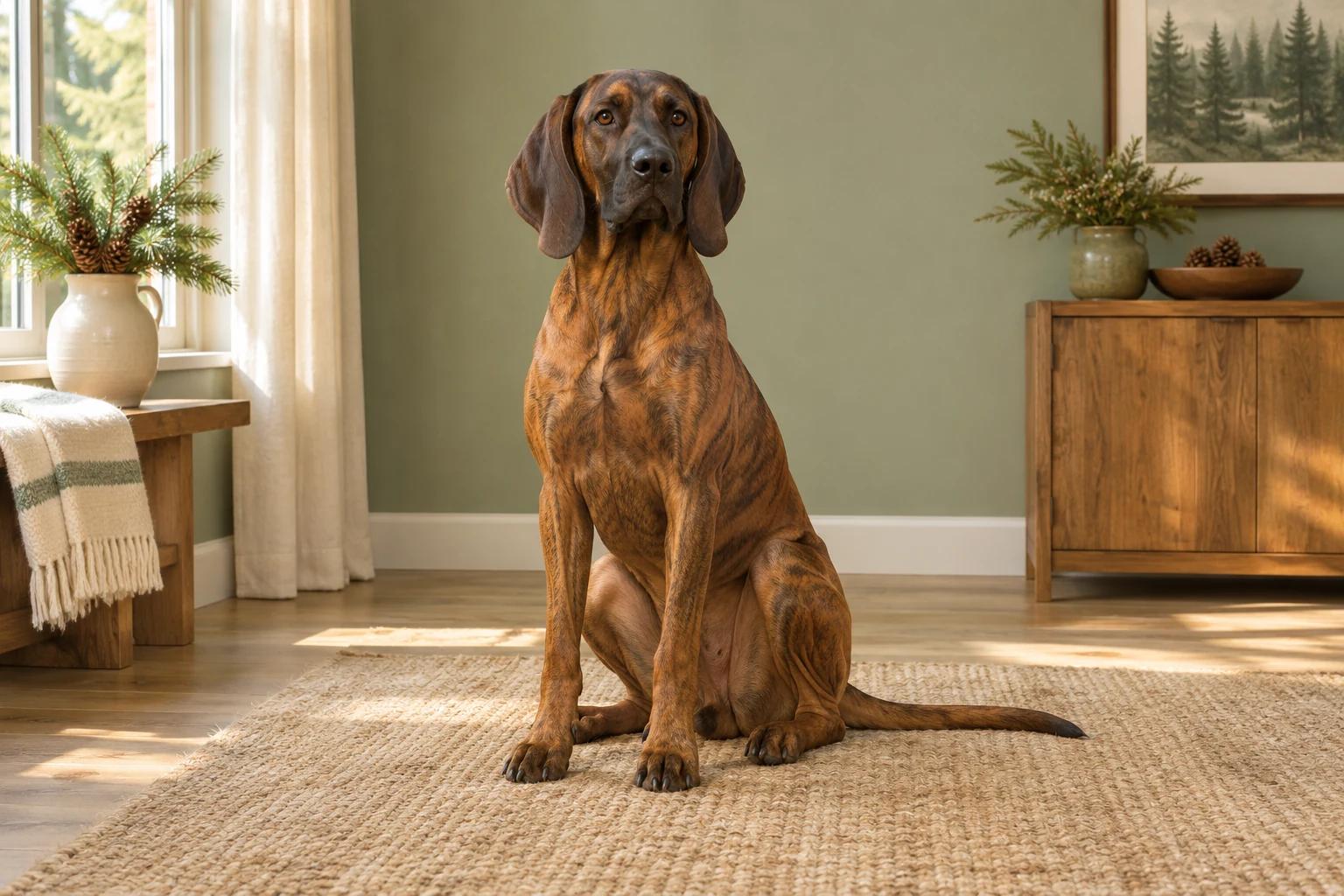
Name the task before describing the talent
The Hanoverian Scenthound’s FCI standard identifies its purpose as tracking wounded game. It places the breed among scenthounds and leash hounds, with a working trial. Its historical section also describes selection for working ability under Verein Hirschmann, which has cared for the breed since 1894.
These details give the familiar phrase good nose a specific context. The document is discussing a hunting specialist, not simply a dog that enjoys sniffing along a footpath.
Recognition and experience are separate records
A breed classification tells you the intended role. It does not tell you whether a particular dog has trained for that role, completed a trial or worked with an experienced handler. Those claims need their own records.
When someone presents a Hanoverian as a trained tracking dog, ask what work it has done, with whom and how that experience was assessed. A pedigree, a photograph and a working qualification answer different questions.
Make the placement conversation concrete
For a household placement, ask the current keeper what the dog’s actual week includes and what experience the next keeper is expected to bring. Explain your own plans equally specifically, including whether specialist work is part of them.
The breed’s working background is useful context for that discussion. It cannot settle an individual placement, establish a universal exercise allowance or turn an informal scent game into evidence of professional tracking ability.
Sources behind this article
Article source checked: October 20, 2026. Source checked 2026-10-20
Keep reading
Hanoverian Hound vs Plott Hound: Choosing a Companion
Read article →