Urajiro describes where the Japanese Akitainu’s pale coat appears
The FCI Akita standard defines urajiro by its location and exempts white coats from the requirement. It is more specific than simply having some white hair.
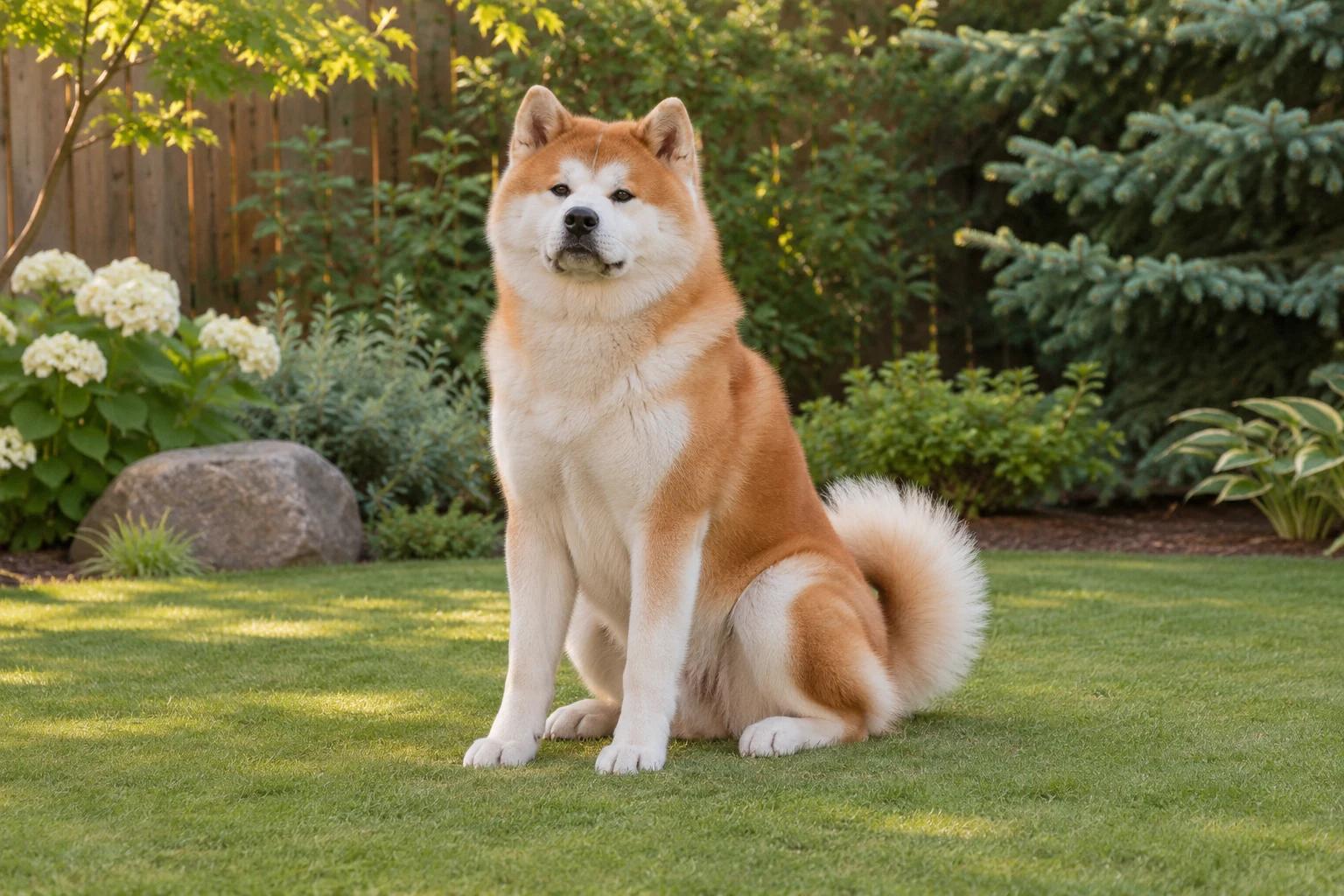
Begin with the source’s color list
For this Japanese Akitainu profile, the relevant FCI document is titled Akita, standard 255. It lists red fawn, sesame, brindle and white, and requires urajiro for the listed colors other than white. The exception belongs with the rule.
That wording makes urajiro more than an optional decorative detail for the nonwhite colors in this particular standard. It also means the same requirement should not be applied to a white coat without its stated exception.
Follow the defined areas
The standard defines urajiro as whitish coat along the sides of the muzzle and cheeks, beneath the jaw, neck, chest, body and tail, and on the inner legs. This is a distribution of pale hair, not a term for any isolated white spot wherever it happens to occur.
When studying a photograph, identify which of those areas is visible. A front portrait may show the muzzle and chest but leave the underside of the tail and inner legs out of view.
Keep the profile and the claim specific
Use the document title and number when discussing this pattern so the reader knows which standard is being explained. Do not silently transfer its wording to a separately cataloged American Akita profile.
A photograph can illustrate a visible pattern, but it cannot establish pedigree, genetic status or health. The purpose of this coat map is to explain a defined term accurately, including its white-coat exception.
Sources behind this article
Article source checked: October 20, 2026. Source checked 2026-10-20
Keep reading
Japanese Akitainu Size: Height, Weight, and Home Planning
Read article →