Why 1937 matters to the Hokkaido’s name
The Hokkaido’s 1937 natural-monument designation explains a naming milestone. It does not mean the dogs or their relationship with Ainu communities began that year.
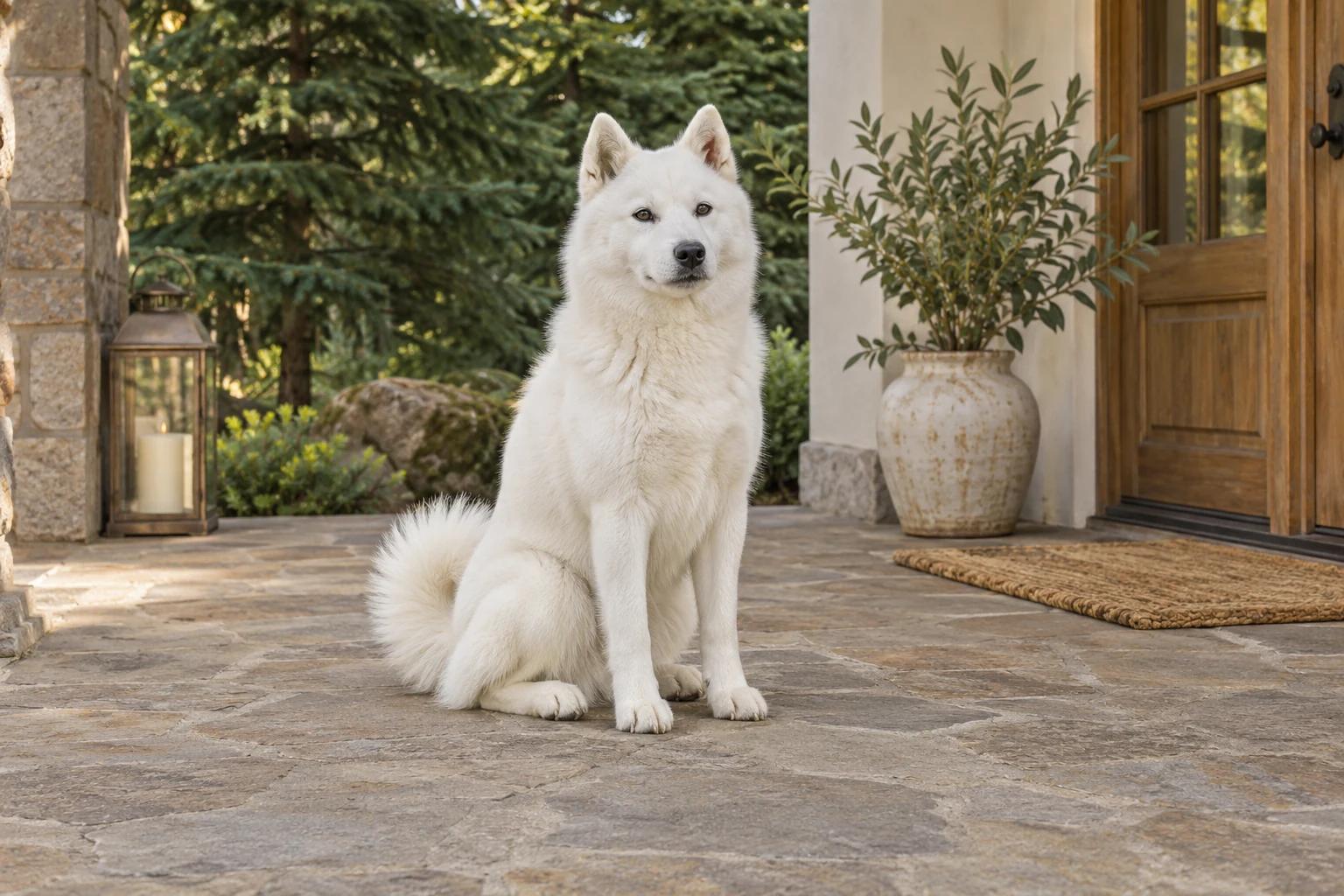
A naming milestone is not a starting date
The Hokkaido’s FCI history connects its present regional name with its designation as a natural monument in 1937. It also records the name Ainu-ken and the Ainu practice of breeding these dogs to hunt bears and other animals.
A short timeline can easily compress those details into a misleading claim that the breed began in 1937. The source instead identifies a formal designation and naming milestone within a longer history.
Keep the people in the account
Using only a place name can hide the human history the document also acknowledges. When writing a caption or introduction, distinguish Hokkaido as the regional breed name from Ainu-ken as another name connected with Ainu communities.
That distinction is more informative than treating two names as proof of two separate breeds. It also avoids presenting an official designation as the moment a community’s work with dogs first became real.
Separate the documented milestone from broader origin stories
The standard includes an earlier origin account framed as something said about the breed. This article uses the explicit 1937 milestone without treating every older historical claim as independently established. A brief breed introduction need not resolve centuries of ancestry to explain a name accurately.
For records about an individual dog, use the registered identity and pedigree rather than inferring ancestry from an alternate name alone. A historical name explains context; it does not document that individual’s family tree.
Sources behind this article
Article source checked: October 20, 2026. Source checked 2026-10-20
Keep reading
Hokkaido vs Shiba Inu: Beyond the Similar Outline
Read article →