Two separate jobs for a Central Asian Shepherd around livestock
Staying with livestock and treating them safely are separate requirements. Examine roaming, fence behavior and rough handling with an experienced guardian-dog adviser.
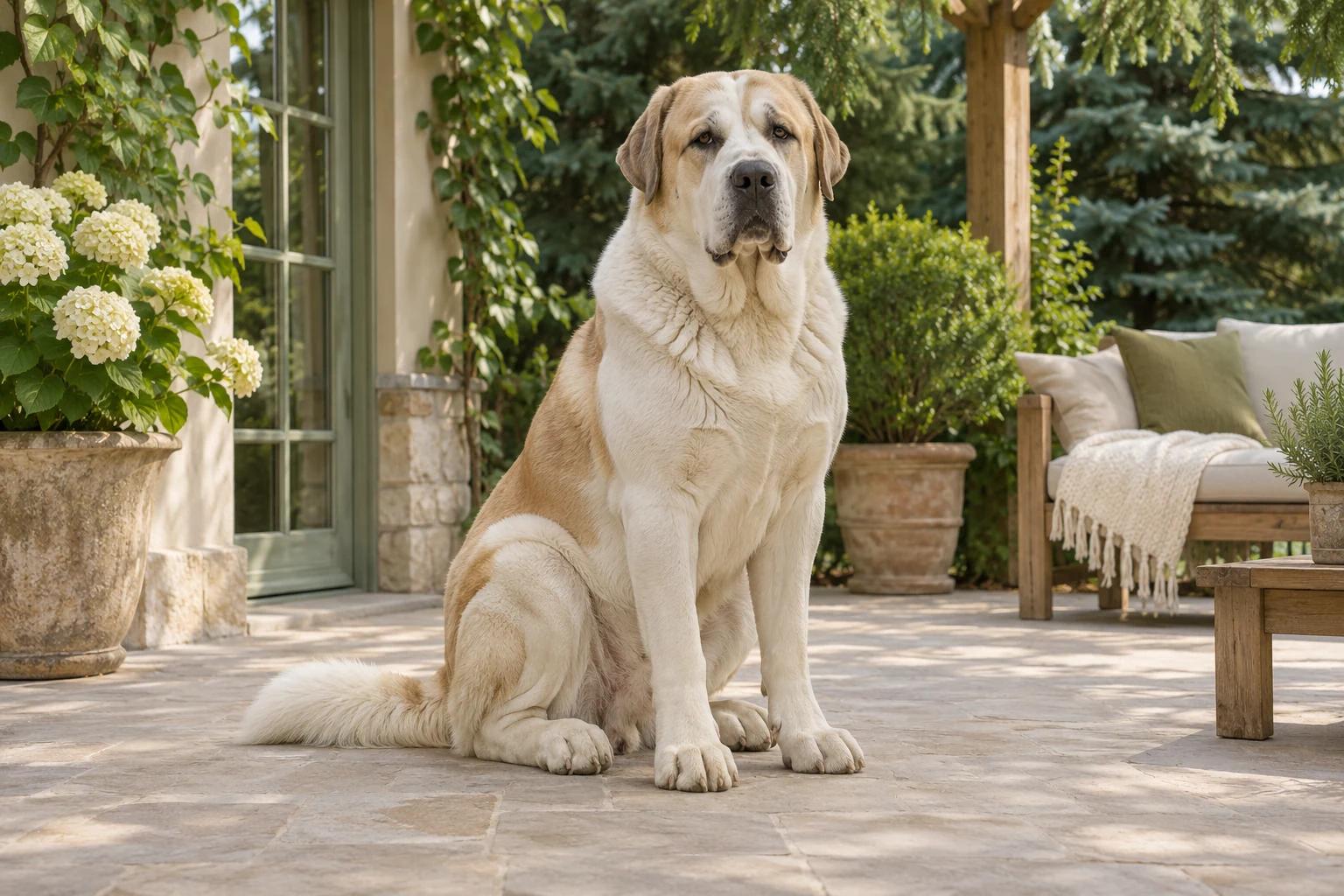
Explore the
Central Asian Shepherd Dog
Background, care, and everyday considerations.
View breed profile →Presence and safe behavior are different requirements
The Central Asian Shepherd Dog’s FCI history includes protecting herds. For a dog being considered for that work, two questions deserve separate answers: does it remain with the livestock, and does it treat them safely? University of California Cooperative Extension identifies failures in these two areas in its general livestock-guardian guidance. That factsheet is not a study of Central Asian Shepherds.
First, establish where the dog actually stays
The extension guidance describes dogs that roam beyond the stock, disregard boundary or internal fences, or prefer people’s company to remaining with livestock. These situations need different investigation. A dog at the house and a dog crossing into another pasture may both be absent from the flock, but the reason for leaving matters.
Ask the previous keeper for concrete observations: which fences contained the dog, where departures occurred and whether it left when people walked away. With an experienced guardian-dog adviser, discuss a containment plan for the actual property and who will observe the dog when livestock move between areas. Record where it spends time, rather than treating a brief visit beside the flock as proof that it stays there.
Then assess how it behaves beside the stock
Remaining in the pasture is not enough if the dog chases or handles livestock roughly. UCCE says some young dogs outgrow rough behavior, but livestock mistreatment cannot be tolerated. That calls for a response now, rather than leaving animals exposed while waiting for maturity.
Discuss supervised assessment and safe separation arrangements before introductions: who can end an interaction, where the dog and stock can be secured apart, and which experienced adviser will help evaluate what happened. Do not stage chasing to test the dog. If rough treatment persists, reconsider the guarding placement with experienced help; the factsheet identifies a non-guarding home as an option for a dog that does not outgrow it.
Keep separate notes on staying with the flock and safe contact. Improving containment does not resolve rough handling, and gentle contact during a supervised visit does not establish that the dog will remain with the stock.
Sources behind this article
- FCI standard 335: Central Asian Shepherd Dog ↗
- University of California Cooperative Extension: Livestock Guardian Dogs, 2019 ↗
Article source checked: October 20, 2026. Source checked 2026-10-20
Keep reading
Central Asian Shepherd Dog Training: Practical Skills
Read article →