Why Wachtelhund coat color cannot tell you its hunting range
The Wachtelhund’s standard records historical brown and roan breeding strains, then explicitly warns that their old working differences no longer hold.
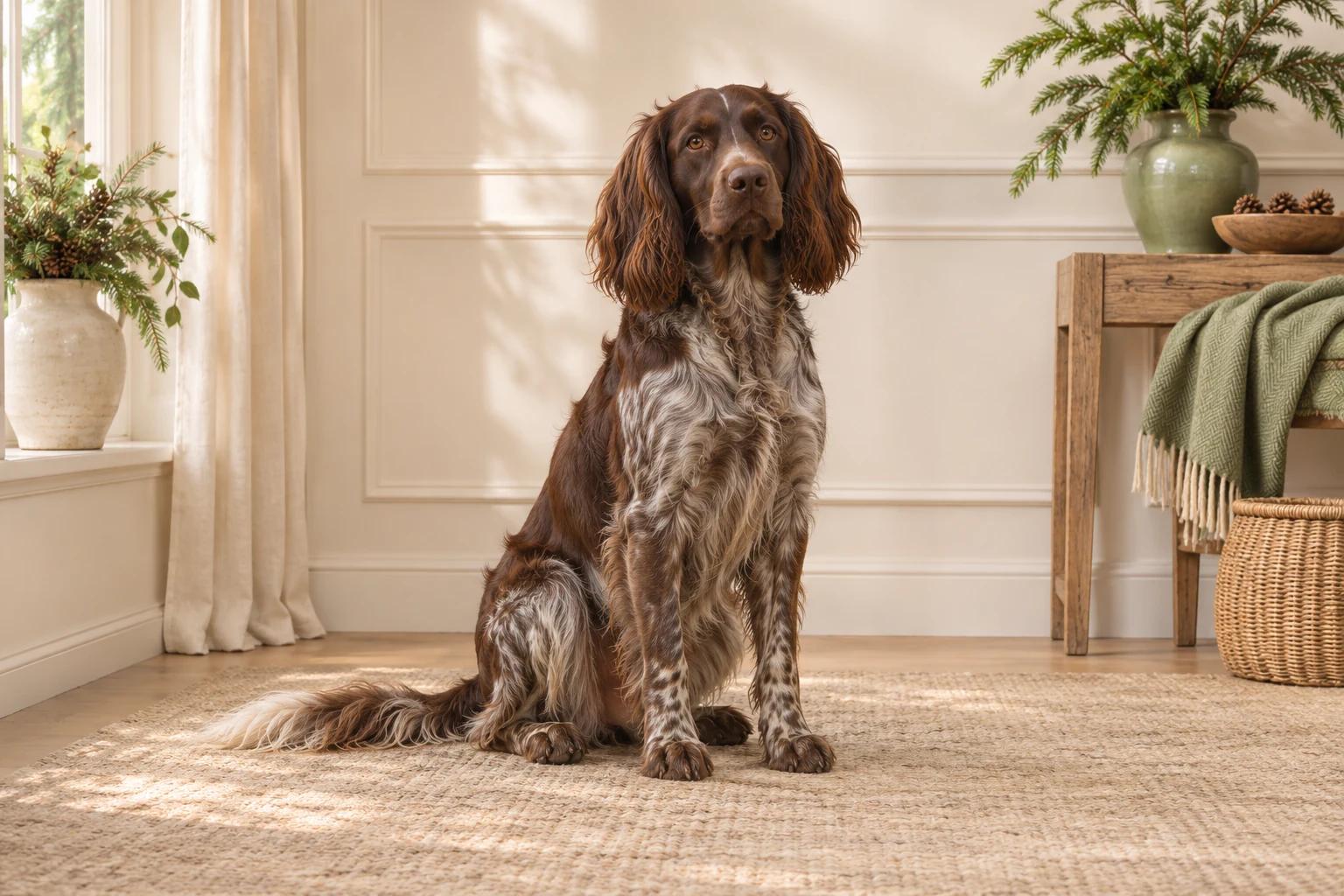
The historical distinction
The Deutscher Wachtelhund’s FCI history describes breeder Rudolf Friess keeping brown and roan strains separate. In that historical account, brown dogs were associated with closer work, while roan dogs were associated with following a track farther. It is an interesting example of color being used alongside breeding decisions about work.
Stopping there would produce a misleading modern breed tip. The same history says that, after repeated matings between the strains, those differences in disposition are no longer valid. The qualification belongs beside the story, not in a footnote that readers may miss.
What the surviving labels can tell you
The standard still discusses maintaining the color strains as separate breeding resources. That does not turn a coat photograph into a performance record. A brown puppy cannot be assumed to stay close, and a roan puppy cannot be assigned a search distance from its markings.
The practical distinction is between a population’s breeding history and evidence about a particular dog. A historical association may help explain a breeder’s vocabulary without supporting the prediction a buyer hopes to make from it.
Ask about range directly
If working range matters to your plans, ask the breeder or handler to describe observed searches: in what cover, with which handler and at what stage of training? Ask how the dog maintains contact and how its behavior changes between familiar and unfamiliar ground. Those questions request evidence about the actual work.
Keep coat preference and working assessment on separate lines in your notes. The breed’s own historical account gives a clear reason not to let the first answer stand in for the second.
Sources behind this article
Article source checked: October 20, 2026. Source checked 2026-10-20
Keep reading
Wachtelhund Temperament: Assessing the Everyday Fit
Read article →