The Norwegian Buhund’s name points to a farmstead
Buhund means farmstead dog in the FCI history. That context offers a useful starting point for discussing the breed’s working background.
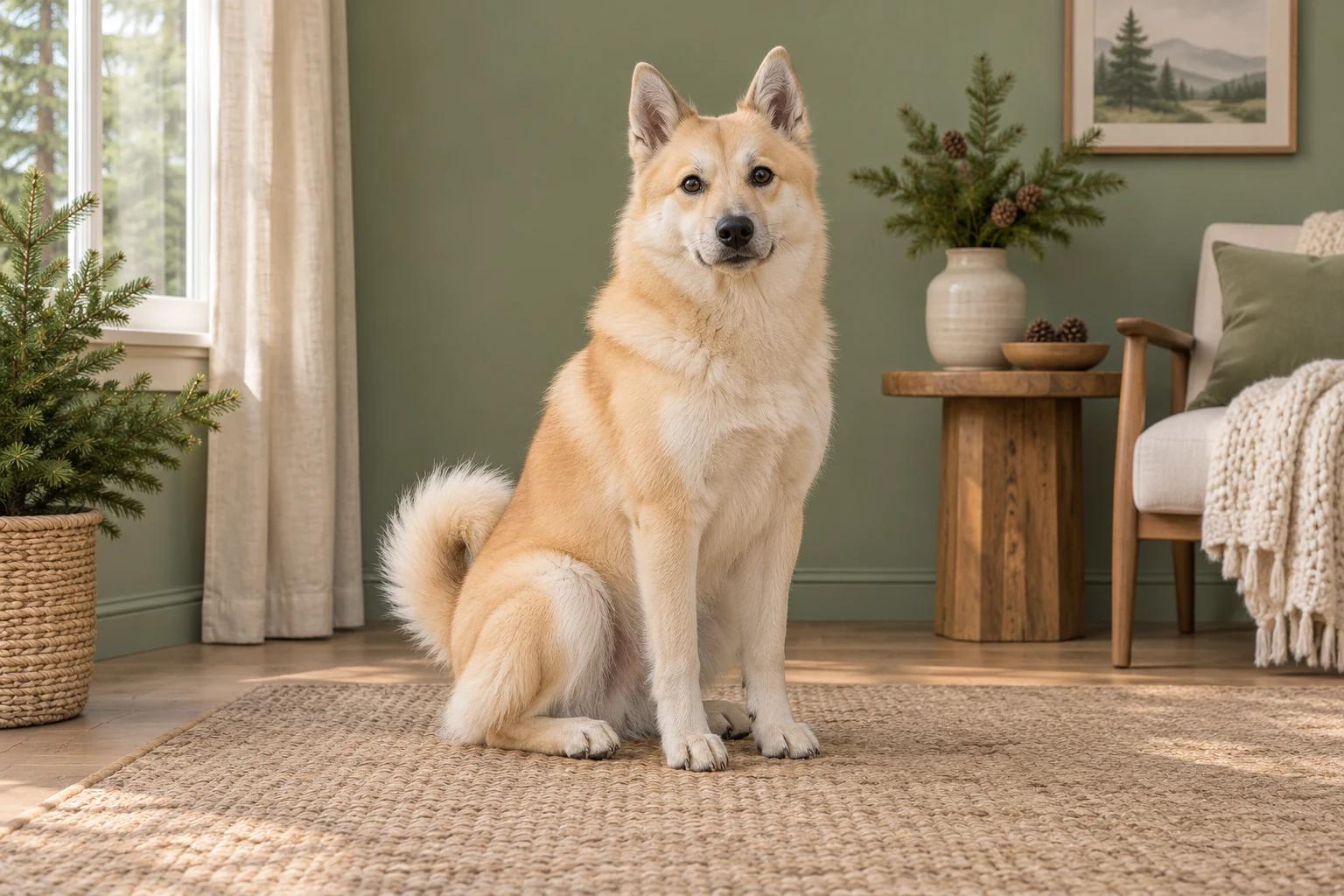
A name connected to everyday work
The Norwegian Buhund’s FCI history translates buhund as farmstead dog. It describes a versatile breed used by farmers mainly for guarding and herding. That gives the name a practical setting: work around a household and its livestock, rather than a single isolated task.
The same account dates the Norwegian Kennel Club’s first approved standard to 1926. The older working background and the formal written standard are different milestones.
Bring the background into an owner conversation
When meeting a Buhund keeper, ask how their dog spends time with people during an ordinary day. Which activities do they do together? What has the dog learned? How does the keeper arrange rest, company and time apart? Ask for actual examples rather than assuming farmstead means the dog will automatically organize its own day.
These are planning questions inspired by the working context. They do not establish a required acreage, an exercise quota or a promise that a particular dog will suit every busy household.
Treat ancient history with its qualifiers intact
The standard says the breed type probably existed before the Viking Age. Preserve that probability when retelling the story; do not turn it into proof of an unchanged modern pedigree. The most useful part of the name for a prospective owner is the invitation to discuss a shared daily routine.
Sources behind this article
Article source checked: October 20, 2026. Source checked 2026-10-20
Keep reading
Norwegian Buhund vs Icelandic Sheepdog: Choosing Well
Read article →