The Old Danish Pointer’s working description values a deliberate pace
The Old Danish Pointer is described as progressing relatively slowly while maintaining contact with the hunter. That is working style, not a promise of low activity.
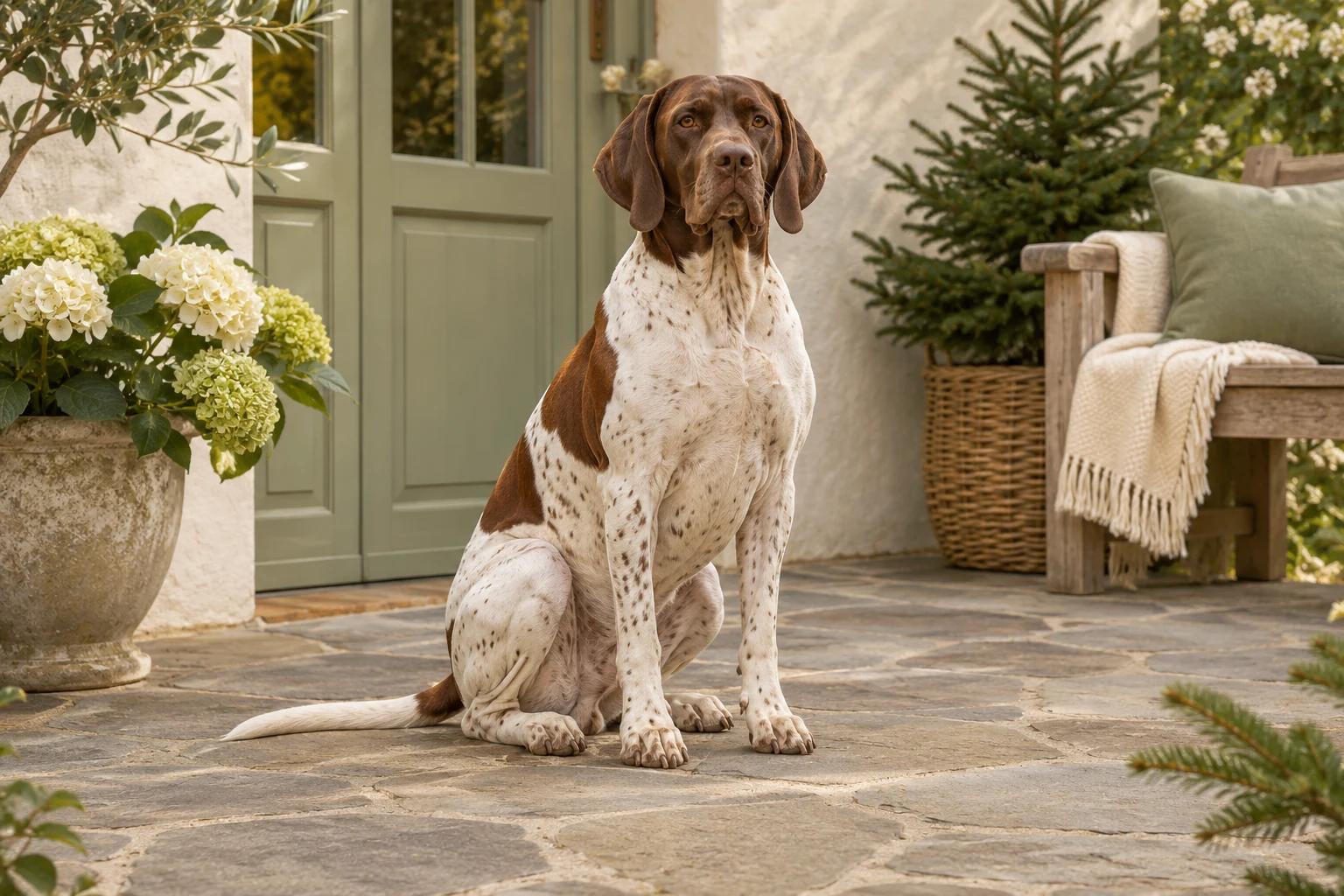
Slow is not the same as disengaged
The FCI Old Danish Pointing Dog standard describes a hunter that progresses relatively slowly, maintains contact with the hunter and avoids unnecessary disturbance of the ground. Read together, those details describe how the task is carried out. They do not describe a dog that has no work to do.
That distinction matters when a prospective owner encounters the word slow in a breed summary. Removing it from the hunting context can create a misleading impression of the dog’s everyday needs.
Ask to see the partnership
If you have an opportunity to watch an appropriate demonstration, ask the handler to explain how the dog checks in and how the search develops. Pay attention to the interaction rather than measuring the outing only by speed or distance. A useful explanation should make the handler’s role visible too.
Translate carefully into home planning
For a companion placement, ask about the individual’s current walks, training, rest and response to outdoor distractions. Request a recent example of a normal day. Those observations are more useful than assuming a deliberate hunting style means an undemanding pet.
The standard offers a picture of traditional work. It does not supply a daily exercise duration, a recall guarantee or evidence that every Old Danish Pointer will prefer the same activities.
Sources behind this article
Article source checked: October 20, 2026. Source checked 2026-10-20
Keep reading
Old Danish Pointer temperament: living with a steady gundog
Read article →