Working Kelpie training
Build Working Kelpie training with precise communication, a comfortable down, a gradual stay and positive experiences beyond familiar surroundings.
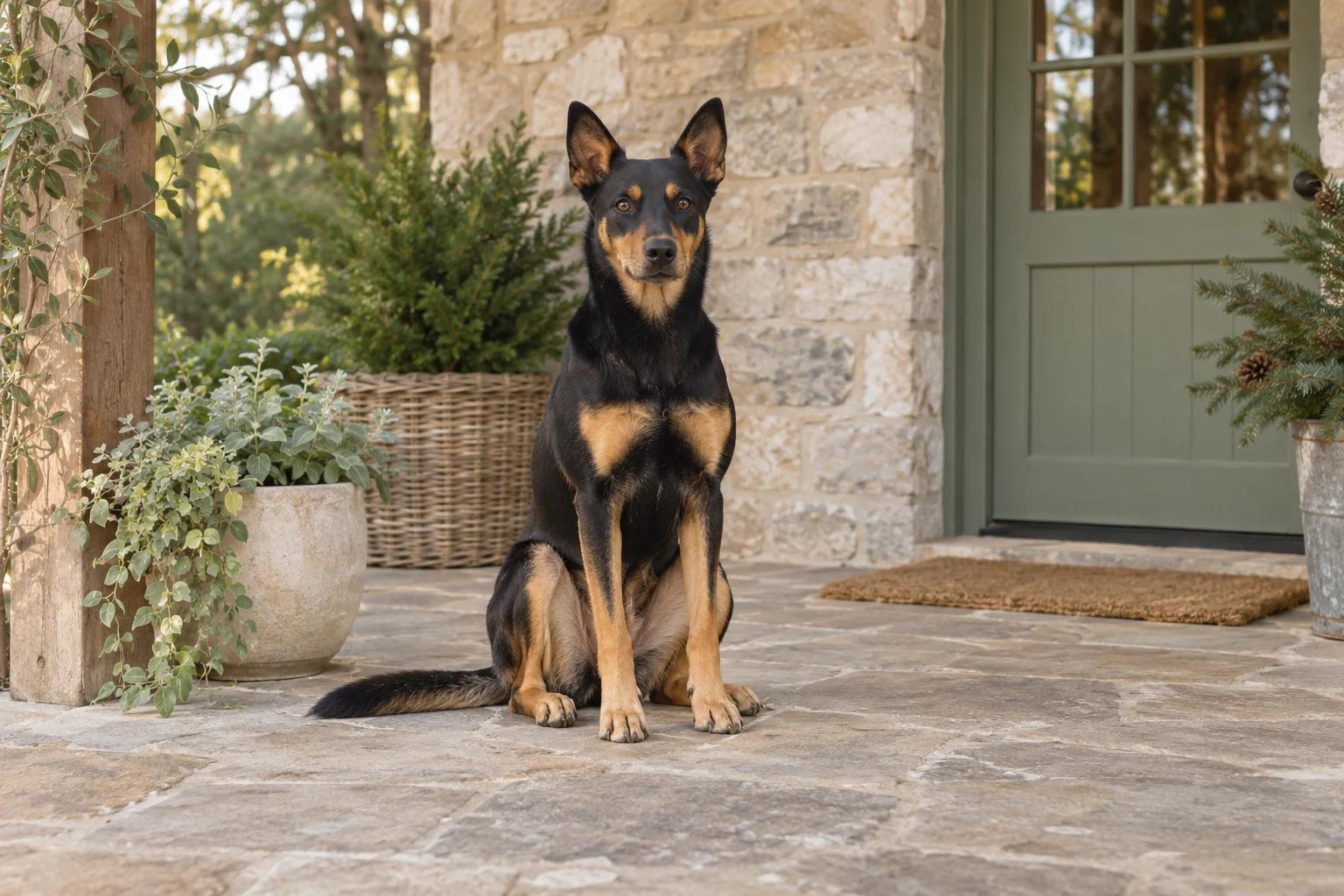
Working Kelpie training is an everyday part of ownership, not something reserved for a future working career. The current Working Kelpie profile describes a responsive learner with a substantial need for mental engagement. That gives an owner plenty to enjoy, but it does not remove the need to teach each skill. A dog that likes learning still needs to discover what your particular words and movements mean.
Working Kelpie training: make the request precise
The Council's historical account Kelpies Respond to Body Language describes handler Jack Body using a quiet voice and asking for precise movement. A small approach and a complete return were not treated as the same request. The account is useful for its attention to communication, rather than as a demand to reproduce a particular stock-training method at home.
For a companion Kelpie, decide what a cue actually asks the dog to do. “Closer” could mean moving toward you, while a separately taught position could mean arriving beside your leg. If the expected result changes every time, the dog cannot identify the same successful action consistently.
Your movements matter as well. Leaning, stepping away or extending a hand can become part of what the dog notices. Be aware of those signals instead of assuming that only the spoken word counts. Precision is not loudness. An understandable request at an appropriate level of difficulty is more useful than repeating an unclear instruction with increasing force and expecting the extra volume to supply its missing meaning.
Teach a down without physical pressure
Dogs Trust's down lesson begins with a dog that already understands sitting. Show a treat, then move the hand toward the ground in front of the paws. Mark and reward the dog for following into a down. If the whole movement is not offered, reward a smaller movement toward the floor and build from there.
Once the action is familiar, practise the hand movement without food in that hand, while still rewarding success. Add the verbal cue before the gesture when the dog reliably follows it. The word then becomes associated with an action that already makes sense.
For an eager Kelpie, this is a useful exercise in teaching one definite position rather than encouraging a rapid collection of guesses. Keep the movement easy to follow. Do not push the dog's back down or hold it in place. If the dog is not completing the movement, make the lesson smaller rather than using your hands to manufacture the finished posture. The useful achievement is an action the dog understands and offers willingly.
Build the stay beside you before moving away
Dogs Trust's stay guidance starts in a quiet, familiar place. Reward the dog in a comfortable sit or down, then introduce a very short pause before rewarding again. Build duration while remaining beside the dog before adding movement away.
When movement is introduced, begin with something as small as a slight lean, then return and reward. Progress to a single step and return. Deliver the reward while the dog is still in the chosen position, rather than after it gets up to meet you. Later, vary manageable durations instead of always making the exercise longer.
Working Kelpie obedience benefits from this clear separation of tasks. Remaining still while a person moves is different from following that person. A dog that gets up may need a shorter interval or a smaller movement, not a reprimand. Start easier again in a new place. A stay learned in the kitchen is not automatically the same challenge beside outdoor activity, and distance should not increase simply because yesterday's indoor practice went well.
Make new experiences positive and manageable
The AKC's puppy-socialization guidance includes new sights, sounds, smells, surfaces and different people. It recommends positive associations and small steps rather than overwhelming a puppy with a crowded event. Ask your veterinarian which outings are appropriate for your puppy before using public places.
Working Kelpie socialization therefore includes more than meeting other dogs. Walking on an unfamiliar safe surface, seeing a person with an umbrella or hearing a household sound can all be part of learning about the world. Present these experiences at a level the puppy can handle, pairing them with pleasant interaction rather than treating exposure as an endurance test.
Avoid introducing several difficult novelties at once. A quiet encounter with one unfamiliar person is a different experience from being surrounded by a group. An adult Kelpie can also continue learning positive associations with new surroundings. The goal is not to collect the largest possible number of encounters, but to give the dog useful experiences that are understandable and manageable. Seek individual professional help when an experience is persistently difficult.
Fit learning into the Kelpie's wider day
The current profile recommends daily learning alongside physical activity. A lesson should therefore not become the only event offered to an otherwise inactive dog. Equally, a long outing does not teach a new word by itself. Physical movement and understanding an instruction are different parts of the day's experience.
When considering how to train a Working Kelpie, think about what the individual already knows rather than assuming that its breed rating is a record of completed lessons.
Keep the dog's current knowledge in view. An adult with a substantial working history may still be unfamiliar with a particular household routine. A young companion may have practised indoors but never encountered the setting you now want to use. The existing article on matching a dog to stock work addresses specialized selection; it should not be mistaken for a complete companion-training program. The dog quiz can help you consider the broader ownership commitment before choosing this breed.
Frequently asked questions
Does a responsive Working Kelpie need lessons every day?
The current breed profile includes daily learning in its care description. That does not mean a long formal class every day: familiar practice and new teaching can form part of ordinary shared time, alongside the dog's other activities.
Does the breed's adult weight tell me how much training it needs?
No. The current 28–60-pound adult range describes size, not education. A smaller individual does not automatically require less teaching, and the upper end of the range is not a training target.
Can I infer household manners from the breed name?
No. The label does not establish whether an individual knows your cues or has lived with your routine. Learn what that dog already understands instead of treating breed responsiveness as evidence of completed training.
Sources behind this article
- WKC Kelpies respond to body language ↗
- Dogs Trust lie down training ↗
- Dogs Trust stay training ↗
- AKC puppy socialization ↗
Article source checked: November 16, 2026. Source checked 2026-11-16
Keep reading

Affenpinscher Training: Build Useful Everyday Habits
Read article →