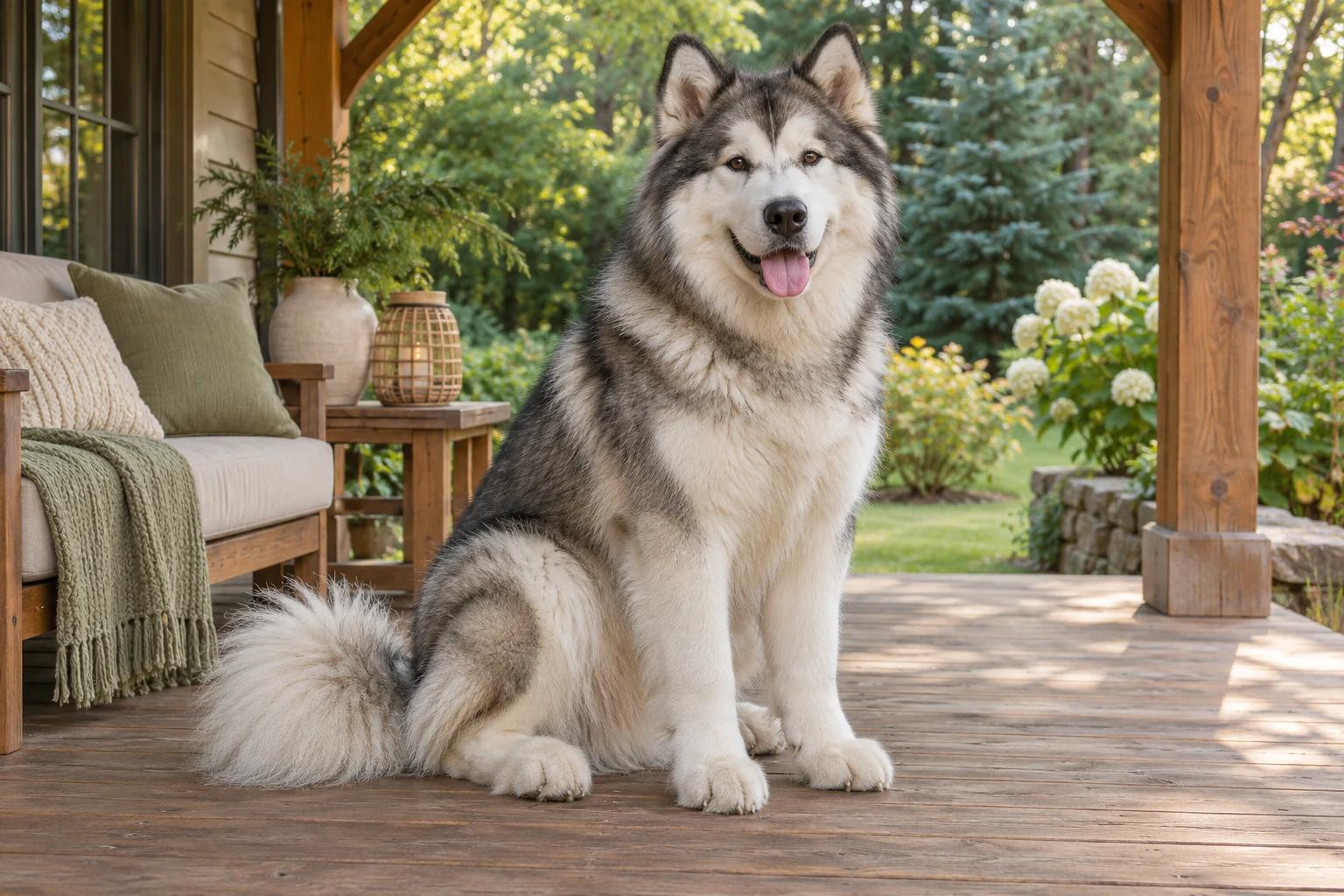
Affenpinscher Training: Build Useful Everyday Habits
Build an Affenpinscher training plan for house training, everyday manners, and clear household routines, with practical steps to get started.

Affenpinscher training works best when you decide what you want daily life to look like, then teach those skills in small, understandable pieces. A dog that waits while a lead is attached, comes away from a doorway, and settles nearby has learned something useful. You do not need a long trick list to make a meaningful start.
The Affenpinscher breed profile gives the wider picture of this small companion. The AKC describes an inquisitive, engaging companion, but your training plan should respond to the dog in front of you rather than a reputation for being clever, stubborn, or entertaining.
Affenpinscher training begins with clear priorities
Pick three household situations that currently matter most. For a new arrival, these might be toilet trips, getting ready for walks, and resting while you work. For an adult dog, they could be greeting visitors, responding outside, and remaining comfortable during grooming.
Write each goal as something the dog can do. “Stop being difficult at the door” is hard to teach. “Stand on this mat while I pick up the lead” gives you a practical destination. It also helps everyone in the household recognize the same successful behavior.
VCA's training guidance favors rewarding wanted behavior and arranging manageable practice over waiting for mistakes and punishing them. Keep that principle at the center of your plan. Your job is to make the requested action clear and worthwhile, not to win a contest with a small dog.
Use one household vocabulary
Agree on a few words and gestures. If one person says “down” for lying down and another means getting off the sofa, the dog receives two different lessons. Write the agreed words beside the household routine so visitors and family members can follow them too.
Decide which rules matter before practicing. Are dogs invited onto furniture? Where should the dog wait while the outside door opens? Consistency is easier when people have settled those questions with each other first.
How to train an Affenpinscher without endless repetition
Start in an easy setting, teach a small step, and reward promptly. VCA recommends brief sessions and gradually practicing skills in different places. A response learned in the kitchen is not automatically ready for a busy pavement.
Imagine teaching your dog to come to you indoors. Begin nearby, where little else is happening. Once that is familiar, change just one feature: another room, a little more distance, or one mild distraction. This is a proposed practice progression, not a deadline. Move forward when the present version is comfortable.
Keep a simple note after practice: what you asked, where you asked it, and whether the dog understood. “Came across the living room when it was quiet” is more useful than “recall is done.” It tells you what to practice next without overstating the result.
If a session is not working, make it easier or stop. Repeating the same cue louder does not explain the missing step. Check whether the setting, reward, or task changed, then return to a version you can teach clearly.
Affenpinscher house training needs a household system
For Affenpinscher house training, start by agreeing where the toilet area is and who is responsible for taking the dog there. A household can be trying very hard while still leaving gaps because each person assumes someone else handled the last trip.
Use a shared record during the early stages. Note outings and accidents without blame. The purpose is to spot practical patterns, such as a handover between people or a period when supervision becomes difficult. Set a routine around the individual dog's needs rather than expecting a particular birthday to make training complete.
Reward successful outdoor toileting and supervise indoors so that you can offer appropriate opportunities. Arrange a manageable space when you cannot watch closely. This is organization, not punishment: the aim is to reduce confusing choices while the routine becomes familiar.
For example, a person working from home might pair the dog's outings with specific transitions in their day and assign cover during meetings. Someone working away from home needs a realistic care arrangement rather than a schedule that depends on the dog waiting longer than it can manage.
Do not turn accidents into a test of character. If toileting changes suddenly, seems uncomfortable, or raises a physical concern, talk with your veterinarian. A trainer can help with the learning routine, but cannot determine the cause of a medical problem.
Affenpinscher obedience should support real life
Think of Affenpinscher obedience as communication that makes ordinary moments easier. Choose a handful of useful skills and decide where each will be used.
- A place to wait: useful while you prepare a meal or answer the door.
- Coming toward you: useful before moving between rooms or leaving an activity.
- A pause for equipment: useful when attaching a lead or harness.
- Comfort with handling: useful for routine coat care and appointments.
Practice these separately before expecting them in a busy sequence. Preparing for a walk can involve shoes, keys, a door, equipment, and exciting sounds. If the whole sequence is difficult, rehearse the equipment step on its own at a quieter moment.
Keep expectations proportionate. A skill that works once is a promising beginning. A skill that works across several ordinary situations is a stronger foundation. Neither is a reason to remove sensible supervision or rely on an untested response near traffic.
Build a plan you can keep using
Choose a few natural practice opportunities rather than scheduling an elaborate daily lesson. One person might practice waiting while the kettle boils; another might rehearse coming between two quiet rooms. Keep these opportunities short enough to repeat without resentment.
Discuss rewards with everyone involved so that training does not become an unplanned stream of extras. If you have questions about food choices or portions, talk with your veterinarian. Enjoyable play or attention can also be part of a dog's reward picture, depending on what that individual values.
When you need help, look for a trainer who can explain their methods, demonstrate manageable steps, and involve the household. Bring your notes and describe the setting in which problems occur. That is more helpful than asking someone to fix “stubbornness.”
Still comparing breeds? Use the dog matching quiz to consider your training experience and daily routine. For a different side of this breed, explore the story behind the Affenpinscher's name. An appealing expression may draw you in, but a workable everyday routine is what helps you live together.
FAQ
Are Affenpinschers easy to train?
An Affenpinscher's progress depends on the individual dog, the skill, and the teaching setup. Clear cues, rewarding wanted behavior, and manageable practice are more useful than an easy-or-hard label. Start with everyday priorities and adjust the task when your dog does not understand.
How long does Affenpinscher house training take?
There is no reliable breed-wide deadline for house training. Keep a consistent toilet routine, supervise appropriately, and record patterns so the household can adjust. If progress changes suddenly or there are physical concerns, talk with your veterinarian rather than assuming the dog is refusing to learn.
What should I teach an Affenpinscher first?
Start with skills that help your household immediately, such as a toilet routine, coming toward you indoors, and calmly preparing for walks. Teach one small step at a time. The best first skill is a useful one you can practice consistently in an easy setting.
What if my Affenpinscher ignores a cue?
Check whether the setting is too distracting or the dog understands the cue in that situation. Make the task easier and reward a clear response rather than repeatedly increasing your volume. If the difficulty continues, a reward-based trainer can help you identify the missing step.
Sources behind this article
Article source checked: November 14, 2026. Source checked 2026-11-14
Keep reading

Akita Training: Practical Skills for Everyday Cooperation
Read article →