Choosing a Working Kelpie starts with describing the actual stock work
The Working Kelpie Council’s selection advice distinguishes yard and paddock work. A clear description of your stock, ground and tasks makes a more useful starting point than all-rounder.
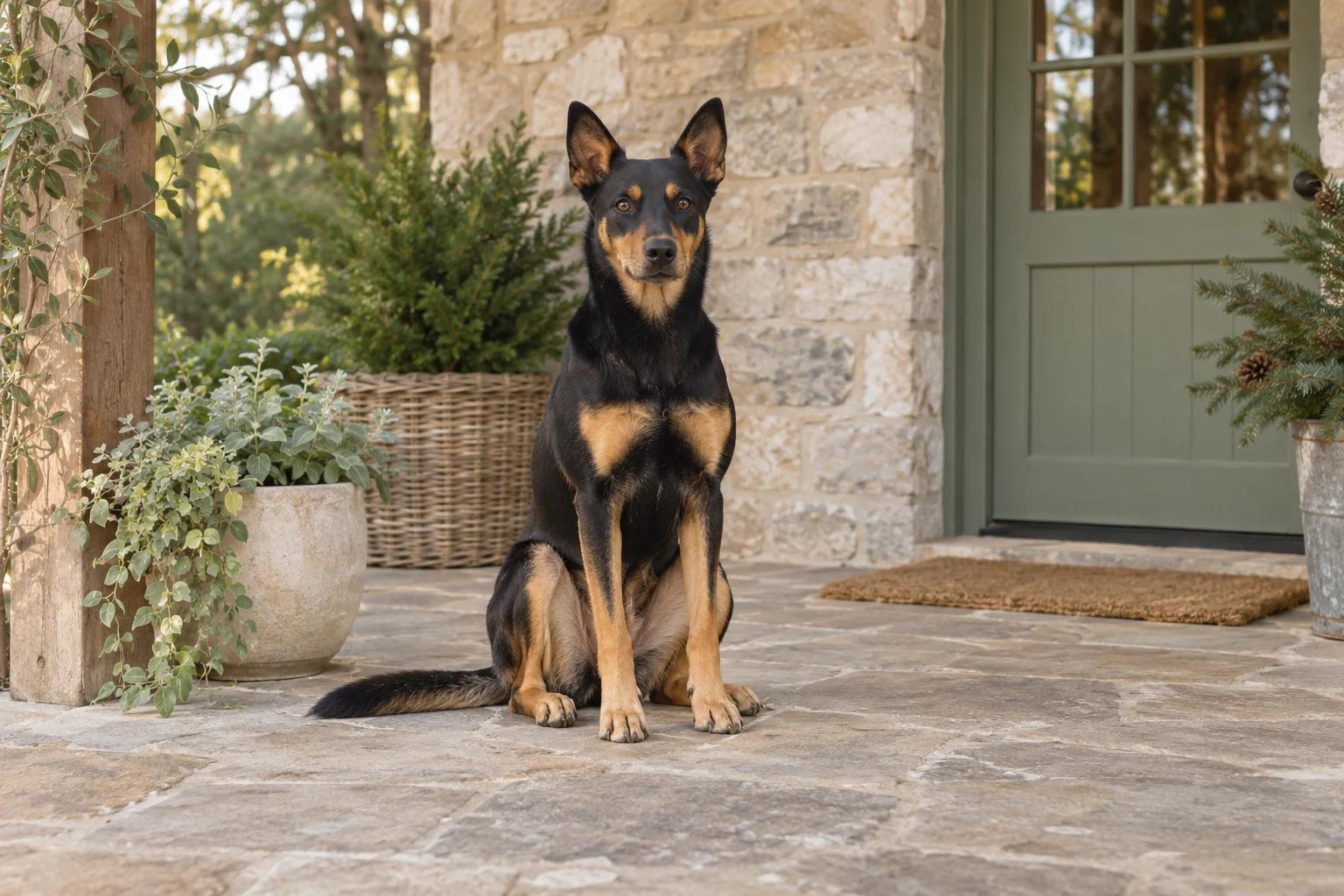
Give the job a concrete description
The Working Kelpie Council publishes advice by the late Mike Donelan that asks prospective owners to distinguish yard work from paddock work. It also recommends seeking dogs whose work resembles the buyer’s own conditions. The useful principle is to define the task before treating working ability as one interchangeable quality.
Bring a task list to the conversation
Describe the stock you handle, the ground you cover and the jobs that occur on an ordinary day. Include where another dog or person already helps and where a new dog would fit. This makes it easier to discuss relevant experience rather than simply asking for a good dog.
Ask the keeper to explain what the individual has actually done, with which handler and under what conditions. A successful demonstration is worth understanding in context; it does not automatically establish readiness for every different setting.
Separate existing skills from future expectations
For a young or inexperienced dog, write down what remains to be taught and who will support that training. Avoid converting family reputation or a broad working label into a guarantee of finished skills.
The Council’s job-focused advice provides a useful opening for those questions. A practical match still depends on the particular dog, the handler and the work proposed, rather than on the promise of a universal all-rounder.
Sources behind this article
Article source checked: October 20, 2026. Source checked 2026-10-20
Keep reading
German Shepherd activities: choosing a shared hobby
Read article →