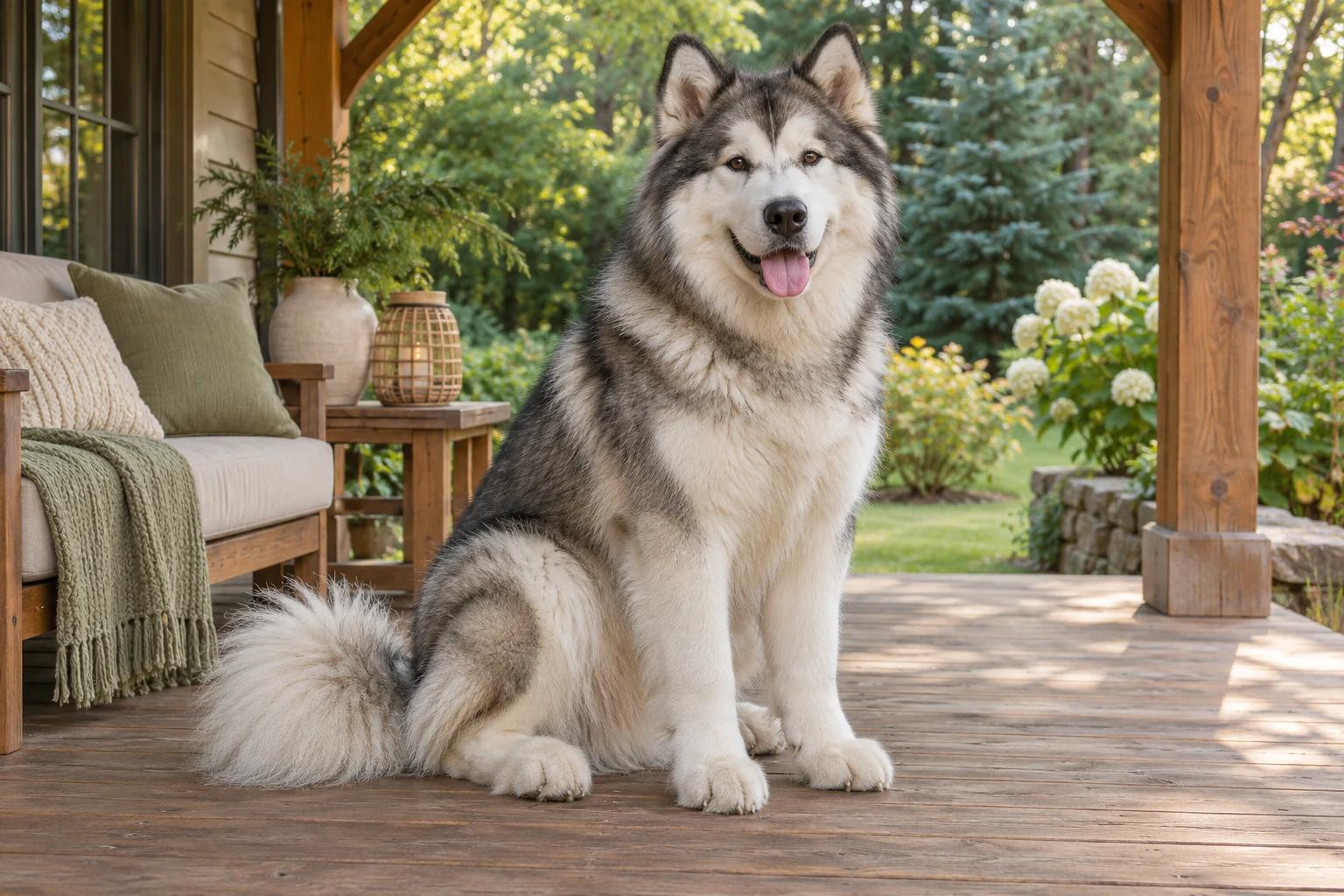
Akita Training: Practical Skills for Everyday Cooperation
Build an Akita training plan around everyday skills, clear cues, manageable socialization, and cooperation with routine care.

Akita training should begin with the ordinary situations you need to handle together: leaving the house, passing distractions, welcoming visitors, and accepting routine care. A collection of impressive tricks is less useful than a dog and owner who understand those daily arrangements. Clear teaching, predictable routines, and thoughtful management give you a practical place to start.
The Akita breed profile describes a large, independent-minded working dog. Size makes preparation important, but training is not a contest of strength. You are building cooperation, not trying to prove who can win an argument.
Akita training starts with a few useful agreements
Before choosing cues, decide what they mean in your household. Where should the dog wait while the front door opens? Who attaches walking equipment? What happens when a visitor arrives? People who answer those questions differently can accidentally teach competing routines.
The Akita Club of America emphasizes consistency and continued social experiences rather than expecting a short puppy course to finish the job. Keep that ongoing commitment in mind when choosing a training plan.
Write down three priorities for the next stage, each as an action you want. “Wait behind the doorway” is clearer than “don't be pushy.” “Turn toward me when I ask” is clearer than “pay attention.” Once you can describe the action, you can break it into teachable pieces.
Choose a starting point you can repeat
Begin where the task is easy to explain. Practicing near an open front door is not the first step if the dog has never learned where to wait. Start away from the actual entrance and introduce the more complicated setting later.
The same applies to equipment. Let fitting a lead or harness be a small handling lesson, separate from the excitement of an outing. A familiar sequence can make the eventual departure simpler for both of you.
How to train an Akita with rewards and clear feedback
AKC's guide to choosing a trainer recommends looking for reward-based methods that teach desired alternatives. Ask a prospective trainer to explain their methods and how they would adapt lessons to your household. In practice, decide what success looks like before you ask for anything.
For example, suppose you want your Akita to remain on a mat while you prepare walking equipment. At first, reward simply choosing the mat. Later, add the small movement of reaching for the lead. Do not add the entire departure routine at once and assume the dog understands every part.
Keep the task short enough that you can notice what happened. If a step is repeatedly unsuccessful, reduce the difficulty instead of repeating it with more force. Ask whether you changed the distance, surroundings, or duration without teaching that change.
Record progress in specific terms. “Waited while I picked up the lead in the living room” describes a learned step. “Waiting is fixed” claims more than you have tested. The specific version tells you what to practice next.
Akita socialization is not a greeting competition
Akita socialization should help a dog experience the world at a manageable pace. It does not require greeting every person or meeting every dog encountered outside. The breed club cautions against assuming that an Akita will welcome all unfamiliar dogs and people.
Make the aim concrete: calmly sharing space, moving through an ordinary environment, or noticing something unfamiliar without being pushed into contact. A quiet observation from a comfortable distance may be a more useful experience than a crowded introduction.
For a new puppy, talk with your veterinarian about suitable social experiences and class options. For an adult, begin with what is known about that dog's history. Do not treat an uncertain history as permission to test every possible situation immediately.
Plan exits as well as introductions
Before entering a busy place, consider where you can move if the setting is too much. A narrow entrance or crowded waiting area may leave fewer choices than an open route. Choosing a less difficult setup is part of training, not a failure to complete the outing.
Tell other people what you need. A simple request for space can prevent an unwanted greeting. Your dog does not have to demonstrate sociability on demand to strangers.
Akita obedience training belongs in real situations
Akita obedience training becomes valuable when familiar skills transfer into ordinary life. Choose a small set of goals that support your routine rather than collecting cues without a purpose.
A turn toward the handler can help you move away from a distraction. A resting place can support visitor management. Comfortable handling can make brushing and appointments easier. Each skill needs its own practice before several are combined in an exciting situation.
For walking, rehearse changes of direction and pauses in a quiet location. Then introduce more ordinary distractions gradually. If passing another dog is difficult, avoid repeated close encounters while you seek help from a qualified reward-based trainer. A busy dog park is not a substitute for an individual plan.
Keep physical arrangements in place while learning continues. A taught pause does not replace a secure door or lead. Training and management do different jobs, and using both lets you practice without making every attempt high stakes.
Make routine care part of the curriculum
An Akita's coat means grooming will recur throughout its life. Practice the parts of handling separately: approaching the grooming area, accepting a brief touch, and remaining comfortable with a familiar tool. You do not need to complete a full groom to make useful progress.
Tell the groomer or veterinary team about the dog's current experience before an appointment. Ask what preparation would help and what arrangements are available. This is more productive than arriving with an untested assumption that the dog will accept everything because it has learned to sit.
If handling suddenly becomes difficult or seems painful, talk with your veterinarian. Do not automatically interpret a change as defiance.
Measure progress by a calmer, clearer routine
Review the week through practical questions. Was leaving home easier? Did everyone use the same cues? Which setting caused confusion? Choose one adjustment rather than changing the whole plan at once.
Bring observations to a trainer when you need support. Describe what happened before and after the behavior, not just the label you gave it. Short notes can help distinguish an unclear lesson from an environment that needs a different setup.
If you are still choosing a breed, use the dog matching quiz to consider your experience and daily routine. Our guide to Akita and Japanese Akitainu names explains terminology separately. Whatever the name on the records, the training task is to understand and teach the individual dog in front of you.
FAQ
When should Akita training begin?
Begin teaching household routines when the dog comes home, using manageable steps and rewards. Start with practical skills such as comfortable handling, preparing for walks, and a place to rest. A new adult dog also benefits from clear routines rather than assumptions about what it already knows.
How do you socialize an Akita?
Provide manageable experiences with people, places, and everyday activity without forcing greetings. Socialization is not a requirement to meet every dog. Work from the individual's history and comfort, and talk with your veterinarian about appropriate puppy experiences and training-class options.
Does an Akita need harsh training?
No. Clear expectations and reward-based teaching provide a practical approach to learning. Physical confrontations do not explain the requested behavior. If a situation is difficult, reduce the challenge and seek a qualified reward-based trainer who can develop an individual plan with you.
What are useful Akita obedience skills?
Useful skills include waiting in a designated place, turning toward the handler, calmly preparing for walks, and cooperating with routine care. Teach each in an easy setting before combining them. Keep management arrangements in place rather than treating a newly learned cue as reliable everywhere.
Sources behind this article
Article source checked: November 14, 2026. Source checked 2026-11-14
Keep reading

Affenpinscher Training: Build Useful Everyday Habits
Read article →