Wirehaired Pointing Griffon training
Build Wirehaired Pointing Griffon training around attention, an item hold, recall and manageable lessons suited to an active companion.
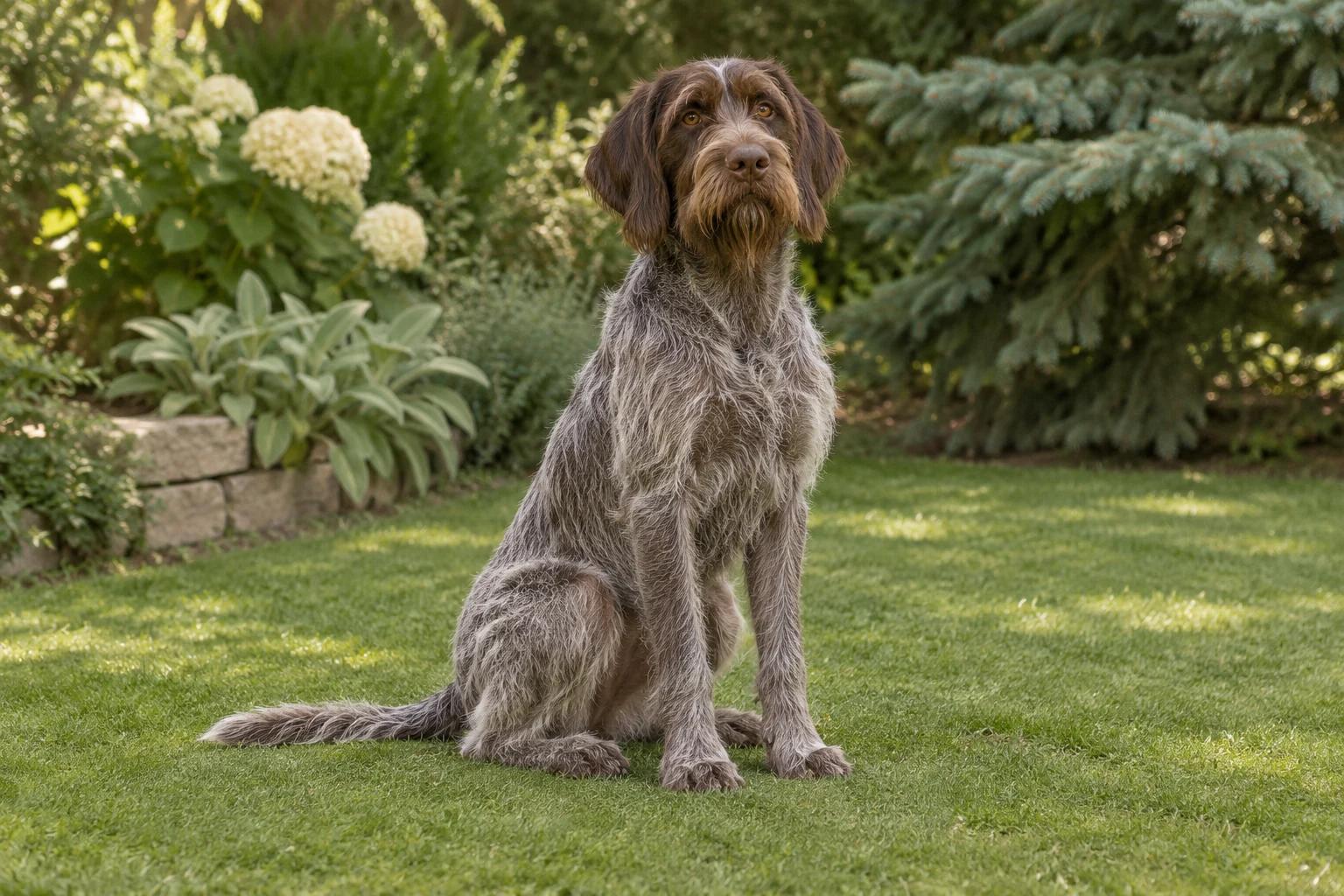
Explore the
Wirehaired Pointing Griffon
Background, care, and everyday considerations.
View breed profile →Wirehaired Pointing Griffon training should give an active companion useful ways to participate in everyday life. The current Wirehaired Pointing Griffon profile describes a responsive learner with substantial physical and mental activity needs. That combination makes teaching part of sharing a home, not an optional extra reserved for dogs entering competitions. Begin with a few clearly defined skills rather than expecting general enthusiasm to produce finished manners.
Wirehaired Pointing Griffon training starts with manageable lessons
The American Wirehaired Pointing Griffon Association's puppy guidance describes curious, active youngsters and emphasizes beginning instruction early. It recommends patience, repetition and positive reinforcement, with expectations suited to the puppy's age and attention. A young Griffon investigating its surroundings is not giving you a reliable demonstration of its eventual ability to learn.
When considering how to train a Wirehaired Pointing Griffon, define a small task that can actually be completed. A lesson should not depend on the puppy remaining absorbed for a long stretch. End with something understandable rather than extending the session simply because you have more time available.
The club also highlights classes and socialization. Wirehaired Pointing Griffon socialization belongs alongside skill teaching, rather than being postponed until obedience looks finished. Look for instruction that helps you develop both, with appropriate experiences and manageable tasks. Puppy training is an ongoing process of learning together, not a single course after which every situation becomes familiar. A class can provide guidance, but the puppy still needs repeated opportunities to practise the things being taught.
Give the name a precise meaning
Battersea's name-training guide starts in a quiet place. Say the dog's name, mark the moment it looks toward you and reward. Do not immediately add another task before paying for that response. The name first means that turning attention toward you is worthwhile; it is not a vague request to stop everything indefinitely.
For a Griffon, this creates a useful distinction between gaining attention and asking for a particular action. Looking toward you is one successful response. Sitting, coming closer or picking up an object would each be another. Keeping those steps separate makes it clearer what earned the reward.
The guide also describes an orientation game using a tossed piece of food, followed by the dog turning back toward the person. Add the name just before the turn occurs, then develop the response gradually. Introduce distractions only after the basic association is familiar. This is a small exercise with a definite result, not a contest over whether your voice can overpower everything interesting in the room.
Build an item hold before expecting a complete delivery
Battersea's item-holding lesson breaks the task into stages. Choose an easy object such as a suitable soft dog toy, rather than the dog's most exciting possession. Reward interest in the object, then progress toward touching it, putting the mouth around it and lifting it.
For a Griffon that rushes straight into play, the useful lesson is that interacting with an object can have a quieter, more precise form. Picking it up briefly is already an achievement; it need not immediately become a long hold or a journey across the room. Increase duration gradually rather than trying to obtain the finished behavior in one attempt.
Once the pickup is becoming predictable, introduce the cue just before it happens. Take breaks and put the object away between sessions. The goal is a recognizable action, not exhausting the dog with repeated throws. If the dog has difficulty around possession of objects, get qualified help rather than turning this exercise into an argument over taking something away.
Make coming back a separately taught response
Dogs Trust's recall guidance begins in a quiet, secure setting. Choose a consistent recall signal and reward the dog for returning. Start nearby, then develop distance and distractions gradually. Moving away can help encourage the dog to follow rather than leaving you standing still and repeating a word.
Wirehaired Pointing Griffon obedience outdoors includes returning when called, but the outdoor version should grow from an understandable foundation. A short response in a familiar area and a return past an absorbing distraction are different levels of difficulty. Do not treat success at the first as proof of the second.
Avoid repeating the recall cue while the dog is still deciding what to do. Give the dog a chance to respond and make the next repetition easier when necessary. The reward belongs to the arrival, so reaching you should have a clear, worthwhile outcome. This turns recall practice into a specific lesson about coming back, rather than merely calling the dog's name whenever you would prefer it to be somewhere else.
Choose Griffon-sized everyday goals
The current profile places adult females at 35–50 pounds and males at 50–70 pounds. That physical scale gives everyday manners a practical purpose. A greeting happens beside a person's legs, an indoor turn happens near furniture, and shared movement through a doorway involves a real dog occupying real space. Training goals should describe the behavior you want in those settings, not just the dog's general disposition.
For example, distinguish being near someone from crowding them, and distinguish joining an activity from deciding its pace. These are useful differences for an affectionate, engaged companion whose household wants participation rather than constant management. A friendly introduction is welcome, but friendliness and a familiar household routine are not interchangeable accomplishments.
Keep your goals specific to your life with this dog. A household companion need not collect titles to have meaningful skills. Our article about a Griffon in a nonhunting home explores the broader lifestyle question. The dog quiz can help prospective owners consider what kind of daily involvement they want.
FAQ
Is a Griffon's adult size relevant to manners?
Yes. The current female and male weight references describe a substantial dog. Practical goals should account for shared doorways, indoor movement and greetings without confusing size with personality.
Does an affectionate Griffon automatically understand household expectations?
No. Enjoying company does not establish familiarity with a particular home's routines. Describe the actions you want instead of relying on the label “friendly” to cover every interaction.
Does a companion Griffon need competition titles?
No. Useful household skills can be worthwhile without a competitive goal. Choose outcomes that matter in the places where you and your dog actually spend time together.
Sources behind this article
Article source checked: November 16, 2026. Source checked 2026-11-16
Keep reading

Affenpinscher Training: Build Useful Everyday Habits
Read article →