A Wirehaired Pointing Griffon in a nonhunting home
Consider whether a nonhunting household can support a Griffon’s interests through training, appropriate activities and realistic small-pet management.
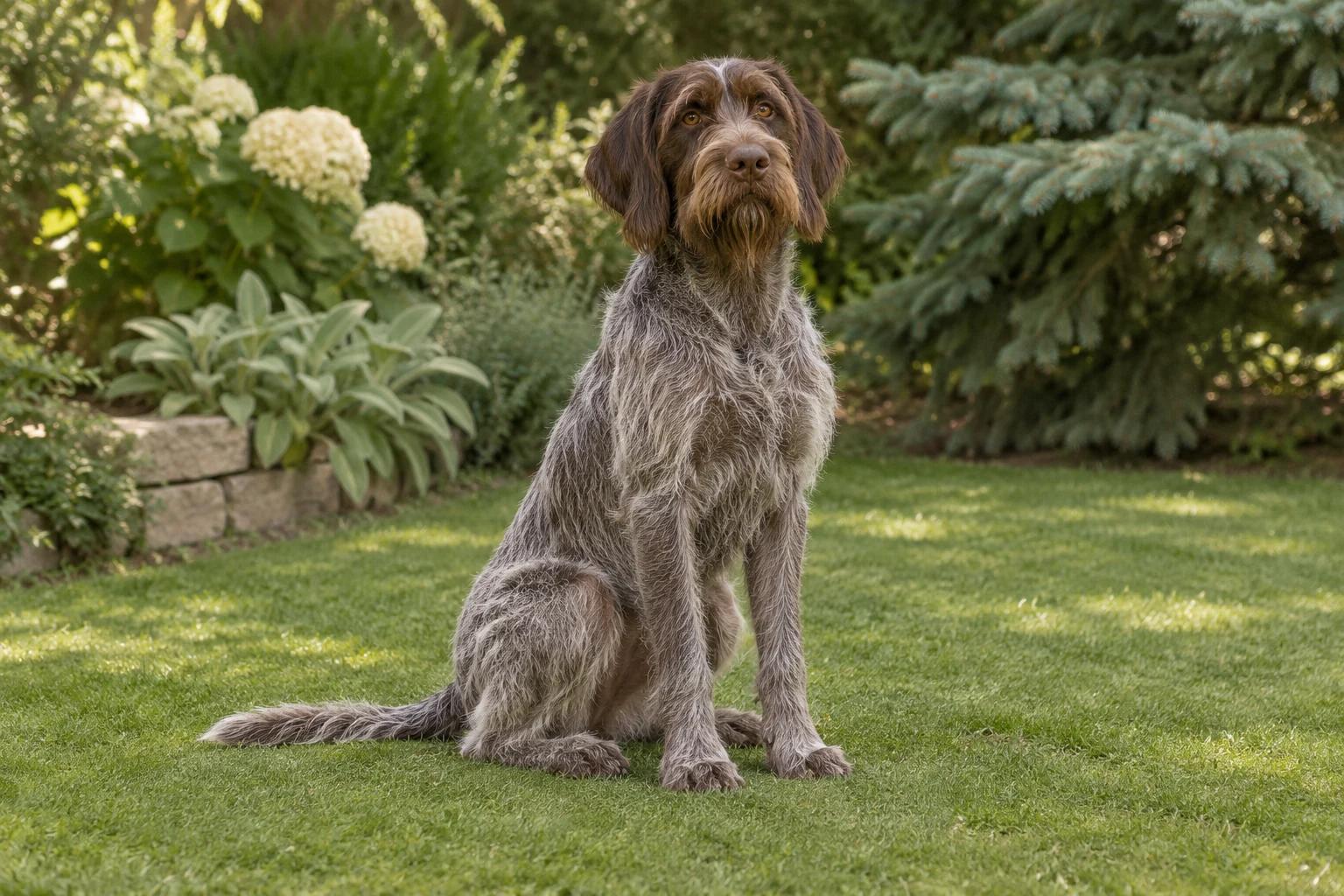
Explore the
Wirehaired Pointing Griffon
Background, care, and everyday considerations.
View breed profile →The question is what replaces the work
You do not need to copy a hunting household’s calendar to ask a serious question about living with a Wirehaired Pointing Griffon. You do need to consider what the dog would actually do with you. The American Wirehaired Pointing Griffon Association describes a breed developed as a close-working hunting dog across varied terrain. Removing hunting from your plans does not remove that background from the dog.
The club also documents Griffons participating in activities outside hunting, including Rally, Scent Work and agility. These are possibilities to investigate, not a package every Griffon will enjoy or a checklist that certifies a home as suitable. A nonhunting home can offer purposeful shared activity; a vague intention to buy more toys leaves the practical question unanswered.
Choose activities you would enjoy learning
Compare two concrete options. In a beginner Rally class, you and the dog practice a sequence of obedience exercises together. In a Scent Work class, the emphasis is on the dog locating a target odor and the handler recognizing the find. An instructor can help select an appropriate starting point for the dog’s age, experience and comfort. Neither requires recreating a hunt at home.
Consider which part attracts you: teaching careful movement together, watching a dog solve a search, or simply having a regular activity you both learn. Then check the travel, class arrangements and practice involved. Ordinary walks, suitable physical exercise and rest remain part of life between sessions. One exciting class cannot be used to excuse an otherwise unattended week.
Small animals make this a different decision
AWPGA’s puppy guidance specifically cautions households about the breed’s hunting interests around cats and other small furry or feathered animals. Do not assume that friendly behavior toward people establishes compatibility with a rabbit, bird or cat. Discuss the individual dog’s observed history and realistic separation arrangements before committing.
For example, a household with a free-roaming rabbit needs to resolve that living arrangement before deciding which sport to try. Training enthusiasm does not eliminate the need for management. If your plan depends on the dog ignoring small animals, entertaining itself for most of the day or being satisfied by a yard alone, pause the breed choice. The useful comparison is between this dog’s needs and the life you can provide, with help from people who know the individual.
Sources behind this article
Article source checked: October 20, 2026. Source checked 2026-10-20
Keep reading
Wirehaired Pointing Griffon vs German Wirehaired Pointer
Read article →