Toybob Cat Temperament: Playful Company Without Constant Performance
Explore Toybob cat temperament through play, nearby company and rest while keeping small stature separate from handling and compatibility promises.
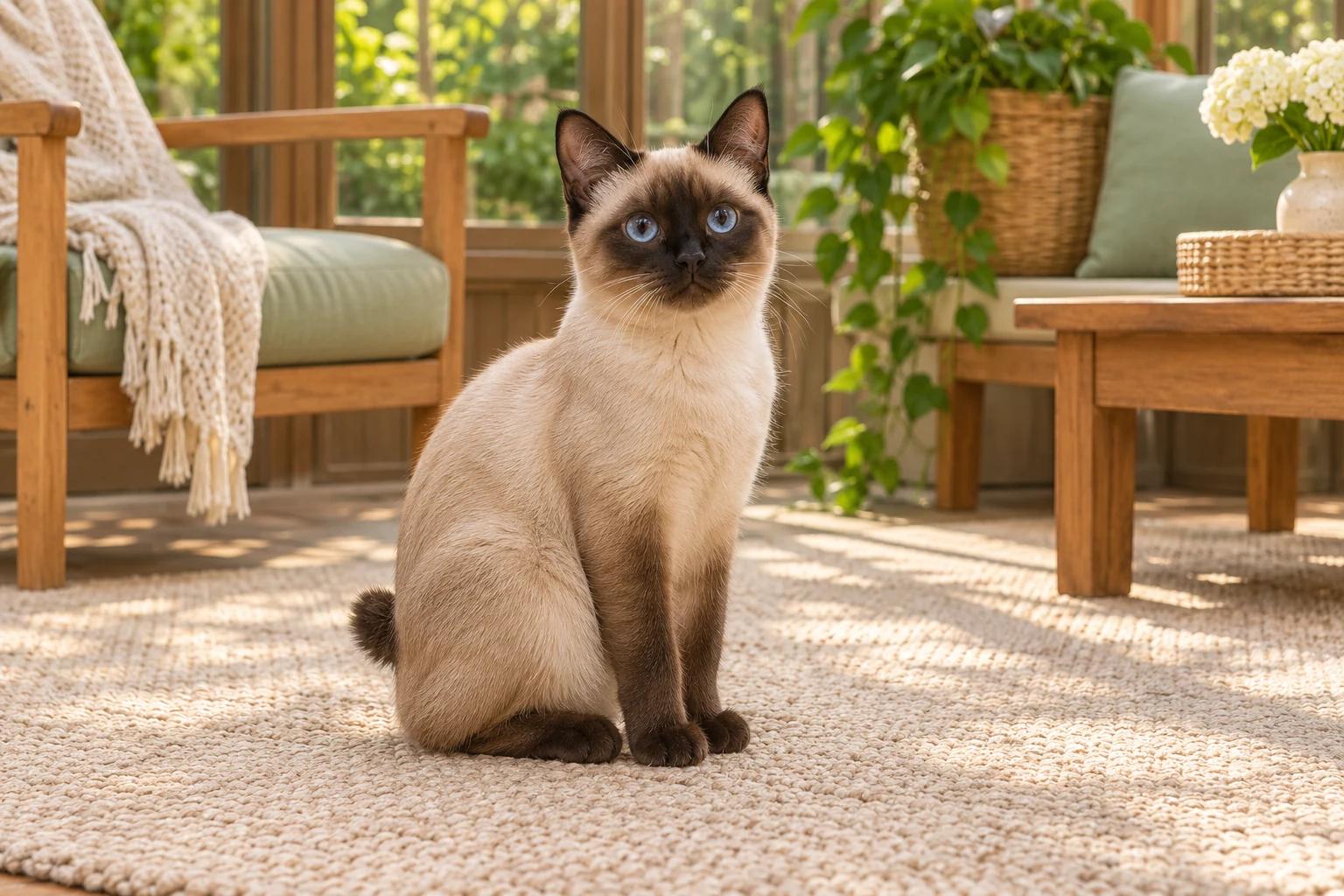
Toybob cat temperament is described by CFA through playfulness, affectionate company and interest in familiar people. Its account also leaves room for a cat to choose quiet lap time instead of a game. That combination matters: small stature does not imply fragility, while a playful reputation does not require the animal to be active whenever someone wants entertainment.
This guide explores toybob cat personality through company, rest and ordinary care. It stays separate from the existing tray-fit article and does not treat a kittenish appearance as permission for repeated handling or a guarantee of household compatibility.
Toybob cat temperament: ask about the change from rest to activity
CFA describes a cat that may settle close and then follow when its familiar person gets up. Ask whether that matches this individual and what happens in an ordinary day. Does it move between rooms, watch from a resting place or seek a particular game?
The Toybob profile retains playful, agile tendencies alongside individual choice. Learn the quieter routine as well as the most engaging example. A useful caregiver account includes what happens when interaction ends.
During a meeting, ask whether the setting is familiar and give the animal time to observe. One calm encounter cannot promise permanent quietness, and a burst of play cannot describe the entire care commitment.
Keep a small companion's choices visible
A cat that is easy for a person to lift may still prefer keeping its feet on a stable surface. Ask what touch and carrying are actually accepted instead of assuming the answer from size or an affectionate description.
Pause during contact to notice whether the animal chooses to continue. If it leaves, let the departure stand. Bringing it back repeatedly for a visitor's turn can make an apparently friendly encounter depend on tolerating pressure.
Adults should supervise children's interactions and explain undisturbed resting places. Children can enjoy a familiar game or observe the bobbed tail without being asked to examine it. The unusual appearance is not an invitation to manipulate or pull a feature.
Offer activity that fits the individual
The profile supports suitable climbing and short interactive opportunities without treating small stature as frailty. Ask which familiar equipment the cat uses, and learn how it chooses to finish. A simpler game may be more enjoyable than an elaborate device presented during a visit.
FelineVMA's indoor-cat guidance brings play together with retreat, resources and positive contact. Check how the room works when other animals or people are nearby. Access and options are part of activity planning, not just the objects purchased.
Follow installation and load instructions for furniture. A small animal still needs stable support and a manageable route down. Essential resources should not require a difficult physical task or passage controlled by another pet.
Do not turn a quieter moment into a diagnosis
An animal may choose rest rather than a game for reasons an observer cannot identify from breed reputation. Ask about the familiar pattern without deciding that a quiet visit demonstrates low needs or an unchanging personality.
Seek veterinary advice about a new loss of interest, changed movement or other concern. Describe what happened in ordinary life rather than making the cat repeat an activity to prove it can still do it.
Toybob cat behavior is easier to discuss through specific observations. The animal left a game or stopped using a familiar route is more useful than calling it lazy, timid or stubborn. A general temperament account cannot establish the cause of a change.
Include coat handling in the relationship
Toybob cat characteristics include short and semi-long coats. Ask about the actual routine, familiar tool and help available when care becomes difficult. Enjoying nearby company is not the same as accepting every combing position.
The profile uses weekly attention adjusted to the individual. Learn the demonstrated task rather than assuming a short coat needs nothing or a longer coat guarantees a difficult temperament during care. Those are separate questions.
If handling becomes newly avoided or skin seems uncomfortable, contact the veterinary team. This guide gives no mat-removal procedure, cleaning recipe or reason to continue through distress to finish a coat target.
Plan introductions around actual history
Ask about previous contact with visitors, children and other pets, including the setting. A social breed description does not certify compatibility with your residents. Obtain guidance and prepare appropriate separation, resources and retreat before contact.
Do not let a larger or busier pet control the encounter merely because the Toybob appears affectionate. Each animal needs usable options, and one peaceful meeting does not establish that every management arrangement can be removed.
Visitors also need practical instructions about waiting and distance. Seeing the cat nearby does not automatically mean reaching for it. An encounter without touch can still be a thoughtful introduction when the individual prefers to watch.
Make the ordinary schedule part of the decision
Discuss absences, busy periods and backup care before adoption. Ask what the caregiver most wants a new household to understand. An honest account of a task needing time or support is more useful than a promise of effortless companionship.
The existing Toybob tray-choice guide addresses a specific care responsibility. A social reputation cannot answer its individual access questions or explain away a new toileting concern.
Use the cat quiz to organize wider preferences, then compare them with the real animal's history. A workable relationship includes playful participation, nearby rest, withdrawal and appropriate help. The appeal of a small companion should lead to careful understanding rather than expectations of permanent kitten-like behavior.
Frequently asked questions
Does playful mean a Toybob wants a game at every meeting?
No. CFA's account includes quiet contact as well as play. Learn the individual's routine and allow a choice to rest.
Does small size establish enjoyment of lifting?
No. Being physically easy to lift and wanting to be carried are different matters. Ask about accepted contact and respect the response.
Can a breed description explain a new loss of activity?
No. Seek veterinary advice about a new or concerning change instead of dismissing it as temperament or staging another attempt.
Is compatibility with a larger pet guaranteed?
No. Assess the individuals and arrange introductions with suitable guidance, resources, separation and retreat.
Sources behind this article
Article source checked: November 20, 2026. Source checked 2026-11-20
Keep reading

American Bobtail cat temperament
Read article →