Choosing a litter tray a Toybob can enter and turn around in
Choose your Toybob’s litter tray by entry, turning space and preference, with veterinary advice for difficulty rather than a small-breed label.
Do not choose by the word toy
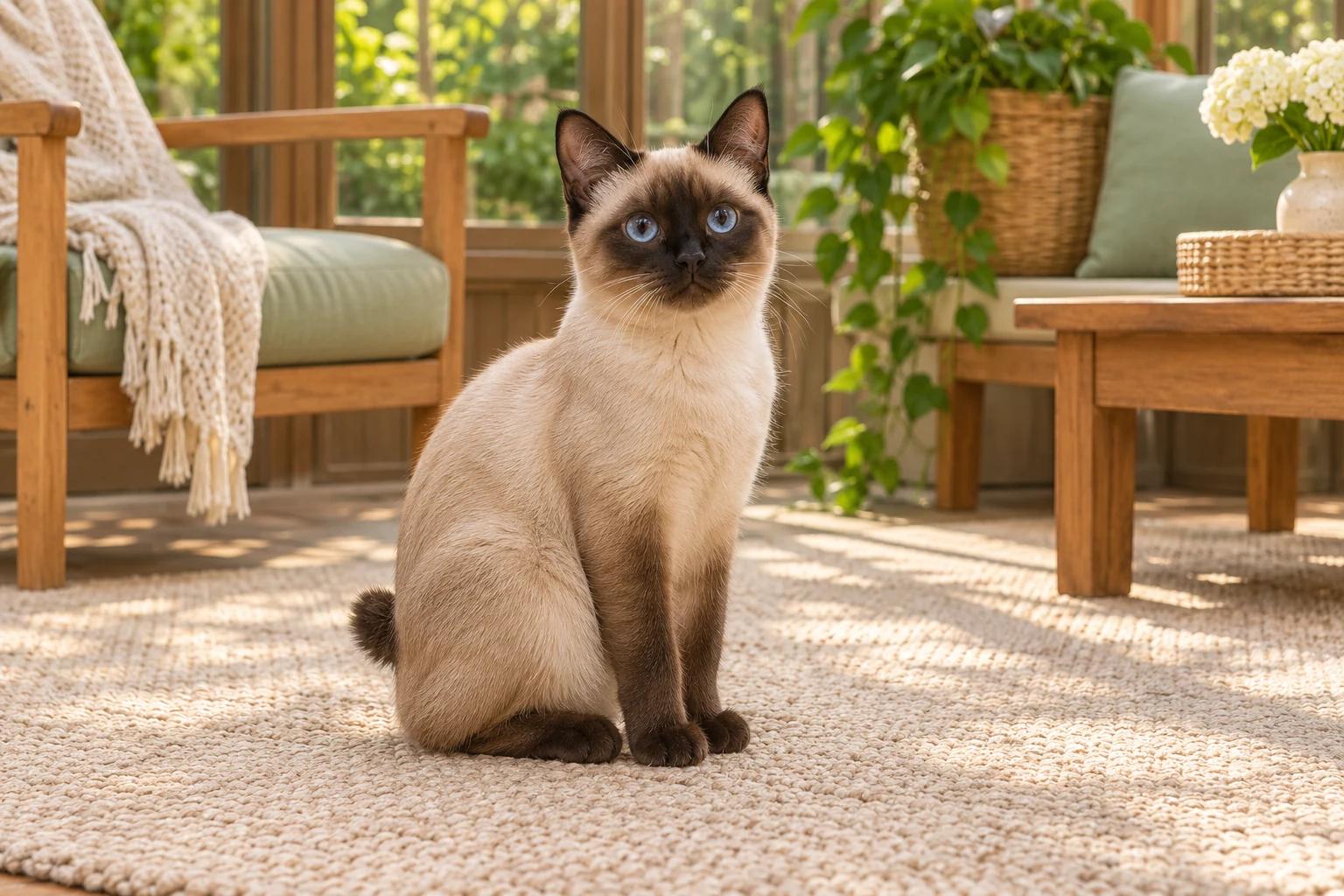
CFA describes the Toybob as a naturally small cat. That does not mean a miniature tray is automatically suitable throughout life. Start with the individual’s ability to enter, turn and use the tray comfortably rather than choosing equipment to match a breed name or a photograph.
Cats Protection says there is no one tray for every cat and recommends enough room to turn around. Look at the cat’s current use without forcing a demonstration. If the tray seems awkward, record what you noticed and ask for advice where needed. A successful entry once does not establish that every use is comfortable.
Consider the entrance separately from overall size
A tray can offer room inside while still having an unsuitable entrance for an individual. Cats Protection notes that lower sides can help cats with mobility difficulties. Ask your vet if entry appears difficult or movement has changed, rather than deciding the solution from the Toybob’s size alone.
If you try another tray, keep access clear and maintain an appropriate familiar option while you observe. Do not place the cat inside repeatedly or prevent it leaving to prove the new choice works. Your observations should inform care, not become a test the cat must pass before it can use its usual resources.
Include the setting in the choice
Cats Protection recommends quiet locations away from busy doors and noisy appliances, with separation from food and water. Check whether the space around the tray allows a comfortable approach and exit. An appropriately sized product can still be poorly positioned if another animal or household traffic makes access difficult.
Keep cleaning responsibilities clear and avoid changing tray style, litter and location all at once without a reason. Note which option the cat uses and what remains uncertain, particularly in a multi-cat household. A tidy appearance from the owner’s viewpoint should not be the only measure of whether the arrangement is useful to the cat.
Treat changes as care information
If toileting changes suddenly or the cat seems uncomfortable, contact your veterinary practice. Cats Protection advises assessment before assuming a behavioural explanation and says not to punish accidents. If your cat struggles to pass urine or cannot pass urine, call your vet or an emergency veterinary service immediately for an emergency appointment, as PDSA advises. Tray shopping must not delay that call.
After advice, keep a practical record of the tray and setup that work for this individual. Review as the cat grows or its needs change. Your Toybob’s small stature may affect a buying decision, but it cannot provide a universal tray dimension or replace attention to entry, turning room, preference and health.
Sources behind this article
Article source checked: October 22, 2026. Source checked 2026-10-22
Keep reading
Choosing climbing furniture for a Norwegian Forest Cat
Read article →