Thai Bangkaew Dog Training: Useful Skills and Games
Build Thai Bangkaew dog training with clear turning cues, object games and optional movement skills that suit the individual dog.
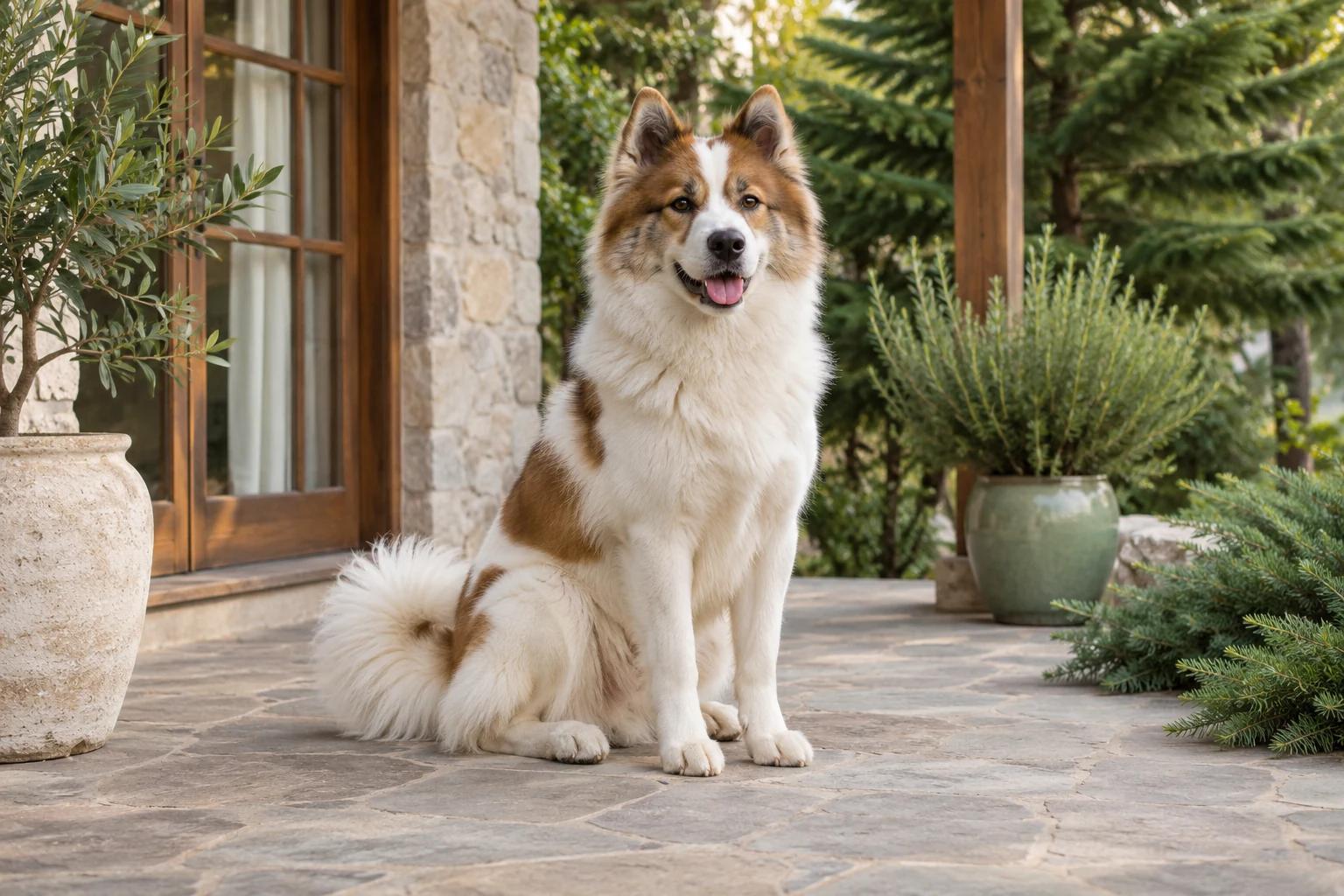
Thai Bangkaew dog training should offer both practical communication and interesting work. The Thai Bangkaew profile describes a watchful dog that may need patient introductions to new people, with activity and mental engagement in the middle of its reference scales. Daily learning fits that combination better than expecting the dog to learn only when something has already gone wrong. Begin with familiar surroundings and tasks appropriate to the individual.
Thai Bangkaew dog training: teach a comfortable change of direction
Battersea's “this way” lesson starts with the dog beside you on a loose lead. Reward that position, then take a few steps and reward again. If the dog moves away, stop and guide it back with food rather than pulling the lead. Battersea: changing direction on cue.
Once walking together is comfortable, use a treat near the nose to guide a slow turn. Reward following the turn. Add the spoken cue before the familiar movement, then gradually replace the food lure with an empty-hand signal while continuing to reward from your pocket.
For a watchful Bangkaew, this provides a way to communicate a route change without making every turn a physical contest. Learn it in an easy setting before adding distractions. A dog that cannot yet follow the movement beside you is not ready to demonstrate it in a busy park. Keep the lead loose through the turn and build the sequence in order; the words alone do not explain a skill the dog has never practiced.
A hold gives an intelligent dog a precise object task
Battersea builds holding through small stages: looking at an item, touching it with the nose, opening the mouth around it, then lifting it. Reward the stage the dog is learning rather than waiting immediately for a complete retrieve. Battersea: holding an item.
Choose an easy, suitable object. A favorite toy may help, but if it produces too much excitement, use another item. Mark a small lift as soon as it occurs; only later ask the dog to hold for longer. Introduce a cue just before the pickup once the action is becoming predictable.
This makes a useful mental task for a Bangkaew without requiring a race across the room. It is about controlled interaction with the object, not how energetically the dog grabs it. Different textures or shapes may require an easier starting stage again. Give breaks and put the item away afterward. If the dog has possession difficulties with objects, seek qualified help before attempting this lesson. Do not use the exercise to test whether you can take away something it guards.
Teach a bow as a separate movement, not an accidental down
Battersea's bow lesson begins with a standing dog. Guide a treat from the nose toward the floor and reward movement that brings the elbows down while the hindquarters remain raised. A known stand cue can make setting up easier. Battersea: teaching a bow.
The timing of the reward matters. If your Bangkaew lies all the way down, reset after a break and reward earlier next time. Do not assume it is refusing: it may be offering a position that has worked in previous lessons. The task is to make the new distinction clear.
When the movement is established, use an empty hand to guide it and reward from the other hand. Build a comfortable hold gradually, then add the spoken cue before the familiar signal. This is a learning game rather than a reason to manipulate the dog's legs into position. Keep the movement voluntary and comfortable. A neatly performed trick is not more important than the dog's willingness to participate, and a different activity is appropriate when this one does not suit the individual.
Use a weave only when the physical space suits both of you
Battersea teaches a figure-eight weave by guiding the dog around one leg and back through the middle, then around the other. Begin with food in each hand and reward the separate parts before expecting a complete figure eight. Battersea: weaving between your legs.
A Bangkaew is not a tiny toy dog. Choose another lesson if the space between your legs does not allow a comfortable movement. Battersea also advises alternatives for dogs with joint pain or medical issues that make weaving uncomfortable. Do not compress the turn merely to fit a trick into your repertoire.
When the dog follows confidently, gradually replace the food lure with an empty hand, then a smaller hand signal. Add the verbal cue after the pattern is understood. Stay with easy, deliberate passes rather than rushing for speed. This task can develop awareness of the rear of the body, but it is optional enrichment, not a requirement for Thai Bangkaew dog obedience or a test of whether the dog is intelligent enough.
Keep learning connected to this breed's everyday life
The current profile places openness to new people at the low end and watchfulness at the high end. Thai Bangkaew dog socialization therefore deserves attention alongside tricks. The goal is not to make every stranger a training assistant. Follow the profile's emphasis on patient introductions, avoiding forced contact and rewarding comfortable behavior.
A familiar person working in a quiet room may see a different level of engagement from someone meeting the dog for the first time. That difference does not establish how much the dog knows. When considering how to train a Thai Bangkaew dog, separate the relationship, the setting and the skill instead of treating every unsuccessful response as the same problem.
The profile also lists adult females at 35–40 pounds and males at 40–43 pounds. Both are substantial enough that practical communication matters. A training plan should not depend on being able to carry the dog away whenever an outing becomes inconvenient.
Choose a few activities that genuinely interest this dog rather than insisting on an entire collection of tricks. The current playfulness and activity references are moderate, not a demand for continual entertainment. Learning should have a place in ordinary life without taking over every interaction.
The dog quiz can help you think through the ownership fit. For a separate appearance question, see the Thai Bangkaew head-markings article.
Frequently asked questions
Does the breed's intelligence mean it arrives obedient?
No. The current profile calls the Thai Bangkaew intelligent but describes learning as dependent on motivation and consistent practice. Intelligence is not a substitute for experience with a particular household or instruction.
Should unfamiliar people participate in every lesson?
No. The current profile describes a need for patient introductions. A training session does not have to include strangers, and working with someone familiar can be a sensible starting point for the individual dog.
Is a Thai Bangkaew small enough that practical training is optional?
No. Current adult references are 35–40 pounds for females and 40–43 pounds for males. Plan for a capable adult companion rather than relying on the ease of physically managing a young puppy.
Sources behind this article
- Battersea: changing direction on cue ↗
- Battersea: holding an item ↗
- Battersea: teaching a bow ↗
- Battersea: weaving between your legs ↗
Article source checked: November 16, 2026. Source checked 2026-11-16
Keep reading

Affenpinscher Training: Build Useful Everyday Habits
Read article →