Symmetrical head markings are preferred, not required, in the Thai Bangkaew’s FCI description
The Thai Bangkaew standard accepts any shape or distribution of patches while preferring symmetrical head markings. Keep a preference distinct from an exclusion.
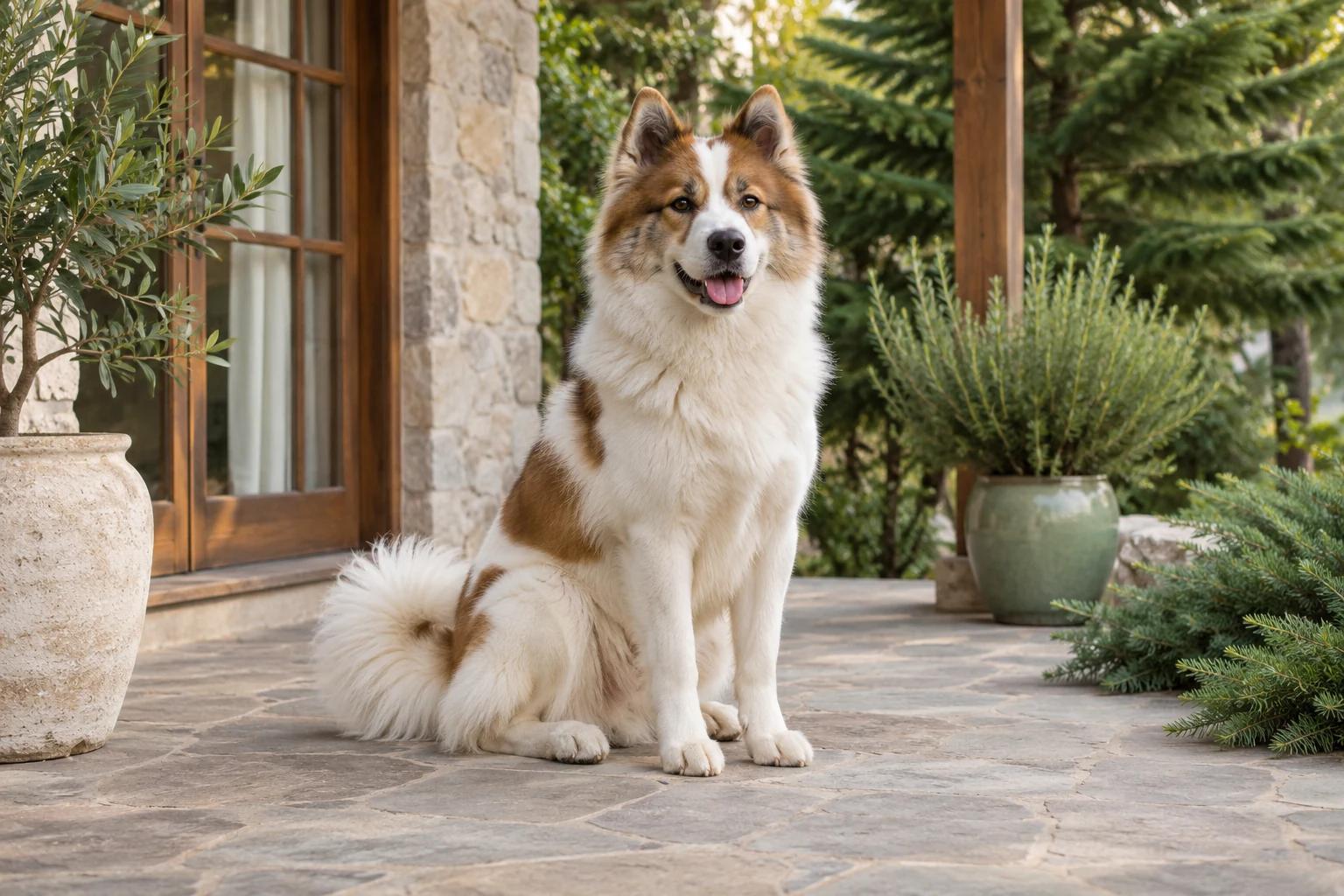
Read the general allowance before the preference
The FCI Thai Bangkaew Dog standard describes white with well-defined patches. It accepts any shape or distribution of those patches, then expresses a preference for symmetrical head markings covering the eyes and ears. A dark mask may be present or absent. The preference does not cancel the broader allowance.
Avoid making a portrait into a template
When choosing reference photographs, do not reject an otherwise useful image simply because the two sides of the head are not mirror images. Preserve the real markings rather than editing them into symmetry.
For an individual profile, a clear head view and a whole-body view help readers recognize the dog. If a marking is hidden by the angle or coat, ask for another view instead of completing the unseen side from imagination.
Do not broaden this into unlimited color acceptance
The passage concerns patch arrangement within the standard’s color description. It does not mean every possible coat color or pattern is accepted, and a brief explanation cannot replace the full provision for show purposes.
Likewise, symmetry is not a measure of companion suitability or evidence of ancestry. Use the standard to understand the stated appearance preferences, then ask separately about the individual’s background, routine and needs. An accurate caption can describe variation without ranking dogs by how neatly their faces match.
Sources behind this article
Article source checked: October 20, 2026. Source checked 2026-10-20
Keep reading
Thai Bangkaew Size: Adult Weight, Height and Build
Read article →