Tennessee Rex Temperament: Learn the Companion Behind the Curls
Explore Tennessee Rex temperament through ordinary company, activity and chosen contact while keeping individual needs ahead of a breed ideal.
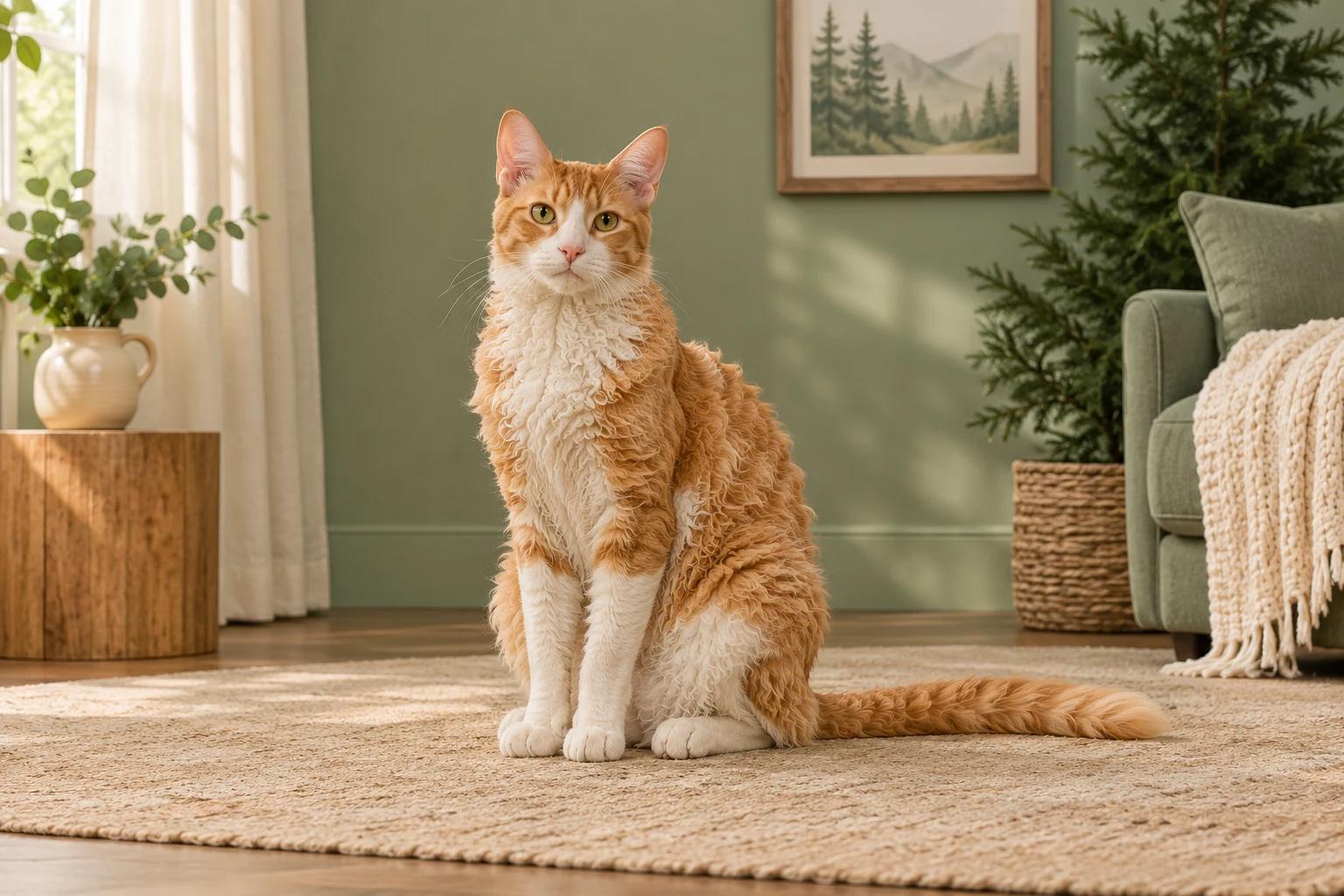
Tennessee rex temperament is described in TICA's standard as affectionate, social, curious and playful. Those are useful starting expectations, but they are not a measured promise about every animal. The practical question is what companionship looks like for the particular cat: how it approaches people, enjoys activity, rests and accepts necessary care in familiar surroundings.
This guide explores tennessee rex personality through a meeting and an ordinary ownership discussion. It focuses on the relationship rather than repeating the existing article about verifying care claims, and it makes room for an honest answer when a household expectation does not suit the individual.
Tennessee rex temperament: ask for an ordinary example
The Tennessee Rex profile retains sociable tendencies alongside individual variation. Ask the caregiver what the cat does while a familiar person works quietly or moves around the home. A specific account helps you imagine daily life more clearly than a description such as perfect companion.
Does the animal watch from a nearby place, investigate the task or request touch? Ask about more than the most engaging moment. Learn what happens when attention stops and where the cat settles afterward.
A visit can be quiet and still be informative. Ask whether the setting and behavior are familiar, and allow the animal to observe without immediately reaching toward it. One greeting or retreat cannot describe every future situation.
Separate social interest from a handling preference
The standard's affectionate description does not give every visitor permission to pick the cat up. Proximity, petting and carrying are different experiences. Ask what contact the individual seeks and how it shows that a pause is wanted.
Let a departure count. Following the cat between resting places to continue an encounter can make withdrawal difficult. A person can enjoy being near the animal without obtaining a turn at holding it or touching the unusual coat.
Adults should guide children and explain which spaces stay undisturbed. A child can learn about the cat through observation or a suitable familiar game without being asked to judge handling tolerance. The animal should not have to provide affection on demand to satisfy a breed description.
Give playful curiosity a suitable opportunity
TICA's standard describes curiosity and interest in activity. Ask which games the individual already understands and returns to. A familiar invitation is a better starting point than several complicated devices introduced to test intelligence during a visit.
FelineVMA's indoor-cat guidance places play alongside safe places and appropriate resources. Think about the whole room: can the cat investigate, scratch, rest and reach essentials without another animal controlling access?
Let activity end when the cat chooses. A brief enjoyable game does not need to become an endurance demonstration. If interest in something familiar changes unexpectedly, contact the veterinary team about concerns rather than assuming the animal needs a harder challenge.
Include the coat without making it the relationship
Tennessee rex characteristics include curls or waves and a satin appearance, with short and long coat varieties described in the standard. Those features may explain why people first notice the breed. They do not tell you how the actual animal feels about a brush or an unfamiliar hand.
Ask what care is familiar and who helps when it becomes difficult. The profile recommends gentle handling suited to the individual texture and notes potentially fragile whiskers. Learn necessary care separately from ordinary petting.
If the cat newly avoids a familiar task or an area appears uncomfortable, seek veterinary advice. Do not explain every response through temperament or attempt to make the coat look more impressive through extra handling. This guide gives no grooming procedure or product recommendation.
Plan the quieter parts of the day
Explain your real schedule when discussing adoption. Ask how company, rest and care are maintained when people are working or away. A household full of activity is not automatically one in which a cat has predictable, appropriate contact.
Include backup arrangements and who notices a change. If several people help, agree where current instructions live and how concerns reach the responsible adult. Everyday communication matters even when most of the care is going smoothly.
Do not assume another pet will automatically fill a companionship gap. Compatibility requires assessment of the actual animals, and a new relationship cannot be promised from two social breed descriptions. Ask for suitable guidance before introducing residents.
Let new encounters stay manageable
Learn the cat's history with visitors and other animals, including the circumstances. Prepare suitable separation, resources and retreat rather than testing a claim of friendliness through immediate contact. An encounter can begin without touching.
Give guests practical instructions about waiting and distance. Avoid several people calling the animal from different directions or gathering around its retreat. The goal is a manageable experience, not a photograph proving confidence.
Tennessee rex behavior should be described concretely if a difficulty appears. The cat left, stopped playing or avoided a familiar route. Those observations are more useful than calling it stubborn or unsociable, and they support appropriate advice without a home diagnosis.
Decide from the individual routine
Use the cat quiz to organize what you want from company, activity and hands-on care. Then compare those preferences with the actual animal's history. Ask the caregiver which responsibility a new owner is most likely to underestimate.
The existing Tennessee Rex care-claims article addresses documentary questions when an assurance needs checking. This temperament guide cannot supply missing veterinary records or establish general health from an outgoing appearance.
An honest account may include limits, uncertainty or an inconvenient task. Keep those in view alongside the affection you hope to enjoy. A sustainable relationship gives the cat space to participate and withdraw while the household remains responsible for dependable care.
Frequently asked questions
Does the standard guarantee every Tennessee Rex is outgoing?
No. It describes expected tendencies, not uniform behavior in every setting. Ask about the individual and allow a meeting without demanding contact.
Does affection mean carrying is welcome?
Not necessarily. Nearby company, touch and lifting are different experiences. Learn what the cat accepts and respect its choice to leave.
Should play be used as an intelligence test?
No. Offer something familiar and appropriate without requiring a performance. A game result cannot establish the whole temperament or future care needs.
Can another pet automatically meet companionship needs?
No. Discuss the real schedule and individuals involved. Plan introductions with suitable guidance, resources and retreat instead of relying on a breed label.
Sources behind this article
Article source checked: November 20, 2026. Source checked 2026-11-20
Keep reading
Tennessee Rex Cat Size: Use the Body Description and Individual Records
Read article →