Tennessee Rex Cat Size: Use the Body Description and Individual Records
Understand Tennessee Rex cat size through its medium athletic body description, without inventing weight intervals, height or feeding targets.
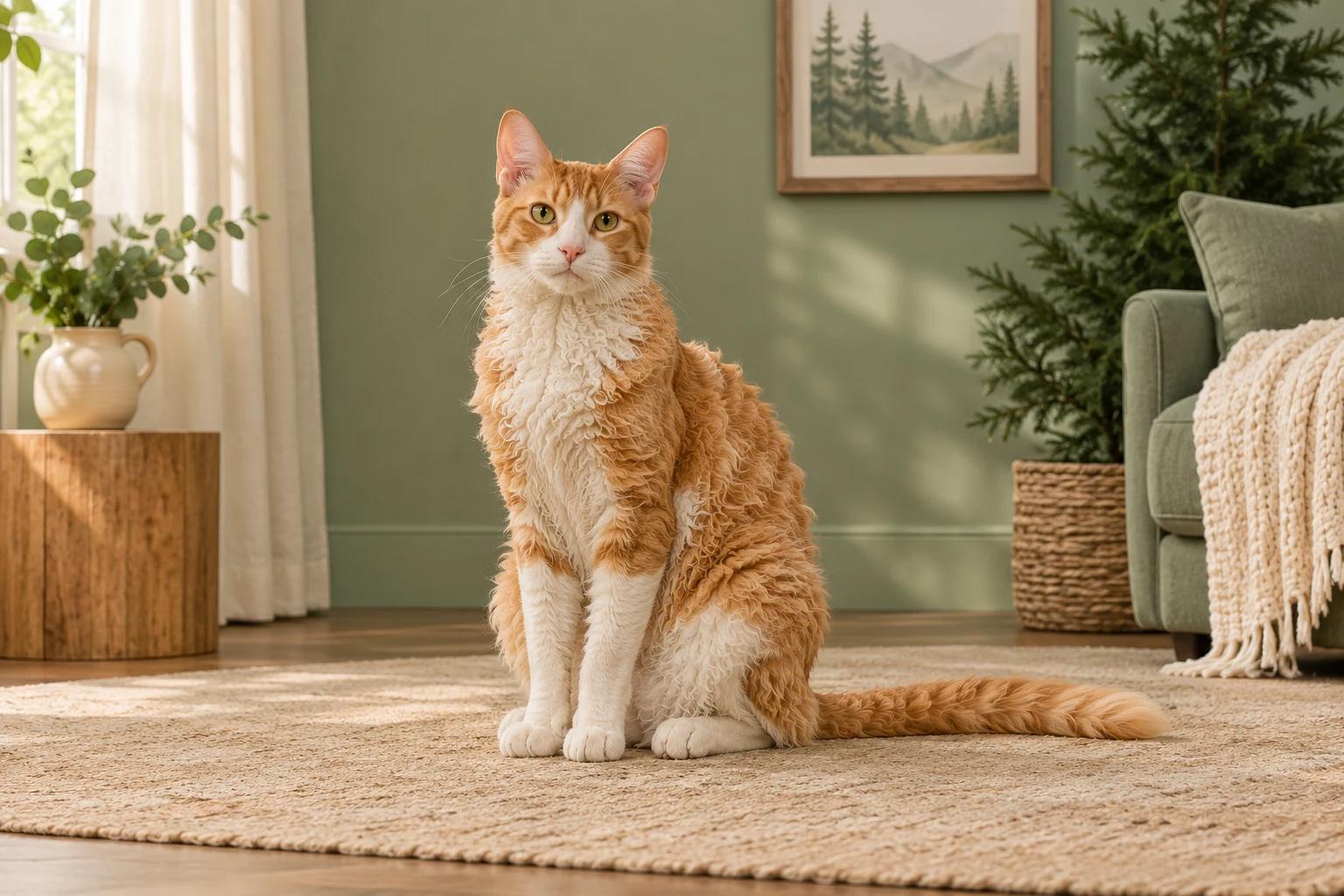
Tennessee rex cat size is described in TICA's standard as medium, with a rectangular, athletic torso and medium boning. The standard does not supply the numerical adult weight or shoulder-height chart used by many informal breed summaries. This guide preserves that limit rather than inventing measurements to fill empty fields.
A tennessee rex cat weight question can still lead to useful preparation. The next step is to learn the actual animal's dated records and the equipment decision you need to make, keeping breed background, individual measurements and product instructions separate.
Tennessee rex cat size: begin with the stated body type
The Tennessee Rex profile uses a medium, athletic description. TICA's standard describes the rectangular torso and muscular build, with medium size preferred. Those words explain the intended outline; they cannot tell you an individual cat's body condition or a kitten's adult result.
Ask about age and any recent measured weight available from care records. Preserve the date and context. A measurement for one animal should not become the normal weight of the entire breed, especially when an online summary gives no clear source.
Likewise, do not compare two photographs without knowing posture, scale and coat length. A fuller outline can change the impression without demonstrating a difference in body mass. Appearance starts a question; it does not complete the measurement.
Write the equipment question first
Before searching for another number, identify the practical decision. A carrier that is awkward to enter raises a different question from a perch that is too narrow or a tray that is difficult to turn in. One generalized weight could not answer every one of them even if it were available.
Ask what equipment the cat currently uses and why it works. Learn the actual entrance, resting position and handling arrangement before choosing a replacement. Familiar use supplies context that a decorative product photograph often leaves out.
Where a measurement is necessary, obtain it appropriately. Do not repeatedly position an unwilling cat to complete a shopping list. Ask for professional assistance if movement, handling or the purpose of a measurement is uncertain.
Account for a rectangular body in usable space
The standard's torso description can remind you to look at the length of a usable surface, not merely its outer width. Observe the positions the cat normally chooses while resting. A curled-up photograph does not establish comfortable room for every posture.
Check a carrier's interior dimensions and entrance as well as its load rating. A product can hold a stated weight while still offering an awkward opening for the individual. Follow manufacturer instructions for assembly, closure and transport rather than certifying fit from a medium label.
Include the person who will carry the combined load. Necessary travel should have a practical arrangement before an appointment day. The cat's breed description cannot establish that every adult can comfortably handle every carrier design.
Let coat length remain a separate detail
TICA describes both medium-short and longer coats, including a fuller tail in the longhaired form. The standard also notes that curls develop with age. A changing coat outline should not be mistaken automatically for a change in underlying body size.
Ask how the actual coat is maintained and which handling is familiar. A measurement question does not require flattening curls or holding the animal through an uncomfortable position. The profile calls for gentle, individual care rather than a fixed procedure derived from appearance.
If a coat or handling response changes unexpectedly, seek suitable advice. Do not decide that an animal is simply becoming larger, more muscular or less cooperative without considering the individual concern.
Why no Tennessee Rex cat height is added
The reviewed standard supplies a body description but no verified shoulder-height interval used here. Height to the ears, height at the shoulder and length from chest to rump are different measurements. Exchanging them would create an apparently precise answer with the wrong meaning.
For people asking “how big do tennessee rex cats get?”, the honest answer here is medium and athletic in the standard, with the individual's adult result requiring its own history. A missing numerical interval should remain missing rather than be copied from another Rex breed.
That uncertainty does not prevent ordinary preparation. You can still ask about familiar supplies, observe comfortable use and obtain professional guidance. The equipment decision does not need a complete invented breed chart to be practical.
Feeding does not follow from a breed silhouette
Cornell's feeding guidance emphasizes individual variation and veterinary help with an appropriate weight. Medium build is not a feeding prescription, and a muscular description is not a reason to increase food or add a supplement independently.
Bring dated records and relevant changes in appetite, activity or measured weight to the veterinary conversation. This article provides no calorie calculation or growth timetable. Body condition concerns belong to assessment of the actual animal.
If several people feed the cat, keep one current instruction available. A clear account of what is offered is more useful than different caregivers adjusting portions to match different photographs or unsupported breed numbers.
Include the ordinary care commitment
A manageable body size does not establish a low-effort relationship. The profile describes social and playful tendencies, while the actual animal needs its own opportunities, rest and support. Ask how its routine will continue when the usual caregiver is busy.
Use the cat quiz to organize broader preferences before adoption. The existing Tennessee Rex care-evidence article helps with a different question: what a care assurance actually supports. Neither a standard nor a neat table can replace missing individual records.
A useful preparation note ends with the equipment chosen for a stated purpose, the information actually known and any question still requiring help. That is more dependable than filling every numerical field simply because another breed page has one.
Frequently asked questions
What size does the standard describe?
TICA describes a medium cat with a rectangular, athletic torso and medium boning. This guide preserves that qualitative scope.
What adult weight interval is supplied here?
No verified numerical breed interval is supplied from the reviewed standard. Ask about the individual's dated measurements instead of borrowing figures from another breed.
How tall is a Tennessee Rex?
No verified shoulder-height chart is added. Other measurements should not be relabeled as shoulder height to create a precise-looking answer.
Does athletic build establish a feeding amount?
No. Discuss body condition and nutrition with your veterinary team. A breed description does not prescribe portions or supplements.
Sources behind this article
Article source checked: November 20, 2026. Source checked 2026-11-20
Keep reading
Tennessee Rex Temperament: Learn the Companion Behind the Curls
Read article →