Tennessee Rex care claims: separating coat descriptions from health evidence
Evaluate Tennessee Rex care claims by checking the source, the individual record and what remains unknown, without treating a coat label as a health guarantee.
Identify the kind of statement you are reading
TICA lists the Tennessee Rex, but an association listing is not a medical record for an individual cat. When you encounter a care claim, first ask what it describes: a registry identity, an appearance preference, an owner’s experience or evidence about health. Those statements cannot be used interchangeably.
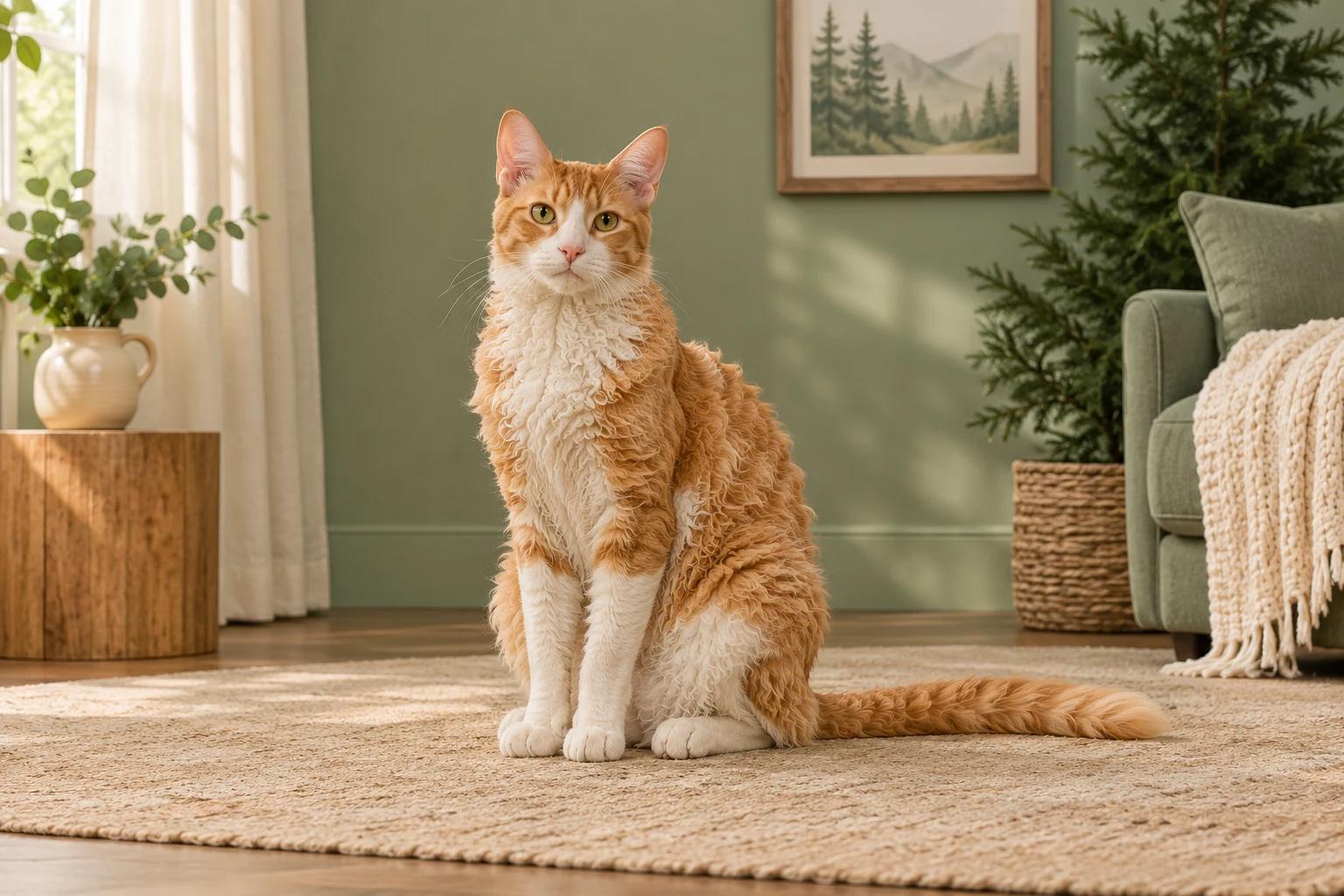
The TICA profile supplies little detail, but its linked Tennessee Rex standard describes a satin appearance, curls or waves, and longhair and shorthair coats. These are concrete breed descriptions to check at their source. The standard also describes an easy-care ideal. That wording does not establish what an individual owner must do when a coat tangles or changes.
Ask what evidence belongs to this cat
A general description cannot establish whether a particular Tennessee Rex has been examined, tested or given a treatment plan. Ask for the actual available care records and the organisation that issued them. A report about a relative should remain labelled as such rather than becoming a test result for the individual.
VCA recommends bringing available medical, vaccination and adoption records to a first visit. Keep those documents intact and mark missing information as unknown. Do not turn a verbal assurance into a completed history entry. The veterinary team can help you understand which information matters and what further assessment may be appropriate.
Check the leap from appearance to care
For example, suppose an online care summary turns the standard’s description into a promise that a Tennessee Rex never needs help with tangles. Check whether the cited document actually supplies an individual grooming plan; the opened standard does not. Note the cat’s coat length, the area of concern and any change in self-grooming for the veterinary conversation. Do not skip a real coat concern because it seems inconsistent with a show description, or borrow a procedure from another Rex breed simply because the names share a word.
For a current coat or skin concern, contact your vet rather than debating the claim while care is delayed. FelineVMA recommends veterinary discussion of grooming changes and skin problems. A source comparison can support that conversation, but it cannot diagnose the concern or make an uncertain home procedure appropriate.
Keep a short, truthful conclusion
Your note can end with three items: what is confirmed, what is only a reported experience and what needs clarification. Record who will answer the open question. This makes the information useful to another caregiver without creating an impression that every issue has been resolved by a registry page or a polished article.
The goal is appropriate care for an individual Tennessee Rex and honest treatment of limited evidence. Avoid both reassuring guarantees and unsupported warnings. A useful care claim has a clear scope and source; when those are absent, ask for better information rather than supplying the missing certainty yourself.
Sources behind this article
- TICA: Tennessee Rex ↗
- VCA West Los Angeles: Your first visit ↗
- FelineVMA: Grooming tips ↗
- TICA: Tennessee Rex standard (revised May 2023) ↗
Article source checked: October 22, 2026. Source checked 2026-10-22
Keep reading
Which identity and care records should accompany a Cherubim?
Read article →