Are Siberian cats hypoallergenic? Plan before making a promise
A Siberian breed label cannot guarantee allergy safety. Understand the limits of coat claims and prepare questions for your own allergy clinician.
Do not turn a breed label into a medical guarantee
If someone in your home has cat allergies, choosing a Siberian is not a reliable promise that symptoms will disappear. The American College of Allergy, Asthma and Immunology states that all cats produce allergens and that studies have not shown cats can be hypoallergenic. Start with that limit before discussing individual experiences or arranging a purchase.
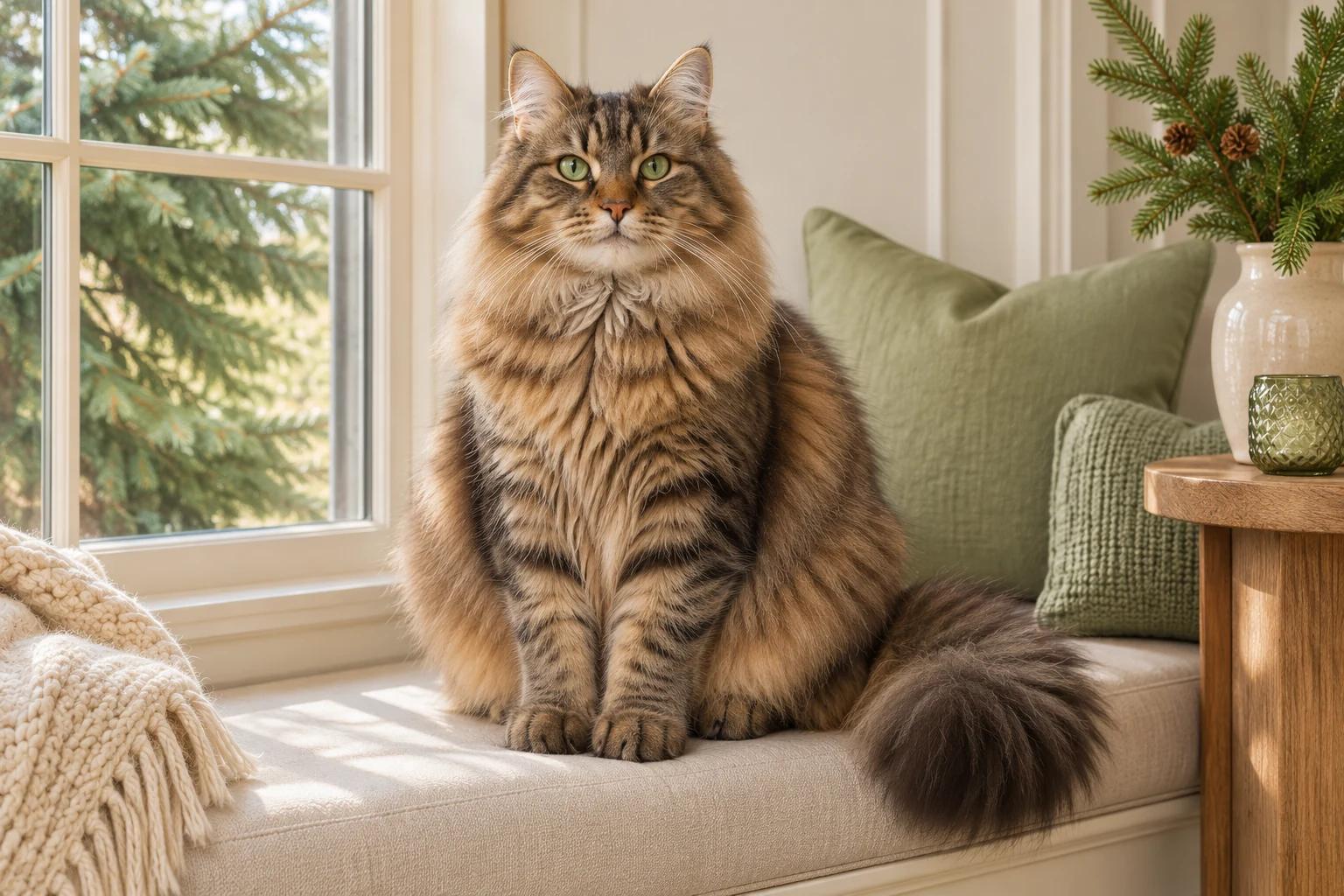
CFA describes the Siberian’s thick coat, but coat appearance cannot establish whether a person will react. Keep the breed profile and the household health decision separate. You can admire a Siberian and still conclude that bringing a cat home would be unsuitable for someone who lives there. An ownership decision should leave room for that answer.
Understand what the claim leaves out
ACAAI explains that cat allergens are proteins associated with sources including skin and saliva, as well as material carried on fur. A statement about shedding or a coat’s texture does not establish that an animal is allergen-free. A seller’s reassurance, a friend’s experience or a breed description is not an individual clinical assessment.
Ask exactly what is being claimed when you hear the word hypoallergenic. Is it a personal anecdote, a measurement from one animal or a promise about a person’s future symptoms? Those are different kinds of information. Do not let an appealing label collapse them into the same conclusion, and do not accept a guarantee that cannot account for the person who may be affected.
Speak with the clinician before planning exposure
Discuss suspected cat allergy with an appropriate allergy clinician. ACAAI recommends professional diagnosis because symptoms attributed to a cat may have other causes, and sensitivity and exposure influence reactions. Explain any history of breathing symptoms or asthma and ask what the implications are for living with a cat.
Do this before arranging a meeting intended to prove that a particular Siberian is safe. A brief symptom-free visit is not a guarantee about long-term household exposure. Do not deliberately provoke symptoms, alter medication or use a new pet as a home allergy test. Follow the clinician’s advice about assessment and any contact with cats.
Consider the household plan, not one person’s enthusiasm
Write down who would share the living space with the cat, including people who spend substantial time there. Give the affected person a real voice in the decision. A plan that depends on someone simply learning to tolerate symptoms is not a shared agreement, even if another household member is very attached to the idea of a Siberian.
Ask the clinician which management options, if any, are appropriate for your circumstances and what their limits are. This article does not prescribe medication, cleaning technology, special food or a treatment programme. The practical question is whether a sustainable arrangement is medically appropriate for this household, not whether a product can preserve an earlier promise.
Decide before the cat needs a new home
Before making a commitment, discuss what you would do if professional advice does not support bringing a cat home. Planning that conversation early protects the person with allergies and avoids placing an animal into a situation that may quickly break down. A responsible decision can be to wait or to choose not to keep a cat.
If you already live with a Siberian and symptoms are a concern, seek individual medical advice rather than relying on a breed claim to reassure yourself. Keep veterinary care and the cat’s welfare in the discussion too. The useful conclusion is not a ranking of supposedly allergy-safe breeds; it is a decision grounded in the people and animal involved.
Sources behind this article
Article source checked: October 22, 2026. Source checked 2026-10-22
Keep reading
Siberian vs Norwegian Forest Cat: Compare the Coat and the Companion
Read article →