Scottish Straight Cat Size: A Combined Reference, Not a Prediction
Understand Scottish Straight cat size as a combined adult reference, without inventing sex-specific weights, height estimates or feeding targets.
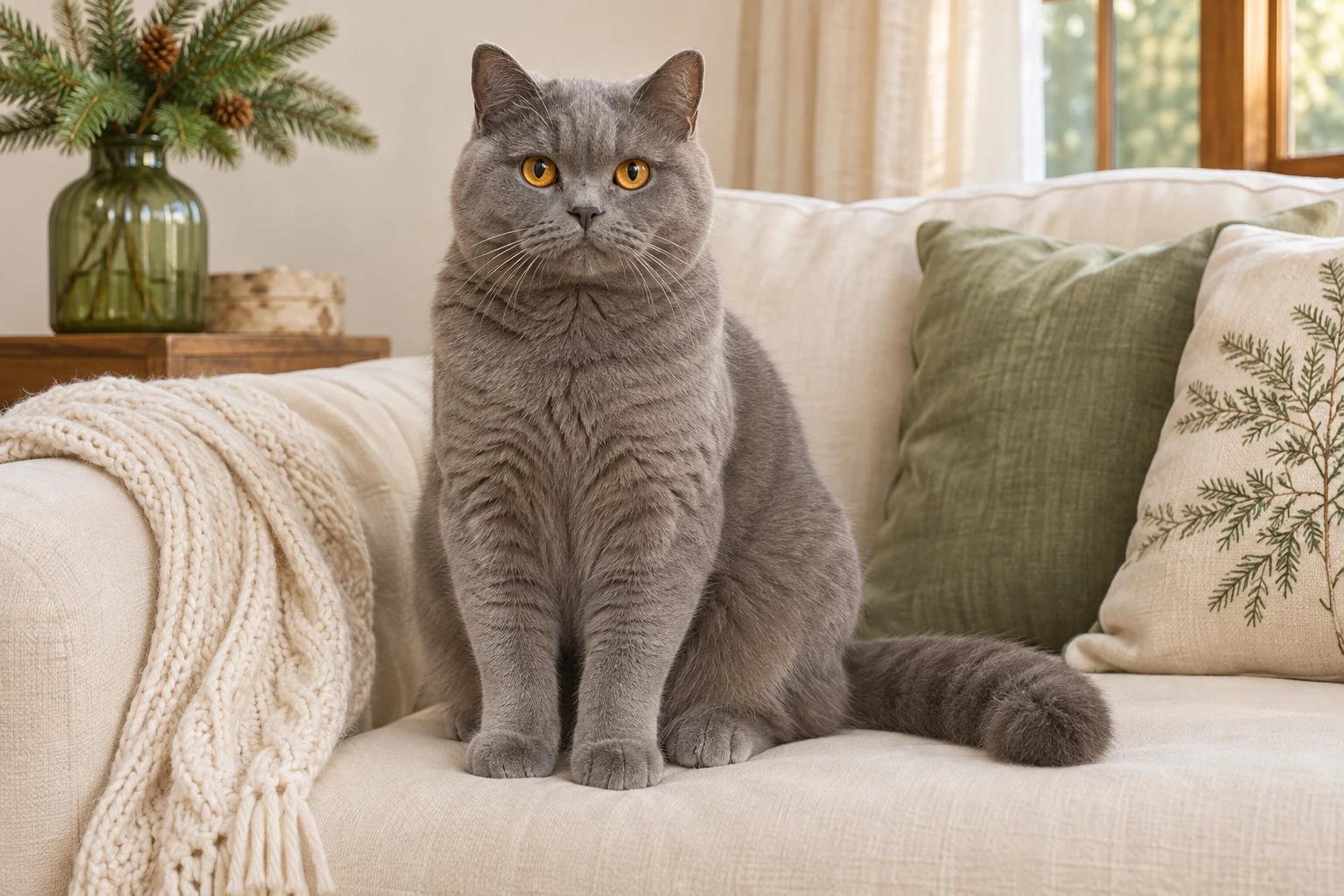
Scottish straight cat size is described by TICA as medium, with a combined adult reference of 7–10 pounds. The source does not divide that figure into female and male intervals. The current site uses the same combined description. It should remain a reference with that scope, not become an invented sex-specific chart or a feeding target for an individual cat.
This guide explains what the published information can support and how to use an actual cat's records when choosing equipment. It gives no numerical shoulder-height estimate and does not infer health or genotype from a rounded body or upright ears.
Scottish straight cat size: keep the blank fields blank
The Scottish Straight profile provides the current site description. TICA's main size summary supplies the 7–10-pound figure while the separate adult-female and adult-male fields are blank. Filling those fields by guessing would change the evidence rather than clarify it.
A combined interval also cannot predict which end a kitten will approach. Ask about the individual's age, current measured weight if available and veterinary history. Keep those records distinct from a breed-wide description and from anything inferred from a photograph.
People asking “how big do scottish straight cats get?” often want a simple supply-shopping answer. The useful next step is not another estimated number. It is identifying which practical decision needs to be made and what information about the actual animal would answer it.
Build a reference card with clear categories
A short reference card can separate three kinds of information: the registry's combined description, the individual's dated measurement and the equipment question you are trying to resolve. Do not let an empty entry in one category be silently filled by a number from another.
For example, a recorded clinic weight belongs under the individual, while a manufacturer's load limit belongs under a product. Neither establishes whether the cat can turn comfortably inside that product. Writing the categories separately makes the limits easier to remember when several people are helping prepare supplies.
Add any current professional advice about access or handling without converting it into a breed rule. The card is a practical aid, not a medical assessment or a certificate that all cats sharing the same label need identical arrangements.
Why no Scottish Straight cat height is supplied
The reviewed registry description supports a medium body type and combined weight reference, not a verified shoulder-height range here. Measuring to an ear tip, shoulder or stretched tail would produce different information. Those measurements should not be swapped to create a precise-looking answer.
If a particular opening looks awkward, discuss the opening and actual use. Can the cat enter without difficulty and change position comfortably? A generalized height number would not resolve every aspect of fit even if one were available.
Do not repeatedly position an unwilling animal to complete a measurement chart. If handling or movement makes assessment difficult, ask the veterinary team for help. Equipment should support necessary care rather than create an extra task the cat must tolerate for an online comparison.
Account for the actual coat variety
Scottish Straights occur with short and long hair. TICA's group description distinguishes their coat appearance while retaining a shared rounded body type. Fur can change the visible outline without supplying a new weight or an individual body-condition conclusion.
When selecting a resting surface, observe the positions the cat normally chooses. A long coat spread over an edge can hide how much of the torso is supported. Look at usable space and ordinary movement rather than decorative outer dimensions or the volume of fur in a picture.
The same care applies to a carrier. Check interior space, access and secure handling as well as the stated load limit. Ask which equipment the cat already uses and follow manufacturer instructions if choosing a replacement.
Body condition cannot be read from the breed interval
Cornell's feeding guidance emphasizes individual variation and veterinary advice about an appropriate weight. A cat within a published interval may still need assessment, and one outside it should not automatically have portions changed to meet the chart.
Bring dated records and relevant changes in appetite, movement or behavior to the veterinary discussion. This article supplies no calorie calculation, supplement recommendation or weight-loss timetable. The breed reference helps explain background, not prescribe care.
Where feeding is shared, keep one agreed set of instructions available. Several people independently adjusting food to keep the animal near a remembered number can make the history confusing. Clear records support the professional plan without turning a category into the plan itself.
Keep identity and health separate from size
A Straight label or upright ears cannot establish general health, and a rounded appearance cannot diagnose a particular inherited condition. UC Davis describes testing for the specific Fold-associated variant; the actual report and its scope need appropriate interpretation.
Do not automatically assign that variant to a Straight with a confirmed negative result for it. Do not infer a complete genotype or health certificate from a photograph either. The separate Scottish Straight records guide explains those documentary limits without replacing veterinary assessment.
If movement or handling changes, contact your veterinarian rather than measuring repeatedly to decide whether size explains it. Practical access can be reviewed while the cause of a concern remains a clinical question.
Prepare the home around ordinary use
Watch how the cat reaches food, water, litter and resting places. Essentials should remain accessible without a difficult challenge, and another animal should not be able to block every route. Check stability and installation instructions for furniture rather than assuming a medium label proves suitability.
Use the cat quiz to organize broader care preferences before adoption. Then bring the actual records and equipment questions to the caregiver conversation. A manageable plan distinguishes what is known, what is uncertain and what needs advice. It does not need an invented female/male split or height statistic to be useful.
Frequently asked questions
What adult weight does the source describe?
TICA gives a combined medium-sized-cat reference of 7–10 pounds. The current site follows that description without inventing separate female and male intervals.
Can I infer sex-specific weights from the combined figure?
No. The reviewed source leaves those separate fields blank. Keep the combined reference in its stated scope and ask about the actual individual.
How tall is a Scottish Straight?
No verified shoulder-height interval is supplied here. The reviewed material does not justify converting another measurement into a height chart.
Does being within the interval establish good body condition?
No. Discuss the individual's body condition and feeding with your veterinarian. A breed reference is not an individual assessment.
Sources behind this article
Article source checked: November 20, 2026. Source checked 2026-11-20
Keep reading
Scottish Straight Cat Temperament: Curiosity, Company and Individual Choice
Read article →