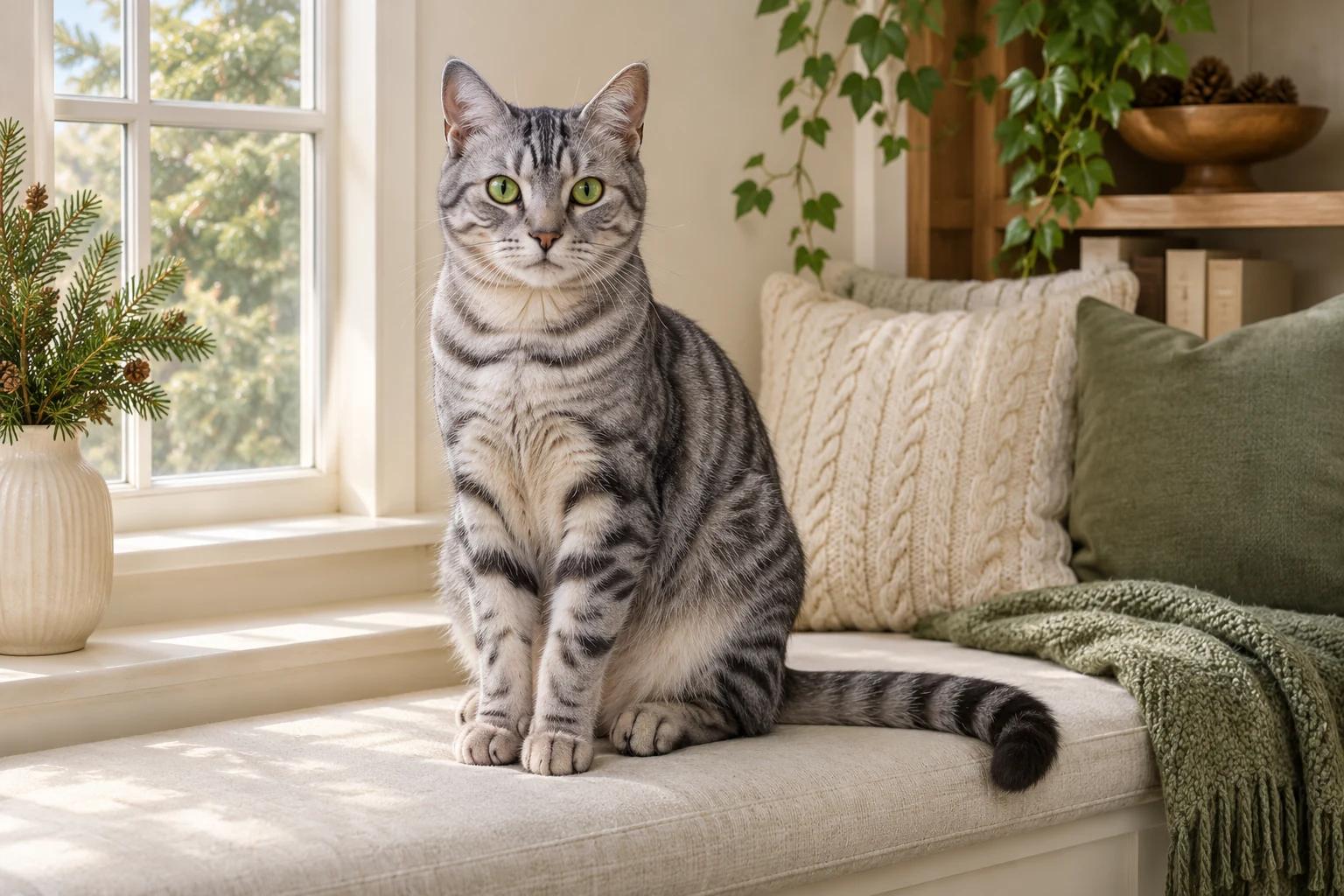
What Scottish Straight ancestry records can and cannot tell you
Understand the limits of Scottish Straight ancestry papers and ear appearance, with individual veterinary assessment and clear handling of uncertain records.
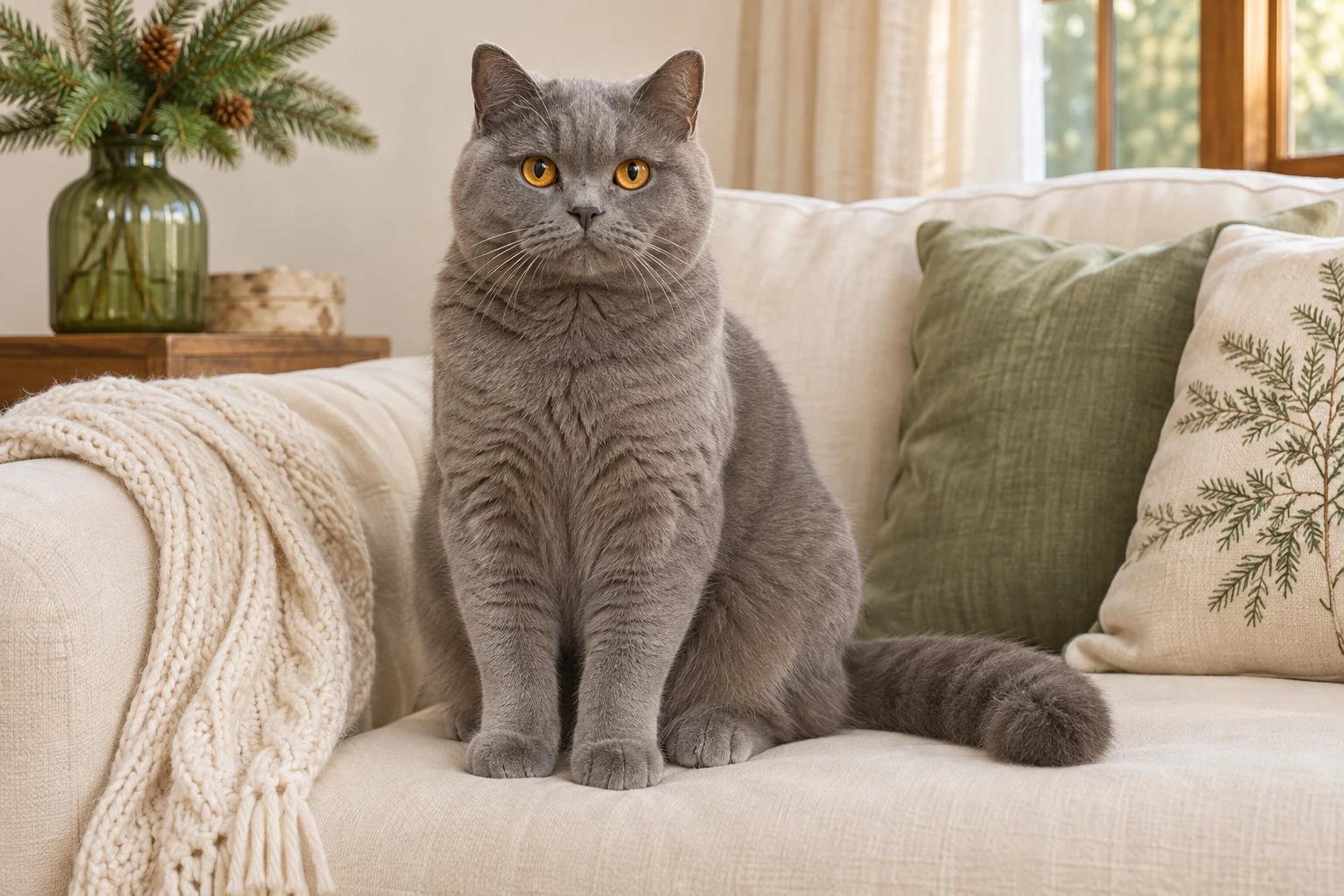
Keep appearance and ancestry separate
TICA describes Scottish Straights within the Scottish breed context. A record can help establish what an organisation has registered, but a straight ear is not a complete medical history. Start by retaining the documents that actually belong to the individual and identifying which organisation supplied each one.
If related names appear in the pedigree, ask the issuer to clarify its terminology rather than editing the labels yourself. Do not infer a clinical conclusion from a registry category. The useful distinction is between an identity statement, information about relatives and a veterinary finding for the cat you are caring for.
Do not use straight ears as a health certificate
UC Davis Veterinary Genetics Laboratory describes a test for the specific Scottish Fold variant in the TRPV4 gene. Its result guide distinguishes cats with no copy of that variant from cats with one or two copies. A pedigree records ancestry; it does not provide that individual test result. Keep those two documents separate rather than treating a family name as proof that the cat carries the variant.
If a test report is available, check that it identifies this cat and the variant tested. Ask the veterinary team to explain its scope and any relevant next step. A result about one variant is not a report on every possible health concern. If there is no report, record that information as unavailable; do not assign a genotype from the pedigree or turn uncertainty into a diagnosis or a health guarantee.
Describe the cat’s current life
Tell the veterinary team about ordinary movement, access to resources and any change you have noticed. FelineVMA notes that pain may appear through subtle behavioural or mobility differences. Do not provoke a jump or manipulate a limb to compare it with a photograph. If there is a current concern, contact the practice rather than waiting to complete the ancestry folder.
Keep observations factual and dated. An entry about a changed route to a resting place is more useful than deciding at home which inherited condition explains it. Existing clinical records, current instructions and clear descriptions give the team different kinds of evidence to consider without conflating them.
Preserve uncertainty in the handover
When another person takes over care, distinguish confirmed documents from questions still open. Keep the original veterinary directions intact and identify whom to contact about a new concern. Do not summarise an uncertain ancestry discussion as completely clear or definitely affected merely to make the note shorter.
The goal is a truthful record that supports appropriate care for this Scottish Straight. It should neither erase welfare concerns nor assign a diagnosis from a family name. Papers and appearance can contribute context; the individual’s comfort, findings and care plan still need an appropriate veterinary conversation.
Sources behind this article
Article source checked: October 22, 2026. Source checked 2026-10-22
Keep reading
Which identity and care records should accompany a Cherubim?
Read article →