Schipperke Training: Clear Cues and Practical Progress
Build Schipperke training around varied lessons, voluntary swaps, gradual distractions and comfortable introductions to everyday life.
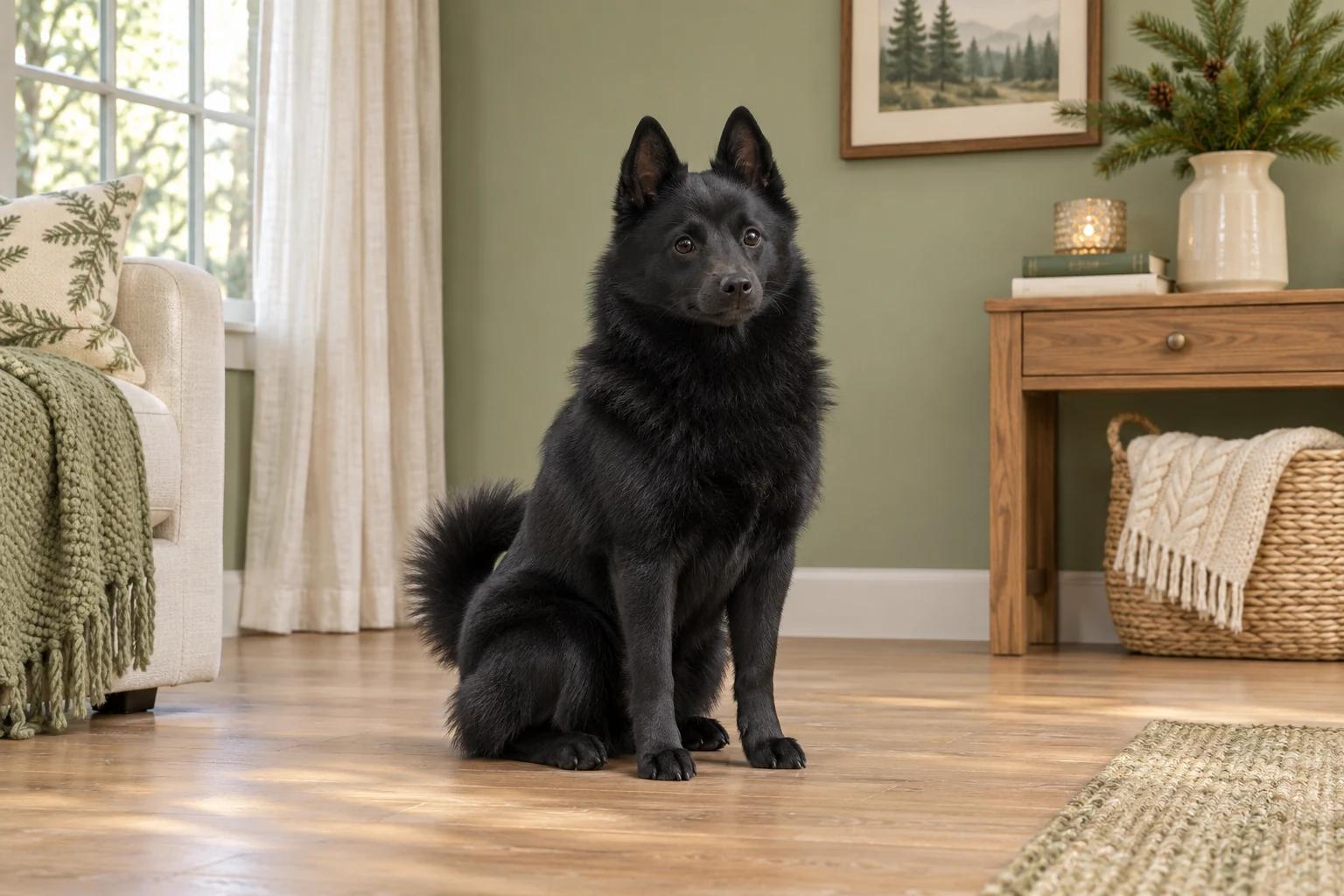
Schipperke training works best as a series of understandable tasks rather than a test of who can insist the longest. Decide what action you want, arrange an achievable starting point and notice what the dog actually does. A useful lesson changes something concrete in daily life, even when it is too ordinary to make an impressive video.
The examples below address different jobs: keeping lessons engaging, releasing an object, responding around distractions and meeting new experiences. Do not combine them into one demanding session. Choose the skill that matters now and give both yourself and the dog a clear beginning and end.
Schipperke training: make the task worth understanding
The Colonial Schipperke Club's FAQ describes an inquisitive learner and emphasizes praise and variety. It notes participation in activities such as obedience, agility and freestyle. Repeating the same routine indefinitely is not the only way to teach a small dog.
For Schipperke obedience, begin with an action you can describe precisely. Moving beside you, touching a chosen object or releasing a toy is clearer than asking the dog to behave. After a few successful attempts, end or move to a different familiar activity rather than repeating solely to prove the first success was real.
Vary the purpose without changing the meaning of the cue. If one word means one action today, it should not mean a different action tomorrow. A class can help you notice inconsistencies in your own timing or gestures. You do not need a competitive ambition to benefit from clear instruction and an enjoyable shared task.
Teach a voluntary swap instead of a chase
Battersea's drop lesson starts by pairing the word “drop” with food placed on the floor. Once that association is familiar, introduce a relatively unimportant toy and offer the food after the cue. Let the dog choose to release the toy rather than pulling it from the mouth.
Later, pause after the cue and reward the actual release. Progress toward more valued toys only when the easier version is reliable. Keep the first lessons separate from moments when the dog has something dangerous. Practice is not an emergency retrieval plan.
Do not chase the dog around the room to finish a lesson. If it cannot manage the exchange, return to an easier stage. If it stiffens, guards the item or makes you worried about approaching, stop and seek qualified help. The aim is a willing exchange, not teaching the dog that people approaching always means a struggle over possessions.
How to train a Schipperke around distractions
AKC's distraction-training guidance recommends introducing small distractions and increasing them gradually. It also separates distraction from distance and duration: do not make all three harder at once. A response learned in a quiet room may need more teaching elsewhere.
Try a familiar brief cue with an unexciting toy lying well away from the working area. Stay close to the dog and reward the response. If that is easy, change one detail next time, such as moving the toy slightly nearer. Do not suddenly throw it past the dog's nose while also walking away and asking for a longer response.
Choose a location where you can control the first attempts. A doorway through which people keep arriving is not a useful place to stage a careful lesson. If the dog cannot respond, reduce the challenge rather than repeating the cue more loudly. Success at an easy version gives you something to build on.
Schipperke socialization is more than meeting strangers
UC Davis's puppy-socialization guidance emphasizes positive, controlled experiences with different people, environments, surfaces and sounds. Encounters should be brief and adjusted when the puppy shows stress. Discuss appropriate locations and disease precautions with your veterinarian rather than following a universal outing schedule.
A quiet observation can be a useful experience without a greeting. Let the puppy watch a person moving at a comfortable distance, then leave before the scene becomes overwhelming. You do not need to pass it between people or insist that it approach every unfamiliar object.
Watch for changes such as retreating, repeated lip licking, yawning or ears held back in context. Give the puppy more space or end the encounter when it is struggling. Socialization is not a quota to complete at the expense of comfort. Ask for professional guidance if ordinary experiences remain difficult rather than increasing exposure indiscriminately.
Make your instructions easier to follow
Before a lesson, decide where your hands will be and where the reward will come from. An unplanned sequence can become confusing: you say one thing, search several pockets, shift position and then reward a different action. Practise your own movements without the dog if you keep losing track of the sequence.
If two people share teaching, demonstrate the cue to each other. A word that sounds identical may be accompanied by very different gestures. Agree on the action you mean and avoid correcting the dog for following the version another person has taught.
When seeking help, describe the lesson rather than only its disappointing result. What did you ask, what happened immediately afterward and what did you reward? A trainer can work with that account. “He knows it but refuses” leaves out the information needed to decide whether the task was actually clear.
Training should make everyday life more understandable, not turn your dog into a project that is never finished. You can enjoy ordinary company without issuing requests. Choose practical goals and recognize the difference between a useful skill and a performance you want only because another dog can do it.
For the wider breed picture, see the Schipperke profile and dog match quiz. The natural-tail article addresses appearance and history, not an explanation for learning ability.
FAQ
Should I keep repeating a cue when my dog cannot respond?
First make the task easier and check the surroundings. Repeating more loudly does not remove a distraction or make an unclear request understandable.
Must socialization include greeting everyone?
No. A brief, comfortable observation can be enough. Do not force contact to satisfy a checklist.
What should I tell an instructor about an unsuccessful lesson?
Describe the request, your movements, the dog's response and what happened next. That sequence is more informative than a general claim that the dog is stubborn.
Sources behind this article
- Colonial Schipperke Club: FAQ ↗
- Battersea: Drop it ↗
- AKC: Distraction training ↗
- UC Davis: Puppy socialization ↗
Article source checked: November 16, 2026. Source checked 2026-11-16
Keep reading

Affenpinscher Training: Build Useful Everyday Habits
Read article →