Rafeiro do Alentejo Training: Useful Everyday Skills
Build Rafeiro do Alentejo training around clear rewards, a controlled recall exercise and practical management of gates, distractions and social contact.
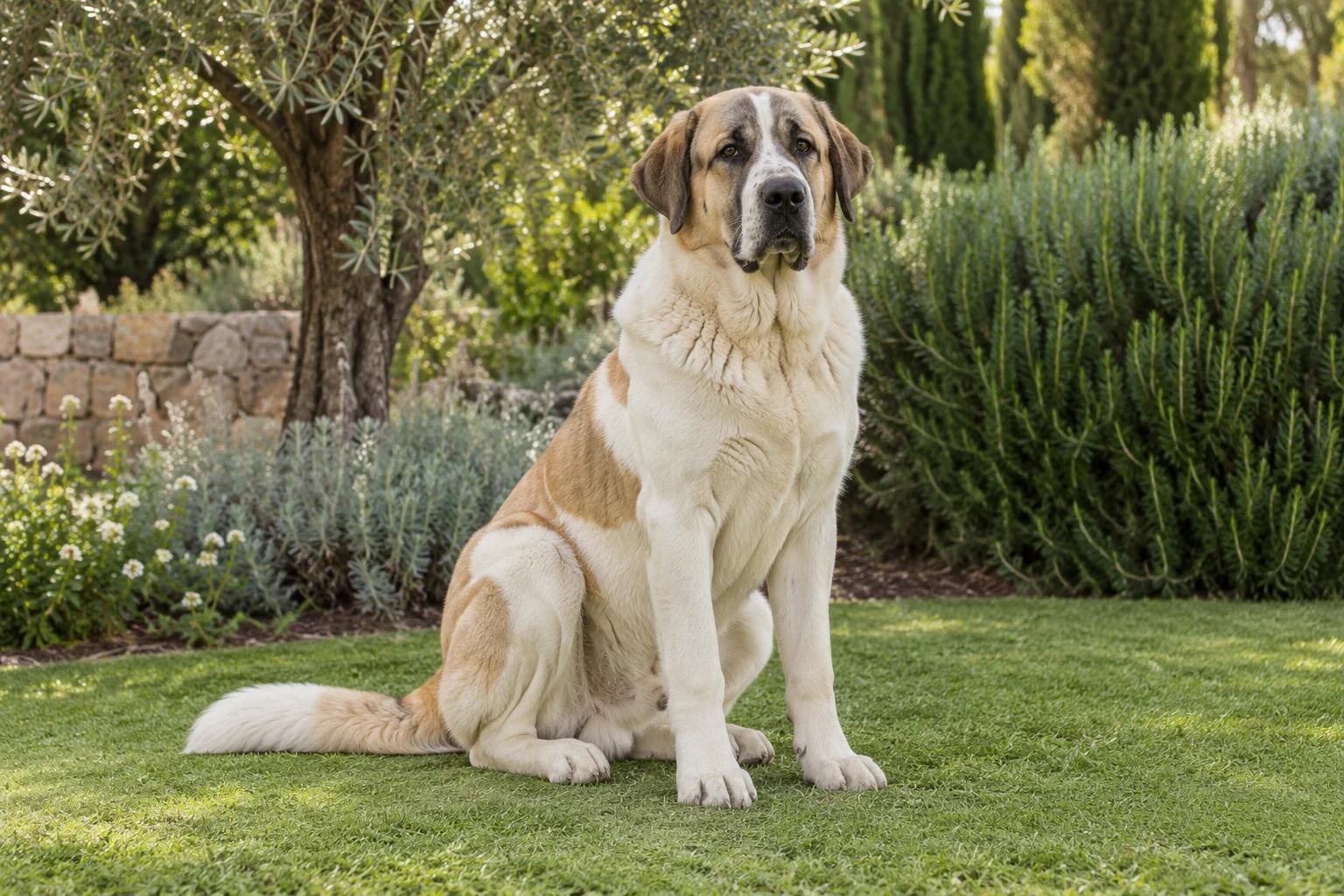
Rafeiro do Alentejo training should make everyday movement and communication easier before you ask for impressive obedience. A dog with this physical presence needs more than a handler who hopes to hold on tightly. Start with a clear return-to-you exercise in a secure setting, then consider how it fits gates, outings and ordinary household activity.
The breed profile provides context, but an individual dog's learning history matters more than a rating. A good first lesson is one both of you can understand and repeat comfortably.
Rafeiro do Alentejo training: teach an action, not a label
The FCI standard identifies a property and livestock guarding function. In a companion setting, the practical goal is clear communication around everyday events, not encouraging suspicion or staging guarding tests. FCI standard.
Define what you want to see. For a return cue, that might be the dog turning toward you and arriving within comfortable reach. Do not combine returning, sitting, waiting and accepting equipment into one unexplained demand at the start.
Choose a reward that you can deliver without fumbling. Food should fit the dog's dietary guidance; play should be manageable in the available space. If the reward scatters across a slippery floor, you have made the physical setup harder than necessary.
Use a reward-based approach from the beginning
AVSAB recommends reward-based methods for all dog training and rejects methods based on pain, fear or intimidation. It emphasizes teaching desired behavior and arranging the environment, with professional assessment for serious behavior concerns. AVSAB humane-training statement.
The breed's size is not a reason for harsher handling. If you cannot manage an exercise safely, change the setup and seek qualified help. Repeated lead jerks or physical confrontation do not supply a missing explanation of the task.
For Rafeiro do Alentejo obedience, useful structure means the same cue predicts the same action. It does not mean the dog must tolerate an overwhelming situation because you have decided the lesson should continue.
How to train a Rafeiro do Alentejo to return
Dogs Trust recommends beginning in a quiet enclosed place, using a consistent recall cue and rewarding the return. Distance and distractions are added gradually; a long line attached to a harness can provide security during outdoor practice. Dogs Trust recall guidance.
Watch the arrival as carefully as the start. If the dog reaches you but has to squeeze past your knees or a chair, reposition yourself. A large body needs room to complete the action without an awkward turn.
Increase distance within the same quiet area before adding another distraction. Change one challenge at a time.
Make your own signals easy to read
Avoid leaning forward with the reward hidden behind your back while expecting the dog to guess the destination. Use a consistent presentation and keep the arrival area obvious. Another person can observe your movement without calling the dog too.
If the dog is not responding, examine the situation before repeating the word. Is it looking at something outside the boundary? Did you move to a place it cannot reach directly? Have you changed the task from the last successful attempt?
Dogs Trust advises keeping the return positive rather than becoming angry when it takes longer, and not repeatedly calling when a return is unlikely. Dogs Trust.
Gates require management as well as learning
Before practicing near a gate, check the latch, the opening direction and who controls access from the other side. A learned cue does not prevent someone else from opening an entrance unexpectedly.
Keep a secure physical boundary while teaching movement away from that area. Do not release the dog toward a road, livestock or visitors to test whether the lesson works under pressure. Training is not a substitute for containment.
A long line also needs thoughtful handling. Keep it clear of legs and obstacles, and obtain practical instruction if you are unfamiliar with the equipment. The goal is controlled practice, not allowing a heavy dog to build speed before reaching the end.
When the layout is too cramped for safe practice, choose another location. A simpler environment is often a better teaching decision than adding more equipment to a difficult space.
Rafeiro do Alentejo socialization is not forced greeting
Keep a route away during new experiences; a greeting is optional.
AVSAB distinguishes gradual, comfortable exposure from overwhelming exposure and recommends veterinary evaluation for serious fear or aggression. Ask for an individual plan when those concerns are present. AVSAB.
For a puppy, discuss appropriate experiences and health precautions with the veterinary team. For an adult, learn what is already familiar before assuming it should respond like a dog raised in your environment.
The dog quiz can help clarify your expectations. Keep the seasonal flock-journey history separate from the training plan; historical work does not establish present skills.
FAQ
Does a successful garden recall justify removing barriers?
No. A familiar response in one setting does not replace secure boundaries. Keep physical precautions around roads, visitors and livestock while building skills in appropriate conditions.
What should an observing helper watch?
Ask the helper to watch your position and the dog's arrival space, not to issue competing instructions. For a large Rafeiro, a chair leg or your own stance can leave an unnecessarily awkward turning point.
Should every socialization outing include a greeting?
No. Calm observation and an uncomplicated departure can be useful outcomes. Do not force contact to prove the dog is friendly or ready for a more demanding environment.
Sources behind this article
Article source checked: November 16, 2026. Source checked 2026-11-16
Keep reading

Affenpinscher Training: Build Useful Everyday Habits
Read article →