Pomeranian training: useful skills for a small dog
Build a Pomeranian training plan around clear cues, household routines, rewarding progress and manageable practice.
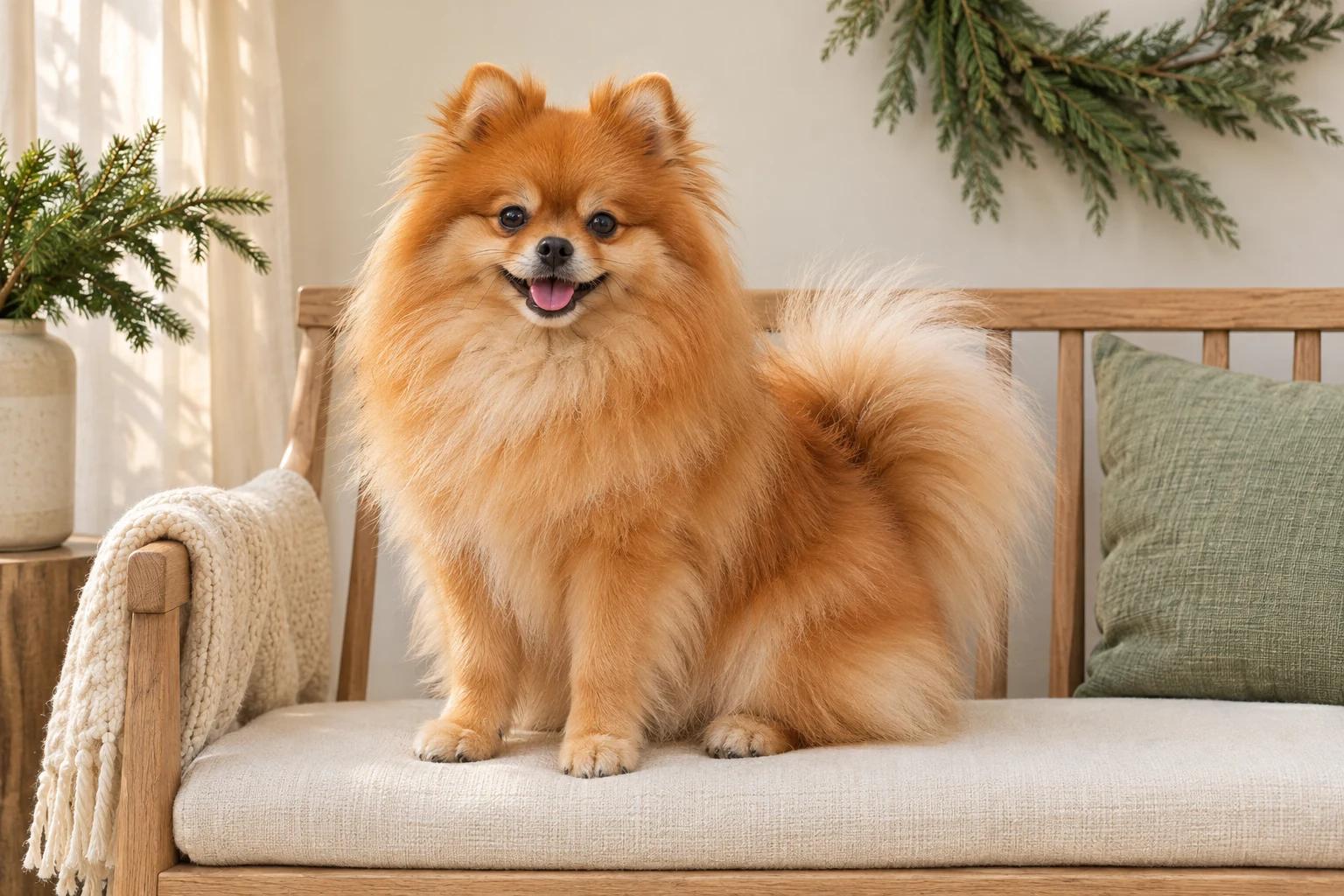
Pomeranian training works best when the goal is clear enough to see. “Be good” is vague; walking through the hallway beside you, waiting while a door opens or returning when called are skills you can actually practice. A small dog needs those opportunities just as much as a large one, even when picking it up would seem quicker.
Begin with the everyday situations that cause friction in your own home. The Pomeranian profile describes an alert companion that benefits from daily learning games. Your training plan should turn that interest into a few useful habits, not an endless list of tricks.
Pomeranian training starts with a household agreement
Before teaching the dog, compare the words everyone uses. Does “down” mean lie on the floor, stop jumping or get off the sofa? Pick one meaning for each cue and put the list somewhere visible. This is particularly useful when family members swap care at different times of day.
Choose three initial priorities. For a Pom in a busy apartment, those might be coming away from the entrance, staying on a mat during shopping deliveries and following a person through the lobby. A dog in a quieter home may have different needs. Training should solve your daily problems rather than copy someone else's impressive video.
Prepare the practice area before inviting the dog in. Clear the floor, close doors that need to remain closed and have rewards ready. Decide what counts as success before starting. “Four paws on the mat” is easier to recognize and reward than “looking settled enough.”
Make the reward explain the lesson
VCA's veterinary behavior guidance explains that rewards need to follow the behavior you want to strengthen promptly. It also notes that what motivates one dog may not motivate another. Food, play and interaction are possibilities, not interchangeable prizes. VCA reinforcement guide.
For your Pom, try a simple observation exercise outside a formal lesson: note which appropriate rewards the dog willingly engages with. Do not label the dog stubborn because your first choice was uninteresting. Keep food rewards small and discuss how they fit the dog's diet with your veterinarian.
A reward station can be a closed container on a shelf, out of the dog's reach, near the room where you practice. The point is practical: you should not have to leave the dog, rummage through a cupboard and then try to remember what you meant to reinforce. Preparation makes your timing easier.
Keep a tiny training record
After a session, write one sentence describing what happened. For example: “Returned from the rug when called with the room quiet; struggled when the front door opened.” That entry gives tomorrow's practice a starting point. “Bad recall” does not.
Record your own setup as well. Were you standing in a different place? Was someone eating nearby? Did the dog have an opportunity to toilet first? The record is not a scorecard for the Pom. It helps you identify what changed before deciding to make the task harder.
Teach a pause with a clear ending
A useful Pomeranian obedience goal is holding a position briefly until released. AKC's stay guidance separates duration, distance and distraction and recommends building them gradually, rather than increasing everything together. It also explains why a consistent release word matters. AKC stay lesson.
Apply that idea to one ordinary task: putting on your own shoes. First practice a brief pause near you with no shoes involved. Later introduce the shoes without simultaneously moving across the room. The shoe routine is an example to adapt, not a deadline for how quickly your dog should learn.
Keep a physical barrier in place when an open exterior door would create risk. A new cue is practice, not a substitute for management. If the dog moves, reset calmly and make the next attempt simpler. You are trying to create understandable repetitions, not catch the dog making a mistake.
Plan for alerts before visitors arrive
With a vocal, alert dog, begin by identifying what is actually happening. Is the trigger a knock, a person crossing a window or activity in the corridor? Write down the pattern over several ordinary days. That gives a trainer useful information and helps you avoid treating every bark as the same problem.
Arrange a comfortable waiting area away from the entrance. Decide who will manage the dog and who will answer the door. Rehearse the human part before inviting visitors: a well-chosen cue will not help if someone leaves the gate open while carrying a parcel.
If barking is persistent, distressing or difficult to interrupt, seek qualified help rather than escalating your response. Sudden behavioral changes also deserve a conversation with your veterinarian. Avoid shouting matches, forced greetings or equipment intended to frighten the dog into silence.
Socialization is not a greeting quota
For Pomeranian socialization, prepare questions about the individual's experience instead of working through a checklist of strangers to meet. Ask the breeder, rescue or previous caregiver which environments are familiar and which need careful introduction. Discuss appropriate puppy outings with your veterinarian.
Your own planning can be very specific. Find a quiet place to observe everyday activity, identify an exit before arriving and decide who will handle the dog. A crowded event is not automatically a better lesson than a brief, uneventful outing. If the dog is uncomfortable, create space rather than insisting that the planned encounter must happen.
Handling belongs in the plan too. Tell the groomer which parts of an appointment your Pom finds difficult, and ask what preparation to work on with a reward-based trainer. Our Pomeranian coat-care article covers the separate maintenance routine; training should help make cooperation possible, not force completion of a grooming job.
Decide what progress should look like
If you are wondering how to train a Pomeranian successfully, measure usefulness rather than speed. Can a second caregiver follow the same plan? Is the hallway routine easier than last week? Do you know which situations still require management? Those are meaningful improvements even before a cue works in every setting.
Use the dog match quiz if you are still considering ownership and want to examine how daily teaching fits your schedule. For an existing dog, select one manageable next step and practice it consistently. A small collection of reliable household skills is worth more than a long list of unfinished lessons.
FAQ
What should I teach a Pomeranian first?
Start with skills that matter in your home, such as responding to a name, coming toward you and waiting in a designated area. Agree on cue meanings with everyone who provides care before adding complexity.
Why does my Pom respond indoors but not outside?
The outdoor situation may involve different distractions and expectations. Make the task easier and record the setting in which the dog can succeed. Do not assume a cue learned in a quiet room is ready for every environment.
Can an adult Pomeranian begin training?
Yes, an adult can begin learning household skills. Start with its existing experience and current needs, use rewards the dog values and seek professional guidance for difficult behavior. Health or comfort concerns should be discussed with a veterinarian.
Sources behind this article
Article source checked: November 15, 2026. Source checked 2026-11-15
Keep reading

Affenpinscher Training: Build Useful Everyday Habits
Read article →