Pomeranian coat care: make a plan beneath the fluff
Understand the Pomeranian double coat and build a practical brushing plan with a groomer, realistic home-care notes and clear expectations for appointments.
There is more than one layer to consider
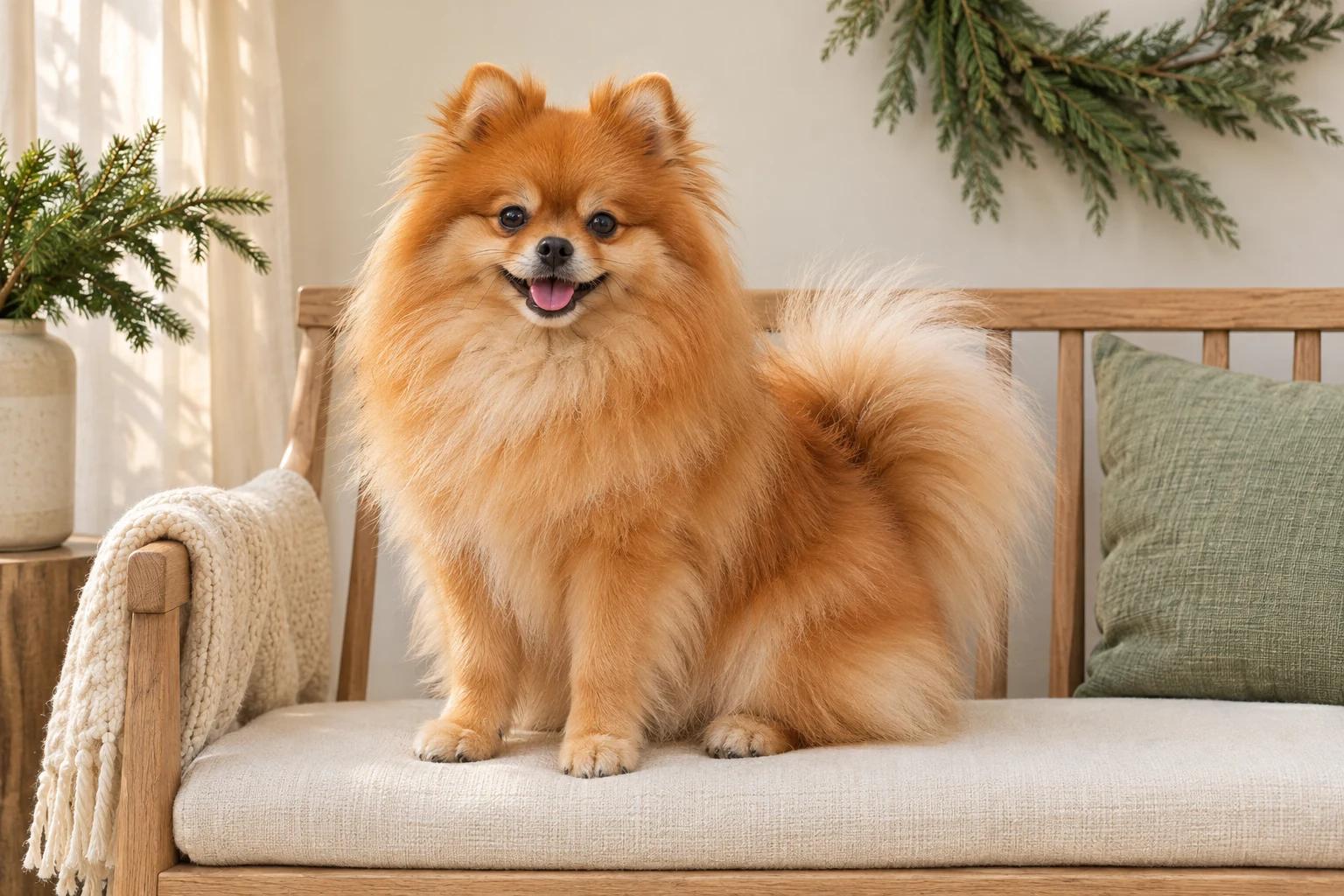
A Pomeranian's outline can make the coat seem like one cloud of hair. The breed standard published by the American Pomeranian Club describes a dense, shorter undercoat beneath longer outer hair, with a ruff, heavily coated hindquarters and a plumed tail. Understanding those different areas gives a beginner a better starting point than brushing only the most visible surface.
Ask a groomer familiar with Pomeranians to show you how to work through your dog's coat comfortably. Bring the brush and comb you own so the demonstration answers a practical question: can you repeat this at home with these tools? If a different tool is suggested, ask what job it performs before buying a whole collection.
Turn the demonstration into a small map
Draw a simple outline of a dog and mark the areas demonstrated. Beside each, write the tool used and anything you need to remember about handling. This is your record of an individual lesson, not a universal map of where every Pom will tangle. The aim is to remember the less obvious areas as well as the impressive ruff.
The club's owner introduction recommends regular brushing to remove shedding coat and avoid mats. Use that as a reason to establish a routine, while asking the groomer how the schedule should change for this coat's condition. A fixed time allowance from a leaflet cannot account for a particular dog's tangles or tolerance.
Keep sessions and appointments connected
Choose a calm place with stable footing and keep the tools within reach. Work at a pace the dog can comfortably tolerate, and stop if handling appears painful or distressing. Do not turn a missed session into a determined attempt to pull out every knot. Ask for professional help with coat that you cannot work through gently.
Between appointments, note which areas repeatedly need help and whether your current schedule is realistic. Share those notes before the next groom. Agree on what the visit will include and how much trimming you are requesting; a photograph alone may not communicate your expectations. Ask what maintenance the proposed result will require afterwards.
Judge the routine by ordinary days
A useful plan leaves you knowing what to do after a walk, when to check the coat and when to book help. Review it after a normal week rather than only admiring the freshly groomed result. If the dog develops a new skin or coat concern, bring it to the veterinarian instead of treating a cosmetic appointment as a diagnosis.
Sources behind this article
Article source checked: October 20, 2026. Source checked 2026-10-20
Keep reading
Miniature Poodle grooming: plan beyond the haircut
Read article →