Persian Cat Temperament: Quiet Company With Individual Preferences
Explore Persian cat temperament, affection, play and grooming cooperation while respecting individual preferences and recognizing concerning changes.
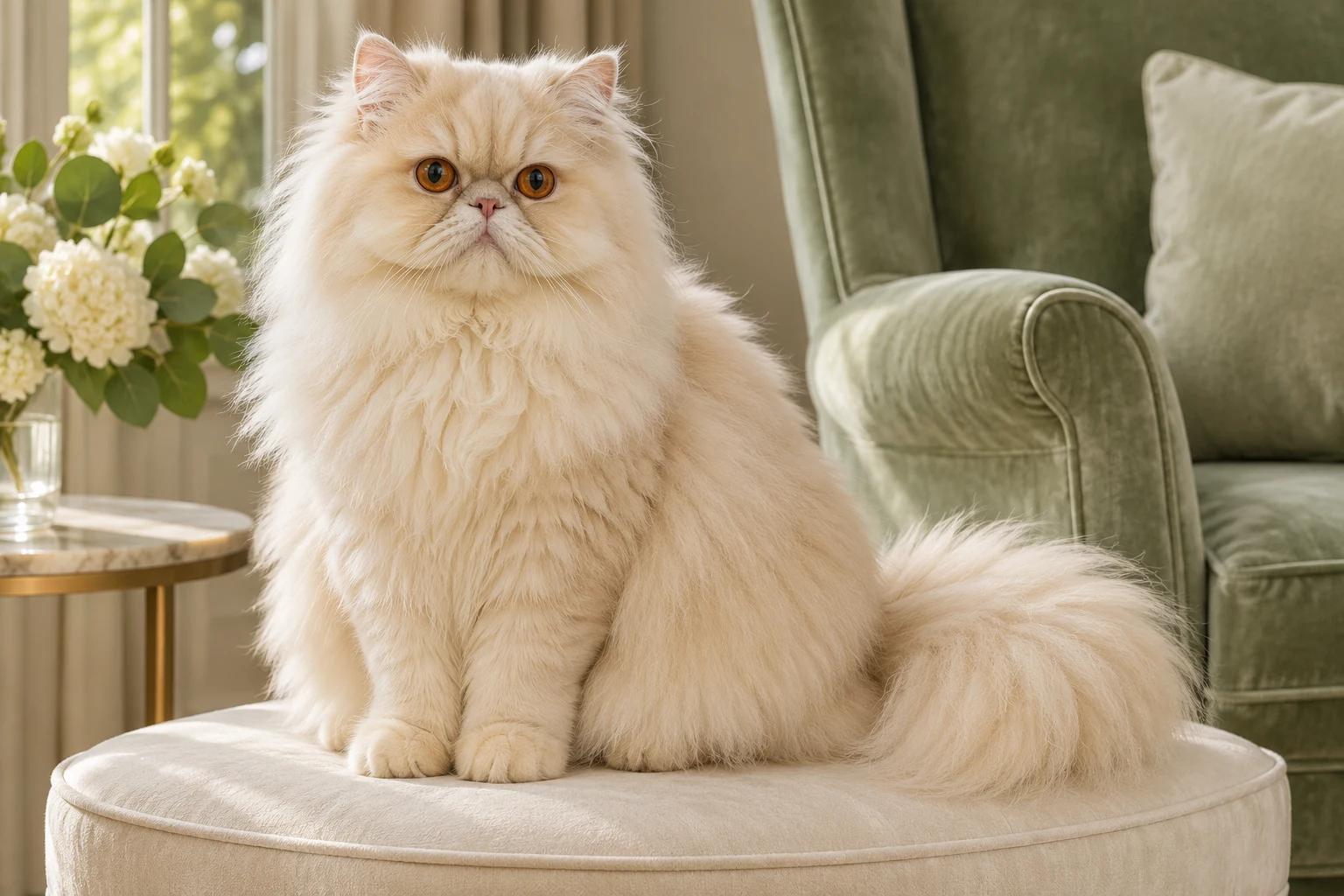
Persian cat temperament is often associated with calm company and a quieter household rhythm. That description can help you imagine life with the breed, but it should not make the cat disappear into the background. A quiet companion still has preferences about contact, play, visitors and the substantial coat care its appearance requires. The relationship works best when you notice those preferences rather than equating a lack of noise with consent.
This article looks at persian cat personality as part of an ownership decision. It does not diagnose behavior or promise that every Persian will be placid, comfortable with handling or suited to a particular family.
Persian cat temperament: calm is a starting description
TICA describes gentle, quiet cats, and CFA also presents a placid companion with an interest in affection and play. The current Persian profile keeps that calm description alongside the individual animal's choices. Use it as a reason to ask what comfortable company looks like, not as a guarantee of unlimited tolerance.
Ask the caregiver for an ordinary example. Does the cat rest near someone, approach for brief contact or prefer a particular person or location? What does it do when the room becomes busy? These details bring a broad temperament description closer to the home you are considering.
A cat that remains still during a meeting has not necessarily shown you its full personality. Ask whether the setting and behavior are familiar. Give the animal space and time rather than trying to obtain an immediate demonstration of affection.
Quiet affection need not look like lap sitting
Persian cat characteristics are sometimes packaged as a promise of a decorative lap companion. That expectation can be unfair to an animal that enjoys being nearby but chooses a separate cushion. Let proximity, petting and being lifted remain different questions.
When a cat approaches, offer a familiar form of contact and pause to notice its response. If it chooses to leave, allow it. Avoid following it from one resting place to another to complete the cuddle you expected. The opportunity to decline helps keep everyday encounters understandable.
Explain these preferences to visitors before they approach. An adult should guide children and protect undisturbed resting places. The quiet breed description is not evidence that the cat can be handled by everyone, at any time, or that a new pet will be accepted without careful introductions.
Coat care is part of the relationship
The Persian's substantial grooming commitment changes what daily contact involves. Ask to see the actual combing routine and learn which handling the individual already accepts. Affection during a quiet evening does not establish comfort with every grooming tool or position.
CFA describes regular coat maintenance, and the site's current profile asks prospective owners to arrange a demonstration rather than choosing on appearance alone. Consider your ability to learn, maintain supplies and obtain professional help when needed. A person who enjoys the coat's appearance may still need a realistic assessment of the work behind it.
Do not interpret resistance to an uncomfortable task as a general personality fault. Stop and ask your veterinarian or an experienced cat groomer how to proceed appropriately. This article does not provide restraint instructions, mat-removal techniques or a reason to continue until the cat becomes quiet.
Offer play without demanding a different personality
A calmer animal can enjoy an invitation to follow a toy or explore something suitable. Avoid making a Persian prove that it is playful by increasing the intensity until it responds. Instead, ask what it already enjoys and observe how it chooses to take part.
The play opportunity may be brief, and its preferred timing may differ from yours. Keep useful options available alongside rest and retreat. FelineVMA's indoor-cat guidance emphasizes physical and emotional needs; a quiet reputation should not be used to justify an empty environment.
At the same time, do not treat a sudden change as a harmless expression of temperament. A cat that stops familiar activities or appears uncomfortable needs veterinary advice. Your role is to describe the change, not to decide that the animal is simply becoming more typical of its breed.
Consider change and visitors individually
Before bringing a Persian home, ask how it has responded to changes in routine, unfamiliar people and travel. A single favorable experience is useful history but does not guarantee the same response in a different setting. Request details about what made the situation manageable.
Prepare a quieter transition area with appropriate resources and a place to hide. Let the cat explore as it becomes comfortable, rather than introducing every room and household member at once. If you already have animals, obtain guidance about a gradual introduction suited to them.
A busy household is not automatically unsuitable, and a quiet household is not automatically a good match. What matters is whether people can protect rest, manage interactions and maintain care. Discuss the actual circumstances with the caregiver instead of trying to select a universally easy temperament.
Keep observations separate from assumptions
Persian cat behavior can be subtle enough that people describe it only in emotional labels. Replace a label such as grumpy with what you actually saw: the cat moved away when a tool appeared, avoided a familiar step or stopped approaching for contact. Concrete information is easier for a professional to assess.
The existing Persian eye-observation guide explains why a new concern should not be hidden by routine cleanup. The same general care principle applies to behavior: a familiar breed description does not establish that a change is harmless. Contact your veterinarian when something is different or concerning.
Do not try to provoke the behavior again just to confirm your interpretation. A note about the setting and timing may be enough to begin a useful conversation. Follow professional advice about what to observe next rather than testing the animal's limits.
Decide whether you can support this individual
Use the cat quiz to clarify the kind of daily company you enjoy, then compare those preferences with a practical care history. Include grooming, play, handling and backup care during absences. The amount of attention a person wants to give is only one part of whether the arrangement will work for the cat.
Ask which responsibilities are most likely to surprise a new owner. An honest answer about a demanding coat or a particular handling preference is useful information, not a reason to abandon the individual behind a less convenient description. The aim is a commitment you understand and can sustain, with room for the animal's choices.
Frequently asked questions
Are all Persians calm lap cats?
No. Calm breed descriptions do not guarantee lap sitting or a particular handling preference. Ask about the individual and distinguish nearby company from wanting to be held.
Does a quiet Persian still need enrichment?
Yes. Offer suitable play, retreat and resources. A quiet disposition is not a reason to assume the cat needs no interesting choices or interaction.
Does grooming resistance mean a Persian has a bad temperament?
No. A response to a tool or handling situation needs its own assessment. Seek appropriate advice rather than forcing the task or assigning a personality label.
Can changed behavior be dismissed as normal for the breed?
No. Contact your veterinarian about a sudden or concerning change. A breed reputation cannot diagnose the cause or establish that the animal is comfortable.
Sources behind this article
Article source checked: November 20, 2026. Source checked 2026-11-20
Keep reading

American Bobtail cat temperament
Read article →