Persian eye care: what to notice before reaching for a wipe
Know what to record about a Persian’s eyes, which changes need veterinary advice and why cleaning should not hide a new problem.
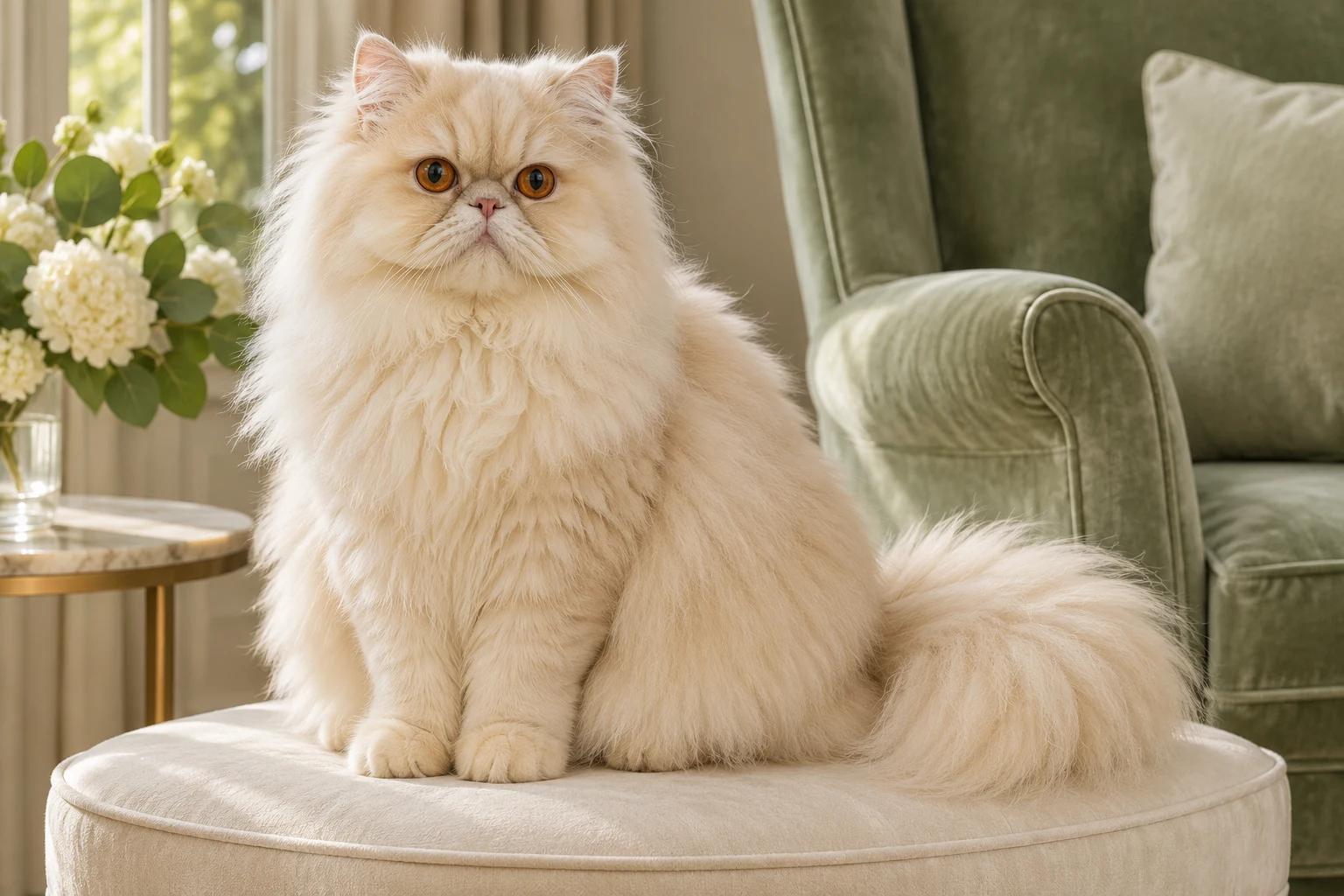
Start with comfort rather than appearance
A Persian’s face can attract attention before anything else. CFA describes the breed’s short nose and broad face, while Cats Protection explains that flat-faced cats can experience eye problems associated with their anatomy. That does not tell you which condition, if any, an individual cat has. It does make a comfort-focused observation routine more useful than a purely cosmetic one.
Ask your veterinary team what is usual for your cat and what should prompt contact. If the cat already has a care plan, keep the instructions available to every caregiver. A familiar appearance should never become a reason to dismiss a change, and a breed name is not a diagnosis that explains every watery eye.
Record what changed before tidying it away
When you notice something different, make a simple note: which eye is involved, when you first saw it and whether the cat is behaving differently. A photograph, taken without flash or forcing the cat into position, may help you describe what you observed. It should support a conversation with your vet, not become a way to diagnose a condition yourself.
Tell the veterinary team about any existing eye medication or cleaning products and when they were last used. If several people share care, compare notes before the call so the history is consistent. “It has looked unusual since this morning” is more useful than a confident explanation based on something you saw online.
Recognize reasons to contact the vet
Cats Protection lists signs of eye problems including squinting, excessive blinking, redness, cloudiness and rubbing at the eyes. Contact your vet promptly about a change or any concern about comfort, and follow the urgency advice they give you. Do not wait for a scheduled grooming session to ask about a newly uncomfortable-looking eye.
Avoid deciding that a symptom is simply normal for Persians. The same visible sign can have different causes, and appropriate treatment depends on the cause. Your role is to notice and communicate, not to choose between possible conditions. If an appointment is recommended, ask what information to bring and whether any existing care instructions should change before the visit.
Keep cleaning within an agreed plan
Ask the veterinary team to demonstrate any routine cleaning they recommend for this cat. Request clear instructions about equipment, products and frequency rather than assembling a routine from cosmetic tear-stain tips. If the cat resists or seems uncomfortable, stop and seek advice instead of holding it still to finish for appearance’s sake.
Cats Protection advises veterinary assessment for eye problems rather than home remedies. Do not put leftover eye medication, human eye products or unapproved stain treatments into the routine. Cleaning the surrounding area cannot establish whether the eye itself is healthy, and a tidy face should not be the only result you are measuring.
Make the care history portable
Keep a short care record with the cat’s appointment details, current instructions and observations. Give a sitter the same record, including whom to call and what changes to report. Ask them to describe what they see rather than quietly changing products to make the face look cleaner before you return.
Before adopting a Persian, discuss any known eye-care needs and ongoing costs with the present caregiver and your vet. The aim is an informed care commitment, not an assumption that all cats with this appearance need the same treatment. Good everyday attention begins with the individual cat’s comfort and a plan for obtaining help when something changes.
Sources behind this article
Article source checked: October 22, 2026. Source checked 2026-10-22
Keep reading

Noticing changes in a quiet Chartreux’s everyday behaviour
Read article →