Oriental Shorthair Cat Size: A Lean Frame in Context
Explore Oriental Shorthair cat size and separate registry weight references from individual body condition, transport and equipment fit.
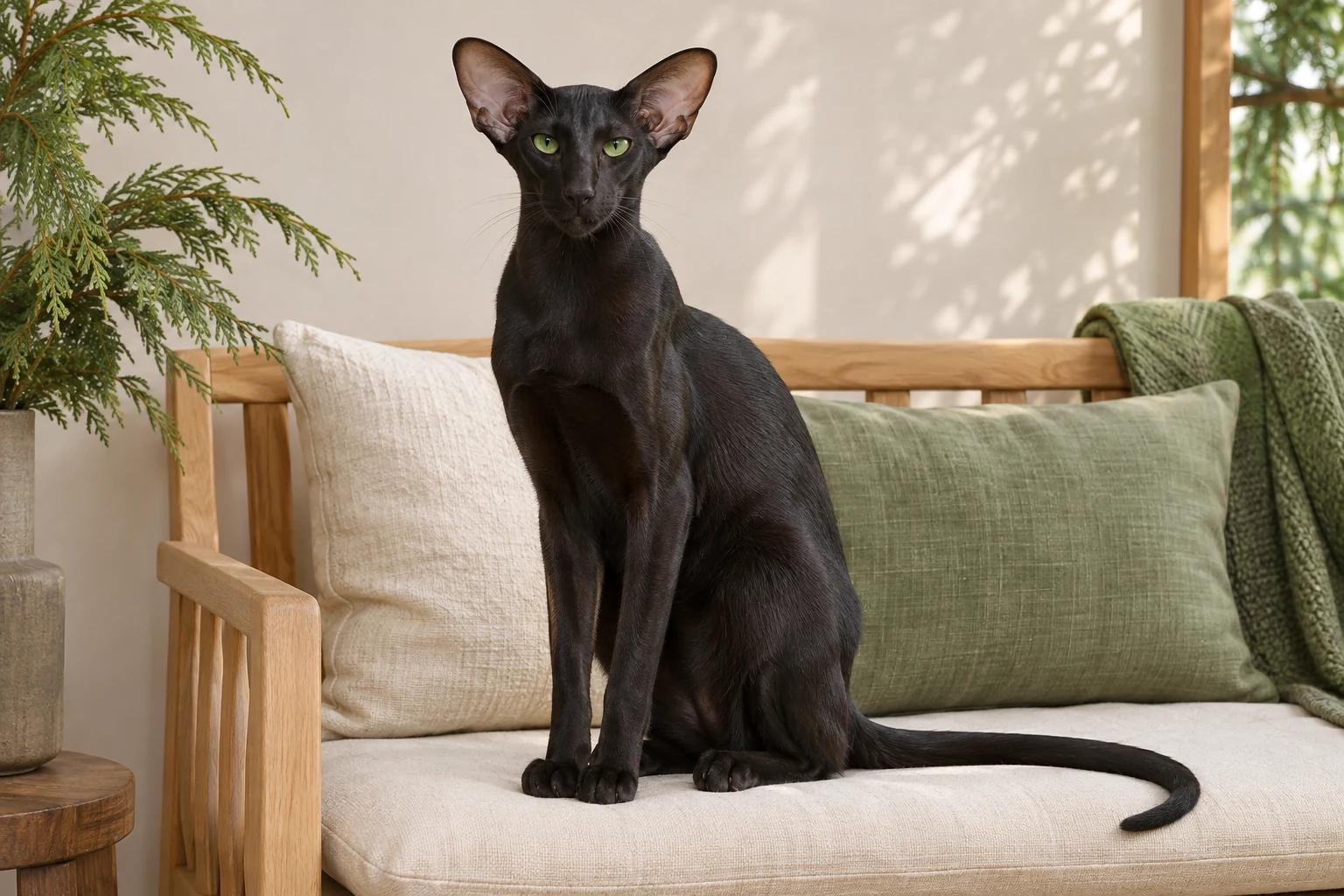
Oriental shorthair cat size is best understood as a combination of weight and shape. The site's current TICA-based references are approximately 5–8 pounds for adult females and 8–12 pounds for adult males. The breed's long lines and prominent ears can make photographs hard to judge, and a sleek coat leaves less outline hidden than a long coat would. None of those features lets you diagnose body condition from appearance alone.
This guide separates oriental shorthair cat weight references from the practical questions about housing, transport and daily access. It also explains why we do not supply an unsupported height figure.
Oriental shorthair cat size: keep the source attached
TICA describes a medium-sized, slender but muscular Siamese-group cat. Its approximate female and male figures are the ones used in the Oriental Shorthair profile. Other registry accounts use different wording and scope. Where those figures disagree with the current site reference, they are not added here as a competing recommendation or blended into a new range.
For your own cat, neither reference replaces veterinary assessment. A small female and a larger male may both fit the breed description, but so may an individual whose history needs more context than a chart supplies. Keep age, sex and the date of any actual weight available when discussing it with a professional.
A breed page is useful for setting expectations before a meeting. Once you are choosing equipment or reviewing a change, the actual animal takes priority over the category.
The long outline is not a height measurement
Searches for oriental shorthair cat height can produce precise-looking numbers without explaining where they were measured. The reviewed registry material here establishes a long-lined body type and approximate weights, not a verified shoulder-height interval. We do not turn ear height, stretched length or a product photograph into a breed statistic.
If a measurement is needed, state the question first. Is a carrier opening awkward, does a bed support a stretched posture, or is access to a resource difficult? Those are different problems. A single shoulder-height figure would not answer all of them even if one were available.
Observe normal movement where it is comfortable to do so. Do not repeatedly position or restrain a cat to obtain a number for comparison with an internet chart. If handling or mobility raises concern, ask your veterinary team for help with the underlying issue.
Carrier labels can hide the useful dimensions
A carrier's weight limit is one constraint, not a complete fit assessment. Look at the usable interior, the opening and how the cat can change position. The long torso described in registry standards may matter to usable space even when the animal weighs less than the product's stated maximum.
Ask the current caregiver what carrier the cat uses and whether there are established travel difficulties. If you need a replacement, consider how it opens for access as well as how it is carried. Follow the manufacturer's instructions, and seek veterinary advice about a suitable design when you are unsure.
An opportunity to investigate a carrier at home is different from an urgent test before departure. Allow familiarization where practical and avoid forcing the animal into an unsuitable container to prove it fits. Transport planning includes both the equipment and the way the cat experiences it.
Build stable routes, not athletic assumptions
The Oriental Shorthair's active reputation may make climbing furniture appealing, but it does not certify a shelf or predict an individual jump. Check load limits, installation and the surface itself. Consider whether another animal might use the same structure at the same time.
Give the cat a comfortable route to resources and a choice of resting places. A visually slender animal still needs secure support. Avoid making food, water or a preferred resting place depend on an awkward leap simply because the breed is often called athletic.
FelineVMA's indoor-cat guidance includes safe places and separated resources. When assessing your rooms, think about access as well as floor area. A narrow route that another cat can block may matter more than the overall size of a room. Watch how the individual uses the arrangement rather than judging it only from a furniture plan.
Do not confuse slender type with a feeding instruction
CFA and TICA describe a refined, muscular outline. That is not an instruction to keep a cat as thin as possible, and photographs cannot establish whether a particular animal is receiving appropriate nutrition. Discuss body condition, diet and any concern about weight with your veterinarian.
When collecting a history, ask for dated weights rather than a remembered estimate. Explain changes in appetite, activity or other behavior to the veterinary team. Do not conclude that a number is harmless simply because it falls inside a published interval, or that it requires correction because it lies outside one.
If care is shared, keep a single agreed set of feeding instructions. Avoid several people independently changing portions in response to what they think a lean breed should look like. A clear handover helps preserve the professional plan and makes later changes easier to explain.
Make size one part of the ownership decision
People asking “how big do oriental shorthair cats get?” may be deciding whether the breed suits a small home. Body size alone cannot answer that. The care discussion also needs company, play, usable retreat and dependable daily responsibilities. A light animal is not automatically a low-demand companion.
The existing Oriental Shorthair companionship guide addresses the human schedule behind those responsibilities. Use the cat quiz to organize broader preferences, then ask about the actual candidate cat's routine and equipment.
Before buying supplies, make a short list of what you know and what still needs checking. Include the current measured weight if available, familiar carrier, preferred resting positions and any mobility advice. That list gives you a practical starting point without pretending a reference range can predict every part of life with the animal.
A lean-outline check for the household
Separate two questions on your equipment list: whether a surface supports the cat comfortably, and whether you are concerned about body condition. The first can be explored through the actual product and ordinary use; the second belongs in a veterinary assessment. Record an opening or platform that is awkward, rather than writing that the cat is simply too thin or too long for a medium-size label. This keeps the breed’s fine outline from becoming either an unsupported diagnosis or an excuse to overlook poor fit.
Frequently asked questions
What weight reference does My Breed Atlas use?
The current TICA-based reference is approximately 5–8 pounds for adult females and 8–12 pounds for adult males. Individual body condition still needs its own assessment.
Why does another registry give a different figure?
Published accounts can use different wording and scope. This article follows the current site reference and excludes conflicting figures rather than creating a blended range.
What is the breed's shoulder height?
No verified shoulder-height range is published here. Long body lines and large ears do not justify inventing a numerical height estimate.
Does a small Oriental Shorthair need less interaction?
Body weight does not establish social or enrichment needs. Ask about the individual and plan a suitable environment and routine independently of its size.
Sources behind this article
Article source checked: November 20, 2026. Source checked 2026-11-20
Keep reading
Oriental Shorthair Cat Temperament: Reading an Expressive Cat
Read article →