Japanese Akitainu Training: Clear Skills, Calm Practice
Plan Japanese Akitainu training around clear routines, comfortable social exposure, walking skills, and cooperative handling without forced greetings.
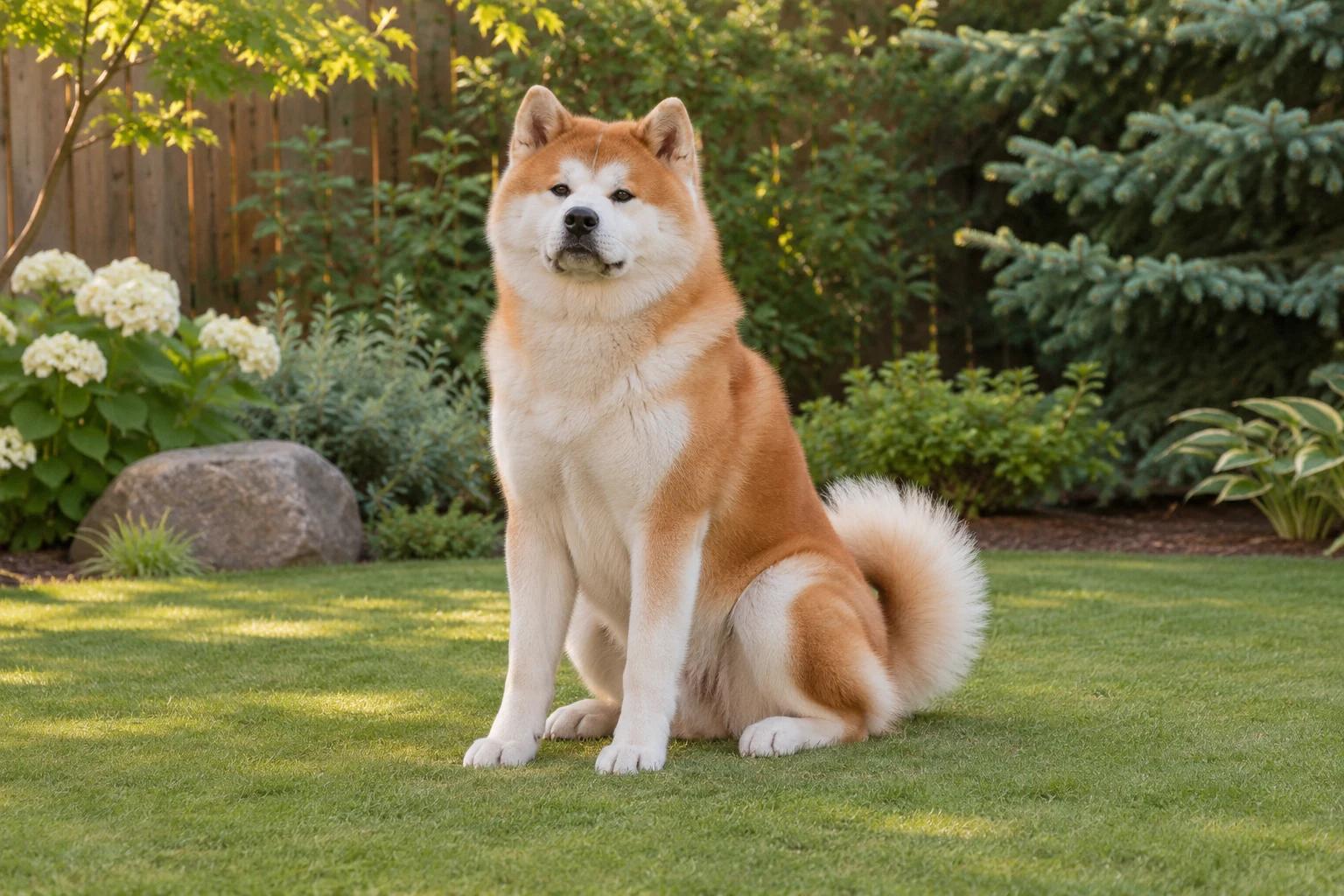
Japanese Akitainu training is easiest to organize when you decide what you want the dog to do in ordinary situations. Moving away from a doorway, walking with you past a distraction, and standing comfortably for a brief coat check are concrete goals. “Be more obedient” is not.
Read the Japanese Akitainu profile alongside the individual dog's history. Then build a plan around the places, people, and routines it will actually encounter, rather than trying to produce an outgoing demonstration dog.
Japanese Akitainu training starts with clear expectations
The UKC breed standard describes an intelligent, independent dog that can be reserved with strangers. A training plan should leave room for comfortable observation and useful cooperation, not insist on enthusiastic interaction with everyone.
Choose a few essential household cues and agree on their meaning. If one person uses “wait” for a doorway pause and another uses it for remaining on a bed, clarify the difference before the dog has to guess.
Write down what happens after the response as well. Does the doorway cue end when you say a release word? Does a call to come mean approaching your side or stopping several steps away? Small ambiguities become more noticeable when different people handle a large dog.
Begin with an achievable version in a familiar room. Increase difficulty by changing one feature at a time, such as location or duration, rather than adding several challenges together.
Build a workable departure routine
The first training opportunity may happen before you leave home. Put rewards and walking equipment within reach, clear the immediate area, and decide where the dog should stand while you prepare.
Practise that position separately from an actual walk if departures are exciting or confusing. Reward a brief successful pause, release the dog, and reset. You do not need to hold a long position on the first attempt.
Next, add one small piece of the real sequence: picking up the lead, approaching the door, or touching the handle. If the dog cannot perform the familiar response, make the setup easier instead of repeating the cue more loudly.
The JACA maintenance guide emphasizes household consistency and discusses fitting equipment and preparing training supplies. A departure checklist is one way to turn those practical preparations into a routine everyone can follow.
Teach walking where there is room to succeed
Choose a quiet practice area with space to turn. Reward the dog for moving beside you briefly, then offer a pause. Work on a change-of-direction cue before trying to use it beside an unfamiliar dog or a busy entrance.
Notice the point at which the task becomes difficult. If the dog can follow you in a driveway but not near a crowded pavement, the useful next step is an intermediate setting, not a judgment that it has decided to ignore you.
A simple route plan can include a quiet starting stretch, a place to pause, and an alternative way home. This gives you options if the usual route is unexpectedly crowded. Changing direction early is often more practical than remaining trapped in a narrow encounter.
Seek hands-on guidance if handling is difficult. Advice about equipment fit and teaching technique should address the dog and handler together, not assume that physical strength will solve the problem.
Socialization can aim for comfortable neutrality
Japanese Akitainu socialization does not have to mean greeting every person or dog you pass. Being able to notice something and continue the outing is a useful goal in its own right.
For example, you might observe a quiet public area from a distance where the dog remains comfortable. Reward connection with you, keep the visit manageable, and leave before adding unnecessary complexity. The next session can revisit that setting rather than seeking a completely new challenge every time.
For puppies, discuss the timing and setting of social exposure with your veterinarian. For adults, ask previous caregivers what experiences are familiar and which need a more gradual approach.
Do not use a busy dog gathering as an automatic training shortcut. Plan any introductions individually, with appropriate guidance and enough space to separate. The aim is to teach useful responses, not to prove friendliness through repeated close contact.
Make grooming cooperation a skill of its own
A Japanese Akitainu's substantial coat makes routine handling worth teaching before a full grooming session is due. Start with the setup: approaching the care area, standing briefly, and seeing a brush without immediately beginning a long task.
Reward a small comfortable step and pause. A short touch to an easy-to-reach area may be enough for an early session. Add handling gradually, with a groomer's guidance about technique and tools.
Keep a record of what the dog accepts comfortably. “Stood for a brief shoulder brush” is a clearer starting point for the next session than “grooming went badly.” If the dog moves away or becomes uncomfortable, reconsider the task rather than holding it in place to finish an arbitrary amount.
For the breed's separate coat-marking topic, see what urajiro describes. Knowing appearance terminology and teaching comfortable handling are different jobs.
Evaluate Japanese Akitainu obedience by useful outcomes
A dog that waits while equipment is checked, changes direction with its handler, or rests while a visitor enters has learned something valuable. Training success need not look like a long performance of repeated commands.
Review one situation at a time. What did you ask? What happened? Was the reward ready? Was the environment harder than in previous practice? Those questions help you change the setup without turning a missed response into a confrontation.
If you are researching how to train a Japanese Akitainu before bringing one home, arrange support early. Ask a reward-based professional how they would structure walking, visitor routines, and handling practice for the individual dog. Choose someone who can explain the steps rather than relying on claims about dominance.
Keep the plan realistic for everyone
Put a short cue list and departure routine where household members can find them. Include occasional caregivers in a demonstration instead of assuming they know what the dog has learned.
Review progress regularly, but do not change the entire plan after one difficult outing. Persistent problems warrant qualified training help; sudden unexplained behavior changes also deserve veterinary discussion. The breed match quiz can help prospective owners decide whether this ongoing teaching commitment fits the companionship they want.
FAQ
Should Japanese Akitainu socialization involve every passing dog?
Japanese Akitainu socialization does not require greeting every passing dog. Socialization can include comfortable observation and continuing an outing without a greeting. Plan introductions individually and avoid forcing close encounters as a test of progress.
What is a useful first training goal?
A useful first Japanese Akitainu training goal is an everyday action, such as waiting briefly for walking equipment or following a turn in a quiet room. Teach an easy version before adding distractions or longer duration.
How should I respond when a familiar cue stops working outside?
If a Japanese Akitainu's familiar cue stops working outside, consider whether the setting is harder than the practice environment. Increase distance from distractions or simplify the task, then rebuild gradually. Seek qualified help for recurring difficulties rather than escalating pressure.
Sources behind this article
Article source checked: November 16, 2026. Source checked 2026-11-16
Keep reading

Affenpinscher Training: Build Useful Everyday Habits
Read article →