Great Pyrenees Training: Everyday Skills That Matter
Build a Great Pyrenees training plan around short lessons, clear rewards, calm doorways, handling, and realistic socialization goals.
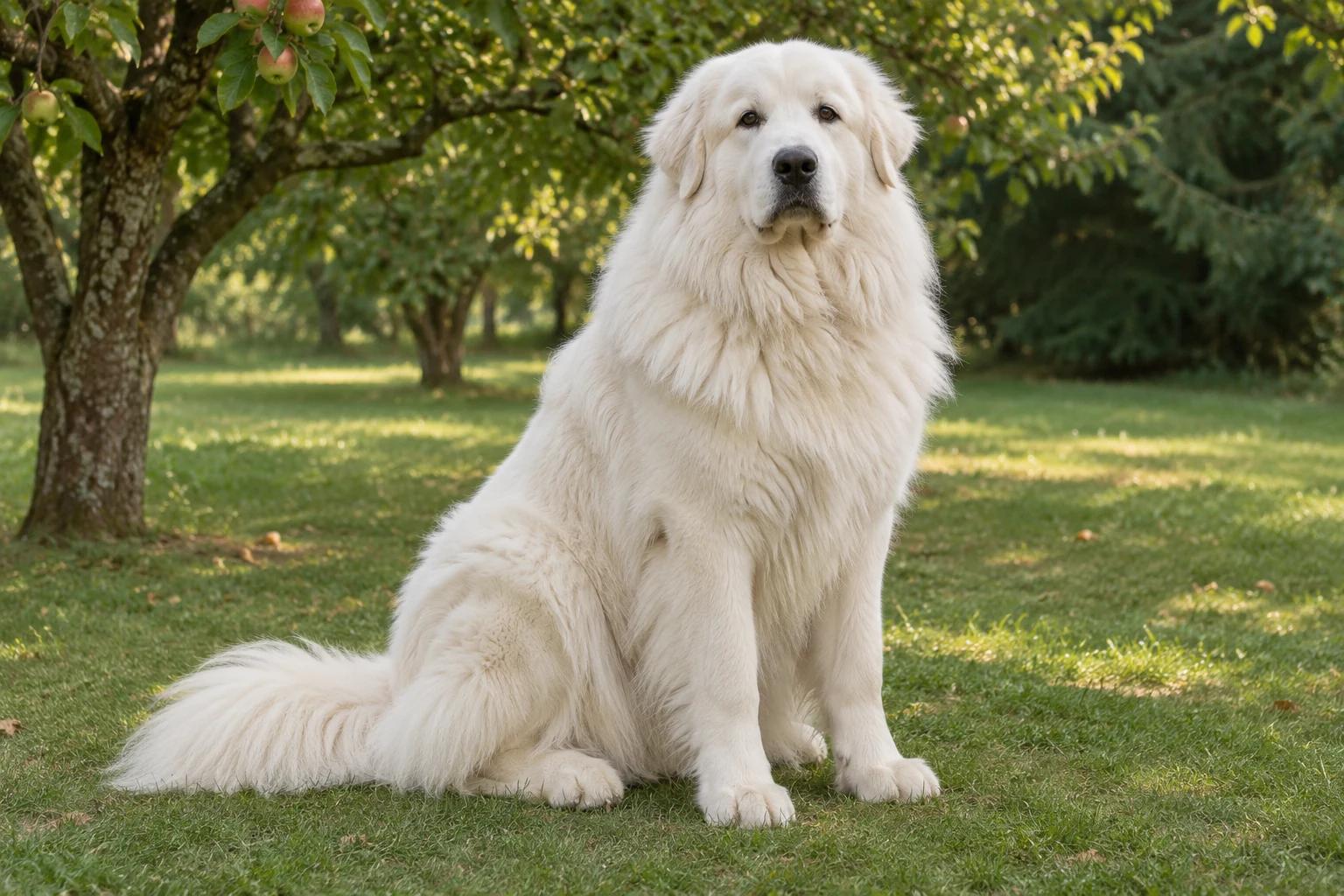
Great Pyrenees training works best when you define the household skills you need instead of imagining a perfectly obedient dog in every setting. Coming away from a doorway, standing for coat care, and walking with a person are useful goals for a large companion. Make each goal small enough to practice, and record what success looks like before adding difficulty.
This is a companion-dog plan, not instruction for preparing a livestock guardian. The separate article on the Great Pyrenees's guarding background explains why those roles should not be confused.
Great Pyrenees training begins with a short list
Choose three priorities that affect your own home. In a house with a narrow entrance, moving away from the front door may come first. If brushing is awkward, comfortable handling may be more urgent than a trick. If outings begin with a scramble for equipment, practice the departure sequence before extending the route.
The Great Pyrenees Club of America's training guidance highlights the breed's independence and its tendency to lose interest in repeated drills. The practical implication is to make lessons brief and purposeful. Finishing after a few clear successes is more useful than continuing until both of you are frustrated.
Keep a tiny notebook with a heading for each skill. Record the location, distraction, and result. “Walked beside me from the kitchen to the back door” tells you what to repeat. “Bad at walking” does not tell you what to change. This is especially valuable when several people share the dog's care.
Make the reward understandable
VCA's explanation of predictable rewards describes reinforcing wanted behavior and introducing distractions gradually after a cue is understood in an easy setting. Use that principle deliberately, rather than expecting the dog to discover your household rules by trial and error.
For example, choose a place a few steps back from the entrance where your Pyr can stand comfortably. Practice moving there while the door stays closed and nobody is waiting outside. Reward the successful movement. The initial task is simply getting to that place, not remaining there through a delivery, a conversation, and a visitor carrying bags.
Once the easy version is familiar, separate the next changes. You might touch the door handle without opening the door. On another repetition, you might open it slightly while a second barrier keeps the dog contained. Avoid increasing duration, noise, distance, and excitement all at once.
These examples are household planning ideas, not a promise of a fixed training timetable. A reward-based trainer can help you choose an appropriate progression if you are unsure how to proceed.
How to train a Great Pyrenees for daily handling
Think of handling as a conversation with many small parts. Approaching with a brush, briefly touching the shoulder, lifting equipment, and completing an entire grooming session are not the same task. Start with the part your dog can comfortably accept.
Set up the area before inviting the dog over. Put the towel, brush, and rewards within reach so you do not need to hold the dog while searching for something. Use a stable surface with room for a large body to turn. End while the session remains manageable, rather than using your own desire to finish as the only stopping rule.
Write down the areas that are easy and those that need help. “Comfortable with shoulder brushing, uncertain when I reach toward the rear foot” gives a groomer or trainer something specific to work with. If handling suddenly becomes difficult or appears painful, consult your veterinarian instead of treating the change as disobedience.
Great Pyrenees obedience outside the living room
A cue learned at home is a starting point. A different doorway, a moving bicycle, or a nearby dog changes the task. Do not judge all outdoor learning by the most crowded pavement you can find.
Choose a quiet practice location with room to move away. Rehearse one familiar skill, then return to an ordinary walk. If the dog cannot engage, simplify the scene rather than repeating the cue more loudly. Distance and a less busy location may make the session easier to understand.
For a large Pyr, route planning is part of training preparation. Identify wide places to pause and alternative exits before you need them. Avoid using a narrow gateway as your first test of passing another dog. Keep your lead and equipment ready, and ask a qualified trainer to check fit and handling if you feel physically outmatched.
A recall cue is worth teaching, but do not use an unfenced area as an examination. Practice in secure settings. A successful response during a quiet lesson does not establish that the dog will return around every distraction.
Great Pyrenees socialization is not a greeting quota
Build a list of everyday situations your dog will encounter: the person who walks it, the grooming location, the sound of the building entrance, and the route to the car. Discuss an age-appropriate introduction plan with your veterinarian and trainer, especially for a puppy.
A practical aim is comfortable observation, not contact with everyone. During an outing, leave room for the dog to watch without being surrounded. You can decline an approach, cross the street, or end the session. More encounters are not automatically better encounters.
Ask household members to use the same words and routines. A dog that is invited to push through one doorway and stopped at another needs a clearer pattern, not a lecture about stubbornness. Put the plan on a small card by the equipment so visiting caregivers can follow it too.
Review progress by asking what has become easier in normal life. Can you attach the lead without juggling? Can the dog move away from the entrance? Is brushing less awkward? Those changes matter more than comparing your Pyr's speed with another dog in class.
For broader context, see the Great Pyrenees profile. If you are still choosing a breed, use the breed quiz to consider how much daily training you want to undertake.
FAQ
Is a Great Pyrenees impossible to train?
No. A Great Pyrenees can learn practical skills, but the lesson format and motivation matter. Use brief sessions, reward clear successes, and work with a trainer who can adapt exercises to the individual dog rather than demanding identical responses from every breed.
What should I teach first?
Begin Great Pyrenees training with a skill that improves your immediate routine, such as moving back from an entrance or accepting lead attachment. Break it into a small task you can practice in a quiet place before expecting it during busy moments.
What if my dog suddenly stops responding?
If a Great Pyrenees stops responding during training, consider the situation before assuming defiance. The setting may be harder, the cue unclear, or the dog uncomfortable. Simplify training and seek professional help for persistent difficulties. A sudden behavior change or apparent discomfort belongs in a conversation with your veterinarian.
Sources behind this article
- Great Pyrenees Club of America: Obedience Training ↗
- VCA Animal Hospitals: Using Predictable Rewards to Train Your Dog ↗
Article source checked: November 16, 2026. Source checked 2026-11-16
Keep reading

Affenpinscher Training: Build Useful Everyday Habits
Read article →