A Great Pyrenees guards the flock: that is a different job
Understand the difference between livestock guarding and herding, and why a Great Pyrenees’s background does not make every dog ready for farm work.
Start by naming the work you need done
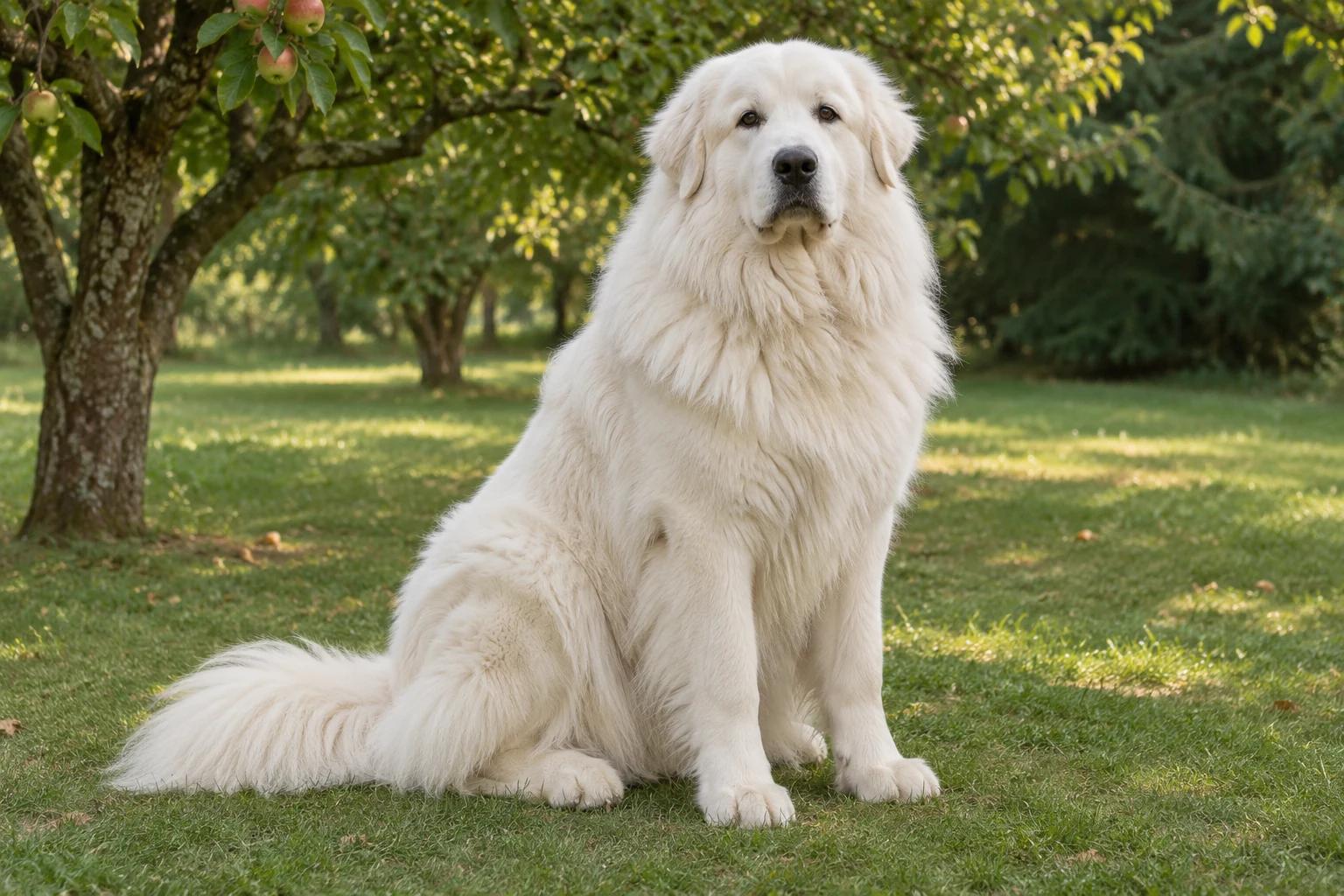
A large white dog beside sheep can look like the answer to any farm-dog question. But moving livestock and protecting livestock are different jobs. The Great Pyrenees has a livestock-guardian background. AKC's account of the Pyrenean Shepherd describes the smaller herder working the flock while the Great Pyrenees provided protection from predators.
That division of work matters when someone says they want a dog to help with sheep. Do they need animals gathered and moved through a gate, or a dog suitable for a managed livestock-protection role? A breed's association with flocks does not make those tasks interchangeable. Clarify the task before looking for the dog.
Guardian heritage does not replace preparation
Texas A&M AgriLife's overview emphasizes selection, bonding, training and ongoing management in a livestock-guardian program. It also stresses that individuals differ and that each property has its own needs. Even a dog described as trained may have difficulty settling or bonding in a new situation. The breed name alone is not evidence of readiness.
If you are considering a particular Great Pyrenees for farm work, ask which livestock it has actually lived with, what supervision and training it has received, and what problems have been observed. A history with adult sheep does not answer every question about a different species or a new property's routine. Arrange advice from people experienced with livestock guardians and your setting before introductions, rather than leaving the dog to work things out.
Do not assign a working role to a companion by assumption
For a household seeking a pet, this history is context, not a job requirement. You do not need to acquire livestock to justify having a Great Pyrenees, and a pet should not be presented as ready-made farm protection. Discuss the individual dog's history, daily care and behavior with the breeder or rescue as part of deciding whether the placement is suitable.
Imagine two neighbors admiring the same dog: one needs help moving goats; the other wants a companion. Neither gets a complete answer from the phrase livestock guardian. The first needs to reconsider the type of task and expertise involved. The second needs a realistic account of life with that individual. Naming the historical role accurately prevents both conversations from starting with the wrong expectation.
Sources behind this article
Article source checked: October 20, 2026. Source checked 2026-10-20
Keep reading
Great Pyrenees vs Bernese Mountain Dog: Daily Life
Read article →